

Daily Sabah logo

Politics
Diplomacy Legislation War On Terror EU Affairs Elections News Analysis
TÜRKİYE
Istanbul Education Investigations Minorities Expat Corner Diaspora
World
Mid-East Europe Americas Asia Pacific Africa Syrian Crisis Islamophobia
Business
Automotive Economy Energy Finance Tourism Tech Defense Transportation News Analysis
Lifestyle
Health Environment Travel Food Fashion Science Religion History Feature Expat Corner
Arts
Cinema Music Events Portrait Reviews Performing Arts
Sports
Football Basketball Motorsports Tennis
Opinion
Columns Op-Ed Reader's Corner Editorial
PHOTO GALLERY
JOBS ABOUT US RSS PRIVACY CONTACT US
© Turkuvaz Haberleşme ve Yayıncılık 2026

Daily Sabah - Latest & Breaking News from Turkey | Istanbul

  • Politics
    • Diplomacy
    • Legislation
    • War On Terror
    • EU Affairs
    • Elections
    • News Analysis
  • TÜRKİYE
    • Istanbul
    • Education
    • Investigations
    • Minorities
    • Expat Corner
    • Diaspora
  • World
    • Mid-East
    • Europe
    • Americas
    • Asia Pacific
    • Africa
    • Syrian Crisis
    • Islamophobia
  • Business
    • Automotive
    • Economy
    • Energy
    • Finance
    • Tourism
    • Tech
    • Defense
    • Transportation
    • News Analysis
  • Lifestyle
    • Health
    • Environment
    • Travel
    • Food
    • Fashion
    • Science
    • Religion
    • History
    • Feature
    • Expat Corner
  • Arts
    • Cinema
    • Music
    • Events
    • Portrait
    • Reviews
    • Performing Arts
  • Sports
    • Football
    • Basketball
    • Motorsports
    • Tennis
  • Gallery
  • Opinion
    • Columns
    • Op-Ed
    • Reader's Corner
    • Editorial
  • TV
  • Life
  • Health
  • Environment
  • Travel
  • Food
  • Fashion
  • Science
  • Religion
  • History
  • Feature
  • Expat Corner

Could microplastics be linked to ALS? New study offers clues

by Anadolu Agency

ISTANBUL Aug 18, 2026 - 1:03 pm GMT+3
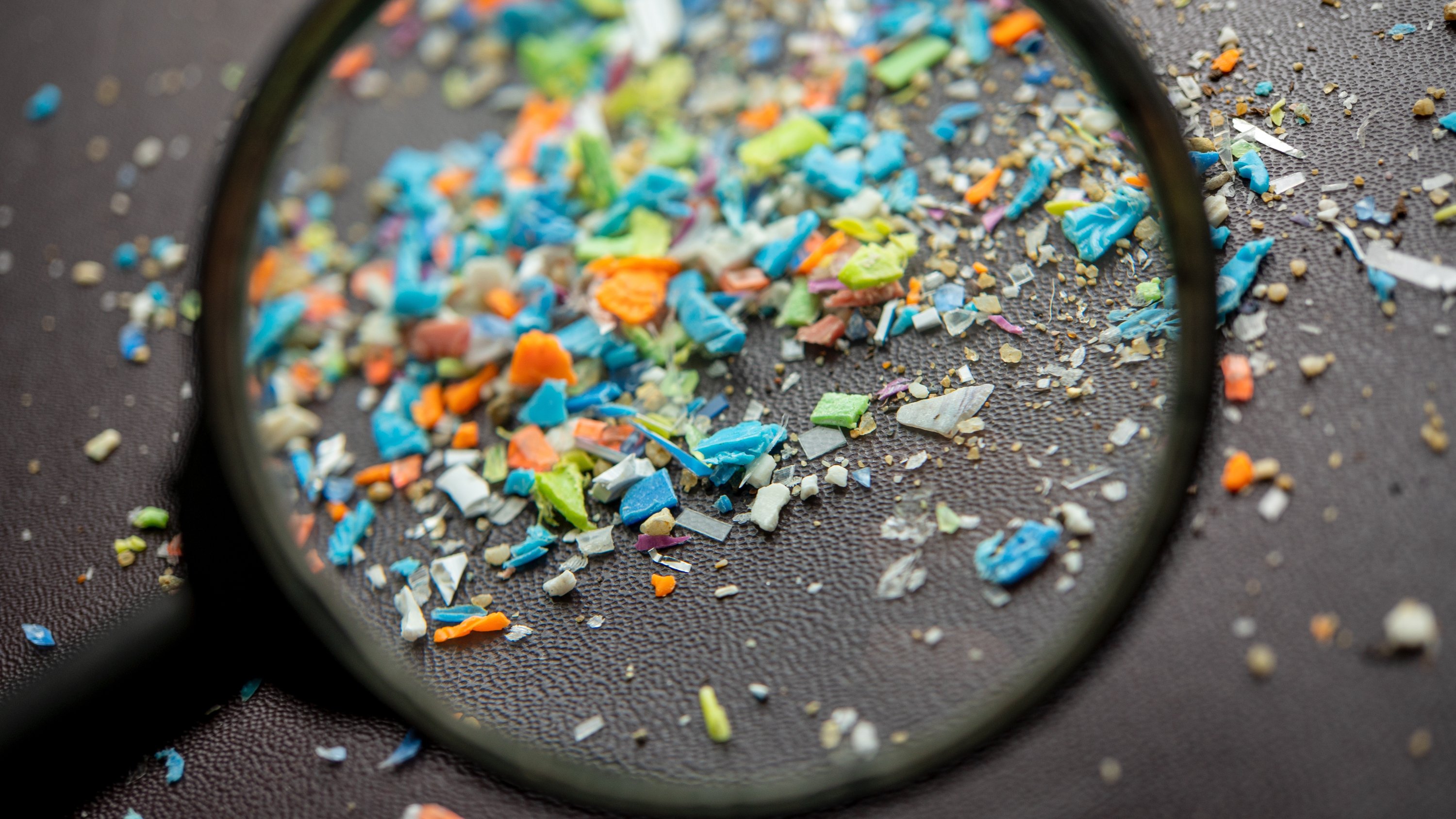
Higher concentrations of nano-and microplastics in the central nervous system may be associated with an increased risk of amyotrophic lateral sclerosis (ALS), according to a new Italian study. (Shutterstock Photo)
by Anadolu Agency Aug 18, 2026 1:03 pm

Higher concentrations of nano-and microplastics in the central nervous system may be associated with an increased risk of amyotrophic lateral sclerosis (ALS), according to a new Italian study.

Researchers measured plastic particles in blood serum and cerebrospinal fluid samples from 24 newly diagnosed ALS patients and 20 people without neurological disease.

The study, led by researchers at the University of Modena and Reggio Emilia and published in the journal Brain Communications, is the first to compare such concentrations between ALS patients and healthy controls.

Median microplastic concentrations in cerebrospinal fluid were nearly twice as high among ALS patients, at 1,022 particles per milliliter, compared with 532.1 particles per milliliter in the control group.

Serum concentrations were also higher among ALS patients, although the difference was smaller.

Researchers found that higher concentrations in cerebrospinal fluid were associated with greater odds of ALS, while serum concentrations were linked to the disease only above a certain exposure threshold.

Among ALS patients, higher serum concentrations were also associated with increased levels of neurofilament light chain, a biomarker of nerve-cell damage.

The findings raise the possibility that nano- and microplastics may contribute to motor neuron degeneration through direct toxic effects or through other pollutants carried by the particles, the researchers said.

However, study coordinator Marco Vinceti stressed that whether these contaminants cause toxic effects in the nervous system "remains to be conclusively determined.”

The researchers cautioned that the small case-control study could not establish causation or rule out "reverse causation” – the possibility that ALS-related changes led to greater accumulation of microplastics. Lifestyle differences or exposure to other chemicals may also have influenced the results.

ALS is a progressive neurodegenerative disease that damages nerve cells responsible for controlling voluntary muscle movement. Its underlying causes remain largely unknown.

  • shortlink copied
  • Last Update: Aug 18, 2026 4:03 pm
    KEYWORDS
    microplastics nervous system als
    The Daily Sabah Newsletter
    Keep up to date with what’s happening in Turkey, it’s region and the world.
    You can unsubscribe at any time. By signing up you are agreeing to our Terms of Use and Privacy Policy. This site is protected by reCAPTCHA and the Google Privacy Policy and Terms of Service apply.
    No Image
    'More than a car: 'Türkiye's national car Togg releases colors
    PHOTOGALLERY
    • POLITICS
    • Diplomacy
    • Legislation
    • War On Terror
    • EU Affairs
    • News Analysis
    • TÜRKİYE
    • Istanbul
    • Education
    • Investigations
    • Minorities
    • Diaspora
    • World
    • Mid-East
    • Europe
    • Americas
    • Asia Pacific
    • Africa
    • Syrian Crisis
    • İslamophobia
    • Business
    • Automotive
    • Economy
    • Energy
    • Finance
    • Tourism
    • Tech
    • Defense
    • Transportation
    • News Analysis
    • Lifestyle
    • Health
    • Environment
    • Travel
    • Food
    • Fashion
    • Science
    • Religion
    • History
    • Feature
    • Expat Corner
    • Arts
    • Cinema
    • Music
    • Events
    • Portrait
    • Performing Arts
    • Reviews
    • Sports
    • Football
    • Basketball
    • Motorsports
    • Tennis
    • Opinion
    • Columns
    • Op-Ed
    • Reader's Corner
    • Editorial
    • Photo gallery
    • DS TV
    • Jobs
    • privacy
    • about us
    • contact us
    • RSS
    © Turkuvaz Haberleşme ve Yayıncılık 2021