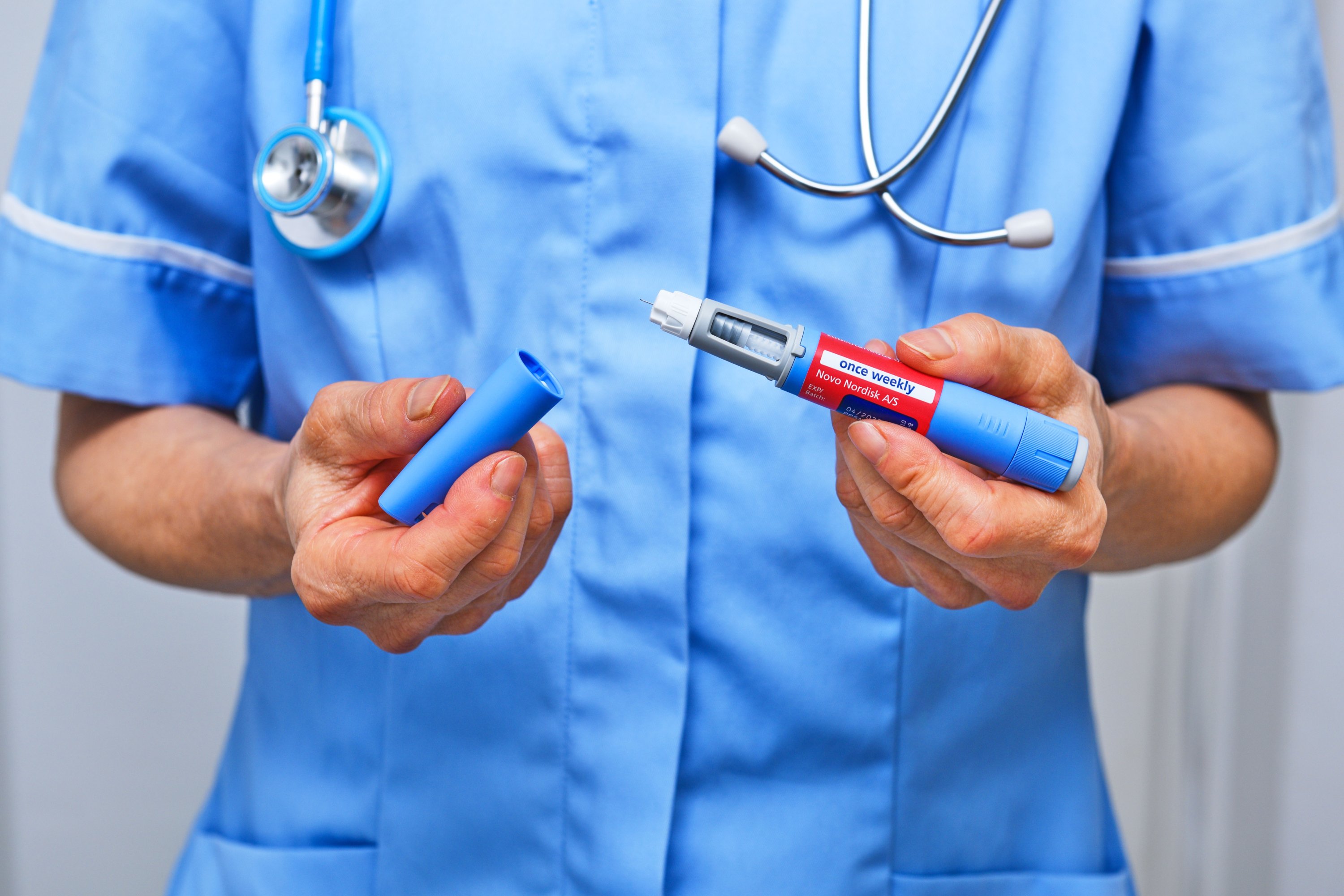
Drugs developed for the treatment of type 2 diabetes or obesity-related conditions have stood out due to their weight-loss effects, while their possible side effects are also being discussed.
The best-known drug with the active ingredient semaglutide is Ozempic. Ozempic works by mimicking the effects of a hormone known as GLP-1 in the body. Through this mechanism, the drug increases insulin release from the pancreas, while also reducing glucose production in the liver and slowing down stomach emptying.
Like Ozempic, Mounjaro is also a drug approved by the U.S. Food and Drug Administration (FDA) for type 2 diabetes treatment. It targets both GIP and GLP-1 receptors and has a dual mechanism of action.
Another drug with the same active ingredient and available in higher-dose options in the U.S. is Wegovy, which is also available in tablet form.
Wegovy, in addition to weight loss purposes, has also received FDA approval for benefits related to heart health and preventing fatty liver disease.
These medications are primarily prescribed for long-term blood sugar control in patients with type 2 diabetes. Treatment typically starts with a low dose, which is gradually increased depending on patient tolerance.
One of the effects of the drug is appetite suppression. Due to slower stomach emptying and prolonged feelings of fullness, users tend to consume fewer calories, which can lead to weight loss in many patients.
Recently, the use of these weight-loss drugs has increased globally. Widespread sharing on social media and other digital platforms has also increased demand among people without diabetes.
The safety of these drugs depends on their intended use and whether they are taken under medical supervision.
Clinical trials and data from approval processes show that semaglutide-based treatments are effective and generally safe for diabetic patients. However, as with all medications, side effects can occur.
The most common side effects are related to the digestive system, including nausea, vomiting, diarrhea and constipation, especially during the early stages of treatment. These effects often decrease over time as the dose is gradually increased.
Less common but more serious side effects include pancreatitis, gallbladder disease and impaired kidney function. Additionally, animal studies have shown potential risks related to the thyroid gland, so use may be restricted in individuals with certain thyroid conditions.
Some users who experience rapid weight loss may also report loss of muscle mass, associated weakness and rapid weight regain after stopping the drug.
These effects are more pronounced when the medication is used without medical necessity or without proper dietary management.
Because these drugs have strong effects on metabolism, the FDA requires medical supervision during their use.
In the United States, selling these drugs without a prescription or issuing fraudulent prescriptions is a criminal offense.
The World Health Organization (WHO) published its first global guideline in October 2025 on the use of GLP-1 drugs for the treatment of obesity as a chronic and recurrent disease.
It reported that obesity affects more than 1 billion people worldwide and was associated with 3.7 million deaths in 2024, with projections suggesting this number could double by 2030 if no action is taken.
The guideline states that GLP-1 treatments for obesity can be used in adults, excluding pregnant women, but emphasizes that long-term safety data is still limited.
It also stresses that medication alone is not sufficient and must be combined with healthy eating, physical activity and professional support.
The guideline further highlights high costs and unequal access, emphasizing that medication alone will not solve the obesity problem.
According to WorldAtlas data, in 2024 the U.S. states with the highest adult obesity rates include West Virginia at 41.40%, followed by Mississippi at 40.40% and Louisiana at 39.20%.
Alabama ranks fourth at 38.90%, followed by Arkansas. Indiana ranks sixth at 38.40%, while Kansas and Nebraska share seventh place at 37.60%.
A 2025 report from GLP1 News Room shows a similar geographic concentration in GLP-1 drug usage across the U.S.
West Virginia has the highest usage rate at 24%, followed by Kentucky (22%), Louisiana (20%) and Oklahoma.
Alabama and Mississippi are at 19%, while North Dakota is at 18%.
Mid-to-high usage states include Pennsylvania (17%), Iowa (16.5%) and Michigan (16%). Georgia, Tennessee, Texas and Kansas are at around 15%, while Ohio is at 14.5%, New York and New Jersey are around 14%.
Lower-mid usage states include Illinois, Indiana, North Carolina at 13% and Virginia at 12%. Minnesota is at 11%, while Florida and Wisconsin are at 10%.
The lowest usage rates are concentrated in western states. Hawaii has the lowest rate in the country at 5%, while Utah, Colorado, Arizona and Oregon are at 8%. California is at 9.5% and Washington and Nevada are between 8–9%.
Overall, GLP-1 usage in the U.S. is concentrated in the South and Appalachian regions, while remaining lower in western states.
According to Ozempic’s website, uninsured U.S. patients pay about $499 per month for a 2 mg Ozempic injection.
Mounjaro’s list price is approximately $1,112 for a 28-day supply (4 injection pens), though this varies depending on insurance coverage.
Wegovy costs about $125 per month without insurance for the 1.5 mg dose, while insured patients may pay around $25 per month.
A Health Tracking Survey conducted by the Kaiser Family Foundation (KFF) between Oct. 27 and Nov. 2, 2025, with 1,350 U.S. adults, provided data on GLP-1 drug use.
18% of respondents reported having used such drugs at some point, while 12% were currently using them.
38% said they used them for chronic disease treatment, 30% for weight loss and 32% for both purposes.
The survey also found that 37% of participants had someone in their close circle using these drugs.
In Brazil, Hypera Pharma announced in March 2025 that it plans to launch a generic semaglutide product in 2026 after patent expiration.
According to a statement from Canada’s Health Department on April 28, Dr. Reddy’s Laboratories, based in India, received approval for the first generic version of semaglutide, the active ingredient in Novo Nordisk’s Ozempic.
A generic drug is a lower-cost equivalent produced after a patent expires, with the same active ingredient and effects as the original.
According to CNBC (March 23), after semaglutide’s patent protection in India expires in March 2026, local pharmaceutical companies quickly began launching cheaper generic versions.
This has placed significant pricing pressure on brands like Ozempic and Wegovy.
Generic versions are reported to be up to 60% cheaper than the original drugs, improving access for large patient populations.
India-based Sun Pharmaceutical launched a version priced at around 3,400 rupees ($35) per month, compared to Novo Nordisk’s products priced between 8,800 and 10,000 rupees ($82-$105), depending on dosage.
Due to increasing competition, Novo Nordisk has had to reduce prices and develop new strategies to maintain market share.
In the coming months, more than 50 brands are expected to launch generic semaglutide products in India.