Daily Sabah logo

Politics
Diplomacy Legislation War On Terror EU Affairs Elections News Analysis
TÜRKİYE
Istanbul Education Investigations Minorities Expat Corner Diaspora
World
Mid-East Europe Americas Asia Pacific Africa Syrian Crisis Islamophobia
Business
Automotive Economy Energy Finance Tourism Tech Defense Transportation News Analysis
Lifestyle
Health Environment Travel Food Fashion Science Religion History Feature Expat Corner
Arts
Cinema Music Events Portrait Reviews Performing Arts
Sports
Football Basketball Motorsports Tennis
Opinion
Columns Op-Ed Reader's Corner Editorial
PHOTO GALLERY
JOBS ABOUT US RSS PRIVACY CONTACT US
© Turkuvaz Haberleşme ve Yayıncılık 2025

Daily Sabah - Latest & Breaking News from Turkey | Istanbul

  • Politics
    • Diplomacy
    • Legislation
    • War On Terror
    • EU Affairs
    • Elections
    • News Analysis
  • TÜRKİYE
    • Istanbul
    • Education
    • Investigations
    • Minorities
    • Expat Corner
    • Diaspora
  • World
    • Mid-East
    • Europe
    • Americas
    • Asia Pacific
    • Africa
    • Syrian Crisis
    • Islamophobia
  • Business
    • Automotive
    • Economy
    • Energy
    • Finance
    • Tourism
    • Tech
    • Defense
    • Transportation
    • News Analysis
  • Lifestyle
    • Health
    • Environment
    • Travel
    • Food
    • Fashion
    • Science
    • Religion
    • History
    • Feature
    • Expat Corner
  • Arts
    • Cinema
    • Music
    • Events
    • Portrait
    • Reviews
    • Performing Arts
  • Sports
    • Football
    • Basketball
    • Motorsports
    • Tennis
  • Gallery
  • Opinion
    • Columns
    • Op-Ed
    • Reader's Corner
    • Editorial
  • TV
  • Life
  • Health
  • Environment
  • Travel
  • Food
  • Fashion
  • Science
  • Religion
  • History
  • Feature
  • Expat Corner

How hidden sugars sneak into healthy foods

by Associated Press

Dec 28, 2025 - 4:06 pm GMT+3
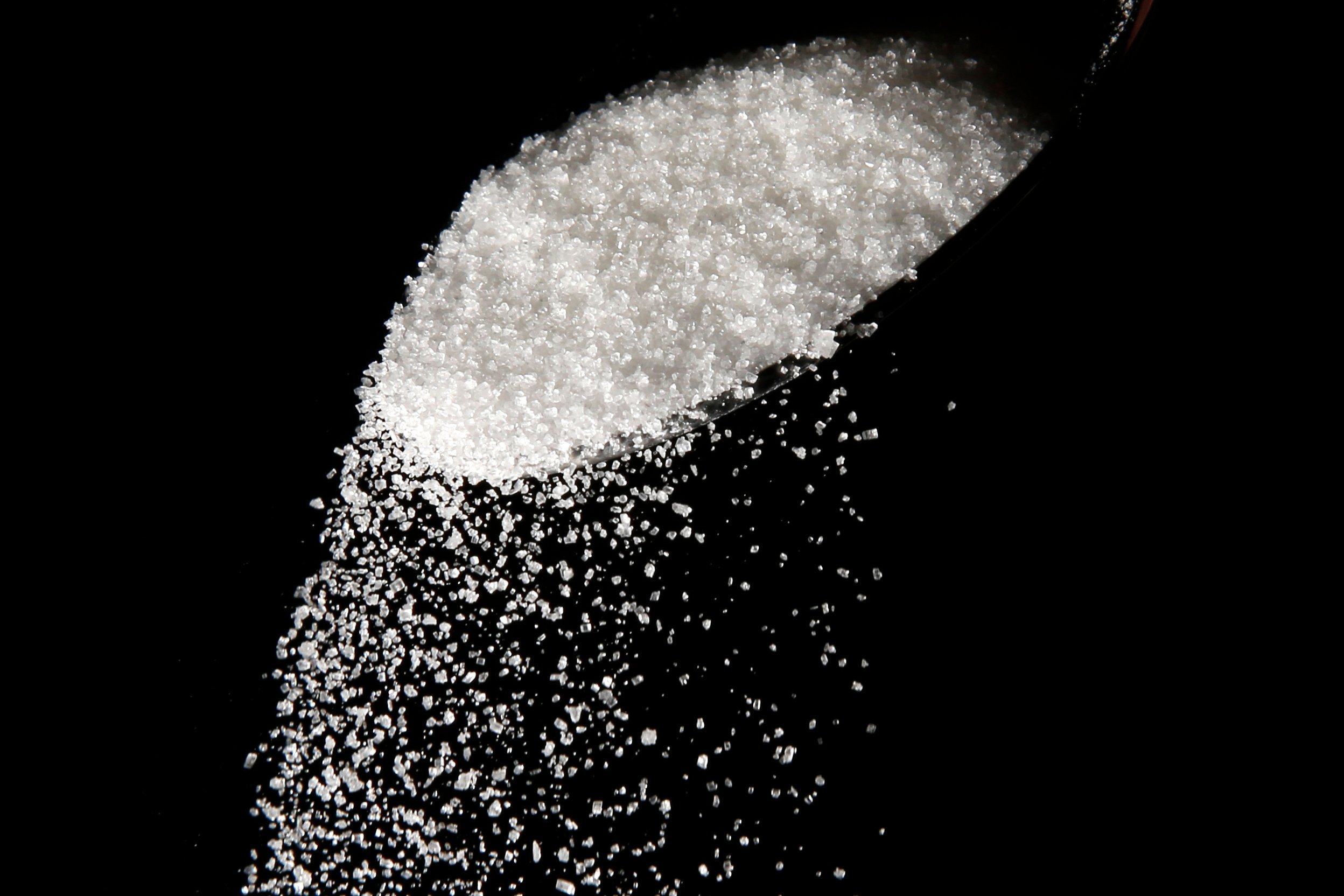
This photo illustration shows granulated sugar falling from a spoon, Philadelphia, U.S., Sept. 12, 2016. (AP Photo)
by Associated Press Dec 28, 2025 4:06 pm

Many consumers feel pride in avoiding the glazed pastries in the supermarket and instead opting for "all natural” granola that comes packed with extra protein. Same goes for low-fat yogurts "made with real fruit,” "organic” plant-based milks and bottled "superfood” smoothies.

Buyer beware: Healthy grocery buzzwords like those often cover up an unhealthy amount of sugar.

Added sugars are difficult to quickly spot because many companies use clever marketing to distract consumers, said Nicole Avena, a professor of neuroscience and psychiatry at Mount Sinai Medical School and Princeton University who has studied added sugars.

Avena said while some health-forward brands know people are starting to become aware of the hazards of added sugars, "a lot of the bigger brands don’t worry so much about people’s health.”

Here’s how to spot hidden sugars and what to do about it.

Along with saturated fat and salt, eating excess sugar is linked to heart disease, obesity, diabetes and other health risks.

The average American consumes 17 grams of added sugar a day, which adds up to 57 pounds (26 kilograms) per year, according to the American Heart Association. About half of that comes from beverages, but much of the rest is sneaked into cereal, salsa, prepared sandwiches, dairy products, bottled sauces and baked goods, including many brands of whole-grain bread.

To help control sugar intake, start by checking the nutrition label. Since 2021, food companies have been required to list the quantity of added sugars separately from total sugar content. But the plan backfired, Avena said.

Companies reduced common sweeteners like refined beet sugar and high-fructose corn syrup but added alternatives, such as monk fruit and the sugar alcohol erythritol, which aren’t considered "added sugars” under FDA regulations.

"Now our foods are even sweeter than they were back in 2020,” Avena said.

Collin Popp, a dietitian and professor at NYU Langone Health, said the current FDA recommendation allows for some flexibility. People should get no more than 10% of their calories from added sugar, which amounts to about 50 grams per day if eating 2,000 calories, or a bit more than what’s in a typical can of soda.

But that might be too flexible, Popp said.

"I would actually like to see that be less than 5%, and closer to zero for some, if they have diabetes or prediabetes,” he said.

The key is to be mindful of what you’re eating, even if the product seems healthy or if the package is labeled organic, Popp said. Roasted nuts, plant-based milks and wasabi peas, for example, can include a surprising amount of added sugars. So can English muffins and yogurt.

One Chobani black cherry yogurt, for example, has zero grams of fat but 9 grams of added sugar, or more than 2 teaspoons. Silk brand almond milk has 7 grams per cup.

Popp recommends taking control of how much sugar goes into your food. That could mean buying plain yogurt and adding honey or berries, or asking the barista if you can put your own oat milk into your coffee.

Although they lower the calorie content of foods, artificial sweeteners like stevia and sugar alcohols may not be better because they can encourage people to overeat, Avena said. She said research shows that sweet flavors are what activate the reward center of the brain, not the sugar itself.

That’s not to write off sugar alternatives, including allulose for people with Type 1 diabetes since it doesn’t affect blood sugar.

But for the general public, minimizing dependence on the overall sweetness of food is key to improving health, she said.

"Don’t let the food companies decide how much sugar you’re eating," Avena said.

  • shortlink copied
  • KEYWORDS
    sugar consumption food health
    The Daily Sabah Newsletter
    Keep up to date with what’s happening in Turkey, it’s region and the world.
    You can unsubscribe at any time. By signing up you are agreeing to our Terms of Use and Privacy Policy. This site is protected by reCAPTCHA and the Google Privacy Policy and Terms of Service apply.
    No Image
    Full moon magic: Hot air balloons in Türkiye's Cappadocia
    PHOTOGALLERY
    • POLITICS
    • Diplomacy
    • Legislation
    • War On Terror
    • EU Affairs
    • News Analysis
    • TÜRKİYE
    • Istanbul
    • Education
    • Investigations
    • Minorities
    • Diaspora
    • World
    • Mid-East
    • Europe
    • Americas
    • Asia Pacific
    • Africa
    • Syrian Crisis
    • İslamophobia
    • Business
    • Automotive
    • Economy
    • Energy
    • Finance
    • Tourism
    • Tech
    • Defense
    • Transportation
    • News Analysis
    • Lifestyle
    • Health
    • Environment
    • Travel
    • Food
    • Fashion
    • Science
    • Religion
    • History
    • Feature
    • Expat Corner
    • Arts
    • Cinema
    • Music
    • Events
    • Portrait
    • Performing Arts
    • Reviews
    • Sports
    • Football
    • Basketball
    • Motorsports
    • Tennis
    • Opinion
    • Columns
    • Op-Ed
    • Reader's Corner
    • Editorial
    • Photo gallery
    • DS TV
    • Jobs
    • privacy
    • about us
    • contact us
    • RSS
    © Turkuvaz Haberleşme ve Yayıncılık 2021