Daily Sabah logo

Politics
Diplomacy Legislation War On Terror EU Affairs Elections News Analysis
TÜRKİYE
Istanbul Education Investigations Minorities Expat Corner Diaspora
World
Mid-East Europe Americas Asia Pacific Africa Syrian Crisis Islamophobia
Business
Automotive Economy Energy Finance Tourism Tech Defense Transportation News Analysis
Lifestyle
Health Environment Travel Food Fashion Science Religion History Feature Expat Corner
Arts
Cinema Music Events Portrait Reviews Performing Arts
Sports
Football Basketball Motorsports Tennis
Opinion
Columns Op-Ed Reader's Corner Editorial
PHOTO GALLERY
JOBS ABOUT US RSS PRIVACY CONTACT US
© Turkuvaz Haberleşme ve Yayıncılık 2025

Daily Sabah - Latest & Breaking News from Turkey | Istanbul

  • Politics
    • Diplomacy
    • Legislation
    • War On Terror
    • EU Affairs
    • Elections
    • News Analysis
  • TÜRKİYE
    • Istanbul
    • Education
    • Investigations
    • Minorities
    • Expat Corner
    • Diaspora
  • World
    • Mid-East
    • Europe
    • Americas
    • Asia Pacific
    • Africa
    • Syrian Crisis
    • Islamophobia
  • Business
    • Automotive
    • Economy
    • Energy
    • Finance
    • Tourism
    • Tech
    • Defense
    • Transportation
    • News Analysis
  • Lifestyle
    • Health
    • Environment
    • Travel
    • Food
    • Fashion
    • Science
    • Religion
    • History
    • Feature
    • Expat Corner
  • Arts
    • Cinema
    • Music
    • Events
    • Portrait
    • Reviews
    • Performing Arts
  • Sports
    • Football
    • Basketball
    • Motorsports
    • Tennis
  • Gallery
  • Opinion
    • Columns
    • Op-Ed
    • Reader's Corner
    • Editorial
  • TV
  • Life
  • Health
  • Environment
  • Travel
  • Food
  • Fashion
  • Science
  • Religion
  • History
  • Feature
  • Expat Corner

Researchers isolate human gene able to prevent bird flu infection

by Reuters

LONDON Jul 02, 2023 - 2:02 pm GMT+3
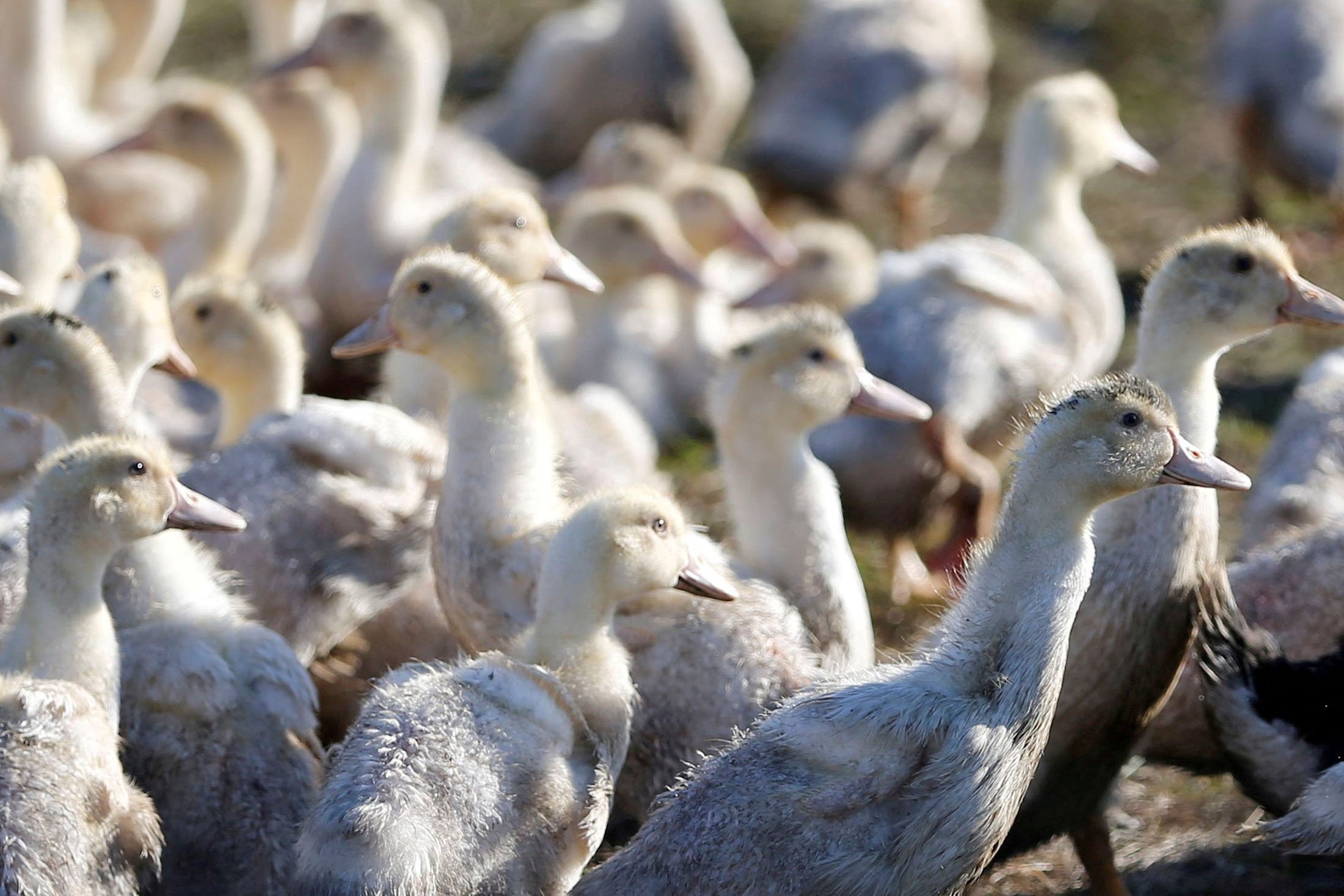
Ducks are seen in a field in Bourriot Bergonce, southwestern France, Jan. 7, 2017. (Reuters Photo)
by Reuters Jul 02, 2023 2:02 pm

Researchers in the United Kingdom have identified a specific human gene that plays a crucial role in preventing the majority of avian flu viruses from infecting humans.

Bird flu chiefly spreads among wild birds such as ducks and gulls and can also infect farmed birds and domestic poultry such as chickens, turkeys and quails.

Although the viruses largely affect birds, they can spill into bird predators, and in rare cases, humans typically in close contact with infected birds.

A team of scientists from the MRC-University of Glasgow Centre for Virus Research studied hundreds of genes normally expressed by human cells, comparing the genes' behavior during infection with either human seasonal viruses or avian flu viruses.

They zeroed in on a gene called BTN3A3, expressed both in the upper and the lower human respiratory tract. Nicknamed B-force by the researchers, the gene was found to block the replication of most strains of bird flu in human cells.

However, the gene's antiviral activity failed to protect against seasonal human flu viruses.

This gene is part of a broader defensive apparatus in the human immune arsenal against bird viruses.

All the human influenza pandemics, including the 1918-19 global flu pandemic, were caused by influenza viruses that were resistant to BTN3A3, and therefore the gene appears to be a key factor in whether any bird flu strain has human pandemic potential, the researchers said.

To be sure, viruses mutate all the time, and this does not mean that bird flu viruses could not evolve to escape the activity of BTN3A3.

Earlier this year, a new H5NI strain of bird flu that transmits easily among wild birds explosively spread into new corners of the globe, infecting and killing a variety of mammal species and raising fears of a human pandemic. So far, only a handful of human cases have been reported to the World Health Organization (WHO).

About 50% of H5N1 strains circulating globally so far in 2023 are resistant to BTN3A3, said professor Massimo Palmarini, the corresponding author of the study published in the science journal Nature.


  • shortlink copied
  • KEYWORDS
    bird flu genetics medical journal research gene research
    The Daily Sabah Newsletter
    Keep up to date with what’s happening in Turkey, it’s region and the world.
    You can unsubscribe at any time. By signing up you are agreeing to our Terms of Use and Privacy Policy. This site is protected by reCAPTCHA and the Google Privacy Policy and Terms of Service apply.
    No Image
    Postcards from Greenland as climate change melts glaciers
    PHOTOGALLERY
    • POLITICS
    • Diplomacy
    • Legislation
    • War On Terror
    • EU Affairs
    • News Analysis
    • TÜRKİYE
    • Istanbul
    • Education
    • Investigations
    • Minorities
    • Diaspora
    • World
    • Mid-East
    • Europe
    • Americas
    • Asia Pacific
    • Africa
    • Syrian Crisis
    • İslamophobia
    • Business
    • Automotive
    • Economy
    • Energy
    • Finance
    • Tourism
    • Tech
    • Defense
    • Transportation
    • News Analysis
    • Lifestyle
    • Health
    • Environment
    • Travel
    • Food
    • Fashion
    • Science
    • Religion
    • History
    • Feature
    • Expat Corner
    • Arts
    • Cinema
    • Music
    • Events
    • Portrait
    • Performing Arts
    • Reviews
    • Sports
    • Football
    • Basketball
    • Motorsports
    • Tennis
    • Opinion
    • Columns
    • Op-Ed
    • Reader's Corner
    • Editorial
    • Photo gallery
    • DS TV
    • Jobs
    • privacy
    • about us
    • contact us
    • RSS
    © Turkuvaz Haberleşme ve Yayıncılık 2021