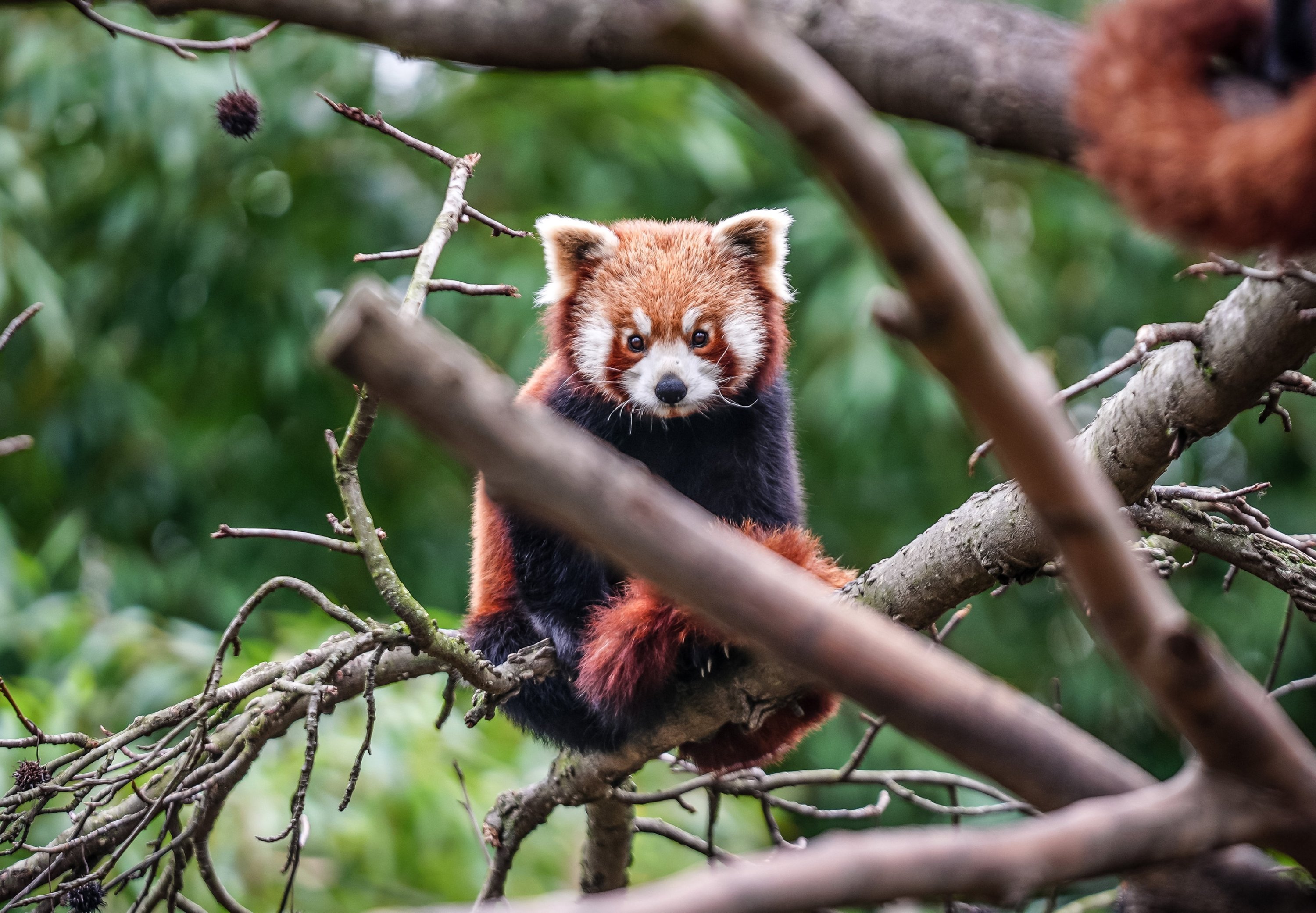
Red panda cubs born eight months ago at Türkiye's Bursa Zoo have started a special diet following four to five months of nursing.
Located in the Osmangazi district, Bursa Zoo spans 206,600 square meters and features 11 ponds, 2,000 trees, 50,000 shrubs and 150,000 groundcover plants, providing natural habitats and shelters for its animals. The zoo, operated by the Bursa Metropolitan Municipality, is home to 1,076 animals across 138 species.
Visitors can see a range of animals, from predators such as lions, tigers, leopards, hyenas and vultures to more docile species including llamas, giraffes, koalas, tapirs, kangaroos and iguanas. The zoo attracts roughly 1 million visitors annually.
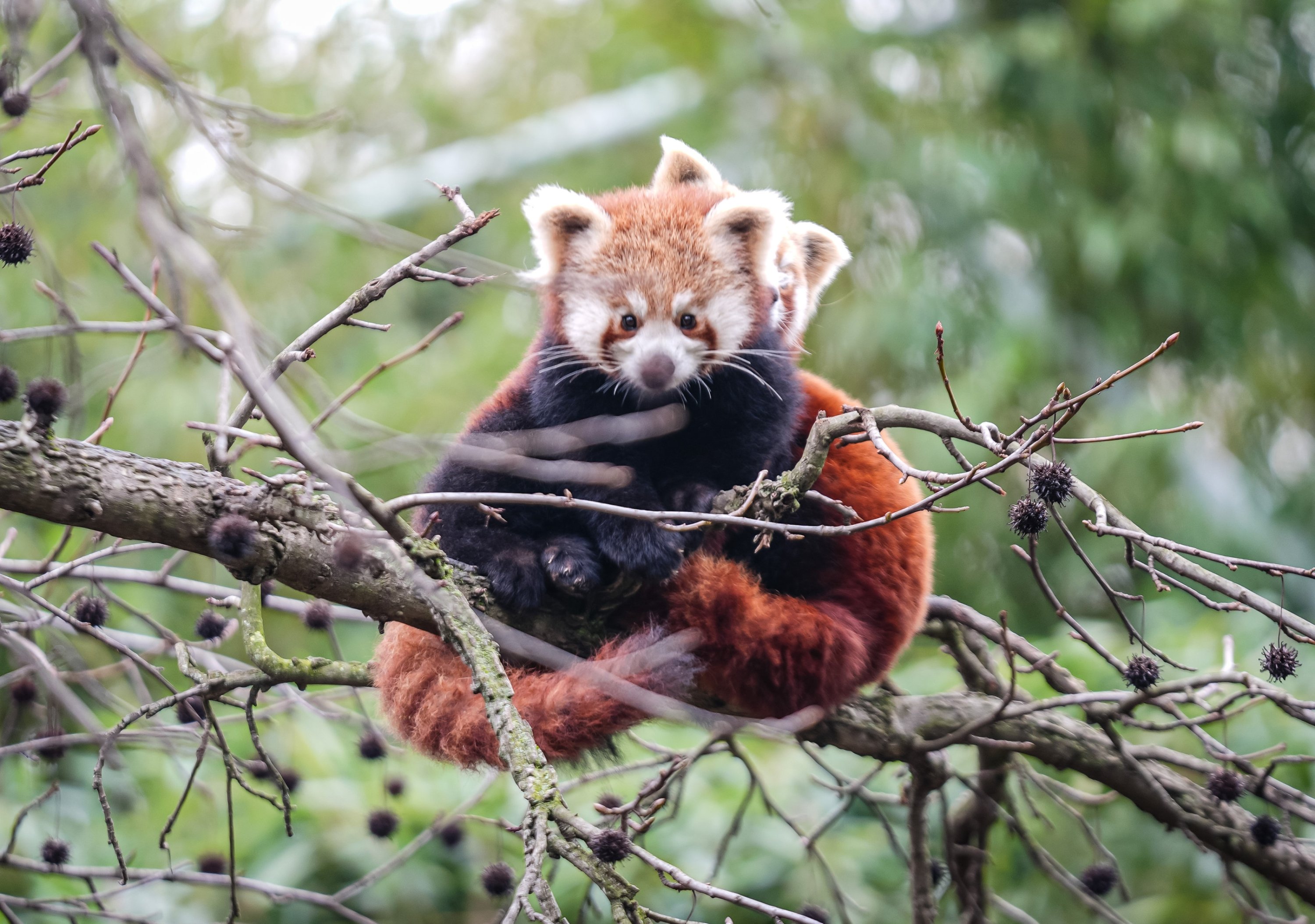
As a full member of the European Association of Zoos and Aquaria (EAZA), Bursa Zoo participates in conservation programs. Among its residents, the red pandas, native to the Himalayas, are among the most popular with visitors.
Through the EAZA’s European Endangered Species Program (EEP), two healthy red panda cubs were born eight months ago. The male and female cubs were initially fed only their mother’s milk and now caretakers are gradually transitioning them to a specialized diet.
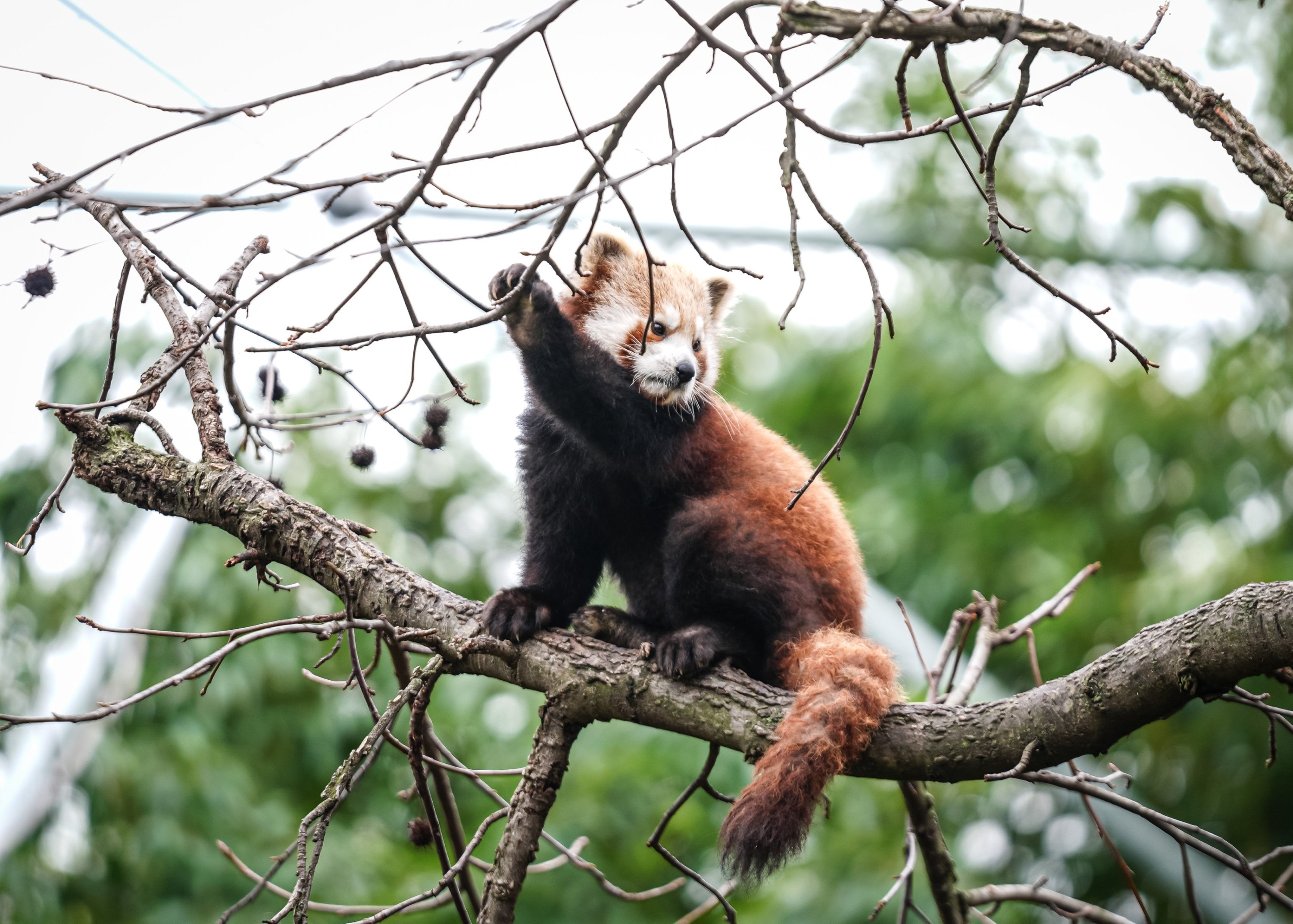
The cubs’ diet includes a mixture of apples, pears, oats, cornflakes, bananas and bamboo. During extreme weather, they are housed in specially prepared climate-controlled rooms.
Caretaker Yasin Yurtlu told Anadolu Agency (AA) that the 8-month-old cubs are in good health. He said the pandas receive all necessary nutrients through their special winter diet, which primarily includes apples, pears, a custom blend of foods, oats, cornflakes and bananas.
“Approximately eight months ago, the birth took place. We have two cubs, one female and one male. They spent the first four to five months nursing under their mother’s care. After five months, they gradually began eating bamboo leaves. Bamboo is one of their favorite foods and they really enjoy it. Later, they are introduced to fruits and an oat mixture. At this stage, they are feeding independently, separate from their mother,” Yurtlu said.
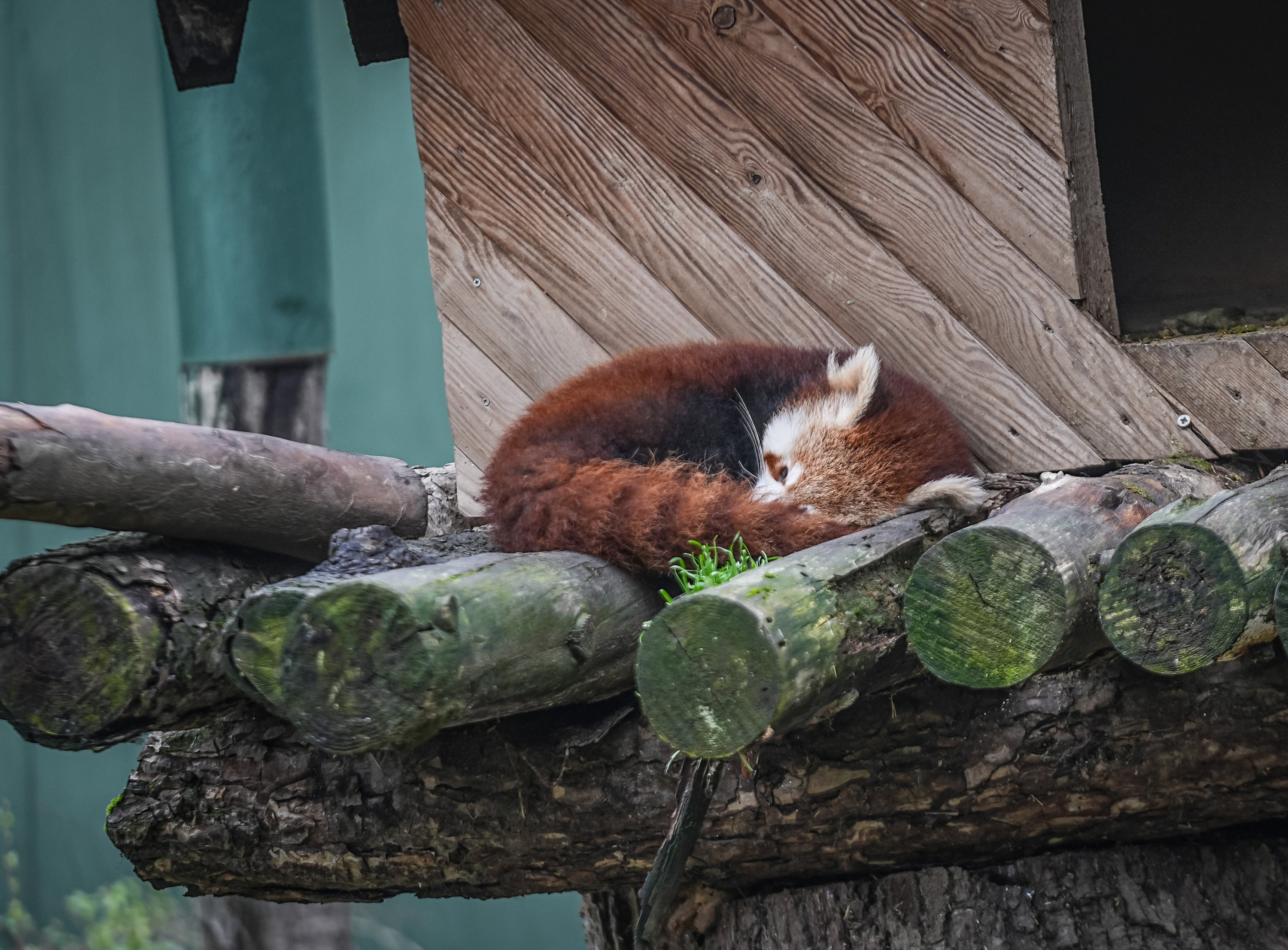
He added that the red pandas do not enjoy excessive heat. “We have climate-controlled rooms and turn on the air conditioning when temperatures exceed 25 degrees Celsius (77 degrees Fahrenheit). In cold weather, they are more active and energetic. They have three nests, plus their rooms contain straw. Because they don’t prefer hot weather, they can even stay on trees when it snows,” Yurtlu said.