Daily Sabah logo

Politics
Diplomacy Legislation War On Terror EU Affairs Elections News Analysis
TÜRKİYE
Istanbul Education Investigations Minorities Expat Corner Diaspora
World
Mid-East Europe Americas Asia Pacific Africa Syrian Crisis Islamophobia
Business
Automotive Economy Energy Finance Tourism Tech Defense Transportation News Analysis
Lifestyle
Health Environment Travel Food Fashion Science Religion History Feature Expat Corner
Arts
Cinema Music Events Portrait Reviews Performing Arts
Sports
Football Basketball Motorsports Tennis
Opinion
Columns Op-Ed Reader's Corner Editorial
PHOTO GALLERY
JOBS ABOUT US RSS PRIVACY CONTACT US
© Turkuvaz Haberleşme ve Yayıncılık 2026

Daily Sabah - Latest & Breaking News from Turkey | Istanbul

  • Politics
    • Diplomacy
    • Legislation
    • War On Terror
    • EU Affairs
    • Elections
    • News Analysis
  • TÜRKİYE
    • Istanbul
    • Education
    • Investigations
    • Minorities
    • Expat Corner
    • Diaspora
  • World
    • Mid-East
    • Europe
    • Americas
    • Asia Pacific
    • Africa
    • Syrian Crisis
    • Islamophobia
  • Business
    • Automotive
    • Economy
    • Energy
    • Finance
    • Tourism
    • Tech
    • Defense
    • Transportation
    • News Analysis
  • Lifestyle
    • Health
    • Environment
    • Travel
    • Food
    • Fashion
    • Science
    • Religion
    • History
    • Feature
    • Expat Corner
  • Arts
    • Cinema
    • Music
    • Events
    • Portrait
    • Reviews
    • Performing Arts
  • Sports
    • Football
    • Basketball
    • Motorsports
    • Tennis
  • Gallery
  • Opinion
    • Columns
    • Op-Ed
    • Reader's Corner
    • Editorial
  • TV
  • Life
  • Health
  • Environment
  • Travel
  • Food
  • Fashion
  • Science
  • Religion
  • History
  • Feature
  • Expat Corner

Rwandan rainforest reveals bat lost for 40 years

by French Press Agency - AFP

KIGALI Mar 10, 2022 - 2:58 pm GMT+3
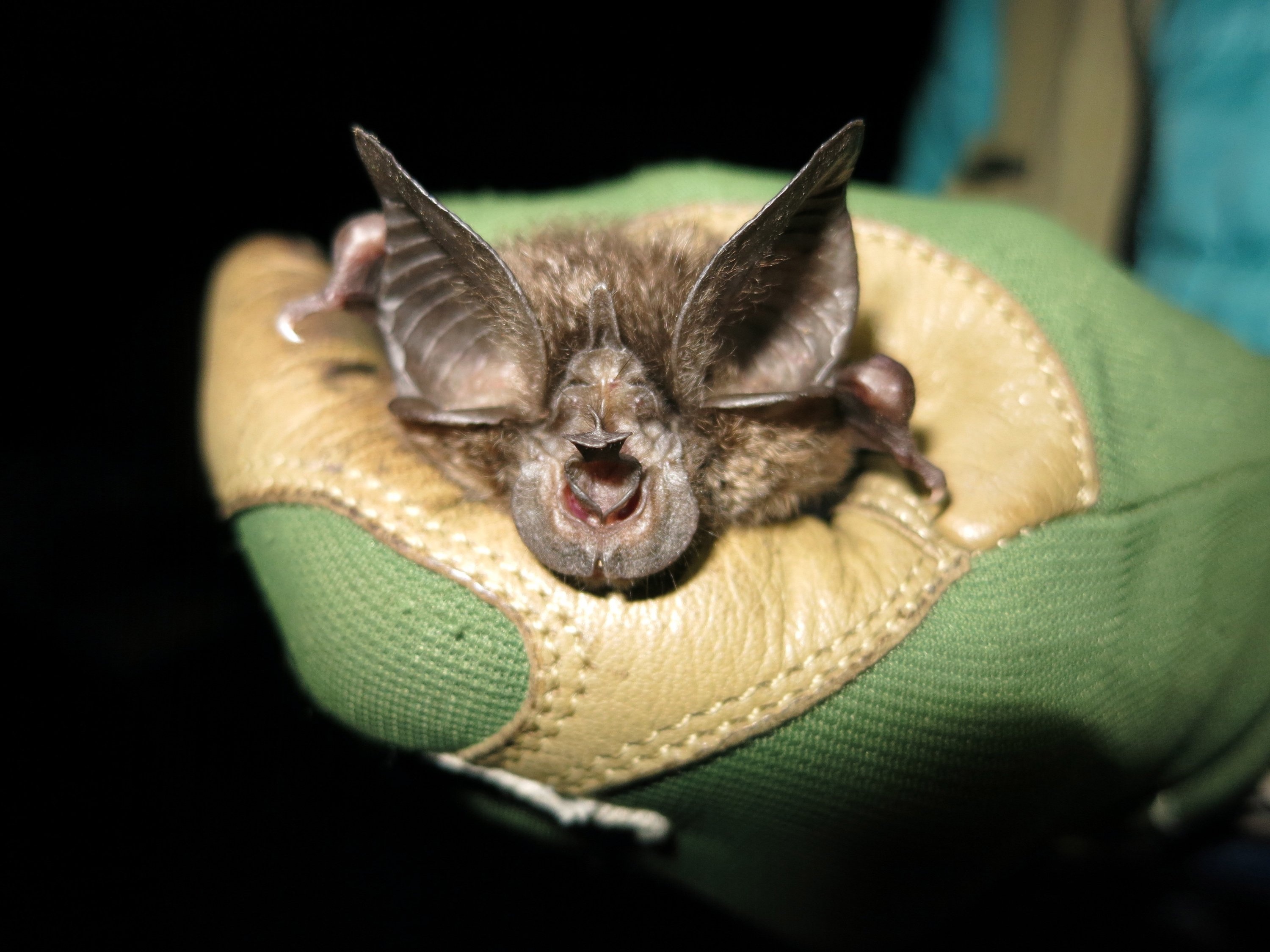
A handout photo made available by the Bat Conservation International organization shows a bat of the species Rhinolophus hilli found in one of the caves in Nyungwe National Park, Nyungwe, Rwanda, March 8, 2022. (EPA Photo)
by French Press Agency - AFP Mar 10, 2022 2:58 pm

A critically endangered bat species that had not been seen in 40 years has been rediscovered in Rwanda, thrilling conservationists who feared it had gone extinct.

But the Hill's horseshoe bat was in fact still clinging to life in Rwanda's Nyungwe Forest, a dense rainforest that is home to endangered mountain gorillas, the consortium behind the discovery said.

There had been no information on the population of the mammals and the International Union for Conservation of Nature (IUCN) in 2021 listed them as critically endangered.

Rediscovering the lost species "was incredible," Jon Flanders, director for Bat Conservation International (BCI), said in a statement late Tuesday.

"It's astonishing to think that we're the first people to see this bat in so long."

The Texas-based nonprofit had partnered with the Rwanda Development Board and the Rwanda Wildlife Conservation Association to conduct surveys in the jungle starting in 2013.

In 2019, after a 10-day expedition scouring the caves in the forest, the scientists found the bat.

"We knew immediately that the bat we had captured was unusual and remarkable," BCI's chief scientist Winifred Frick said.

"The facial features were exaggerated to the point of comical."

But it took them another three years to verify its species.

The creatures of the night have long been infamous as fanged monsters or vectors of disease, with the coronavirus pandemic doing little to improve that image after scientists said COVID-19 likely originated in the animals.

From the tiny 2-gram "bumblebee bat," to the giant Philippine flying fox with its 1.5-meter (5-foot) wingspan, bats make up a fifth of all terrestrial mammals.

Some 40% of the 1,321 species assessed on the IUCN's Red List are now classified as endangered.

Human actions – including deforestation and habitat loss – are to blame.

For the researchers in Rwanda, the elusive discovery marks the beginning of a new race to save the once lost species from disappearing again.

"Now our real work begins to figure out how to protect this species long into the future," Flanders said.


  • shortlink copied
  • Last Update: Mar 10, 2022 4:58 pm
    KEYWORDS
    bats endangered species
    The Daily Sabah Newsletter
    Keep up to date with what’s happening in Turkey, it’s region and the world.
    You can unsubscribe at any time. By signing up you are agreeing to our Terms of Use and Privacy Policy. This site is protected by reCAPTCHA and the Google Privacy Policy and Terms of Service apply.
    No Image
    Palestinian youth bring smiles to children amid Gaza bombardments
    PHOTOGALLERY
    • POLITICS
    • Diplomacy
    • Legislation
    • War On Terror
    • EU Affairs
    • News Analysis
    • TÜRKİYE
    • Istanbul
    • Education
    • Investigations
    • Minorities
    • Diaspora
    • World
    • Mid-East
    • Europe
    • Americas
    • Asia Pacific
    • Africa
    • Syrian Crisis
    • İslamophobia
    • Business
    • Automotive
    • Economy
    • Energy
    • Finance
    • Tourism
    • Tech
    • Defense
    • Transportation
    • News Analysis
    • Lifestyle
    • Health
    • Environment
    • Travel
    • Food
    • Fashion
    • Science
    • Religion
    • History
    • Feature
    • Expat Corner
    • Arts
    • Cinema
    • Music
    • Events
    • Portrait
    • Performing Arts
    • Reviews
    • Sports
    • Football
    • Basketball
    • Motorsports
    • Tennis
    • Opinion
    • Columns
    • Op-Ed
    • Reader's Corner
    • Editorial
    • Photo gallery
    • DS TV
    • Jobs
    • privacy
    • about us
    • contact us
    • RSS
    © Turkuvaz Haberleşme ve Yayıncılık 2021