Daily Sabah logo

Politics
Diplomacy Legislation War On Terror EU Affairs Elections News Analysis
TÜRKİYE
Istanbul Education Investigations Minorities Expat Corner Diaspora
World
Mid-East Europe Americas Asia Pacific Africa Syrian Crisis Islamophobia
Business
Automotive Economy Energy Finance Tourism Tech Defense Transportation News Analysis
Lifestyle
Health Environment Travel Food Fashion Science Religion History Feature Expat Corner
Arts
Cinema Music Events Portrait Reviews Performing Arts
Sports
Football Basketball Motorsports Tennis
Opinion
Columns Op-Ed Reader's Corner Editorial
PHOTO GALLERY
JOBS ABOUT US RSS PRIVACY CONTACT US
© Turkuvaz Haberleşme ve Yayıncılık 2025

Daily Sabah - Latest & Breaking News from Turkey | Istanbul

  • Politics
    • Diplomacy
    • Legislation
    • War On Terror
    • EU Affairs
    • Elections
    • News Analysis
  • TÜRKİYE
    • Istanbul
    • Education
    • Investigations
    • Minorities
    • Expat Corner
    • Diaspora
  • World
    • Mid-East
    • Europe
    • Americas
    • Asia Pacific
    • Africa
    • Syrian Crisis
    • Islamophobia
  • Business
    • Automotive
    • Economy
    • Energy
    • Finance
    • Tourism
    • Tech
    • Defense
    • Transportation
    • News Analysis
  • Lifestyle
    • Health
    • Environment
    • Travel
    • Food
    • Fashion
    • Science
    • Religion
    • History
    • Feature
    • Expat Corner
  • Arts
    • Cinema
    • Music
    • Events
    • Portrait
    • Reviews
    • Performing Arts
  • Sports
    • Football
    • Basketball
    • Motorsports
    • Tennis
  • Gallery
  • Opinion
    • Columns
    • Op-Ed
    • Reader's Corner
    • Editorial
  • TV
  • Life
  • Health
  • Environment
  • Travel
  • Food
  • Fashion
  • Science
  • Religion
  • History
  • Feature
  • Expat Corner

A mysterious new 'black neutron star' is changing our understanding of astrophysics

by French Press Agency - AFP

PARIS Jun 25, 2020 - 12:05 pm GMT+3
Edited By Yasemin Nicola Sakay
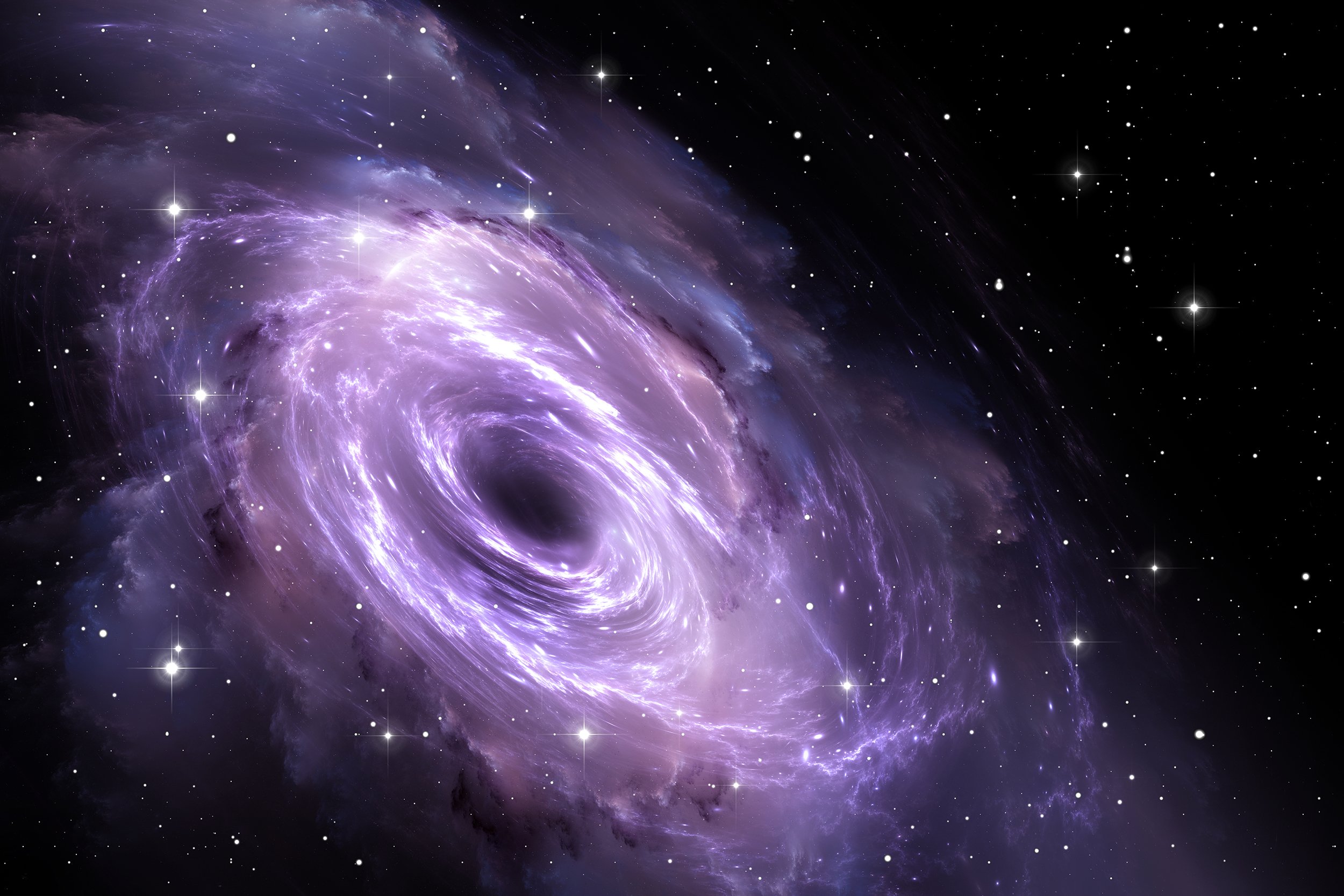
When some stars die, they explode in a supernova (pictured) and leave behind dead remnants of stars called neutron stars. (Shutterstock Photo)
by French Press Agency - AFP Jun 25, 2020 12:05 pm
Edited By Yasemin Nicola Sakay

A mysterious object roughly 800 million light-years from Earth detected using gravitational wave sensors is either one of the smallest black holes or one of the largest neutron stars so far discovered, scientists said Wednesday.

The Advanced Virgo detector at the European Gravitational Observatory (EGO) in Italy and two wave observatories in the U.S. discovered the object last year and calculated it to weigh around 2.6 times our own sun.

That places it in the Universe's "mass gap," referring to the virtually complete lack of observed objects between 2.6-5 solar masses. They said the object formed when another unknown body merged with a large black hole around 800 million years ago, in doing so emitting a huge gravitational wave detectable on Earth.

Both neutron stars and black holes form when very massive stars burn through their nuclear fuel and explode in phenomena known as supernovae. Stars with lighter cores tend to form neutron stars. Heavier ones, however, collapse into black holes, whose mass is so condensed its gravity sucks in dust and gas from surrounding galaxies.

The team behind the research, published in The Astrophysical Journal Letters, said there were several possible explanations for the object's unique nature.

Chief among them is that the original object may have been a relatively small neutron star that was effectively "swallowed whole" by a black hole.

"I think of Pac-Man eating a little dot," said Vicky Kalogera, a researcher at the LIGO observatory network and a professor at Northwestern University.

"When the masses are highly asymmetric, the smaller neutron star can be eaten in one bite," she said.

Gravitational waves, whose existence was predicted by Albert Einstein, transport energy as gravitational radiation, allowing detection equipment to extrapolate the mass of what created them. Since its gravitational wave is proof of its formation, the researchers said the object's discovery questions the existence of the mass gap.

"The Universe is firmly telling us that we are still missing most of the story on the formation and evolution of compact objects and that we likely need to revise some of our current ideas about compact object formation," said Mario Spera, a researcher at the University of Padova.

  • shortlink copied
  • KEYWORDS
    space black hole neutron star science
    The Daily Sabah Newsletter
    Keep up to date with what’s happening in Turkey, it’s region and the world.
    You can unsubscribe at any time. By signing up you are agreeing to our Terms of Use and Privacy Policy. This site is protected by reCAPTCHA and the Google Privacy Policy and Terms of Service apply.
    No Image
    Alone in Ukraine during Russia invasion
    PHOTOGALLERY
    • POLITICS
    • Diplomacy
    • Legislation
    • War On Terror
    • EU Affairs
    • News Analysis
    • TÜRKİYE
    • Istanbul
    • Education
    • Investigations
    • Minorities
    • Diaspora
    • World
    • Mid-East
    • Europe
    • Americas
    • Asia Pacific
    • Africa
    • Syrian Crisis
    • İslamophobia
    • Business
    • Automotive
    • Economy
    • Energy
    • Finance
    • Tourism
    • Tech
    • Defense
    • Transportation
    • News Analysis
    • Lifestyle
    • Health
    • Environment
    • Travel
    • Food
    • Fashion
    • Science
    • Religion
    • History
    • Feature
    • Expat Corner
    • Arts
    • Cinema
    • Music
    • Events
    • Portrait
    • Performing Arts
    • Reviews
    • Sports
    • Football
    • Basketball
    • Motorsports
    • Tennis
    • Opinion
    • Columns
    • Op-Ed
    • Reader's Corner
    • Editorial
    • Photo gallery
    • DS TV
    • Jobs
    • privacy
    • about us
    • contact us
    • RSS
    © Turkuvaz Haberleşme ve Yayıncılık 2021