Daily Sabah logo

Politics
Diplomacy Legislation War On Terror EU Affairs Elections News Analysis
TÜRKİYE
Istanbul Education Investigations Minorities Expat Corner Diaspora
World
Mid-East Europe Americas Asia Pacific Africa Syrian Crisis Islamophobia
Business
Automotive Economy Energy Finance Tourism Tech Defense Transportation News Analysis
Lifestyle
Health Environment Travel Food Fashion Science Religion History Feature Expat Corner
Arts
Cinema Music Events Portrait Reviews Performing Arts
Sports
Football Basketball Motorsports Tennis
Opinion
Columns Op-Ed Reader's Corner Editorial
PHOTO GALLERY
JOBS ABOUT US RSS PRIVACY CONTACT US
© Turkuvaz Haberleşme ve Yayıncılık 2025

Daily Sabah - Latest & Breaking News from Turkey | Istanbul

  • Politics
    • Diplomacy
    • Legislation
    • War On Terror
    • EU Affairs
    • Elections
    • News Analysis
  • TÜRKİYE
    • Istanbul
    • Education
    • Investigations
    • Minorities
    • Expat Corner
    • Diaspora
  • World
    • Mid-East
    • Europe
    • Americas
    • Asia Pacific
    • Africa
    • Syrian Crisis
    • Islamophobia
  • Business
    • Automotive
    • Economy
    • Energy
    • Finance
    • Tourism
    • Tech
    • Defense
    • Transportation
    • News Analysis
  • Lifestyle
    • Health
    • Environment
    • Travel
    • Food
    • Fashion
    • Science
    • Religion
    • History
    • Feature
    • Expat Corner
  • Arts
    • Cinema
    • Music
    • Events
    • Portrait
    • Reviews
    • Performing Arts
  • Sports
    • Football
    • Basketball
    • Motorsports
    • Tennis
  • Gallery
  • Opinion
    • Columns
    • Op-Ed
    • Reader's Corner
    • Editorial
  • TV
  • Life
  • Health
  • Environment
  • Travel
  • Food
  • Fashion
  • Science
  • Religion
  • History
  • Feature
  • Expat Corner

Concrete jungle? Zoo monkeys prefer traffic rumble to natural sounds, study finds

by French Press Agency - AFP

HELSINKI Nov 06, 2020 - 7:08 pm GMT+3
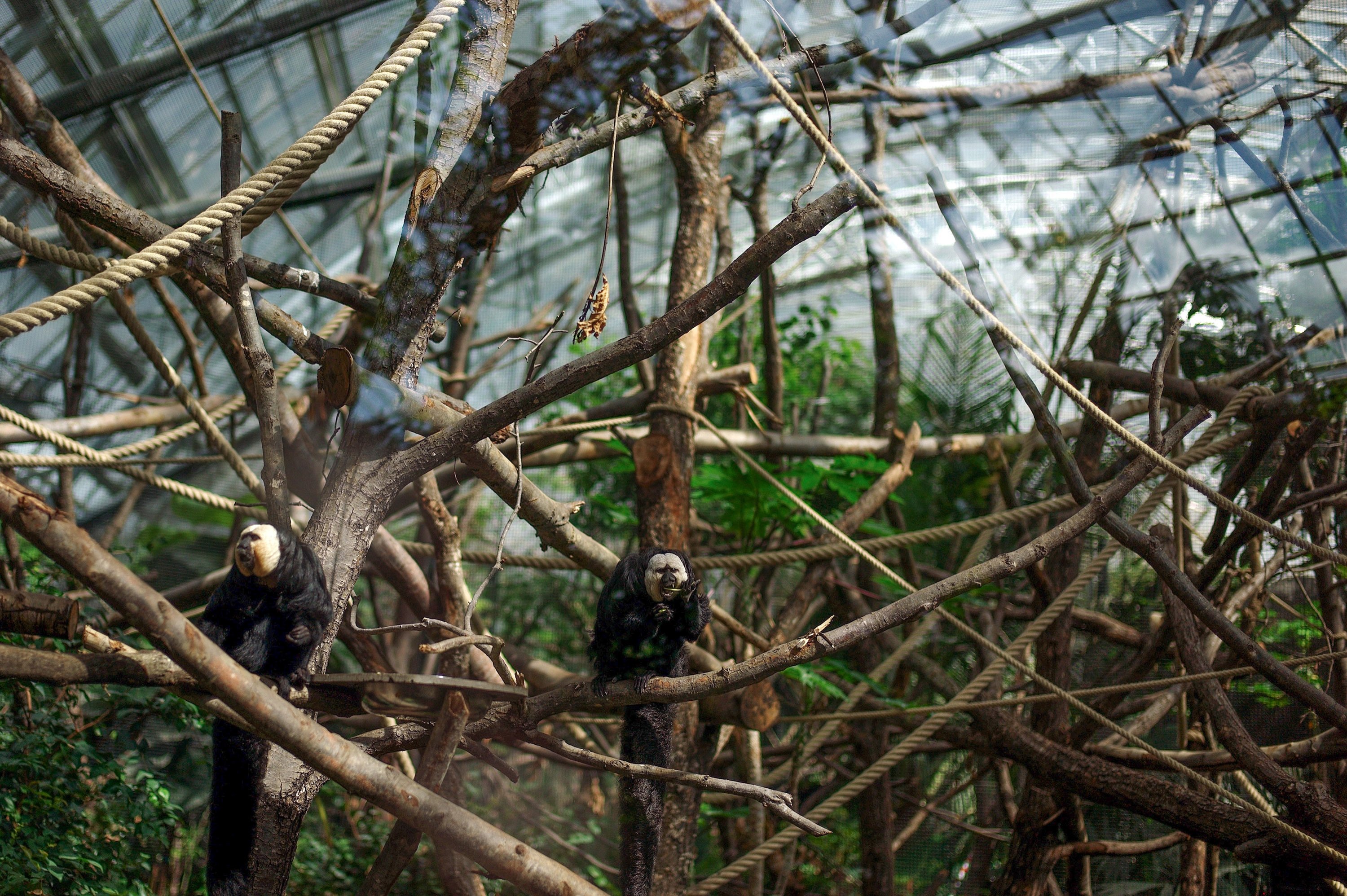
White-faced saki monkeys eat in their enclosure, at the Vincennes Zoo, in Paris, April 8, 2014. (AP Photo)
by French Press Agency - AFP Nov 06, 2020 7:08 pm

They may be naturally suited to swinging in rainforests, but monkeys in a Finnish zoo have demonstrated a "significant" preference for traffic sounds instead of the noises of the jungle, researchers have found.

As part of an experiment to see how technology could improve the well-being of captive animals, researchers installed a tunnel fitted with sensors in the enclosure of the white-faced saki monkeys at Helsinki's Korkeasaari Zoo, giving the primates the chance to choose to listen to the sounds of rain, traffic, zen music or dance music.

"We thought they would enjoy more calming sounds, such as zen music, but actually they triggered the traffic sounds more," Ilyena Hirskyj-Douglas, a researcher at Finland's Aalto University, told Agence France-Presse (AFP).

The soundtrack of vehicles rumbling past proved overwhelmingly the most popular choice for the animals, who sometimes slept or groomed themselves and each other inside the sound tunnel – something they did not do for any of the other sounds, Hirskyj-Douglas said.

The zoo's research coordinator, Kirsi Pynnonen, said she believes the road sounds in fact mimic some of the monkeys' natural means of communication.

"In the wild, these monkeys use high-pitched hissing, squeaking and croaking to stay in contact," she said, noises which the animals may hear within the traffic noises.

Sound experiments have been performed on animals in captivity before now, but the scientists say this was the first attempt to try and give the creatures full control over what they want to listen to.

In the future, it could enable zoos to provide animals with extra stimuli in their enclosures.

"Animals could, for instance, control their lighting, heat or the temperature," or even play games, Hirskyj-Douglas said.

"The technology is very much open and we're just starting to bridge into this area," she said.

Other zoos around Europe have shown interest in the research findings, Pynnonen said, and the team will look next at installing screens inside the tunnel for the monkeys to watch if they choose.

White-faced saki monkeys are mid-sized primates native to the northern countries of South America, where they are "relatively numerous" but threatened by the destruction of the rainforest, Pynnonen said.

"Despite what many people think, they don't eat bananas at all, but seeds, insects and some fruits," she added.


  • shortlink copied
  • Last Update: Nov 08, 2020 9:34 am
    KEYWORDS
    animal archives zoo monkeys finland science explained
    The Daily Sabah Newsletter
    Keep up to date with what’s happening in Turkey, it’s region and the world.
    You can unsubscribe at any time. By signing up you are agreeing to our Terms of Use and Privacy Policy. This site is protected by reCAPTCHA and the Google Privacy Policy and Terms of Service apply.
    No Image
    Türkiye quakes: Before and after photos capture devastation
    PHOTOGALLERY
    • POLITICS
    • Diplomacy
    • Legislation
    • War On Terror
    • EU Affairs
    • News Analysis
    • TÜRKİYE
    • Istanbul
    • Education
    • Investigations
    • Minorities
    • Diaspora
    • World
    • Mid-East
    • Europe
    • Americas
    • Asia Pacific
    • Africa
    • Syrian Crisis
    • İslamophobia
    • Business
    • Automotive
    • Economy
    • Energy
    • Finance
    • Tourism
    • Tech
    • Defense
    • Transportation
    • News Analysis
    • Lifestyle
    • Health
    • Environment
    • Travel
    • Food
    • Fashion
    • Science
    • Religion
    • History
    • Feature
    • Expat Corner
    • Arts
    • Cinema
    • Music
    • Events
    • Portrait
    • Performing Arts
    • Reviews
    • Sports
    • Football
    • Basketball
    • Motorsports
    • Tennis
    • Opinion
    • Columns
    • Op-Ed
    • Reader's Corner
    • Editorial
    • Photo gallery
    • DS TV
    • Jobs
    • privacy
    • about us
    • contact us
    • RSS
    © Turkuvaz Haberleşme ve Yayıncılık 2021