Daily Sabah logo

Politics
Diplomacy Legislation War On Terror EU Affairs Elections News Analysis
TÜRKİYE
Istanbul Education Investigations Minorities Expat Corner Diaspora
World
Mid-East Europe Americas Asia Pacific Africa Syrian Crisis Islamophobia
Business
Automotive Economy Energy Finance Tourism Tech Defense Transportation News Analysis
Lifestyle
Health Environment Travel Food Fashion Science Religion History Feature Expat Corner
Arts
Cinema Music Events Portrait Reviews Performing Arts
Sports
Football Basketball Motorsports Tennis
Opinion
Columns Op-Ed Reader's Corner Editorial
PHOTO GALLERY
JOBS ABOUT US RSS PRIVACY CONTACT US
© Turkuvaz Haberleşme ve Yayıncılık 2026

Daily Sabah - Latest & Breaking News from Turkey | Istanbul

  • Politics
    • Diplomacy
    • Legislation
    • War On Terror
    • EU Affairs
    • Elections
    • News Analysis
  • TÜRKİYE
    • Istanbul
    • Education
    • Investigations
    • Minorities
    • Expat Corner
    • Diaspora
  • World
    • Mid-East
    • Europe
    • Americas
    • Asia Pacific
    • Africa
    • Syrian Crisis
    • Islamophobia
  • Business
    • Automotive
    • Economy
    • Energy
    • Finance
    • Tourism
    • Tech
    • Defense
    • Transportation
    • News Analysis
  • Lifestyle
    • Health
    • Environment
    • Travel
    • Food
    • Fashion
    • Science
    • Religion
    • History
    • Feature
    • Expat Corner
  • Arts
    • Cinema
    • Music
    • Events
    • Portrait
    • Reviews
    • Performing Arts
  • Sports
    • Football
    • Basketball
    • Motorsports
    • Tennis
  • Gallery
  • Opinion
    • Columns
    • Op-Ed
    • Reader's Corner
    • Editorial
  • TV
  • Life
  • Health
  • Environment
  • Travel
  • Food
  • Fashion
  • Science
  • Religion
  • History
  • Feature
  • Expat Corner

Fiery finale for NASA's Swift telescope after 2 decades in space

by Reuters

LOS ANGELES Nov 05, 2026 - 12:36 pm GMT+3
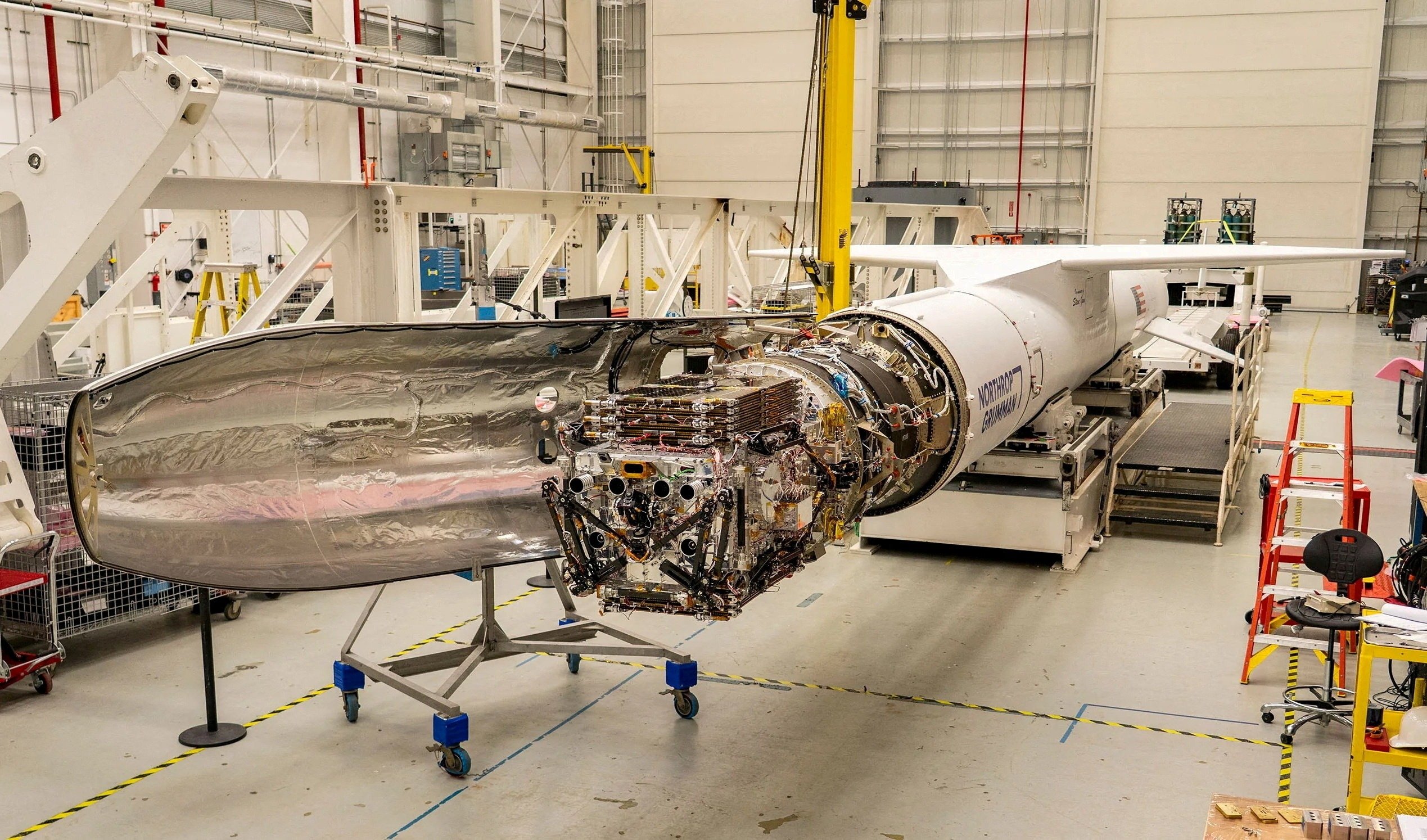
The special rescue spacecraft LINK, which flew on a failed mission designed to extend the life of NASA's Neil Gehrels Swift Observatory, Virginia, U.S., June 8, 2026. (Reuters Photo)
by Reuters Nov 05, 2026 12:36 pm

NASA's Swift ​satellite telescope, which spent two decades studying the most powerful known blasts of energy in the cosmos, tumbled out of orbit as ⁠expected on Wednesday and burned up in Earth's ⁠atmosphere over Indonesia, the space agency reported.

The fiery demise of the Neil Gehrels Swift Observatory, weighing roughly 3,200 pounds (1,452 kilograms), came less than three months after a rescue ​spacecraft failed its mission to boost the satellite to higher ​orbit ⁠and extend its life.

The U.S. Space Force confirmed that Swift's reentry occurred at 7:39 a.m. EST (12:39 p.m. GMT), as the satellite streaked into the upper atmosphere at about 22 times the speed of sound over Indonesia's North Sumatra province, roughly 200 miles (322 kilometers) north of the equator, according to NASA.

NASA said it expected the frictional heat of re-entry would incinerate most of the satellite well above Earth's surface, with some fragments surviving the plunge, though the U.S. space agency reported no damage or injuries on the ground from falling debris.

It was not immediately clear how close the telescope's re-entry point was to North Sumatra's capital and largest city, Medan, home ⁠to ⁠about 2.5 million people. The population of the province as a whole totals around 16 million.

The Space Force had earlier calculated the risk posed to populated areas as very low, putting the odds of harm coming to anyone on Earth at one chance in 2,100.

Dean Sladen, an aerospace engineer for Britain-based industrial parts supplier Accu Components, said prior to re-entry that only a "handful of small, scorched fragments are expected to make it down, nothing recognizable as a telescope."

"Satellites this size re-enter the atmosphere regularly, and in nearly 70 years ⁠of spaceflight no one has ever been killed by falling debris," Sladen said in an email.

The risk of a reentry accident grows over the longer term, "which is why designing satellites to come down safely matters more ​and more," he added.

NASA's prized $500 million Swift satellite was primarily designed to study gamma-ray bursts – the ​most intense blasts of energy in the universe – using its multi-wavelength array of three telescopes.

Since its launch in 2004, Swift had also studied hundreds of supernova explosions, star-shredding ⁠black holes, ‌stellar X-ray flares, ‌asteroids and comets, contributing to some 7,000 published scientific papers. It ⁠ceased operations on Oct. 20.

The observatory, which lacked ‌its own propulsion system, had long outlasted its two-year design life and had been drifting toward orbital instability for months.

In ​July, NASA and Arizona-based startup Katalyst ⁠launched a specially built rescue vehicle called LINK on a mission ⁠to rendezvous with Swift, latch onto the satellite and tug it into a higher, more sustainable ⁠orbit.

But the LINK ​spacecraft itself began spinning uncontrollably soon after reaching space, and by mid-August, mission managers abandoned the effort, resigned to letting Swift fall back to Earth.


  • shortlink copied
  • Last Update: Nov 05, 2026 3:36 pm
    KEYWORDS
    nasa swift ​satellite telescope space mission
    The Daily Sabah Newsletter
    Keep up to date with what’s happening in Turkey, it’s region and the world.
    You can unsubscribe at any time. By signing up you are agreeing to our Terms of Use and Privacy Policy. This site is protected by reCAPTCHA and the Google Privacy Policy and Terms of Service apply.
    Sultan Marshes National Park, Kayseri province, central Tukrey.
    20 gorgeous, must-see national parks in Turkey
    PHOTOGALLERY
    • POLITICS
    • Diplomacy
    • Legislation
    • War On Terror
    • EU Affairs
    • News Analysis
    • TÜRKİYE
    • Istanbul
    • Education
    • Investigations
    • Minorities
    • Diaspora
    • World
    • Mid-East
    • Europe
    • Americas
    • Asia Pacific
    • Africa
    • Syrian Crisis
    • İslamophobia
    • Business
    • Automotive
    • Economy
    • Energy
    • Finance
    • Tourism
    • Tech
    • Defense
    • Transportation
    • News Analysis
    • Lifestyle
    • Health
    • Environment
    • Travel
    • Food
    • Fashion
    • Science
    • Religion
    • History
    • Feature
    • Expat Corner
    • Arts
    • Cinema
    • Music
    • Events
    • Portrait
    • Performing Arts
    • Reviews
    • Sports
    • Football
    • Basketball
    • Motorsports
    • Tennis
    • Opinion
    • Columns
    • Op-Ed
    • Reader's Corner
    • Editorial
    • Photo gallery
    • DS TV
    • Jobs
    • privacy
    • about us
    • contact us
    • RSS
    © Turkuvaz Haberleşme ve Yayıncılık 2021