Daily Sabah logo

Politics
Diplomacy Legislation War On Terror EU Affairs Elections News Analysis
TÜRKİYE
Istanbul Education Investigations Minorities Expat Corner Diaspora
World
Mid-East Europe Americas Asia Pacific Africa Syrian Crisis Islamophobia
Business
Automotive Economy Energy Finance Tourism Tech Defense Transportation News Analysis
Lifestyle
Health Environment Travel Food Fashion Science Religion History Feature Expat Corner
Arts
Cinema Music Events Portrait Reviews Performing Arts
Sports
Football Basketball Motorsports Tennis
Opinion
Columns Op-Ed Reader's Corner Editorial
PHOTO GALLERY
JOBS ABOUT US RSS PRIVACY CONTACT US
© Turkuvaz Haberleşme ve Yayıncılık 2026

Daily Sabah - Latest & Breaking News from Turkey | Istanbul

  • Politics
    • Diplomacy
    • Legislation
    • War On Terror
    • EU Affairs
    • Elections
    • News Analysis
  • TÜRKİYE
    • Istanbul
    • Education
    • Investigations
    • Minorities
    • Expat Corner
    • Diaspora
  • World
    • Mid-East
    • Europe
    • Americas
    • Asia Pacific
    • Africa
    • Syrian Crisis
    • Islamophobia
  • Business
    • Automotive
    • Economy
    • Energy
    • Finance
    • Tourism
    • Tech
    • Defense
    • Transportation
    • News Analysis
  • Lifestyle
    • Health
    • Environment
    • Travel
    • Food
    • Fashion
    • Science
    • Religion
    • History
    • Feature
    • Expat Corner
  • Arts
    • Cinema
    • Music
    • Events
    • Portrait
    • Reviews
    • Performing Arts
  • Sports
    • Football
    • Basketball
    • Motorsports
    • Tennis
  • Gallery
  • Opinion
    • Columns
    • Op-Ed
    • Reader's Corner
    • Editorial
  • TV
  • Life
  • Health
  • Environment
  • Travel
  • Food
  • Fashion
  • Science
  • Religion
  • History
  • Feature
  • Expat Corner

Look up: Orionid meteor shower peaks this week

by Associated Press

NEW YORK Oct 21, 2026 - 10:07 am GMT+3
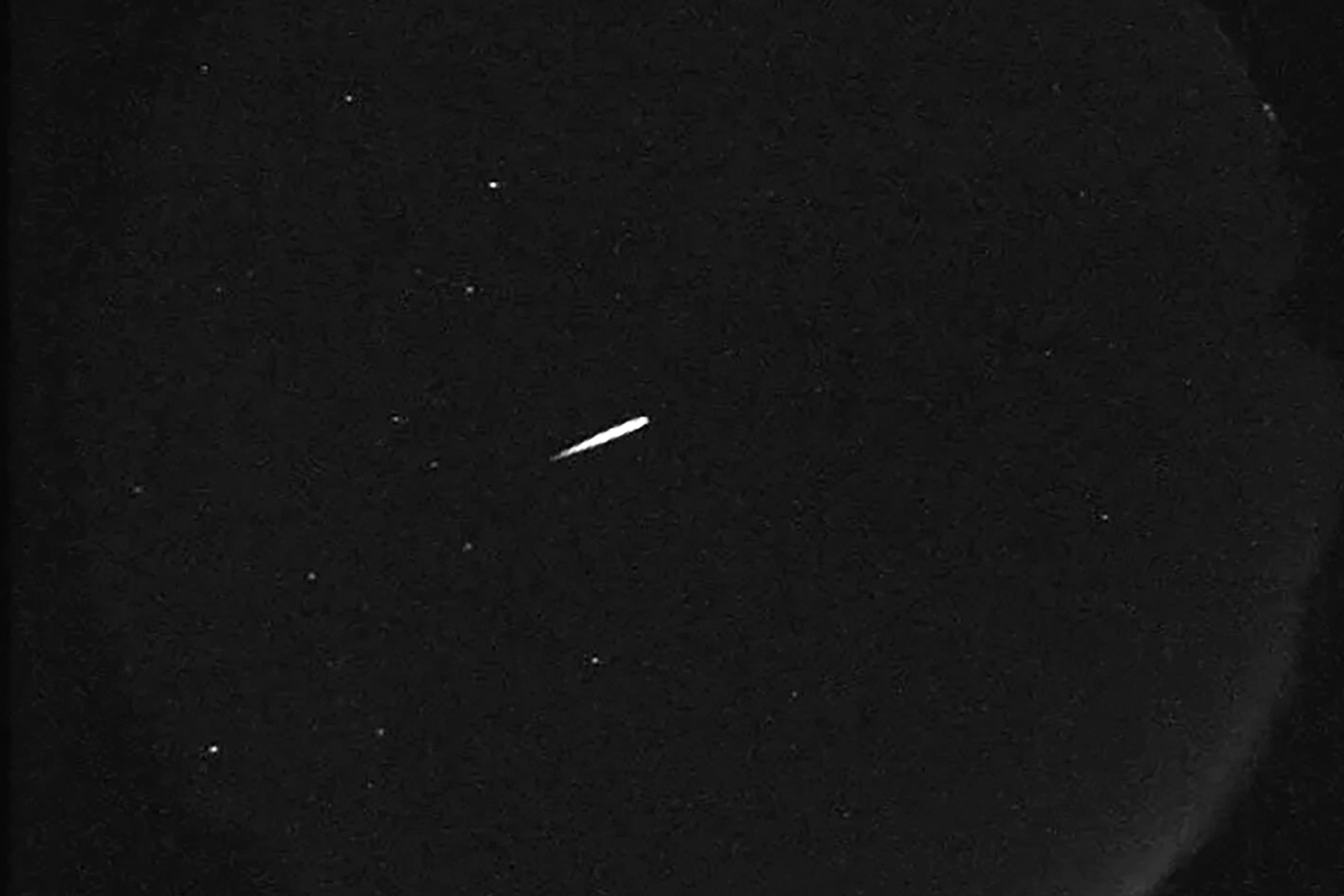
A meteor from the Orionid shower, Oct. 13, 2015. (NASA via AP Photo)
by Associated Press Oct 21, 2026 10:07 am

The Orionids – one of two major meteor showers caused by remnants from Halley’s comet – will peak this week, though a large moon will dim visibility until after it sets late at night.

During the peak Wednesday night into Thursday morning, it will be possible to see up to 20 meteors per hour in ideal viewing conditions, according to the American Meteor Society. Meteors are still visible for a few weeks before and after the peak.

The Orionids are viewable in the northern and southern hemispheres after midnight. While they get their name from the Orion constellation, they are visible across the night sky, according to NASA.

Orionids can be especially bright and fast, and can leave glowing trains that can last for several seconds. Here’s what to know about the Orionids and other meteor showers.

As the Earth orbits the sun, several times a year it passes through debris left by passing comets and the occasional asteroid. The source of the Orionids is debris from Halley’s comet, which passes near Earth every 75 years.

When these fast-moving space rocks enter Earth’s atmosphere, the debris encounters new resistance from the air and becomes very hot, eventually burning up.

Sometimes the surrounding air glows briefly, leaving behind a fiery tail – the end of a "shooting star.”

You don’t need special equipment to see the meteor showers that flash across the sky annually, but it will help to find a spot far enough from city lights and other light pollution.

The best time to watch a meteor shower is typically after midnight, or in the early predawn hours, when there's usually less interference from moonlight.

Competing sources of light – such as a bright moon or artificial glow from lights on the ground – are the main obstacles to a clear view of meteors. Cloudless nights when the moon wanes smallest provide optimal viewing opportunities.

Be patient: It can take several minutes for your eyes to adjust to the dark.

The next major meteor shower, the Southern Taurids, is expected to peak Nov. 5, when there will be just a crescent moon, making for favorable viewing conditions.


  • shortlink copied
  • Last Update: Oct 21, 2026 12:56 pm
    KEYWORDS
    orionids meteor shower halleys comet nasa
    The Daily Sabah Newsletter
    Keep up to date with what’s happening in Turkey, it’s region and the world.
    You can unsubscribe at any time. By signing up you are agreeing to our Terms of Use and Privacy Policy. This site is protected by reCAPTCHA and the Google Privacy Policy and Terms of Service apply.
    No Image
    Fall vibes in 'Cappadocia' of Turkey's Konya
    PHOTOGALLERY
    • POLITICS
    • Diplomacy
    • Legislation
    • War On Terror
    • EU Affairs
    • News Analysis
    • TÜRKİYE
    • Istanbul
    • Education
    • Investigations
    • Minorities
    • Diaspora
    • World
    • Mid-East
    • Europe
    • Americas
    • Asia Pacific
    • Africa
    • Syrian Crisis
    • İslamophobia
    • Business
    • Automotive
    • Economy
    • Energy
    • Finance
    • Tourism
    • Tech
    • Defense
    • Transportation
    • News Analysis
    • Lifestyle
    • Health
    • Environment
    • Travel
    • Food
    • Fashion
    • Science
    • Religion
    • History
    • Feature
    • Expat Corner
    • Arts
    • Cinema
    • Music
    • Events
    • Portrait
    • Performing Arts
    • Reviews
    • Sports
    • Football
    • Basketball
    • Motorsports
    • Tennis
    • Opinion
    • Columns
    • Op-Ed
    • Reader's Corner
    • Editorial
    • Photo gallery
    • DS TV
    • Jobs
    • privacy
    • about us
    • contact us
    • RSS
    © Turkuvaz Haberleşme ve Yayıncılık 2021