

Daily Sabah logo

Politics
Diplomacy Legislation War On Terror EU Affairs Elections News Analysis
TÜRKİYE
Istanbul Education Investigations Minorities Expat Corner Diaspora
World
Mid-East Europe Americas Asia Pacific Africa Syrian Crisis Islamophobia
Business
Automotive Economy Energy Finance Tourism Tech Defense Transportation News Analysis
Lifestyle
Health Environment Travel Food Fashion Science Religion History Feature Expat Corner
Arts
Cinema Music Events Portrait Reviews Performing Arts
Sports
Football Basketball Motorsports Tennis
Opinion
Columns Op-Ed Reader's Corner Editorial
PHOTO GALLERY
JOBS ABOUT US RSS PRIVACY CONTACT US
© Turkuvaz Haberleşme ve Yayıncılık 2025

Daily Sabah - Latest & Breaking News from Turkey | Istanbul

  • Politics
    • Diplomacy
    • Legislation
    • War On Terror
    • EU Affairs
    • Elections
    • News Analysis
  • TÜRKİYE
    • Istanbul
    • Education
    • Investigations
    • Minorities
    • Expat Corner
    • Diaspora
  • World
    • Mid-East
    • Europe
    • Americas
    • Asia Pacific
    • Africa
    • Syrian Crisis
    • Islamophobia
  • Business
    • Automotive
    • Economy
    • Energy
    • Finance
    • Tourism
    • Tech
    • Defense
    • Transportation
    • News Analysis
  • Lifestyle
    • Health
    • Environment
    • Travel
    • Food
    • Fashion
    • Science
    • Religion
    • History
    • Feature
    • Expat Corner
  • Arts
    • Cinema
    • Music
    • Events
    • Portrait
    • Reviews
    • Performing Arts
  • Sports
    • Football
    • Basketball
    • Motorsports
    • Tennis
  • Gallery
  • Opinion
    • Columns
    • Op-Ed
    • Reader's Corner
    • Editorial
  • TV
  • Life
  • Health
  • Environment
  • Travel
  • Food
  • Fashion
  • Science
  • Religion
  • History
  • Feature
  • Expat Corner

Protection against severe COVID-19 might be linked to DNA: Research

by Anadolu Agency

ISTANBUL Jan 21, 2022 - 1:00 pm GMT+3
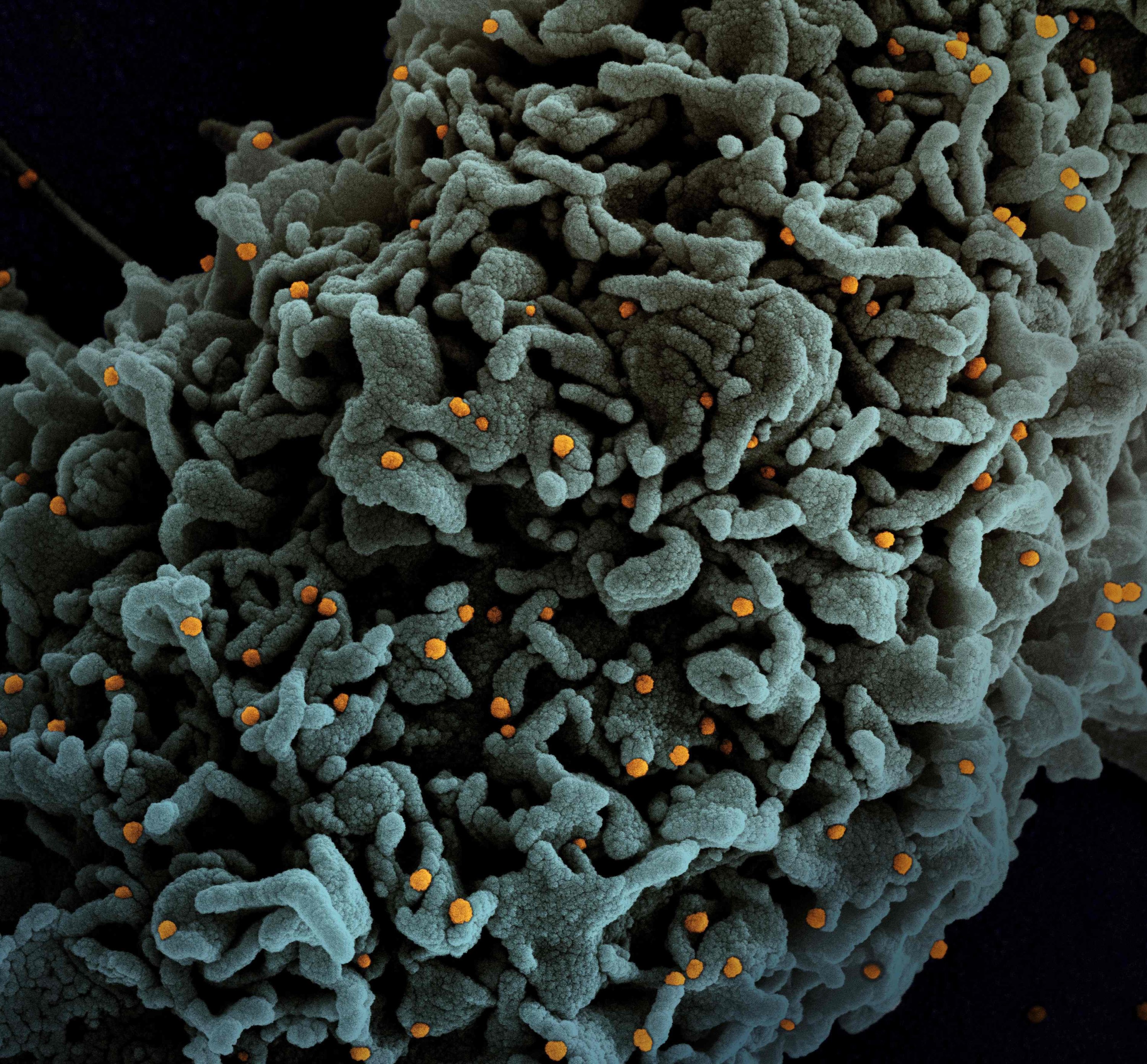
A colorized scanning electron micrograph of a cell (teal) infected with B.1.1.7 variant of COVID-19 virus particles (orange), isolated from a patient sample, March 31, 2021. (NIAID via AFP)
by Anadolu Agency Jan 21, 2022 1:00 pm

There might be more to being protected from COVID-19 than just vaccines and luck as DNA may be at play, according to an international team of researchers who have discovered a specific gene variant that protects against severe infections.

Researchers at the Karolinska Institutet in Sweden, the Lady Davis Institute of the Jewish General Hospital in Canada and the VA Boston Healthcare System in the United States, studied gene datasets collected from people of different ancestries, which they say "highlights the importance of conducting clinical trials that include people of diverse descents."

Published in the journal Nature Genetics, the study analyzed 2,787 hospitalized COVID-19 patients of African ancestry and 130,997 people in a control group from six cohort studies.

The study suggested nearly 80% of the individuals of African ancestry carried the protective variant and later compared it with a previous study of individuals of European heritage.

"The fact that individuals of African descent had the same protection allowed us to identify the unique variant in the DNA that actually protects from COVID-19 infection," said one of the VA Boston Healthcare System researchers, Jennifer Huffman, who is also the first author of the study.

The protective gene variant – aptly called rs10774671-G – determines the length of the protein encoded by the gene OAS1, according to the researchers. Prior studies have shown that the longer variant of the protein is more effective against severe COVID-19.

"This study shows how important it is to include individuals of different ancestries. If we had only studied one group, we would not have been successful in identifying the gene variant in this case,” said Hugo Zeberg, one of the authors of the study and an assistant professor at the Department of Neuroscience at Karolinska Institutet.

According to the senior researcher and geneticist Brent Richards from McGill University in Canada, this study is "key to developing new drugs against COVID-19."

  • shortlink copied
  • KEYWORDS
    covid-19 pandemic genes gene research genetics severe covid-19
    The Daily Sabah Newsletter
    Keep up to date with what’s happening in Turkey, it’s region and the world.
    You can unsubscribe at any time. By signing up you are agreeing to our Terms of Use and Privacy Policy. This site is protected by reCAPTCHA and the Google Privacy Policy and Terms of Service apply.
    No Image
    Türkiye's colorful local elections: Voters in regional dress, costumes
    PHOTOGALLERY
    • POLITICS
    • Diplomacy
    • Legislation
    • War On Terror
    • EU Affairs
    • News Analysis
    • TÜRKİYE
    • Istanbul
    • Education
    • Investigations
    • Minorities
    • Diaspora
    • World
    • Mid-East
    • Europe
    • Americas
    • Asia Pacific
    • Africa
    • Syrian Crisis
    • İslamophobia
    • Business
    • Automotive
    • Economy
    • Energy
    • Finance
    • Tourism
    • Tech
    • Defense
    • Transportation
    • News Analysis
    • Lifestyle
    • Health
    • Environment
    • Travel
    • Food
    • Fashion
    • Science
    • Religion
    • History
    • Feature
    • Expat Corner
    • Arts
    • Cinema
    • Music
    • Events
    • Portrait
    • Performing Arts
    • Reviews
    • Sports
    • Football
    • Basketball
    • Motorsports
    • Tennis
    • Opinion
    • Columns
    • Op-Ed
    • Reader's Corner
    • Editorial
    • Photo gallery
    • DS TV
    • Jobs
    • privacy
    • about us
    • contact us
    • RSS
    © Turkuvaz Haberleşme ve Yayıncılık 2021