Daily Sabah logo

Politics
Diplomacy Legislation War On Terror EU Affairs Elections News Analysis
TÜRKİYE
Istanbul Education Investigations Minorities Expat Corner Diaspora
World
Mid-East Europe Americas Asia Pacific Africa Syrian Crisis Islamophobia
Business
Automotive Economy Energy Finance Tourism Tech Defense Transportation News Analysis
Lifestyle
Health Environment Travel Food Fashion Science Religion History Feature Expat Corner
Arts
Cinema Music Events Portrait Reviews Performing Arts
Sports
Football Basketball Motorsports Tennis
Opinion
Columns Op-Ed Reader's Corner Editorial
PHOTO GALLERY
JOBS ABOUT US RSS PRIVACY CONTACT US
© Turkuvaz Haberleşme ve Yayıncılık 2025

Daily Sabah - Latest & Breaking News from Turkey | Istanbul

  • Politics
    • Diplomacy
    • Legislation
    • War On Terror
    • EU Affairs
    • Elections
    • News Analysis
  • TÜRKİYE
    • Istanbul
    • Education
    • Investigations
    • Minorities
    • Expat Corner
    • Diaspora
  • World
    • Mid-East
    • Europe
    • Americas
    • Asia Pacific
    • Africa
    • Syrian Crisis
    • Islamophobia
  • Business
    • Automotive
    • Economy
    • Energy
    • Finance
    • Tourism
    • Tech
    • Defense
    • Transportation
    • News Analysis
  • Lifestyle
    • Health
    • Environment
    • Travel
    • Food
    • Fashion
    • Science
    • Religion
    • History
    • Feature
    • Expat Corner
  • Arts
    • Cinema
    • Music
    • Events
    • Portrait
    • Reviews
    • Performing Arts
  • Sports
    • Football
    • Basketball
    • Motorsports
    • Tennis
  • Gallery
  • Opinion
    • Columns
    • Op-Ed
    • Reader's Corner
    • Editorial
  • TV
  • Life
  • Health
  • Environment
  • Travel
  • Food
  • Fashion
  • Science
  • Religion
  • History
  • Feature
  • Expat Corner

Russian lab knocks ISS off course due to software failure: Roscosmos

by Associated Press

MOSCOW Jul 31, 2021 - 12:04 am GMT+3
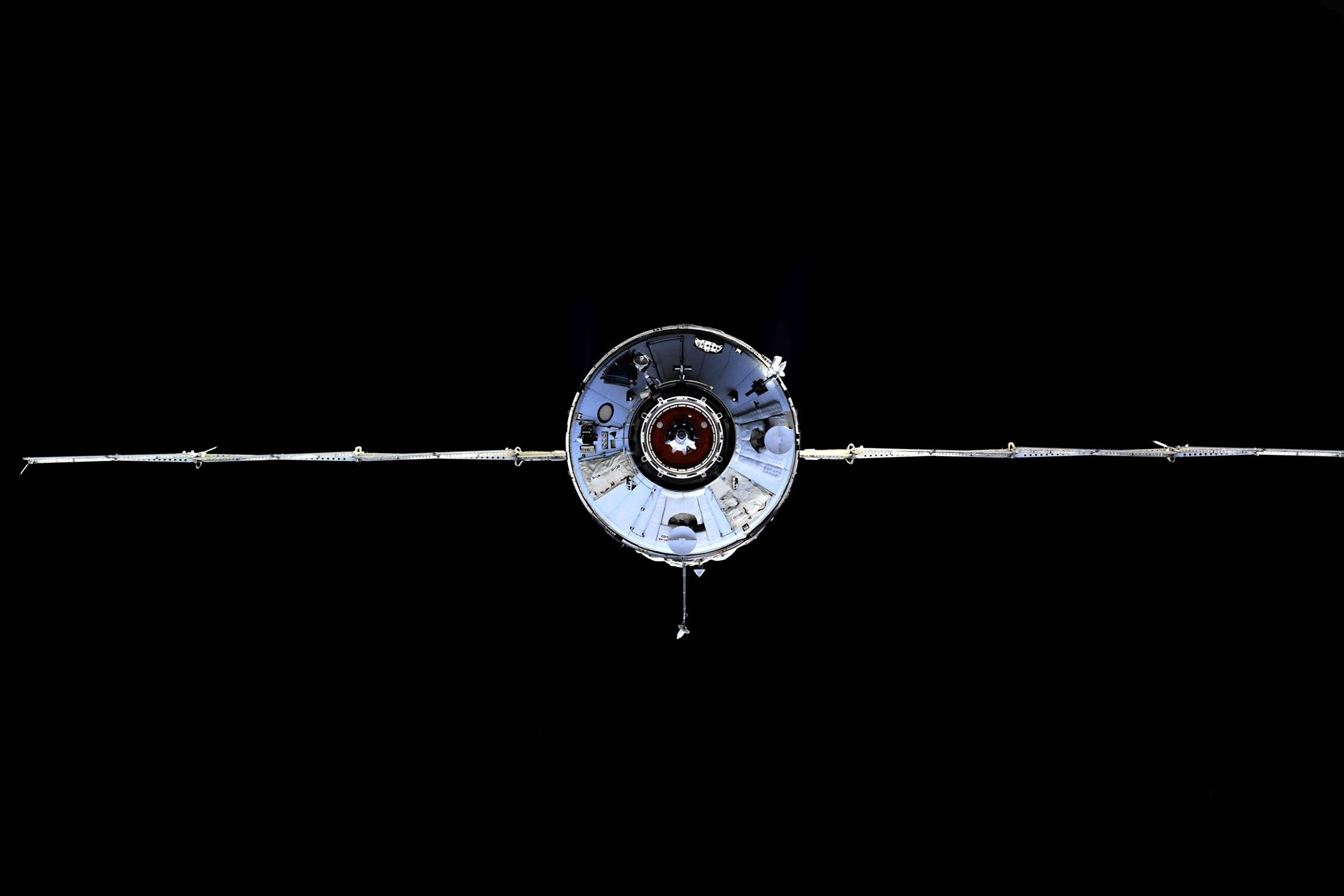
The Nauka module is seen prior to docking with the International Space Station, July 29, 2021. (Roscosmos Space Agency via AP)
by Associated Press Jul 31, 2021 12:04 am

The International Space Station (ISS) was briefly knocked out of position and control late Thursday when a newly docked science lab accidentally fired its jet thrusters a few hours after it docked to the station. It was all caused by a software failure, according to a Russian space official.

The space station lost control of its orientation for 47 minutes on Thursday, when Russia's Nauka science lab accidentally fired its thrusters a few hours after docking, pushing the orbiting complex from its normal configuration.

The station's position is key for getting power from solar panels and for communications with space support teams back on Earth. The space station's communications with ground controllers also blipped out twice for a few minutes on Thursday.
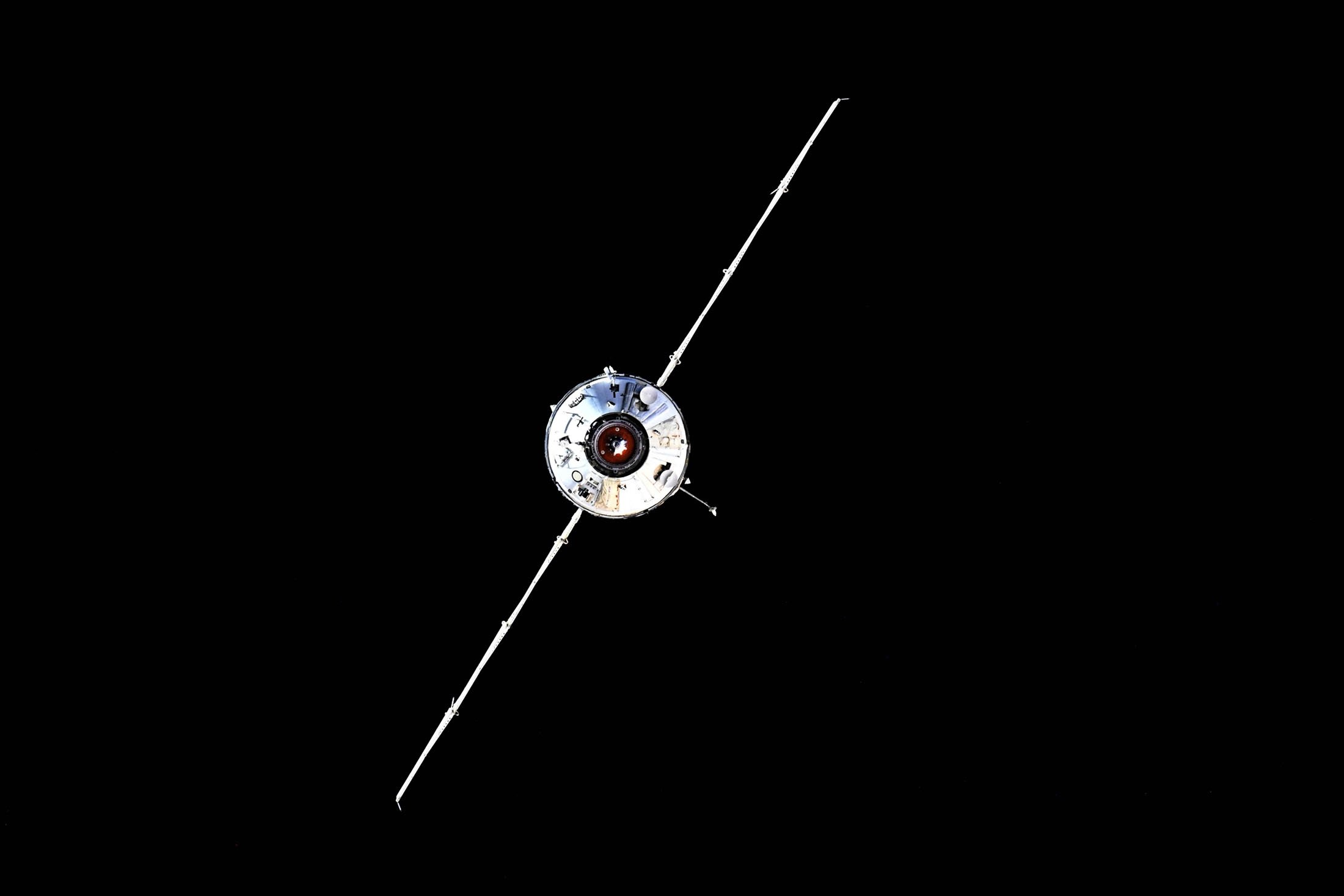
The Nauka module is seen prior to docking with the International Space Station, July 29, 2021. (Roscosmos Space Agency via AP)

Vladimir Solovyov, flight director of the space station's Russian segment, blamed the incident on a "short-term software failure." In a statement released Friday by the Russian space agency Roscosmos, Solovyov said because of the failure, a direct command to turn on the lab's engines was mistakenly implemented.

He added the incident was "quickly countered by the propulsion system" of another Russian component at the station and "at the moment, the station is in its normal orientation" and all its systems "are operating normally."

Roscosmos director Dmitry Rogozin later Friday suggested that "human factor" may have been at play.

"There was such euphoria (after Nauka successfully docked with the space station), people relaxed to some extent," Rogozin said in a radio interview. "Perhaps one of the operators didn't take into account that the control system of the block will continue to adjust itself in space. And it determined a moment three hours after (the docking) and turned on the engines."
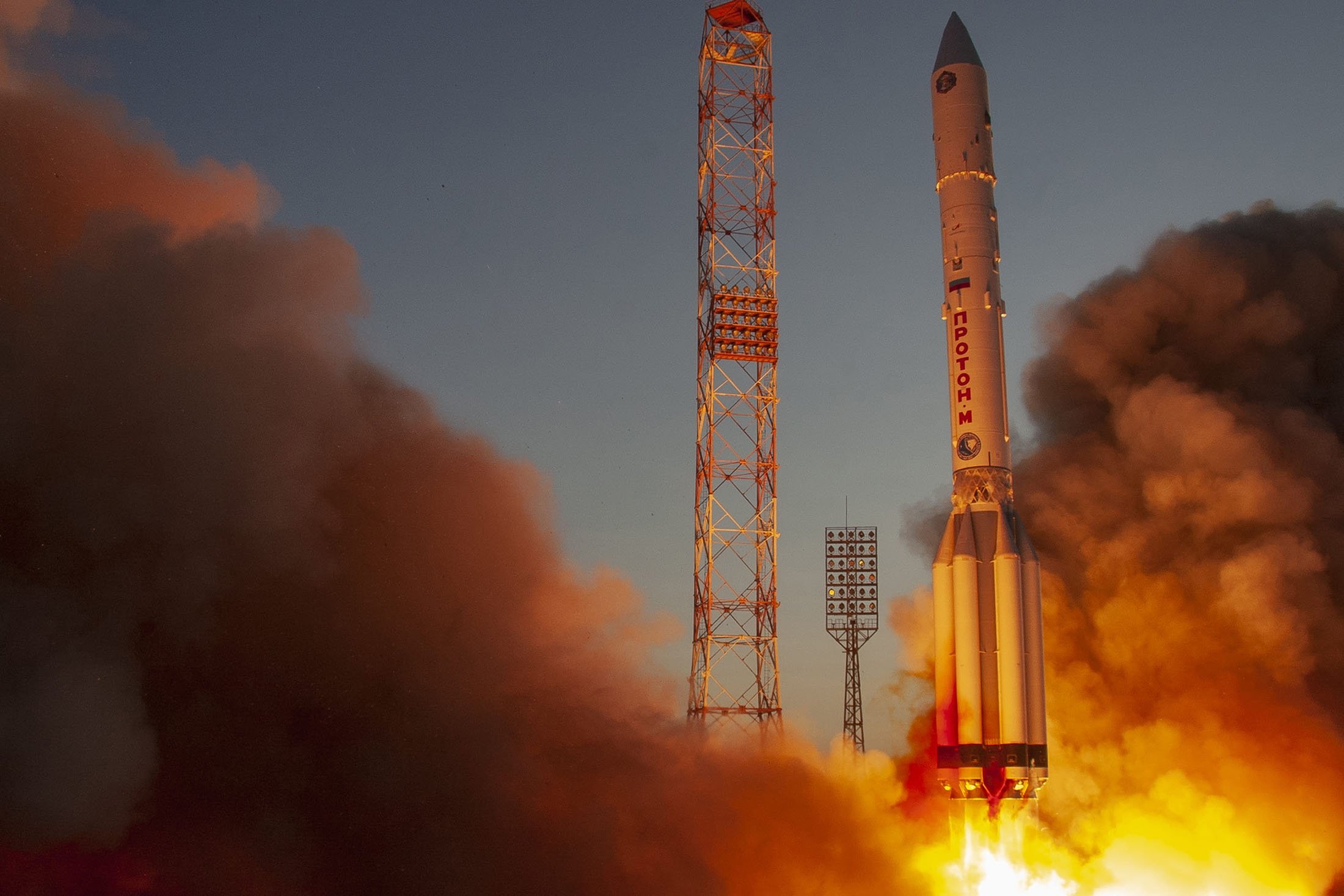
A Proton-M booster rocket carrying the Nauka module blasts off from the launch pad at Russia's space facility in Baikonur, Kazakhstan, July 21, 2021. (Roscosmos Space Agency via AP)

NASA said Thursday that the incident moved the station 45 degrees out of attitude, about one-eighth of a complete circle, but the complex was never spinning, there was no immediate damage or danger to the crew.

The incident caused NASA to postpone a repeat test flight for Boeing's crew capsule that had been set for Friday afternoon from Florida. It will be Boeing's second attempt to reach the 400-kilometer-high (250-mile-high) station before putting astronauts on board. Software problems botched the first test.
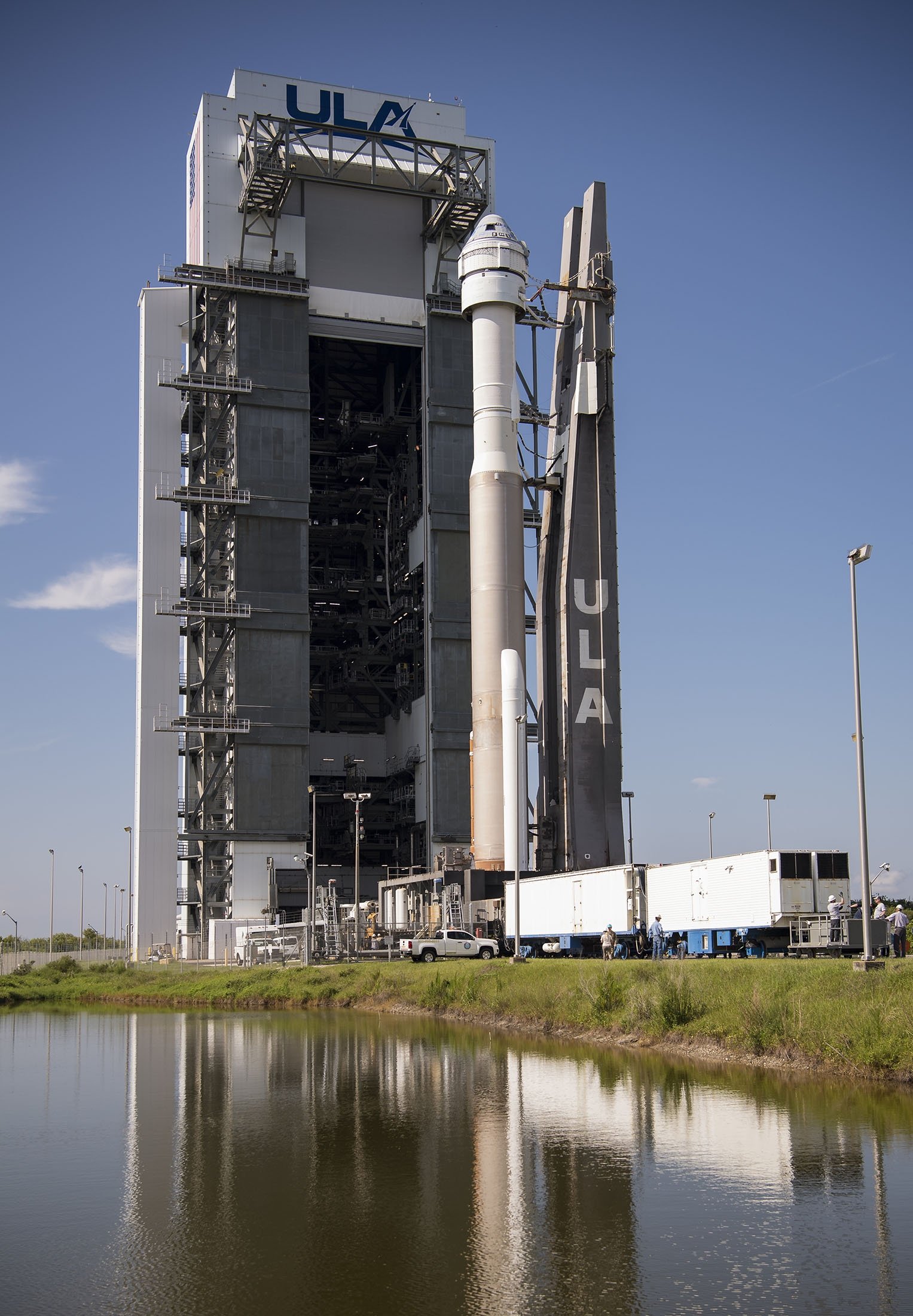
A United Launch Alliance Atlas V rocket with Boeing's CST-100 Starliner spacecraft onboard is rolled out of the Vertical Integration Facility to the launch pad at Space Launch Complex 41, at Cape Canaveral, in Florida, U.S., July 29, 2021. (NASA via AP)

Russia's long-delayed 20-metric-ton (22-ton) lab called Nauka arrived earlier Thursday, eight days after it launched from the Russian launch facility in Baikonur, Kazakhstan.

The launch of Nauka, which will provide more room for scientific experiments and space for the crew, had been repeatedly delayed because of technical problems. It was initially scheduled to go up in 2007.

In 2013, experts found contamination in its fuel system, resulting in a long and costly replacement. Other Nauka systems also underwent modernization or repairs.

Stretching 13 meters (43 feet) long, Nauka became the first new compartment for the Russian segment of the outpost since 2010. On Monday, one of the older Russian units, the Pirs spacewalking compartment, undocked from the station to free up room for the new lab.

Nauka will require many maneuvers, including up to 11 spacewalks beginning in early September, to prepare it for operation.
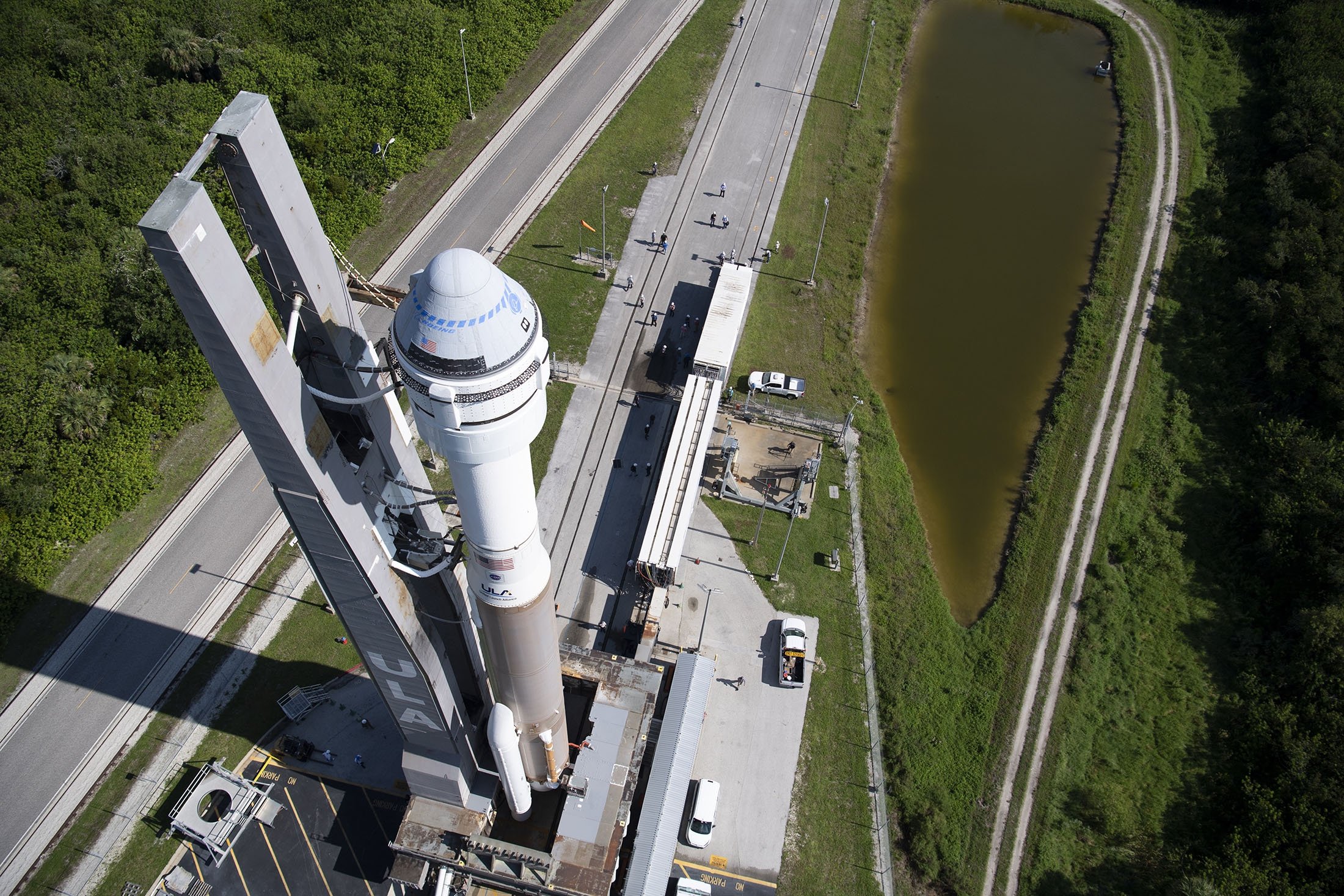
A United Launch Alliance Atlas V rocket with Boeing's CST-100 Starliner spacecraft onboard is rolled out of the Vertical Integration Facility to the launch pad at Space Launch Complex 41, at Cape Canaveral, in Florida, U.S., July 29, 2021. (NASA via AP)

According to Solovyov, on Friday the crew was busy equalizing the pressure in Nauka and planned to open the hatch to the lab later in the day.

The space station is currently operated by NASA astronauts Mark Vande Hei, Shane Kimbrough and Megan McArthur; Oleg Novitsky and Pyotr Dubrov of Russia's Roscosmos space corporation; Japan Aerospace Exploration Agency astronaut Akihiko Hoshide and European Space Agency astronaut Thomas Pesquet.

In 1998, Russia launched the station's first compartment, Zarya, which was followed in 2000 by another big piece, Zvezda, and three smaller modules in the following years. The last of them, Rassvet, arrived at the station in 2010.


  • shortlink copied
  • KEYWORDS
    science space nasa international space station space program orbit
    The Daily Sabah Newsletter
    Keep up to date with what’s happening in Turkey, it’s region and the world.
    You can unsubscribe at any time. By signing up you are agreeing to our Terms of Use and Privacy Policy. This site is protected by reCAPTCHA and the Google Privacy Policy and Terms of Service apply.
    No Image
    Makeshift camps, freezing cold: Migrants stuck at Poland-Belarus border
    PHOTOGALLERY
    • POLITICS
    • Diplomacy
    • Legislation
    • War On Terror
    • EU Affairs
    • News Analysis
    • TÜRKİYE
    • Istanbul
    • Education
    • Investigations
    • Minorities
    • Diaspora
    • World
    • Mid-East
    • Europe
    • Americas
    • Asia Pacific
    • Africa
    • Syrian Crisis
    • İslamophobia
    • Business
    • Automotive
    • Economy
    • Energy
    • Finance
    • Tourism
    • Tech
    • Defense
    • Transportation
    • News Analysis
    • Lifestyle
    • Health
    • Environment
    • Travel
    • Food
    • Fashion
    • Science
    • Religion
    • History
    • Feature
    • Expat Corner
    • Arts
    • Cinema
    • Music
    • Events
    • Portrait
    • Performing Arts
    • Reviews
    • Sports
    • Football
    • Basketball
    • Motorsports
    • Tennis
    • Opinion
    • Columns
    • Op-Ed
    • Reader's Corner
    • Editorial
    • Photo gallery
    • DS TV
    • Jobs
    • privacy
    • about us
    • contact us
    • RSS
    © Turkuvaz Haberleşme ve Yayıncılık 2021