As a journalist with a deep interest in cultures and civilizations around the world, and a long travel bucket list, I have to be honest: China wasn’t exactly at the top of my list of countries I wanted to visit.
I knew China through the dozens of dynasties whose names I struggled to distinguish in my college Chinese history class, its vast population and low-cost products, and its rise to global leadership through the economic and technological strides it has made in recent years. However, I hadn’t made any particular effort to learn more about the country beyond what my profession required.
As I shared with our readers last week, I traveled to China for two weeks to participate in a program organized by the Global Development Promotion Center (GDPC), under the China International Development Cooperation Agency (CIDCA). Looking back now, I’m amazed at how much my views have changed.
But before getting to the conclusions, I’d like to share some observations from the program that gave me the opportunity to get to know the country firsthand.
During the program, we underwent intensive training on a wide range of topics, from China’s social structure and the economic development strategies to poverty alleviation policies, urban and rural planning designed to coexist with the ecosystem, and the country’s latest technological initiatives.
In other words, the program sought to present China from its own perspective, as if telling participants from Global South countries: “You don’t know China well enough. Come and see for yourself.”
In addition to the program’s broader narrative on China, it also had a more specific focus. As the program’s title, “Seminar on the Chinese Local Development Practice of Xi Jinping Thought on Socialism with Chinese Characteristics for a New Era,” suggests, its primary objective was to introduce to us the development policies and practices that Xi Jinping pursued in the regions where he held various provincial-level leadership positions before becoming General Secretary of the Communist Party of China in 2012.
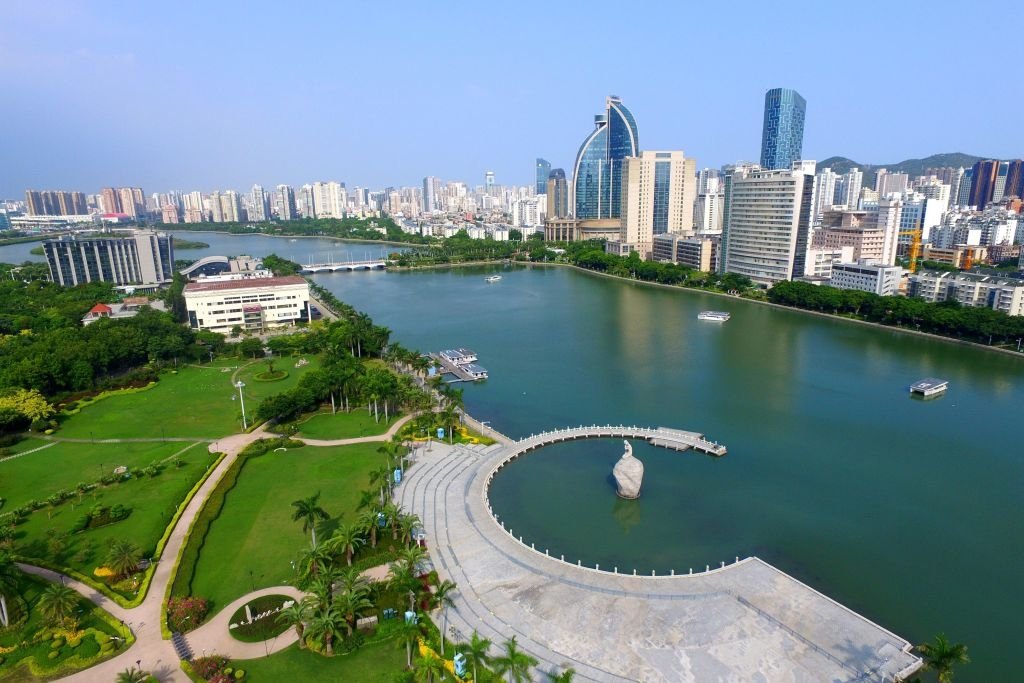
The program began in Xiamen, President Xi’s first posting in Fujian Province, where he held office from 1985 to 2002.
Located in the Taiwan Strait, Xiamen also featured prominently in our program as one of the four Special Economic Zones (SEZs) established by China in 1980 following the launch of the opening-up policy in 1978.
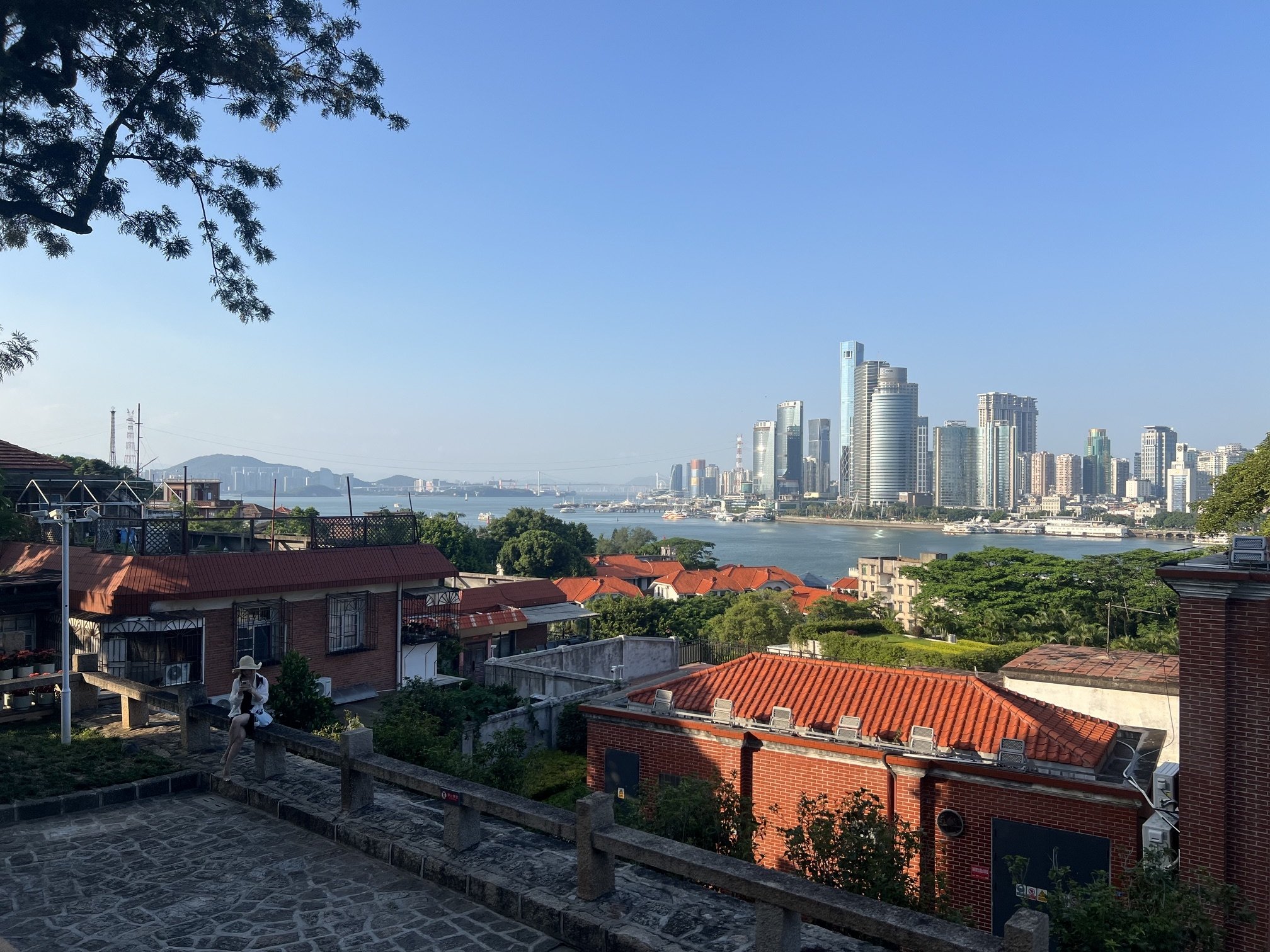
Situated on an island embraced by the mainland on one side and the sea on the other, the city of Xiamen left a lasting impression on me with its unique geography, lush vegetation enveloping it like ivy, and sweltering monsoon climate.
However, what stood out to me most in Xiamen was the urban transformation the city had undergone since 1988. We heard from experts how a small, impoverished settlement, once polluted by heavy industrial waste, had been rehabilitated and developed through sound municipal policies. The fact that Xiamen is now a globally recognized example of marine restoration and, moreover, has become China’s eighth and the world’s 13th largest container port, was one of China’s urban planning successes.
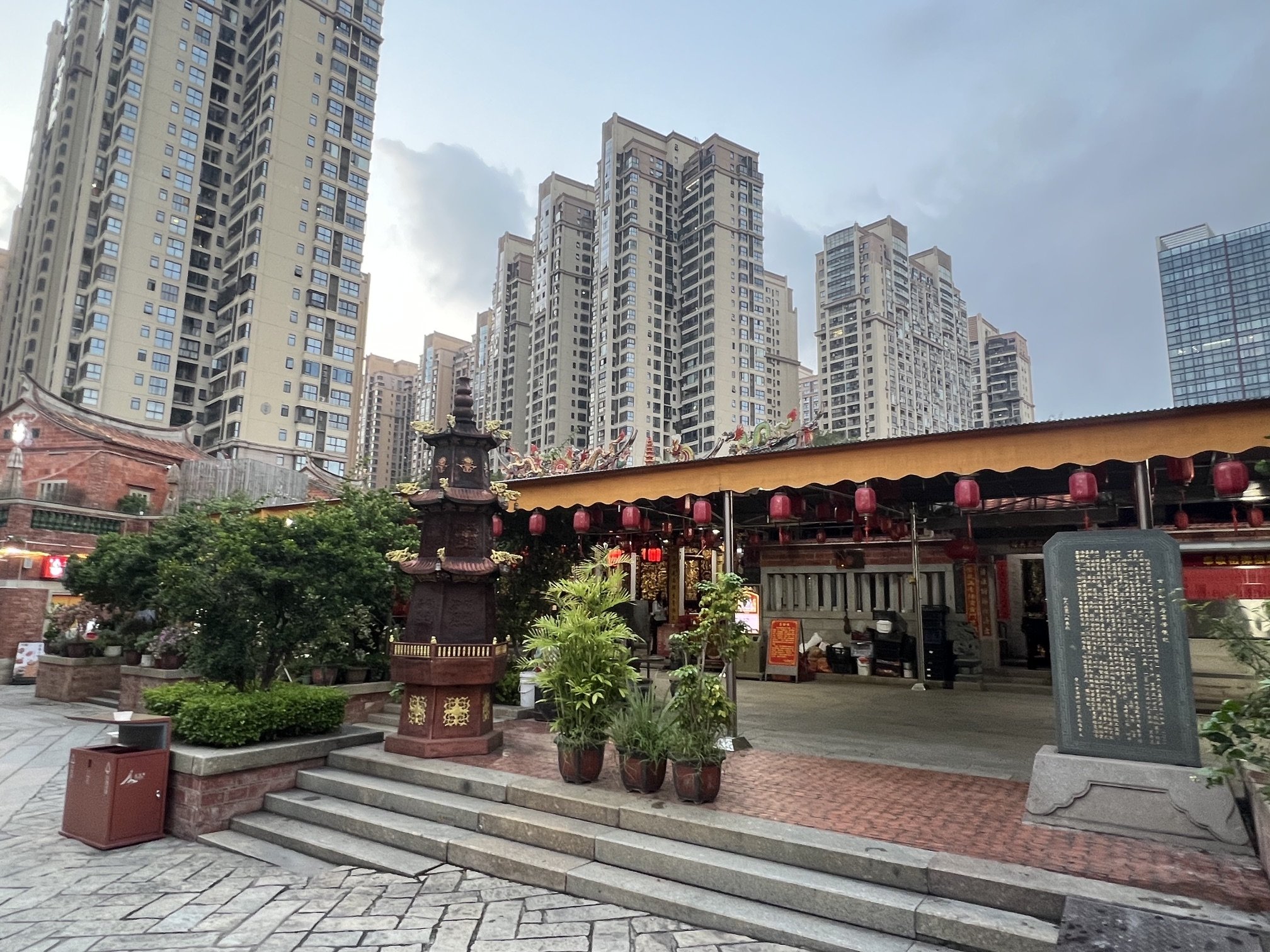
Our next stop, Jinjiang, however, showed me the other side of China’s urbanization strategy, in a somewhat bittersweet way.
Nestled among apartments that rose like skyscrapers, the historic city center “Wudianshi Traditional Blocks,” founded during the Tang Dynasty (7th-10th centuries), seemed like the last bastion of civilization and culture resisting cold and pragmatic modernity.
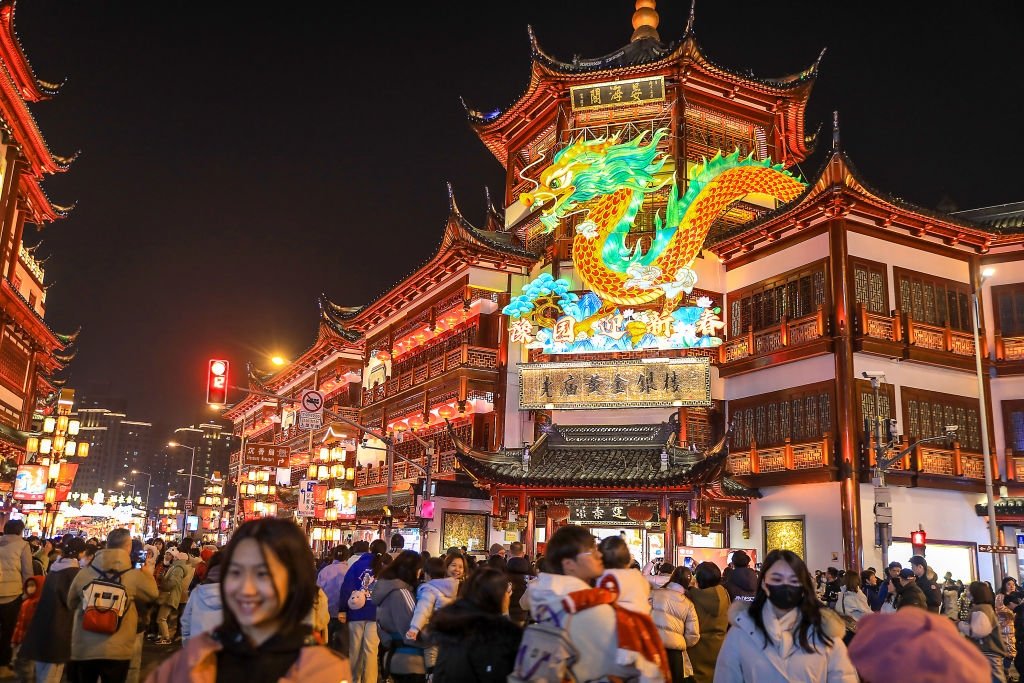
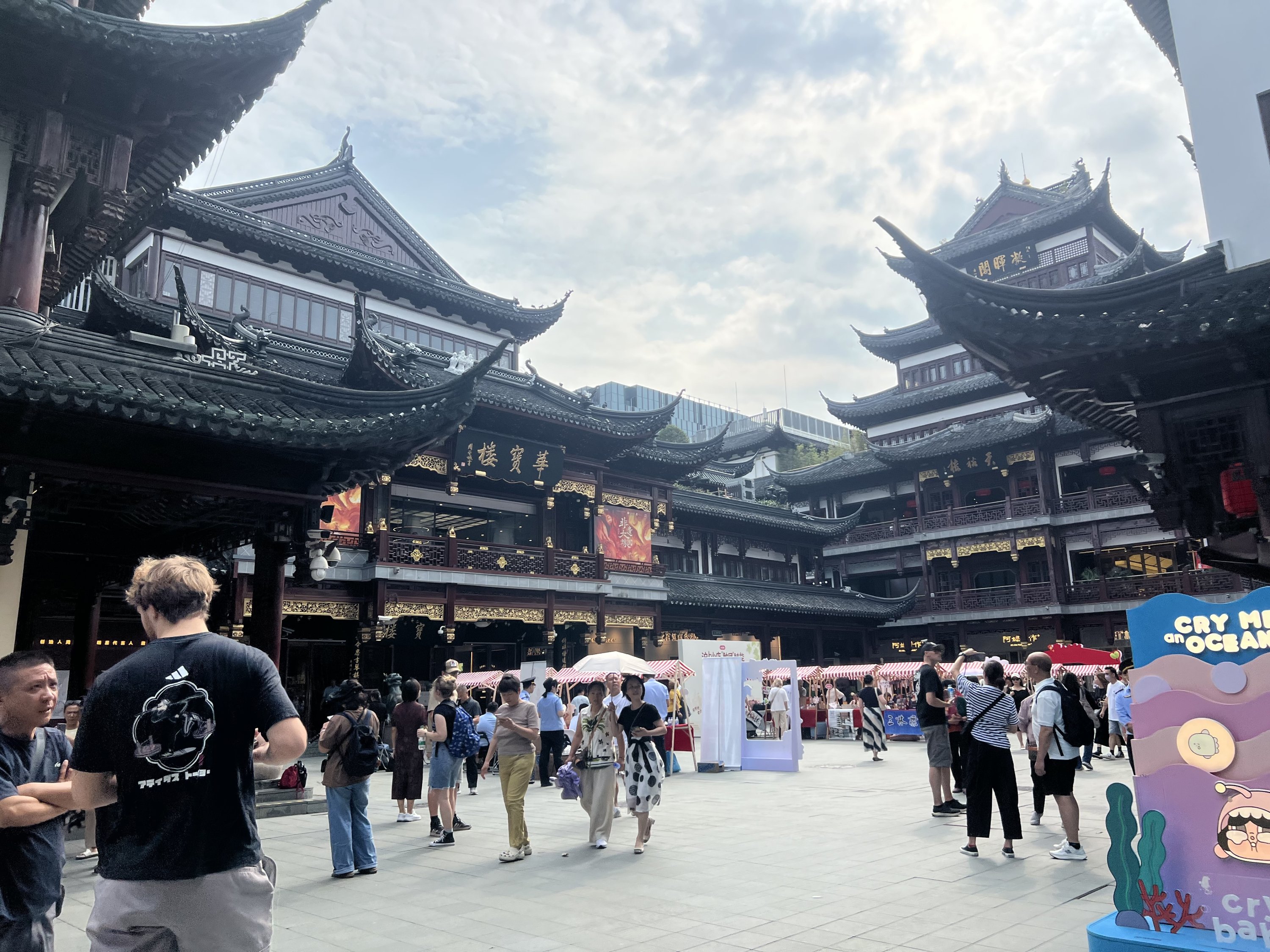
I would encounter a similar scene in Shanghai’s Old City district, which I explored on my own before I departed China. Feeling the elegance of a civilization spanning thousands of years at Yuyuan Garden, and seeing that this historical fabric had been restored and preserved, even if only within a limited area, brought me some comfort. Because just a few streets away, many more crumbling old buildings were waiting to be demolished amid massive construction sites.
Indeed, in the cities we visited, apart from a few exceptional areas where traditional architecture was preserved, history was simply gone. Instead, we encountered countless apartments constructed with functionality as the sole priority.
However, China’s recent history makes it easier to understand why this results-oriented approach to development took precedence over the preservation of its historical and cultural fabric.
According to data from the Chinese Ministry of Foreign Affairs and the National Bureau of Statistics, when the country decided to open up to the outside world in 1978, 97.5% of China’s rural population was living below the poverty line.
In response, the Chinese government launched comprehensive anti-poverty policies. Ministry reports indicate that by 2020, 832 impoverished counties and 128,000 impoverished villages had been lifted out of poverty. During this period, millions of people living in harsh conditions in rural areas were relocated to newly built apartment complexes.
Data from the World Bank further illustrates the scale of this transformation. Over the past 40 years, the number of Chinese living below the international poverty line has decreased by approximately 800 million. This figure accounts for roughly three-quarters of the total global decline in extreme poverty during the same period.
Of course, in achieving this, China had to act as quickly and effectively as possible. According to the World Bank, while China lifted an average of more than 12 million people out of poverty each year, its economy grew at an average annual rate of 8.1%.
At our next stop, we would learn how China sought to maintain a balance between urban and rural areas while this growth was taking place.
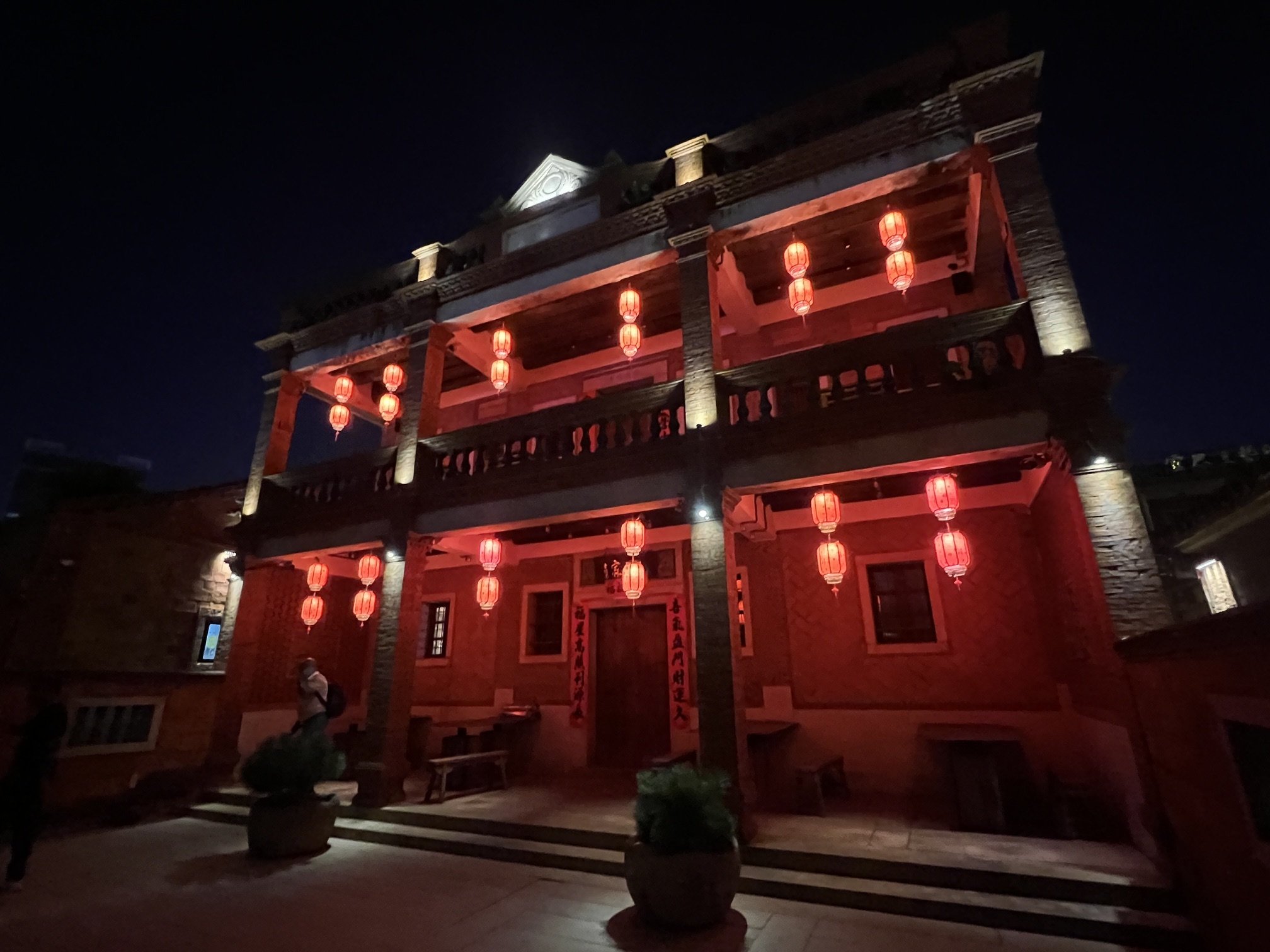
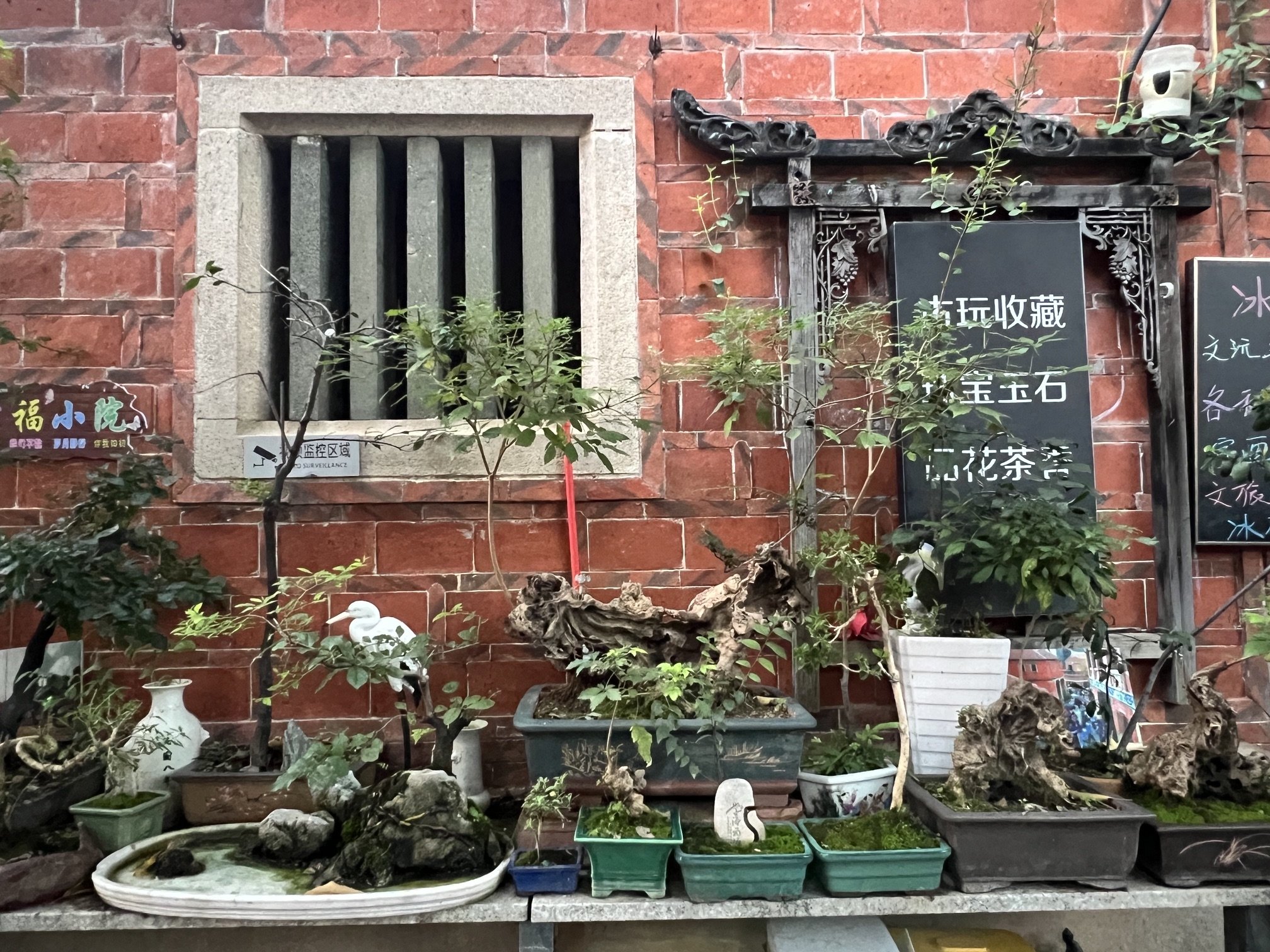
We began our exploration of Zhejiang Province, where Xi served from 2002 to 2007, by visiting the cities of Hangzhou and Yiwu, which have become hubs for industry, trade and digitalization.
Here, I would like to share my experience at the Yiwu International Trade City.
Yiwu, which opened up to foreign investment after the 1980s and developed into an international business hub, is also known as the “world’s largest wholesale market for small commodities.” According to data released by the Chinese government, despite having a population of just 2 million, the city’s foreign trade volume reached 836.5 billion yuan ($124.77 billion) in 2025.
Official sources indicate that the Yiwu market spans over 8 million square meters with 80,000 booths, offering 2.1 million products across 26 commodity categories. The city attracts 210,000 daily visitors and 500,000 foreign buyers annually.
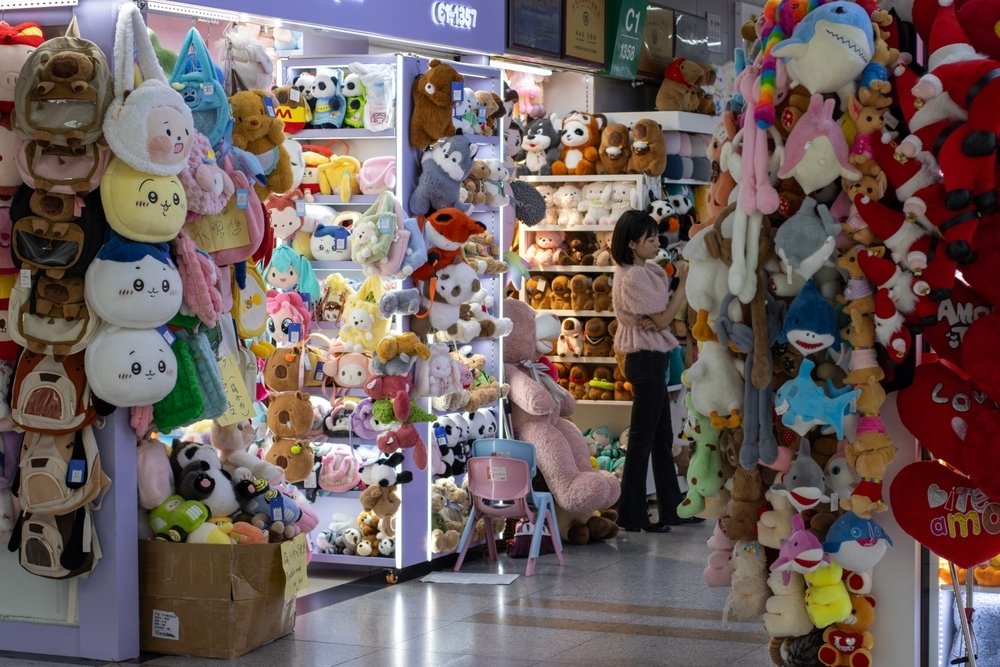
Here, we were about to explore the first of the five market districts. Driven by my professional curiosity and observational instincts, I decided to do precisely what the organizers had warned us against: get lost. So, I headed toward the farthest reaches of this wholesale shopping center, where an endless array of hair clips, trinkets, toys, and small household items are sold.
This three-hour labyrinthine experience evoked very complex emotions in me. On the one hand, there was the sense of alienation and numbness that comes from being constantly exposed to more products than the eye can possibly take in. On the other hand, there was the chill I felt upon realizing that nearly everything we use in our homes and in our daily lives is produced in China.
Seeing this small commodities market with my own eyes helped me better understand the urban side of China’s rapid economic growth. But there was also a rural side to it.
Like many countries undergoing rapid development, China faced the challenge of rural-to-urban migration, which gradually depopulated rural areas.
To address this problem, the government launched the “Ten Thousand Villages Project” in 2003, which became one of Zhejiang’s major rural development initiatives. In addition to improving living conditions and the rural environment, the project aimed to limit migration to cities by preserving the role and importance of agriculture.
According to official figures, in 2003, fewer than 4,000 of Zhejiang’s approximately 40,000 villages were considered to have good environmental conditions. By the end of 2022, following the launch of this project, approximately 36,000 villages, more than 90%, had met the “beautiful village” standards. During the same period, per capita income in rural areas rose from 5,431 yuan to 37,565 yuan.
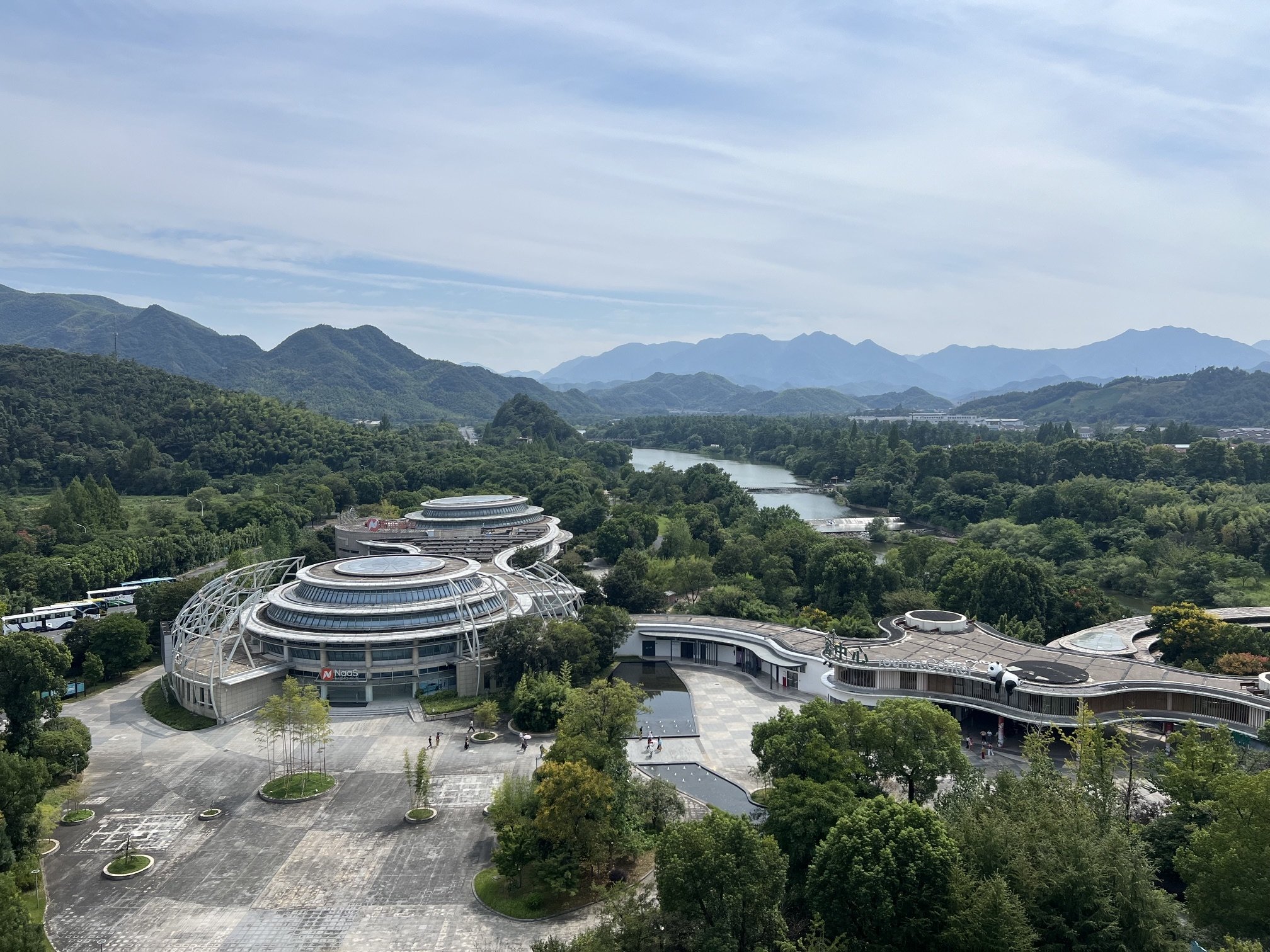
To visit the villages in question, we finally left our classrooms and the city behind and set out for the Mount Mogan region, surrounded by lush bamboo forests.
However, one shouldn’t expect to find the kind of picturesque settlements that typically come to mind when one thinks of a “village.” Meilin, Lizu, Yucun and Wusi, some of the best-known pilot villages of the project, also known as the “Green Rural Revival,” looked strikingly modern to my eye. These were not villages preserved in time or naturally evolved over generations, but rebuilt communities designed to function around the practical needs of contemporary life.
We saw firsthand how these villages became models for the country, revitalized through local industries and new economic activities.
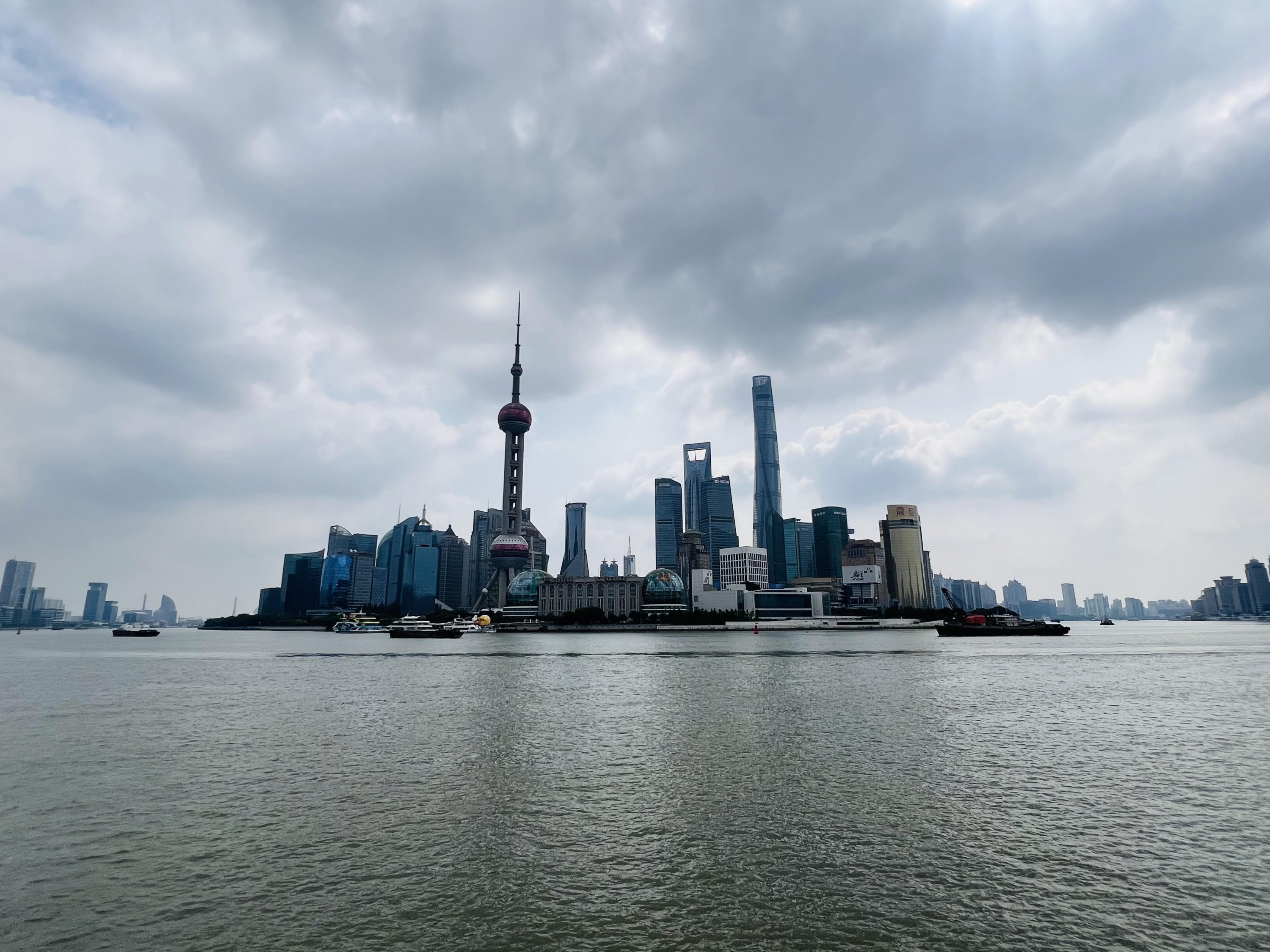
Our final stop was Shanghai, where Xi briefly served in 2007. Its Pudong district was transformed into a special economic zone in 1990, and the city is now one of China’s largest economic hubs, with a population of 24 million.
During the final days of our program, we learned how cutting-edge technology – perhaps one of the most important issues of our time – is being integrated into urban planning and daily life in China, as well as about the latest developments in artificial intelligence. These compelling topics provided a fitting conclusion to the program, offering us a glimpse into how China may shape both its own future and that of the world.
But shaping the future requires not only shaping politics, the economy, and technology, but also changing perceptions.
The conversations we had while watching Shanghai’s glittering nightscape from a boat on the Huangpu River and during our farewell dinner the following day revealed something simple: we realized that, to some extent, our views of China had shifted. The sense of foreignness and the unknown had given way to a desire to get to know China, understand it, and engage in dialogue.
As I set off for Istanbul, I found myself thinking that I needed to revisit the books on China I hadn’t touched since college. I was also saddened by the thought that I wouldn’t be able to enjoy lotus root dishes, walnut buns, and steamed brown sugar cakes for a long time. I had already made a long list of cities I wanted to visit on my next trip.
My experience was, of course, only one personal encounter with China. But it reminds us how different a country can feel when you move beyond how you have imagined it and experience it for yourself.
China still has a long way to go in changing global perceptions of itself. But it is clear that the country is determined to make rapid progress in this regard.