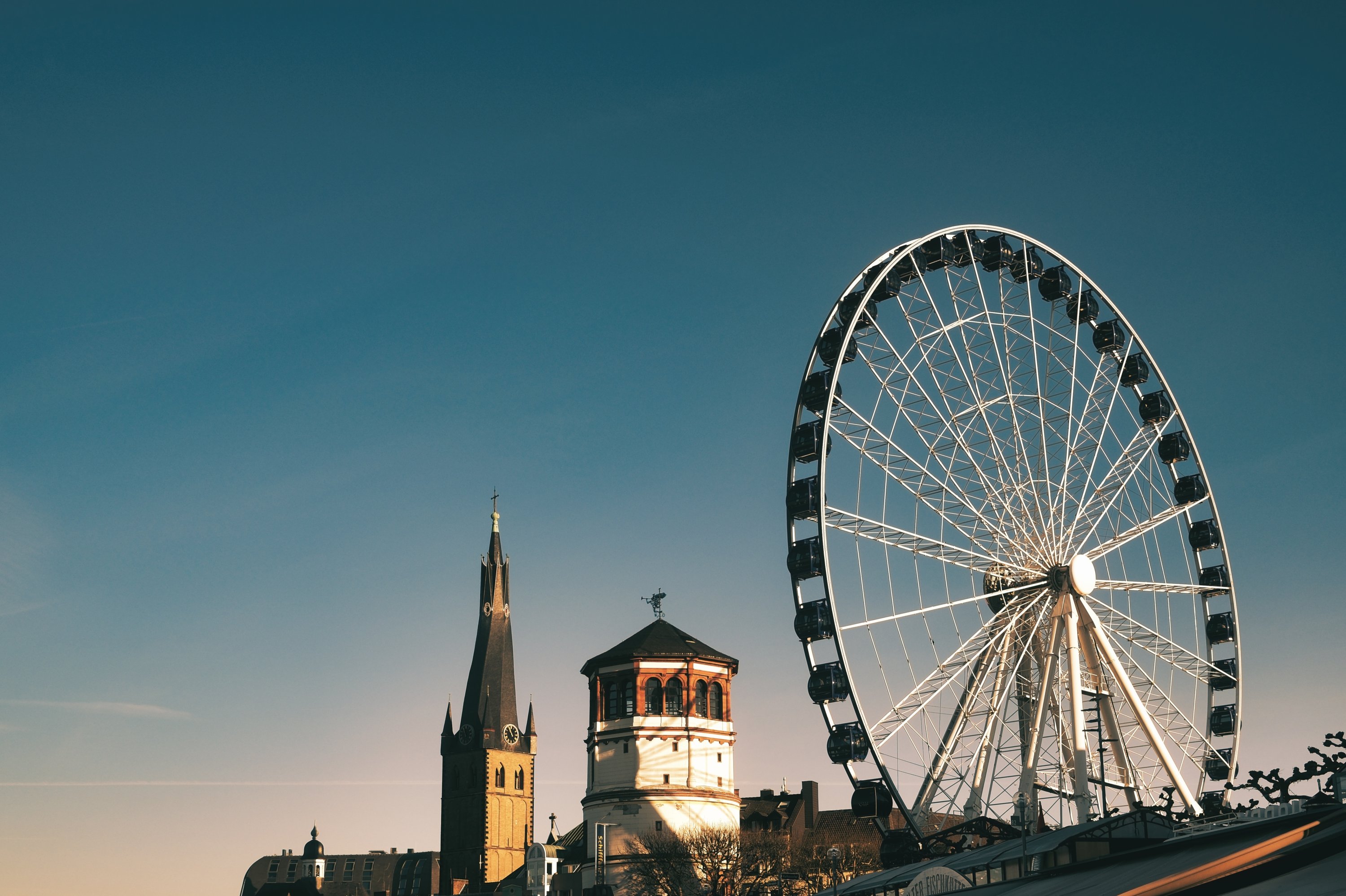
A fundamental shift is transforming the social landscape of the Rhineland’s capital this spring, as Düsseldorf trades its reputation for stiff, showroom-style luxury for a dynamic, community-driven "urban cool." Led by digital curators and exclusive membership networks like Mr. Düsseldorf, the city is witnessing a surge in night flea markets, secret event series and a breakdown of traditional German social barriers, signaling a new era for one of Europe’s most affluent hubs.
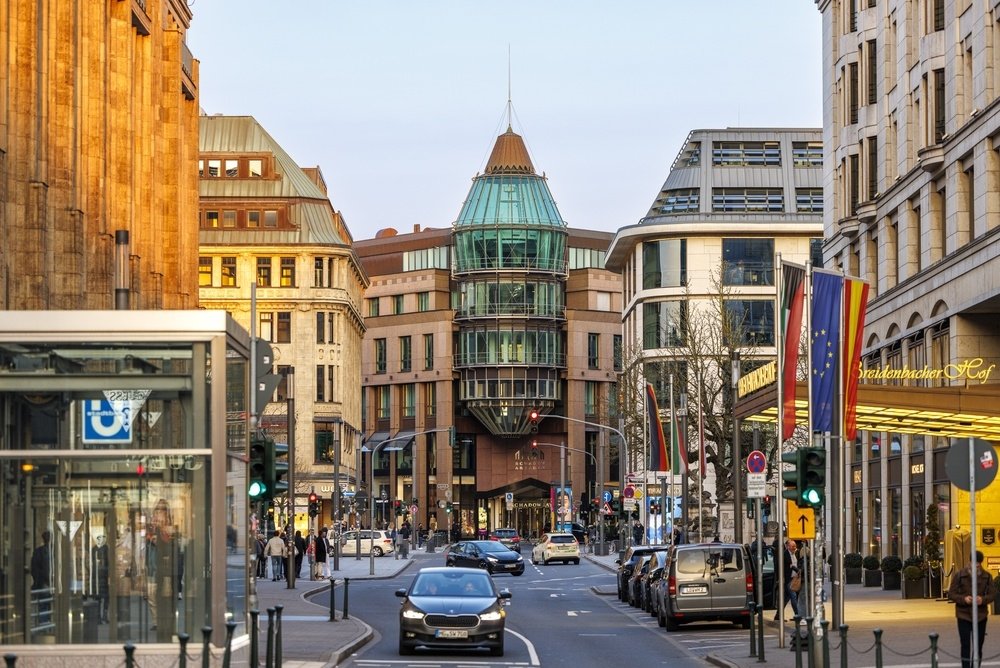
For decades, Düsseldorf was defined by the glitz of the Königsallee – the world-famous "Kö." It was a place where social currency was measured by the labels on your shopping bags and the horsepower of the car idling in front of the Breidenbacher Hof. It was a city where you showed off what you had, rather than who you were with. However, the "boring German" stereotype, characterized by rigid professional hierarchies and a predictable, high-society social calendar, is officially in the rearview mirror. Düsseldorf is currently undergoing a cultural seismic shift that is repositioning it from a sterile center of commerce to a pulsating heart of European lifestyle.
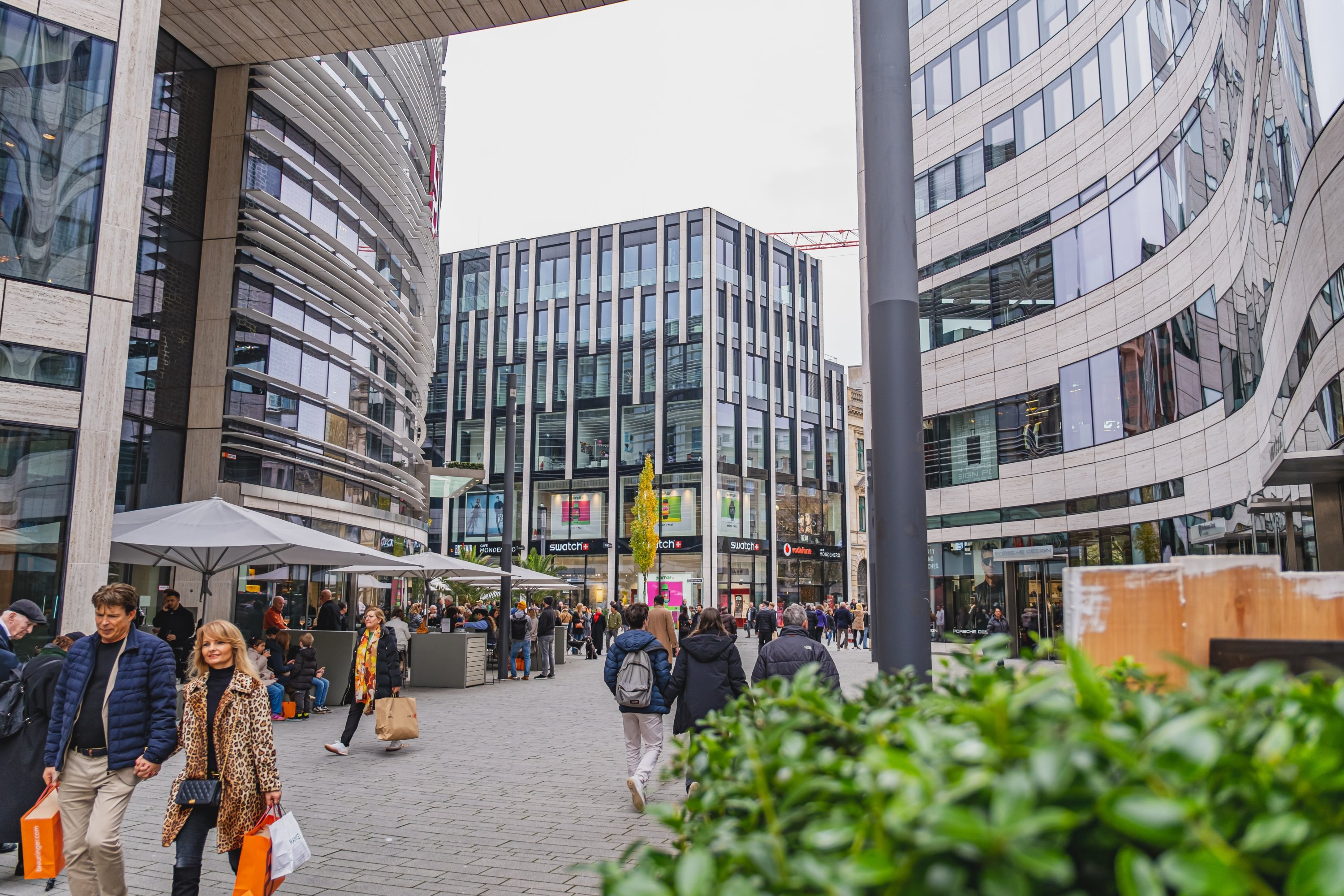
This matters because the city isn't just maintaining its "fancy" status; it is evolving it into something far more experiential and layered. Historically, Düsseldorf has always been the sophisticated, slightly more polished sibling to its neighbors in the Ruhr area or its rival Cologne. While Cologne is known for its heart and the Ruhr for its industrial grit, Düsseldorf was the "fine dining" of German cities – immaculate but often perceived as lacking a certain soul. Today, that soul is being forged in the fires of a new urban movement. The modern Düsseldorfer isn’t looking for a passive shopping trip or a formal gala; they are looking for "Düsseldates." Curated, high-energy moments that combine exclusivity with a raw, industrial aesthetic. The city is increasingly defined by its "Bezirksliebe" (district love), where the focus moves away from the central business district toward the lived-in charm of neighborhoods like Flingern, Pempelfort and Unterbilk.
Düsseldorf is unique in its ability to balance global corporate power - as a hub for telecommunications, advertising and fashion - with a deeply rooted Japanese influence, being home to the largest Japanese community in Germany. This internationality is now bleeding into the social scene, creating a cosmopolitan vibe that feels more like London or New York than a medium-sized German city on the Rhine. The "fancy" hasn't disappeared; it has simply become "cool." It’s no longer about being seen on the Kö; it’s about being known in the right WhatsApp groups and having access to the pop-up gallery in an old backyard in Oberbilk. This revolution is breaking down the walls of the "Old Money" establishment, opening the door for a generation that values community, digital connectivity and aesthetic authenticity over mere material display.
The most visible sign of this shift is the rise of the modern membership network. Leading this charge is Mr. Düsseldorf, whose black, personalized metal membership card - "Die Karte" - is strictly limited to 911 copies in an exclusive cooperation with Porsche. This isn't just about a discount; it’s about a "money-can't-buy" social passport. Membership grants entry to a closed WhatsApp community and private VIP events like secret dinners, gallery openings and curated wellness sessions. It transforms the city from a collection of shops into a high-caliber network where status is defined by access to experiences that never appear on a public billboard. In a world of digital noise, this vetted exclusivity provides a sense of belonging that the traditional "fancy" showrooms never could.
This "New Urban Cool" is anchored in neighborhoods like Carlstadt, Unterbilk and Flingern, where the vibe is minimalist, artisanal and deeply communal.
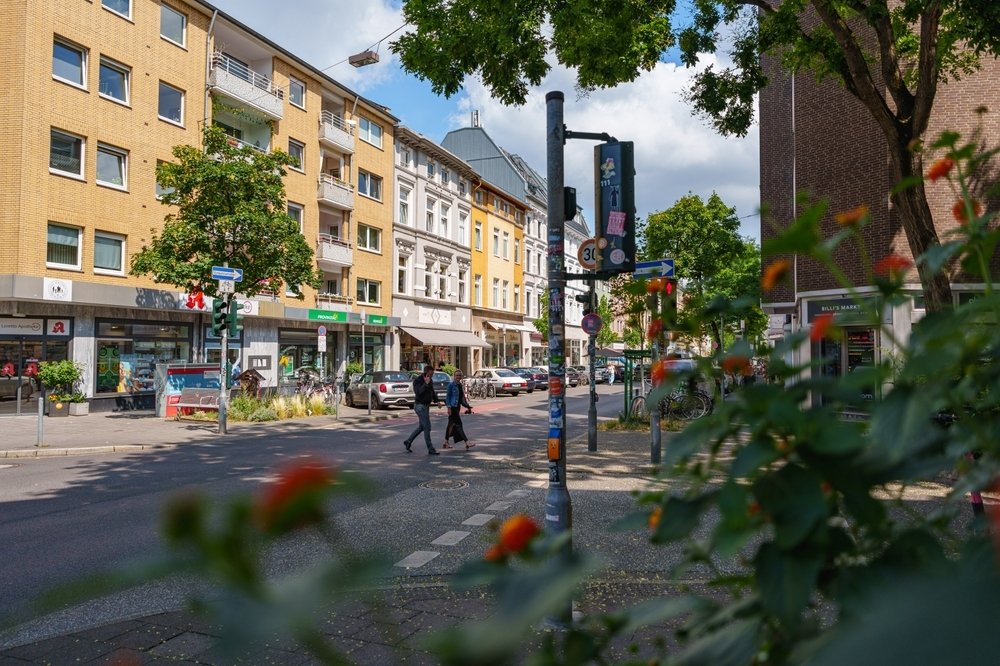
Coffe am Carlsplatz: The unofficial morning headquarters for the city's creative class. It’s minimalist, focused on specialty beans and serves as a prime spot for networking before the galleries open.
Covent Garden (Unterbilk): Located on Bilker Allee, this coffeehouse bridges the gap between a cozy morning retreat and a vibrant community hub.
Cafe Hüftgold (Flingern): A local cult favorite on Ackerstraße. With its vintage-chic "living room" atmosphere, it represents the heart of Flingern’s community spirit – a place where residents and visitors blend over artisanal cakes and specialty teas.
Rösterei Vier (Wallstraße): More than just a cafe, this is an innovative "HQ" featuring a roastery, coworking space and live DJ sets. It reflects the shift toward multifunctional spaces where work and social life seamlessly overlap.
Nothing represents the breakdown of "boring Germany" better than the NachtYard. Once a month, the RheinRiff at Areal Böhler transforms its 9,000 m² industrial space into a creative night market. This isn't your grandmother’s flea market. It’s an urban festival where vintage treasure hunting meets street food, live tattooing and DJ sets. Promoted heavily through real-time digital channels, it attracts a crowd that values the "hunt" for unique design pieces over the convenience of a luxury department store. The next major date is already set for April 11, 2026, promising another night of creativity and encounter where the boundaries between art, commerce and party are completely blurred.
Düsseldorf’s transformation is fueled by a new digital infrastructure. It’s no longer enough to just be a city; you have to be curated. Through platforms like Mr. Düsseldorf and Instagram-driven trend-spotting, the city's complex offerings have been made digestible. Whether it’s an "Off Stage" session (intimate concerts without filters or stages) or a "Thursday Riding Club" ride along the Rhine followed by a glass of Riesling at Concept Riesling, the focus has moved from display to immersion. Düsseldorf is proving that it can keep its "fancy" heritage while growing into a gritty, rhythmic and deeply connected urban future. The city has found a way to stay elite without being exclusionary, proving that the most valuable luxury in 2026 is a sense of genuine community.