We are in the Sarajevo Airport in the capital of Bosnia-Herzegovina. I drew a route that traces Ottoman heritage down south from the capital airport following the Neretva River. Our first stop, about an hour away from the airport is Konjic.
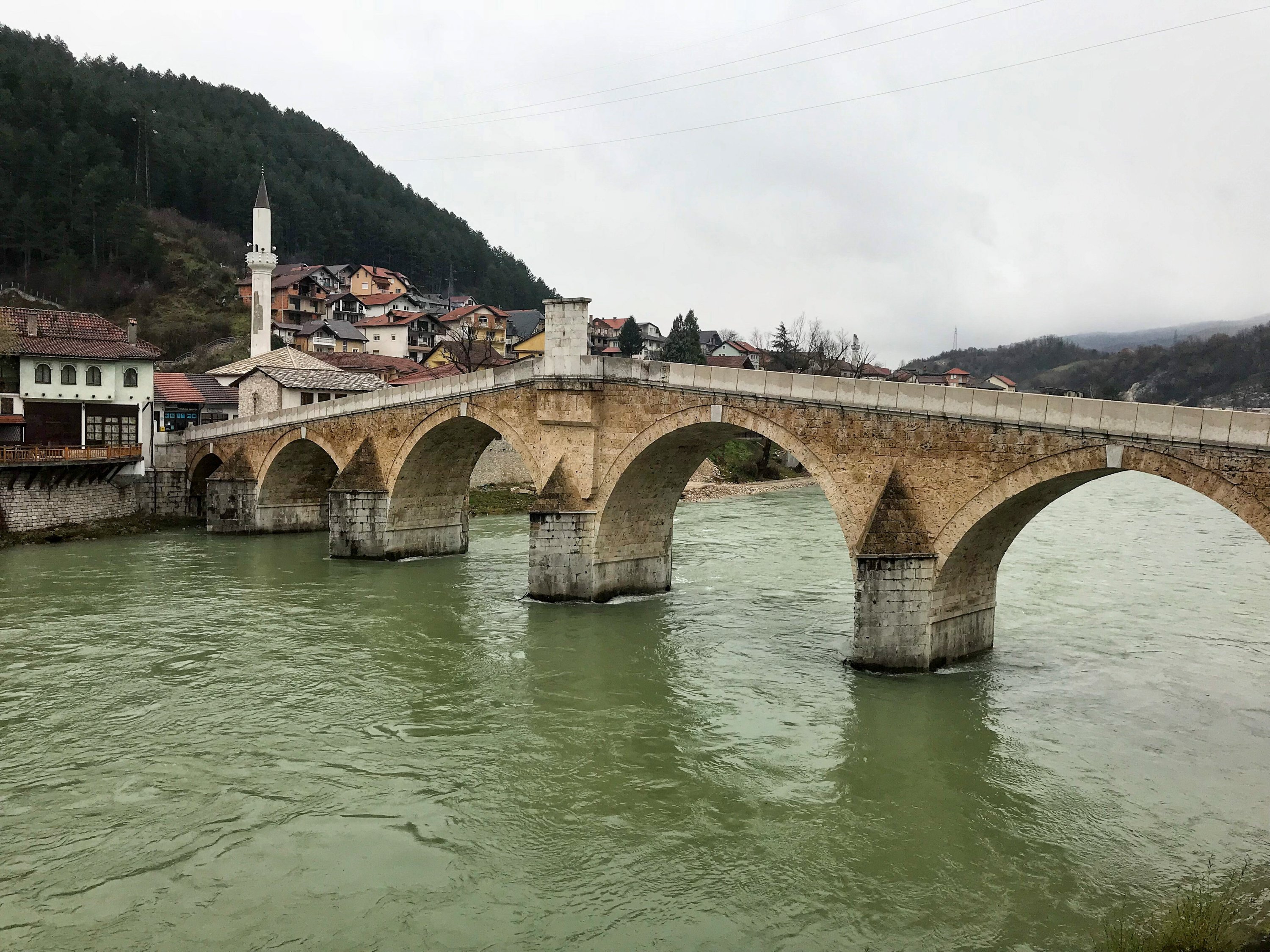
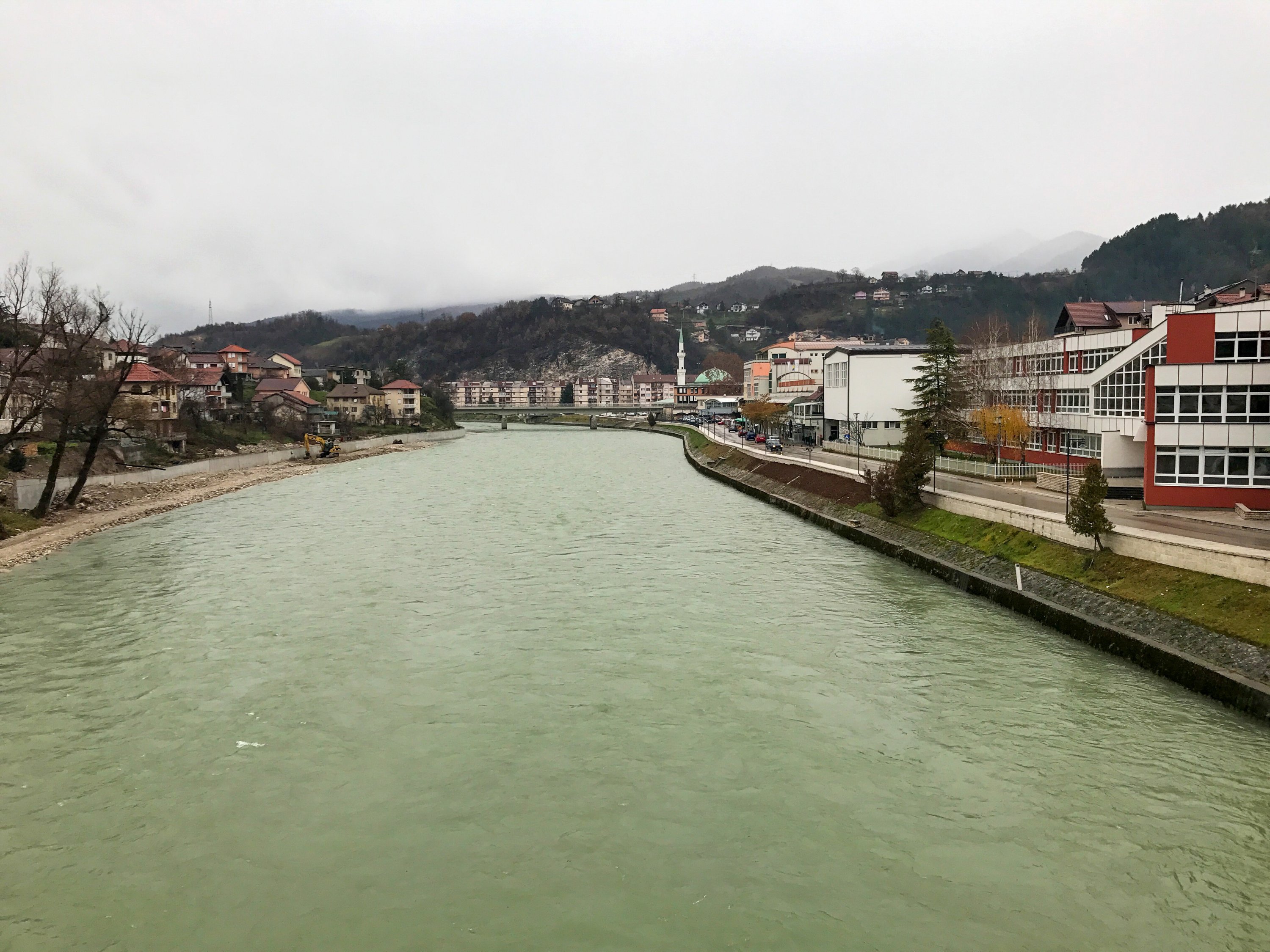
Konjic, which took its present form during the Ottoman period and welcomes you with its stone bridge over the Neretva River, is actually a small village. You can explore this small village, the bridge and its surroundings in a short time on foot.
The stone bridge, known as Stara Cuprija, or Old Stone Bridge, was damaged during World War II. Later, with the restorations made in accordance with its original design, the bridge took on the look it has today. Besides the bridge, you can also go a little further south to visit Tito's nuclear bunker where you can find D-0 ARK Underground, hosting contemporary art.
Continuing toward the south, you can shift the journey to check out Blagay Lodge, which is also an Ottoman heritage site.
The atmosphere of Blagay makes you want to get lost in the spirituality of the place and escape from all the problems of the world.
Just set your troubles, worries, bothers and expectations for the future aside and soak in the moment.
While witnessing such places, one does understand why spiritual beings of yesteryears chose secluded locales to find spirituality.
They say that one's mind leaves their body in such spots, and I have seen that for myself.
The site offers all the conditions for people to meet their inner selves, which Yunus Emre defined as "There is only one me inside of me."
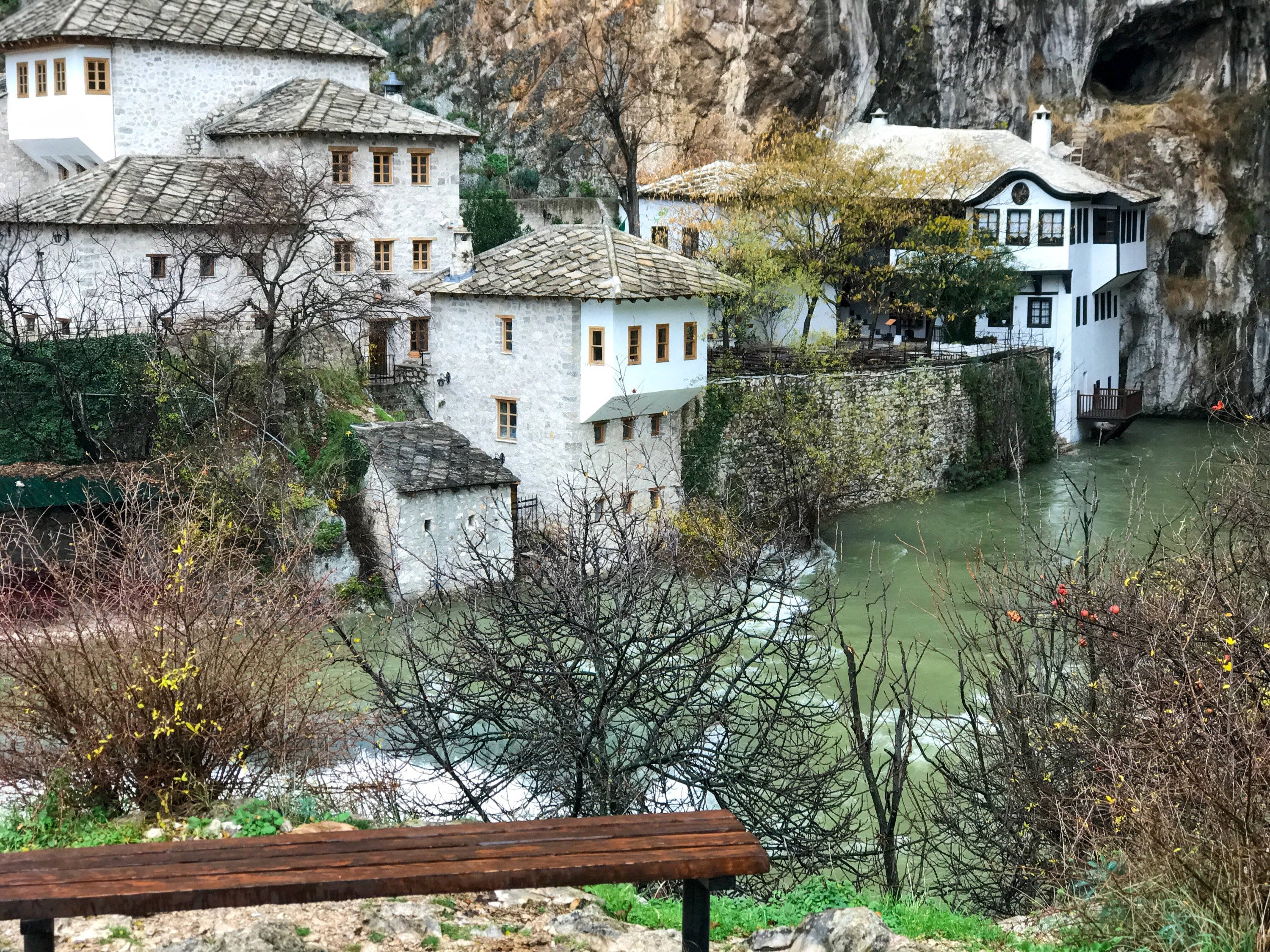
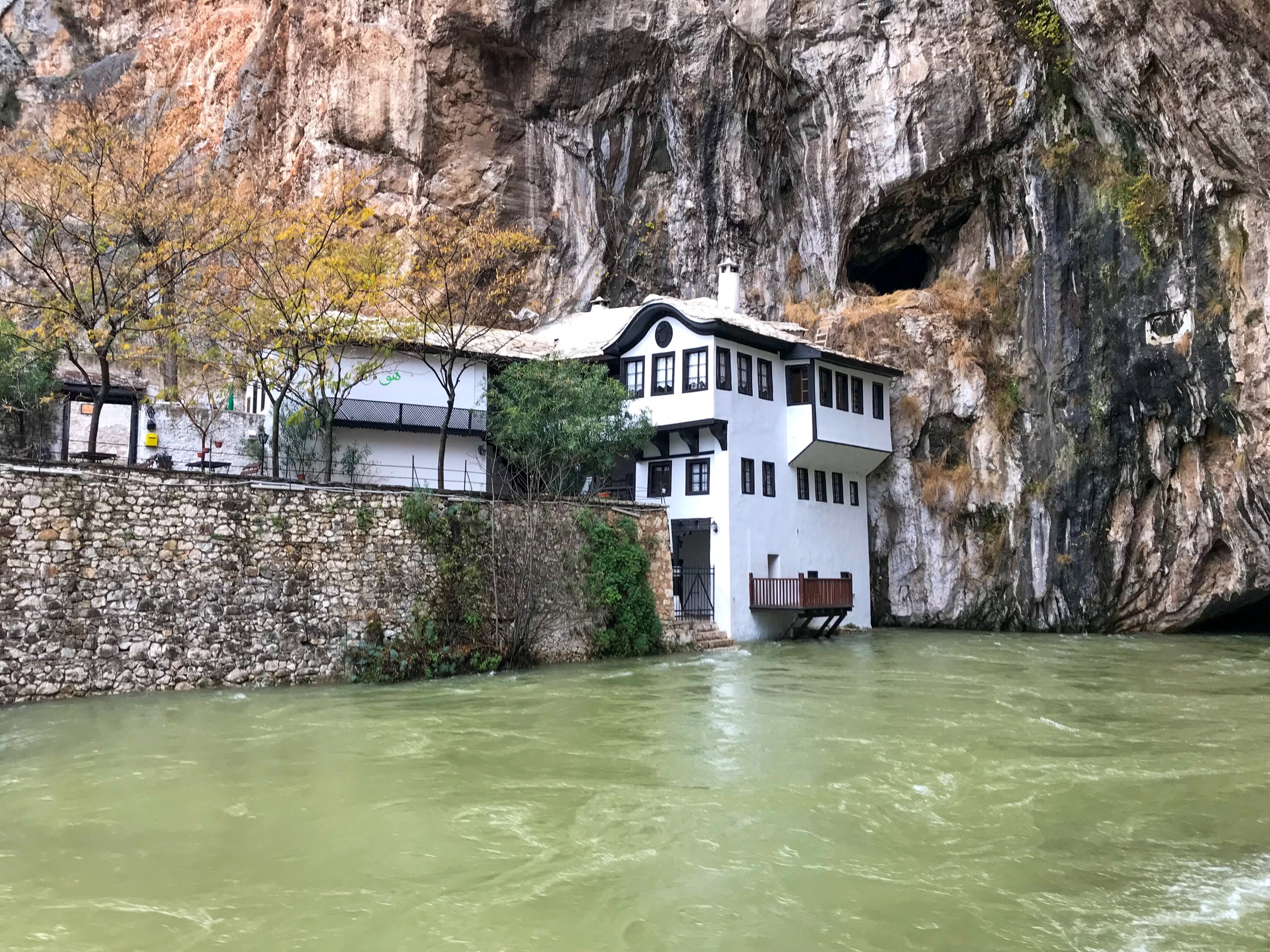
Blagay Tekkesi, also known as the "Alperenler Tekkesi," is located in the town of Blagay in Bosnia-Herzegovina, 15 kilometers from Mostar – tekke is a term for monasteries of Islamic dervishes.
Blagay Tekkesi is located at the birthplace of the Buna River, a tributary of the Neretva River, which also passes under the Mostar Bridge.
Although there are different rumors about the establishment of the Blagay Lodge next to the water source, it is said that an Anatolian dervish named Sarı Saltuk and alperens – Turkish warriors – came here and founded the tekke before the Ottomans.
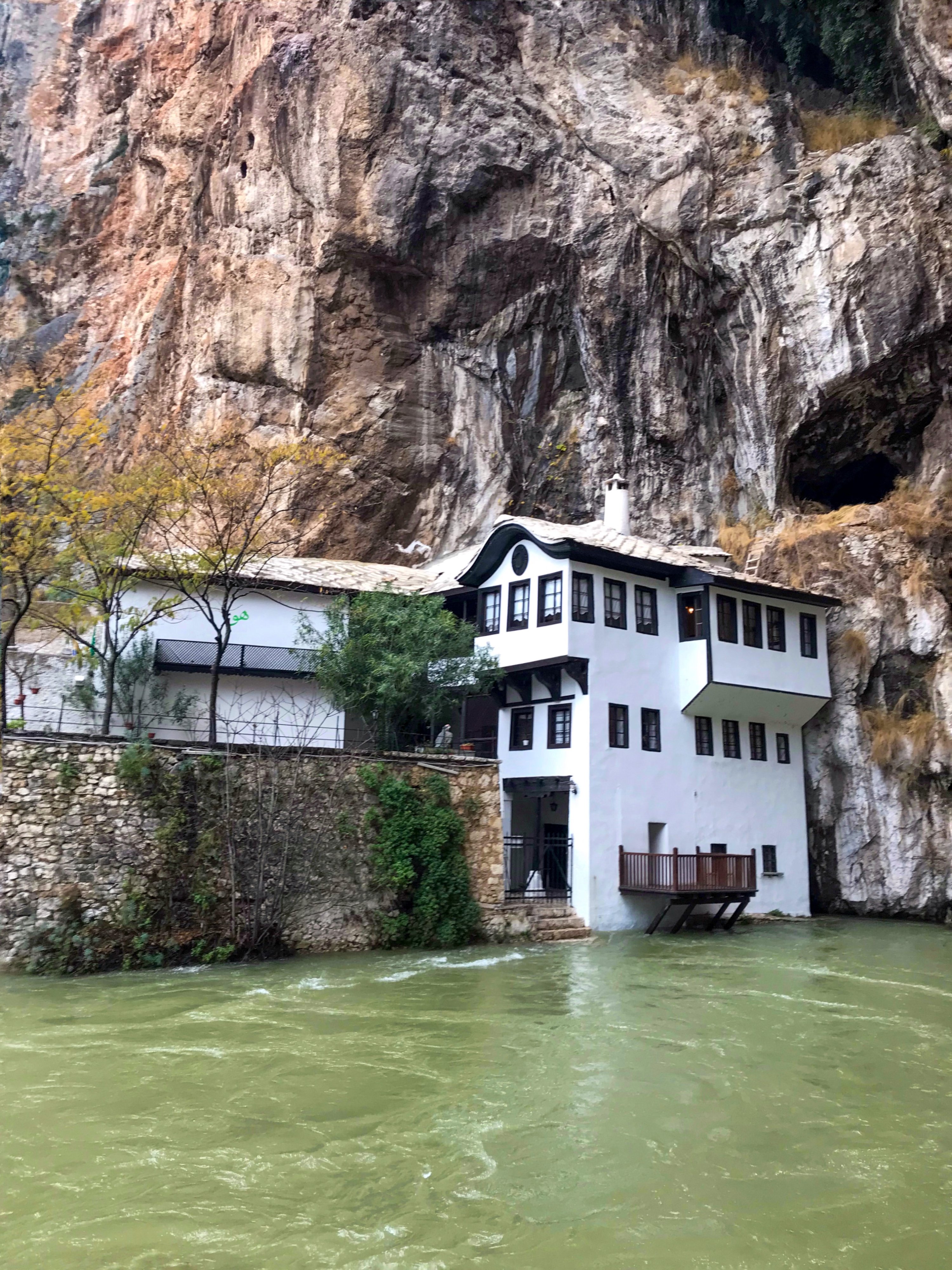
The tekke, which was built next to a cave from where the Buna River springs, in the 15th century, also played a very important role in the Bosnians' conversion to Islam. It is said that Evliya Çelebi, a 17th-century Ottoman explorer, also visited the tekke while the people were living in it and added spiritual strength to the region for years.
Today, in the tekke, which is visited by hundreds of tourists every year, ashura is cooked and distributed in large cauldrons during the month of Ashura, an Islamic holiday with a sweet with the same name. As we enter the month of Ashura now, it is likely that ashura has begun to be cooked and distributed in Blagay.
At the same time, special programs are held every year on the second Friday of May and on the night of May 28 to commemorate Ottoman Sultan Mehmed II.
There is also a mausoleum belonging to Sarı Saltuk and Şeyh Açıkbaş in the three-story wooden tekke, which consists of prayer rooms, a guesthouse, a bathhouse, a kitchen, an inner courtyard and an ablution room.
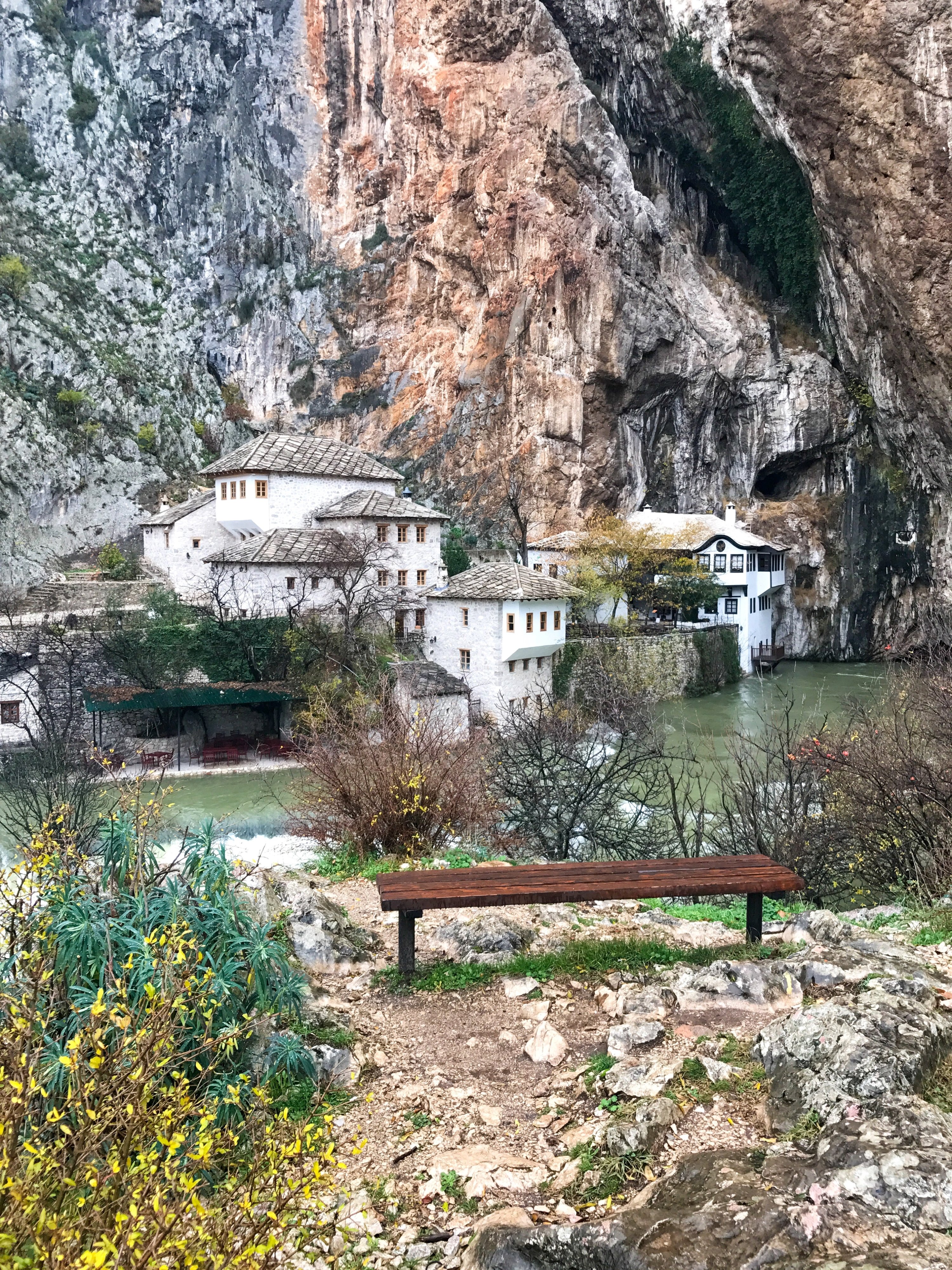
While dervishes continue their lives in one part of the lodge, those who have passed on are buried in another part.
The tekke of Blagaj is one of the best reasons to visit Bosnia-Herzegovina. After visiting the tekke, you should extend your journey by half an hour and stop by the village of Pocitelj, which also carries traces of the Ottoman Empire.
This village, which houses historical buildings from the Ottoman Empire period, resembles an Anatolian settlement. It is also on the UNESCO World Heritage List.
Blagaj features a castle named after the village, which was built for defense purposes against the Ottomans before the village came under Ottoman rule. When the border village was taken by the Ottomans, its castle was enlarged, and a defensive stone city was built near the castle. From the castle, you can observe the fascinating view of the Neretva River and the village made up of stone structures. Pocitelj suffered heavy damage due to the war that affected Bosnia between 1992-1995 and was later rebuilt. The village awaits those who want to witness the traces of the Ottoman Empire now.
In fact, Bosnia-Herzegovina is a sorrowful country that still carries the traces of the past on its shoulders.
Although it has made a name for itself with the Mostar Bridge and the capital Sarajevo, there are many places where you can follow the traces of the past and that still wait to be discovered in the country.
For example, did you know that Bosnia-Herzegovina has only a 20-kilometer (12.5-mile) coastline on the Adriatic?
On this route, you can arrive at the city of Neum via an hour-long journey from Pocitelj and immerse yourself in the cool, clean waters of the Adriatic.
I have no doubt that Bosnia-Herzegovina will amaze you with its multicultural structure, historical sites, friendly people and lush nature. If you happen to be in the country, do not come back without tasting the wonderful delicacies of its cuisine.