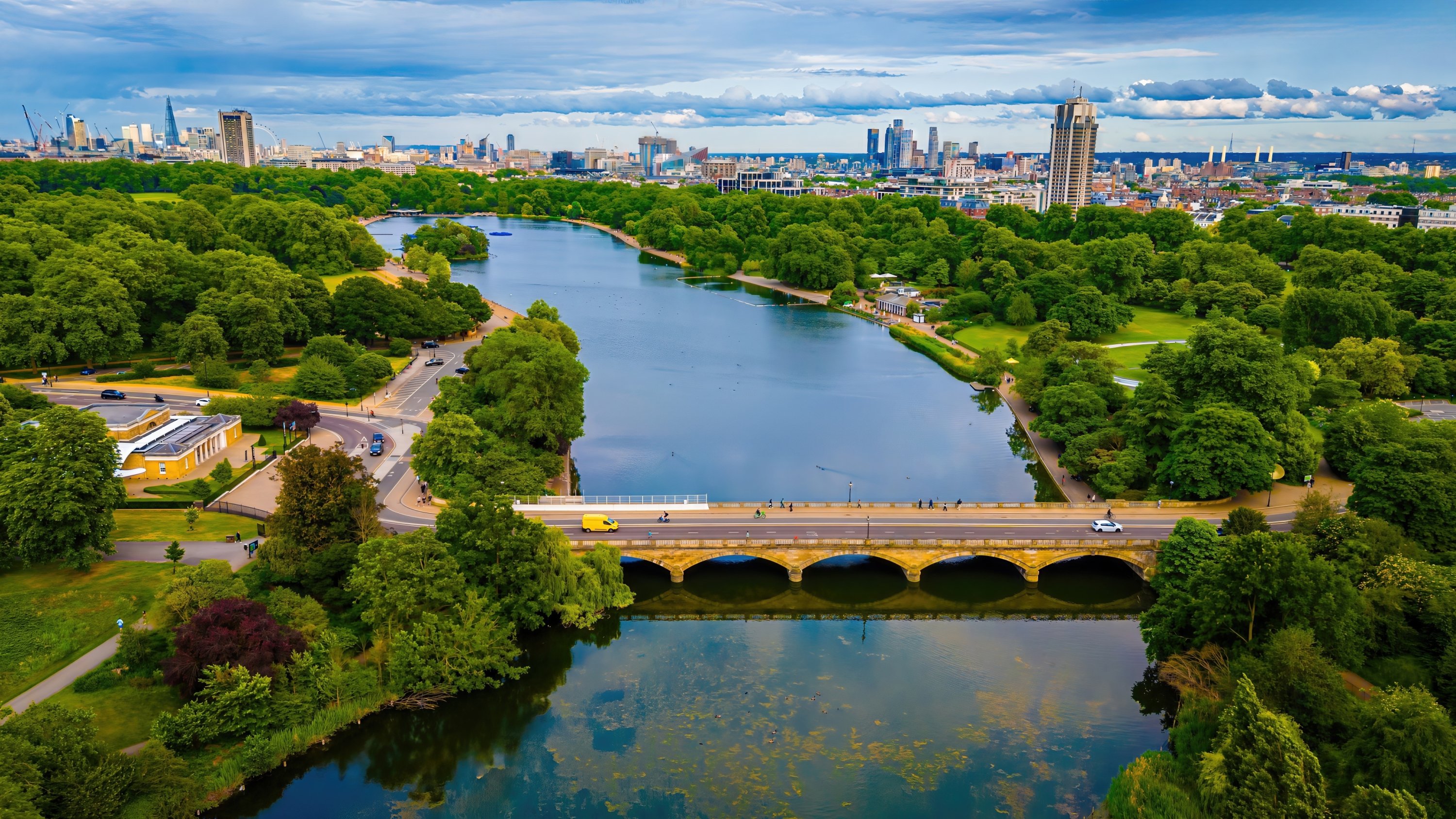
When people think of London, they often imagine the bustling streets of Oxford Circus, the grandeur of Buckingham Palace or the cultural treasures housed in its museums. Yet, what truly breathes life into this ever-moving metropolis are its parks – vast green sanctuaries that offer both Londoners and visitors a chance to pause, reflect and reconnect with nature.
London is home to some of the world’s most famous urban parks, each carrying its own character and history. Hyde Park, once a royal hunting ground, is now a stage for music, culture and free expression. Its Serpentine Lake glimmers on summer afternoons, while its Speaker’s Corner remains a symbol of the city’s democratic spirit. Just steps away lies Kensington Gardens, refined and regal, where the Kensington Palace gardens and the Diana Memorial add a sense of quiet reflection.
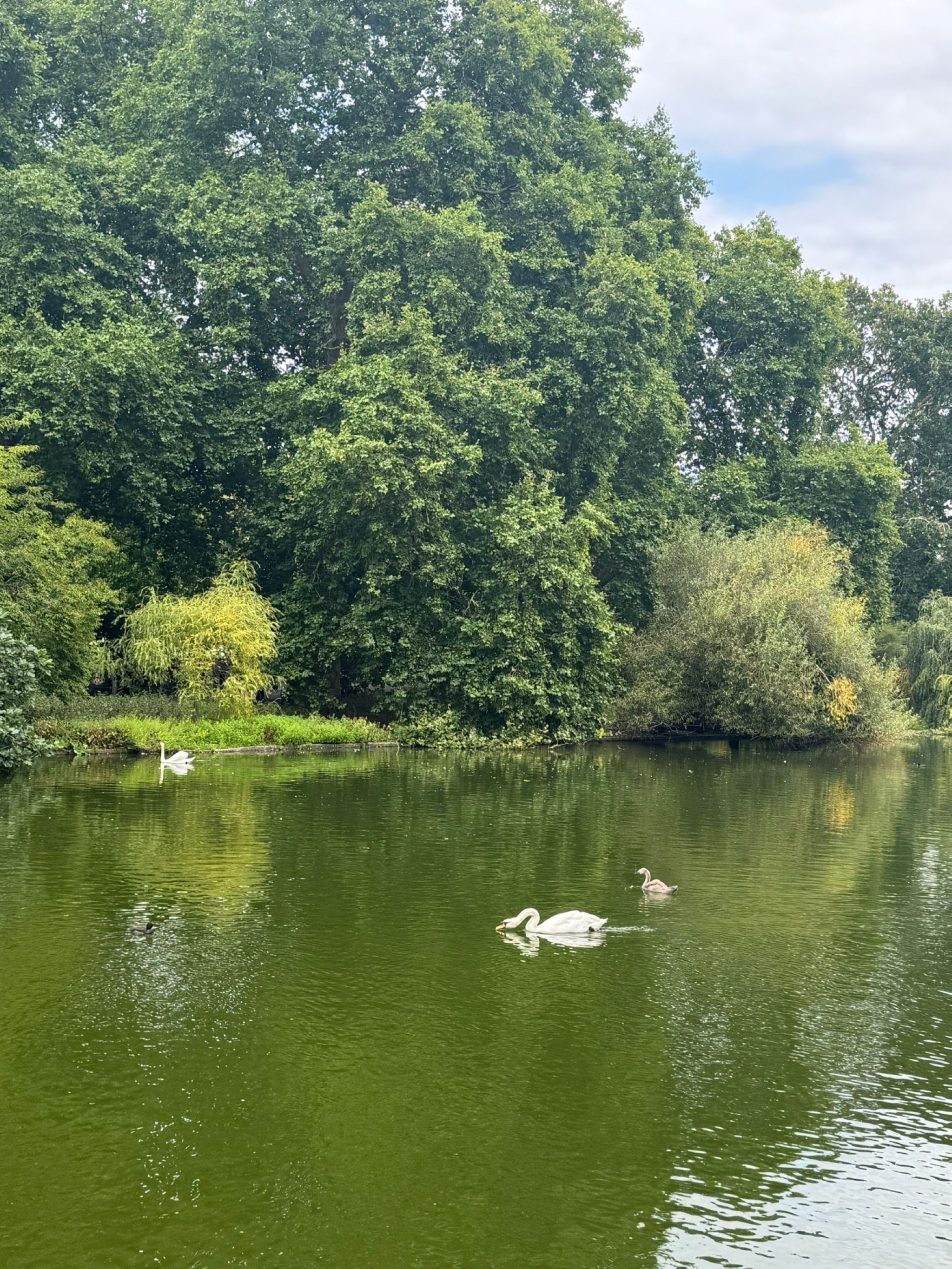
To the north, Regent’s Park stands out with its perfectly manicured rose gardens, boating lake and open-air theater. From here, a short walk leads to Primrose Hill, where one of the most iconic views of London unfolds – rooftops, towers and the ever-changing skyline framed by trees. It is a favorite spot for picnics, lovers at sunset and anyone who wants to feel the city spread out at their feet.
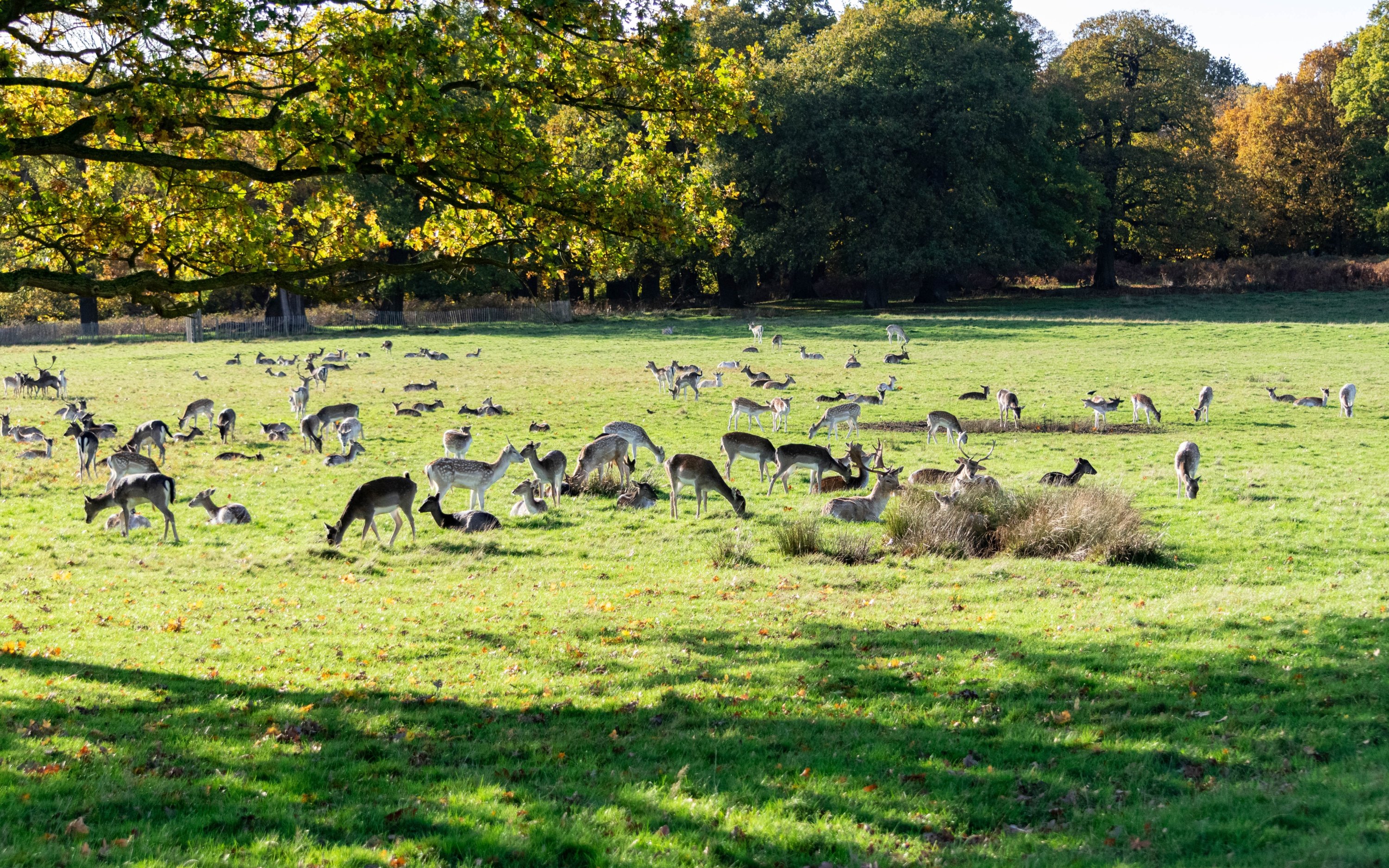
Further west, Richmond Park feels like stepping into another world altogether. Its rolling meadows, ancient oak trees and free-roaming deer create a pastoral landscape that could easily belong to the English countryside, yet it sits within London’s boundaries. Walking there at dawn, when mist hangs low and the deer move silently through the grass, is an experience of pure enchantment.
St. James’s Park, meanwhile, is London at its most ceremonial. With Buckingham Palace at one end, Horse Guards Parade at the other and pelicans gliding across the central lake, it blends history and nature seamlessly. Just nearby, Green Park provides a peaceful counterpart, known for its simplicity – just lawns, trees and tranquility in the heart of Westminster.
London’s parks are more than green spaces – they are stages for daily life. They host joggers at dawn, families on sunny afternoons, musicians strumming under trees and office workers escaping the rush for a sandwich on the grass. They are also symbols of the city’s resilience; through centuries of change, from Victorian times to today, these parks have been preserved for everyone to enjoy.
In a world where cities are often defined by concrete and speed, London reminds us that a metropolis can also breathe with open skies and leafy paths. Its parks are not just lungs of the city, but also its soul – timeless, welcoming and ever-changing with the seasons.