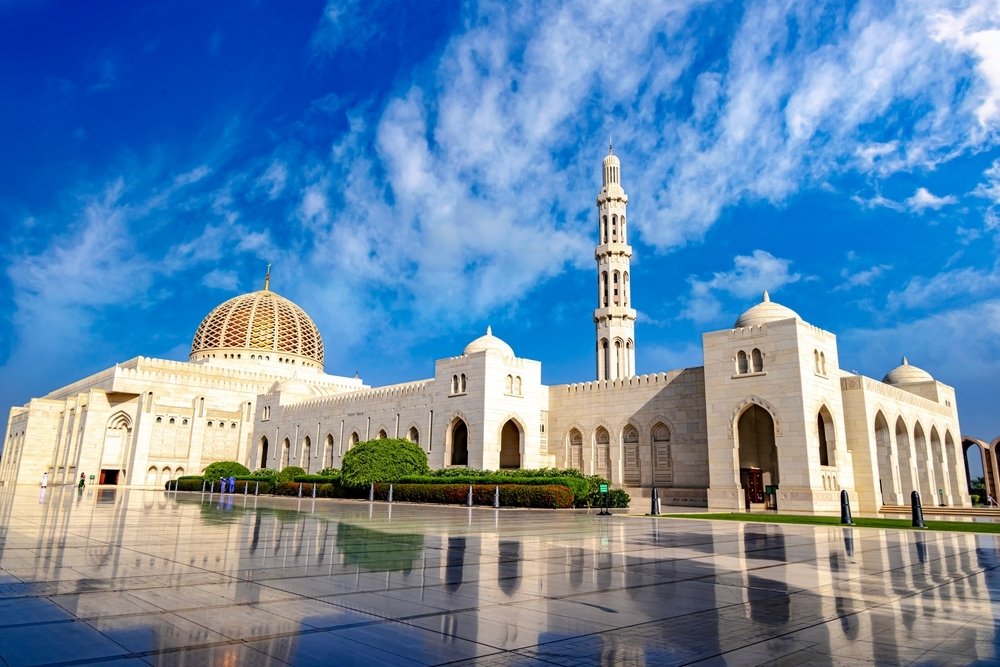
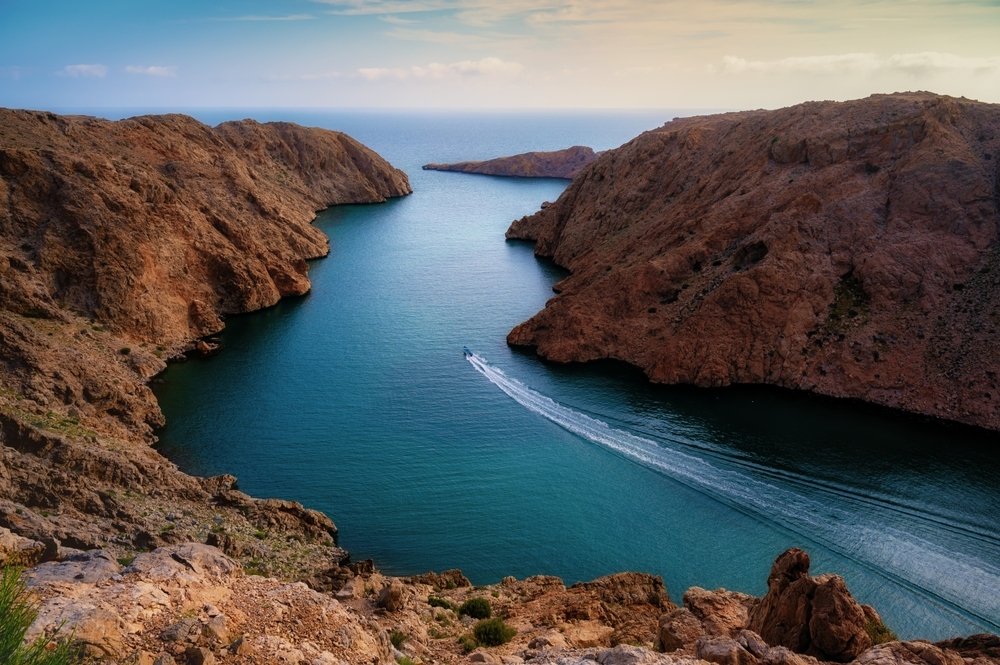
If you haven’t visited Muscat yet, add it to your travel list. Simply put, the three M’s – majestic, magical and magnificent – best describe it. A city of peace and tranquillity, embedded in the humility and justice of its rulers and inhabitants.
As I landed at the Sultanate of Oman’s four-star Muscat Airport, accredited by Skytrax, I refreshed my memory archives while witnessing novel changes – ultra-modern facilities coupled with ornate decor. I was astounded when an Omani official extended warm greetings in Urdu. Furthermore, British citizens enjoy a 14-day visa-free entry.
I rushed to the exit, imagining my beloved sister Shazia, a lecturer at the University of Technology and Applied Sciences. My brother-in-law, Chaudhary Javaid Iqbal, ex-chair of Pakistan School Muscat, picked me up at the airport. Everything was well-organized. I sat with joy, inhaling the lightly fragranced air.
Moments later, the jeep rolled forward on the neat and smooth roads to Muscat’s jewel, the Sultan Qaboos Grand Mosque. What a coincidence – a blissful dawn, just in time for morning prayers.
As I stepped into the mosque, I felt a spiritual harmony akin to entering Sultan Ahmed Camii, the Blue Mosque. Perhaps the builders of these magnificent mosques, Sultan Ahmed and Sultan Qaboos, shared values of modesty and righteousness.
I filmed iconic patterns, a stunning interior, vivid ceilings, intricate calligraphy, harmonious color schemes and unique architectural features – the gigantic handwoven carpet, the dome and the minarets – each a masterpiece. Moreover, the mosque is richly adorned with intricate Arabic motifs and arabesques, adding to its enigmatic beauty. In short, it stands out as a “symbol of cultural identity and spiritual tradition.”
This little space can’t fully capture the Grand Mosque’s remarkable allure. Every inch showcases architectural brilliance and reflects the spiritual essence of its builder, Sultan Qaboos, who earned the title of a fatherly figure. The answer became clear when I saw, opposite the mosque, the equally magnificent building of the Supreme Court of Muscat. I recalled stories of just rulers from Islamic history and understood why Sultan Qaboos is so fondly remembered.
Muscat is blessed with magnificent beaches – Qurum, Azaiba, Yiti and Al-Sifah – along with numerous monuments, including notable forts such as Al-Jalali and Al-Mirani, modern shopping malls, markets and museums. The pearl of Muttrah is the “yacht of Sultan Qaboos,” one of Muscat’s majestic landmarks.
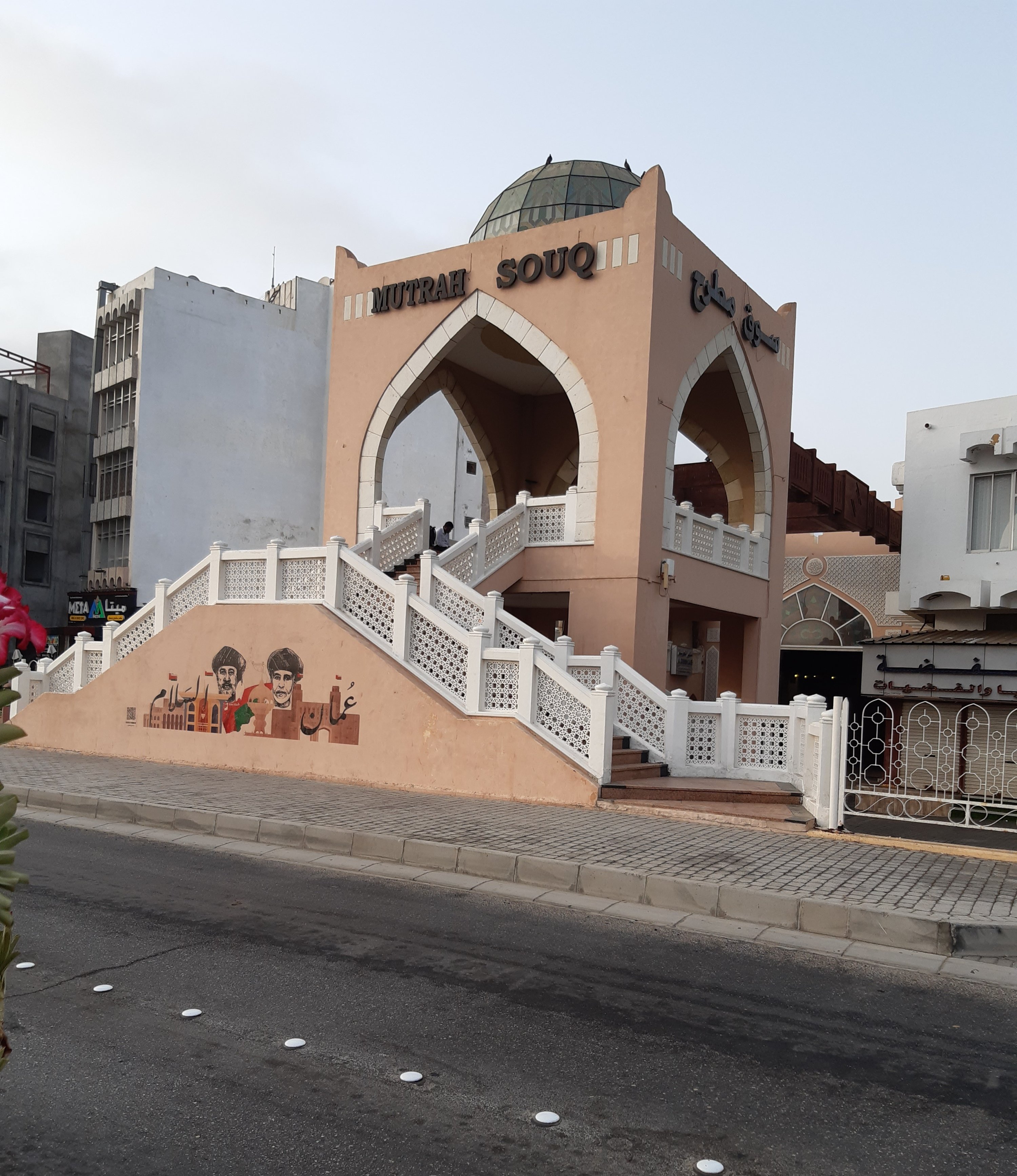
Muttrah Corniche is a scenic boulevard blending a graceful harbor, mountain views, parks and the traditional souq (market). If you enjoy nature, history, shopping and seaside strolls, it's an ideal place to stay – along with Ruwi, which caters well to budget travelers.
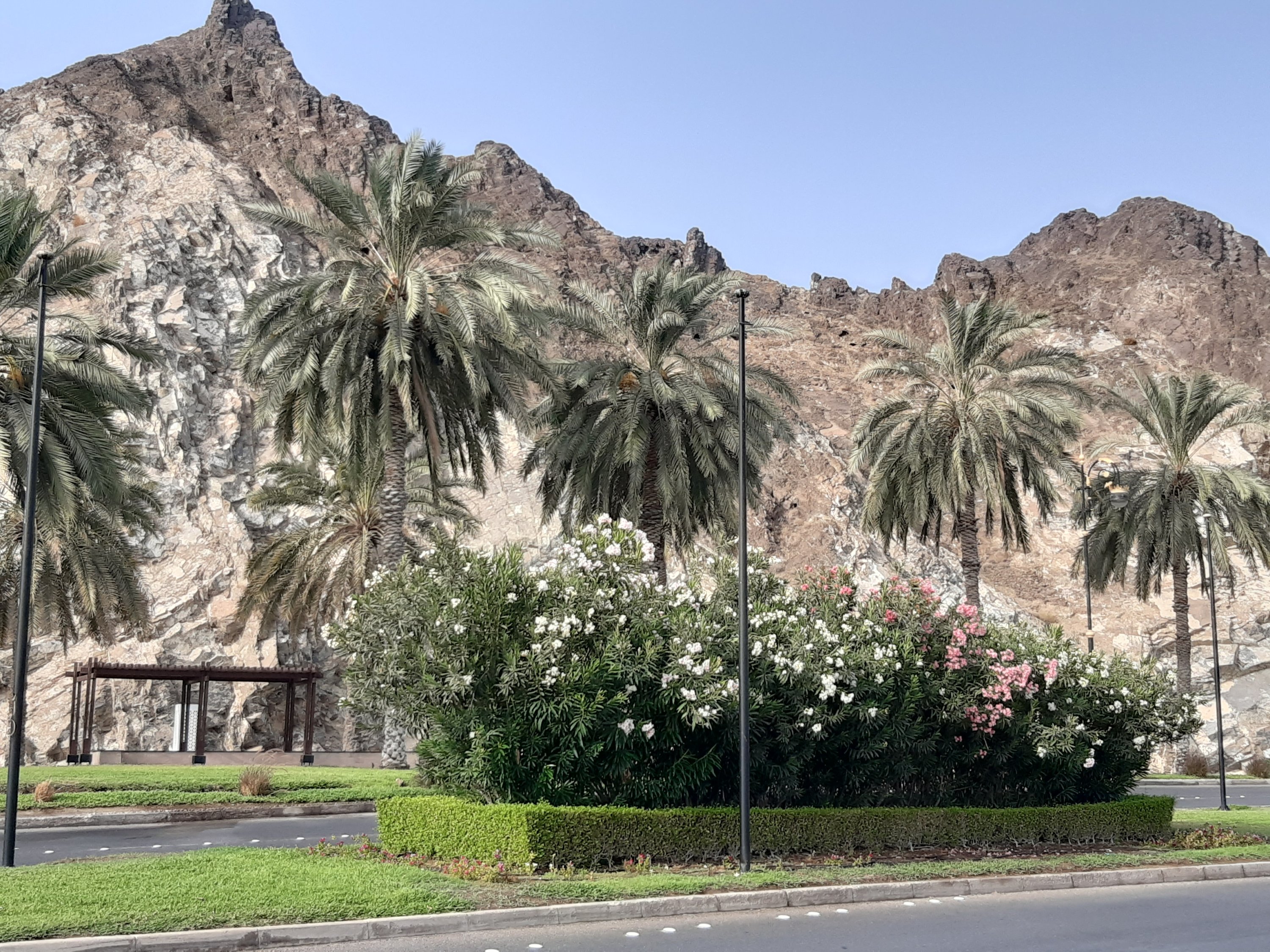
The road to Muttrah offers scenic views, modern buildings, parks and roundabouts adorned with cultural symbols like jug sculptures along Bandar Jissah Highway. Palm and date trees, lush greenery and purpose-built cafes and restaurants line the route.
Eager to capture nature through my lens, I sat in the front seat. Knowing my inspiration to take photos, Javaid and Shazia had planned several stopovers. The long drive through the Al-Hajar mountain range – home to wheatears, warblers and nesting vultures in natural caves – presented a stunning landscape. The nearby Kalbuh Park featured various date palms, an incense burner monument, ornamental flowers, a play area, water fountains and visually pleasing arrangements.
We enjoyed a serene morning in Kalbuh Park. Trees received natural fountain showers, and I caught the sunrise on camera. Thankfully, my hosts were well-informed and attentive. We drove along the coast, stopping often to observe nature up close.
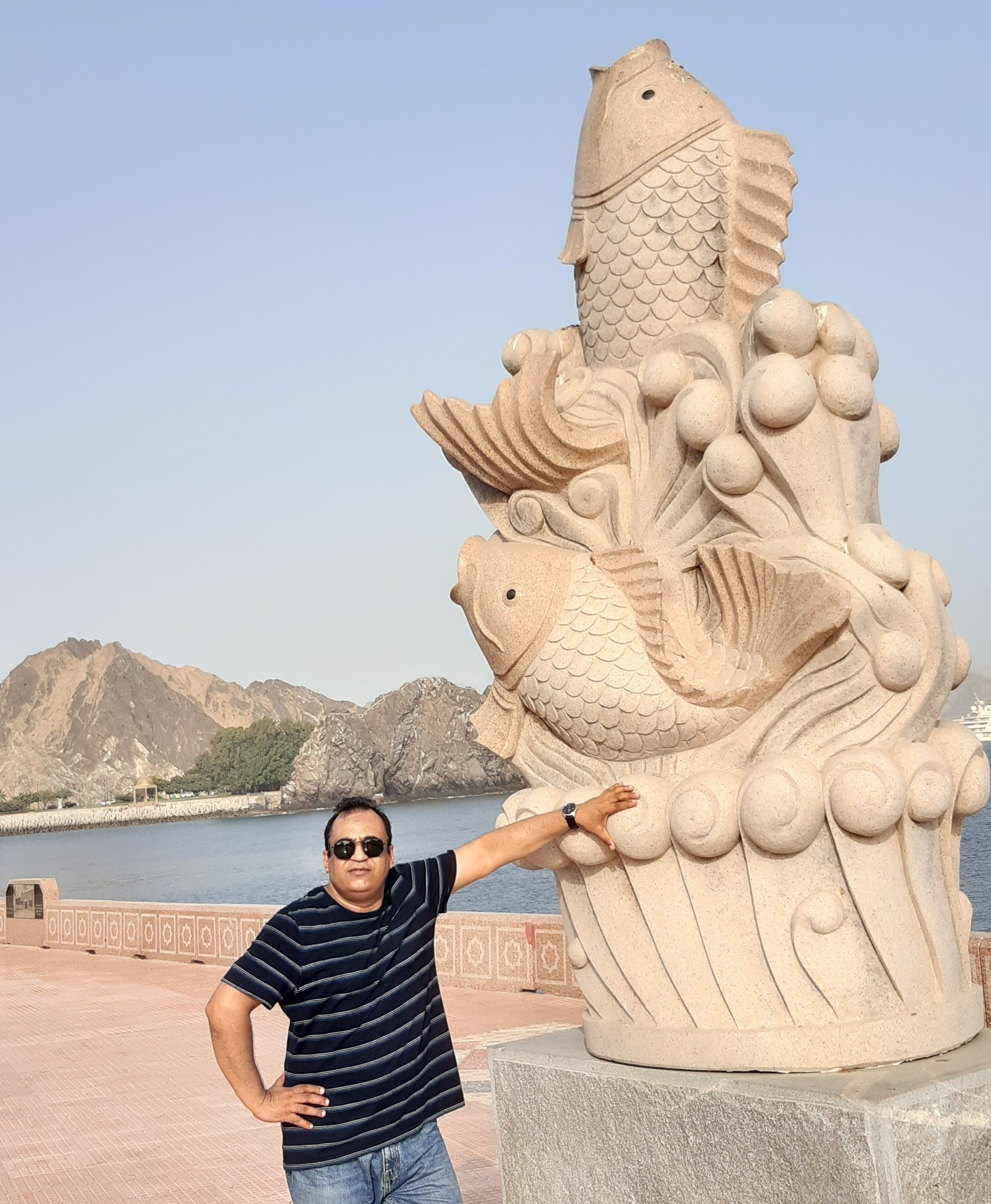
I recreated an old memory by taking a picture at the same spot with the historic Muttrah Fort in the background. I wouldn’t hesitate to endorse Muscat as a full-package holiday destination offering a fantastic range of memorable experiences.
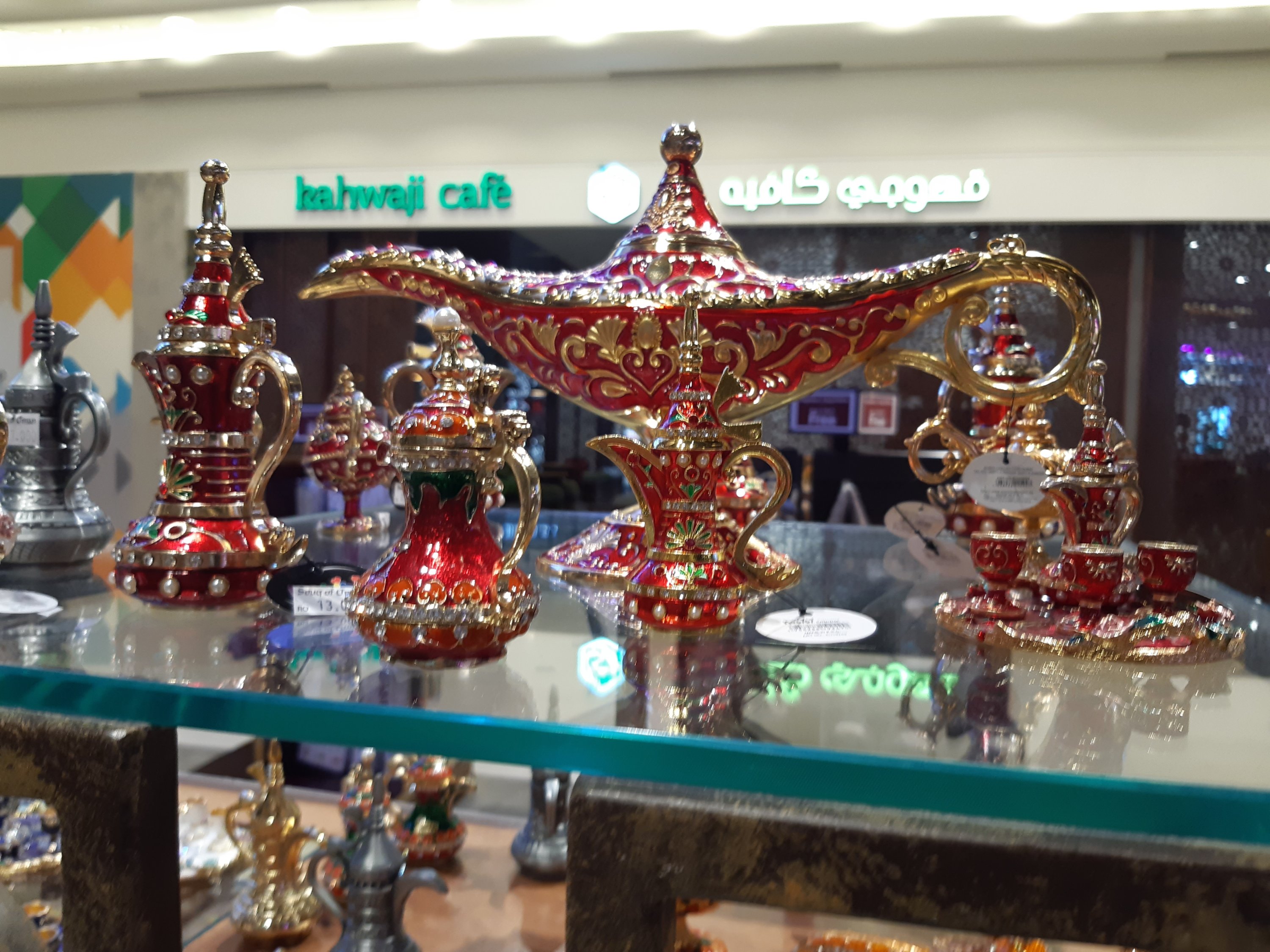
Muttrah Souq speaks volumes of its historical heritage, offering a wide variety of souvenirs, embroidered clothes, decorated pots, handmade jewelry, dried fruits, traditional Omani lanterns, perfumery (especially frankincense), tea and halwa. Omanis are generous by nature – at the University of Leeds, our colleague Mohammed Al-Ghafri often brought delicious Omani halwas to share.
Muttrah’s fish and vegetable markets are also worth visiting, especially if you enjoy freshly prepared coconut juice or want to explore authentic Omani cuisine.
Muscat’s summer and winter evenings bring myriad charms – walkable beaches, a peaceful environment and flavorsome cuisine. Javaid and Shazia planned an entire week of evening outings, beginning with a visit to a marvelous piece of modern art: Al-Ameen Mosque, built by the Saud Bahwan Group – one of Muscat’s renowned families.
Muhammad Al-Ameen Mosque stands out with its spectacular features – its white marble exterior, 24-karat gold-plated chandeliers embedded with Swarovski crystals and handwoven Persian carpets – earning it global admiration among majestic mosques.
The next two evenings were equally blissful and enriching. Meeting Pakistan’s Ambassador, Muhammad Imran Ali Chaudhry, was a memorable experience. An hour-long session filled with wisdom revealed the powerful impact of kind gestures, which often earn deep devotion from the public.
Ali’s greatest triumph lies in his humility and open-door policy – allowing Pakistani workers direct access to him during times of difficulty.
On another evening, we visited Iqbal Jaa’far, owner of Al-Haseena Jewelers in Ruwi and Dubai. Jaa’far reminded me of the virtues of humility and generosity. He shared stories of his father, who once gifted shops to staff members in Karachi’s shopping plaza. Despite having a domestic assistant, Jaa’far personally served us tea, cakes and homemade savories – an example of true humility.
I was reminded of a past visit where I met the late Abdul Sattar Basra, a prominent Pakistani and a close aide of Sultan Qaboos. The sultan gifted him a farm in Barka, adjacent to the farms of Omani dignitaries, reinforcing the idea that hospitality and generosity are deeply rooted in Omani culture.
At the dinner table, Javaid, Shazia and their children – Hamza, Aimen, Omar and Fatima – shared stories from school, college and work. Shazia fondly remembered Anna Lutton, a devoted revert Muslimah and teacher at Ibra College of Technology, who loved her time in the heavenly land of Oman.
Listening to Shazia’s stories, now a lecturer at the University of Technology and Applied Sciences, I felt my soul strengthened. Omani children, she explained, are well-mannered, cultured and view their teachers as parental figures, in line with Islamic teachings.
Considering my passion for travel, history and culture, Javaid proposed a visit to the shrine of Hazrat Mazin bin Ghadouba (RA) – a companion of the Prophet Muhammad (P.B.U.H) and Oman’s first Muslim – in Sumail the next morning.