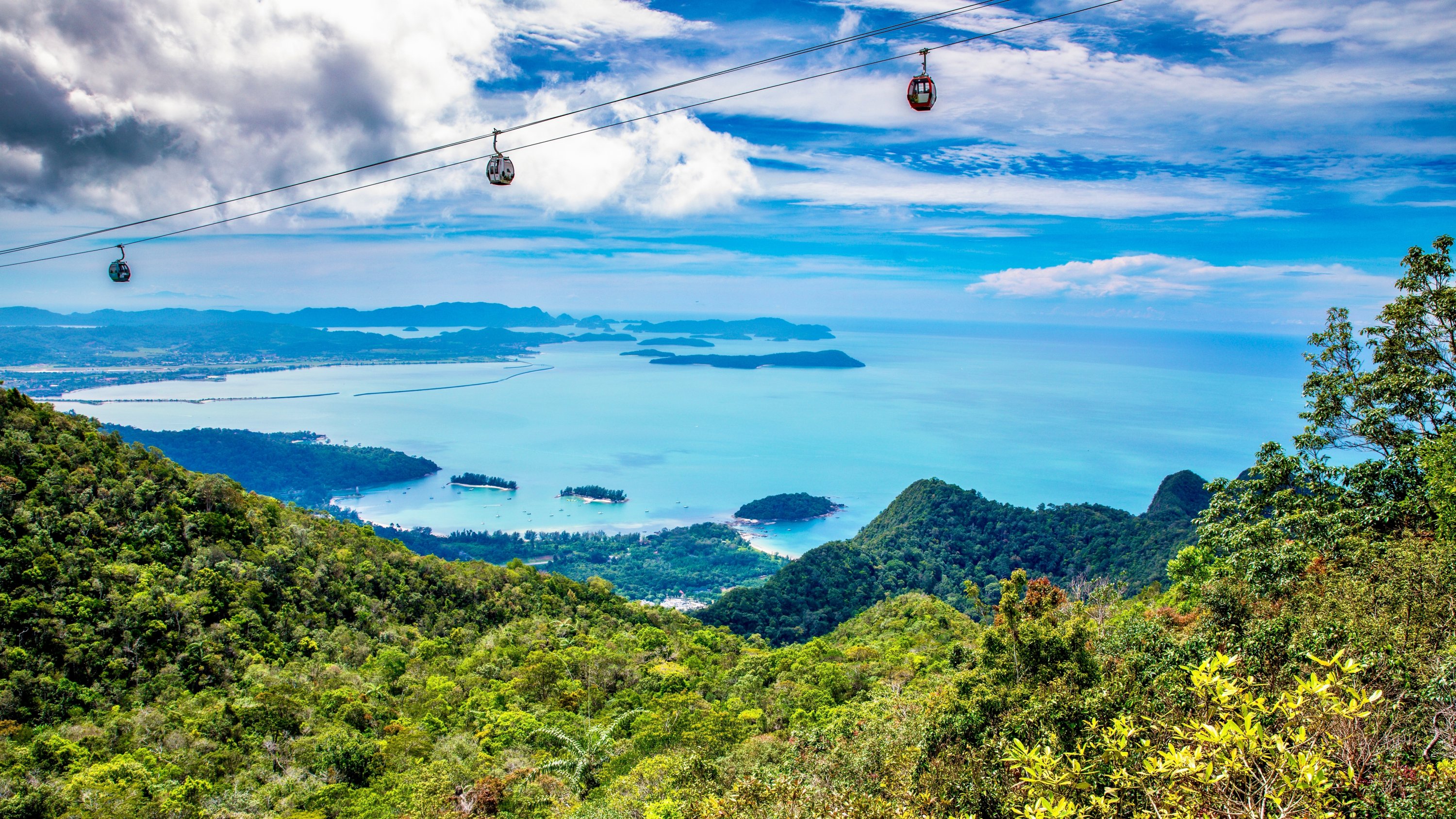
The longer you look at these hills, the clearer it becomes: life in Langkawi is ancient. The prehistoric flora dotting its limestone cliffs – some of the oldest in the world to have risen from the seabed – lends it the air of a land before time.
Langkawi is a 478.5 square kilometer (184.7 square miles) cluster of islands off the coast of northeastern Malaysia. It’s lovingly called the Jewel of Kedah, and for good reasons. It is home to over 99 islands of various shapes and sizes, many with pristine sea beaches, nestled in 550-million-year-old rock formations and under a canopy of dense mangrove forests.
This trove of natural gems earned the island a UNESCO World Geopark status in 2007 and drew nearly 2.9 million visitors in 2024 alone, generating an estimated $1.72 billion in tourism receipts, according to the Langkawi Development Authority (LADA).
However, things were not always rosy for Langkawi. According to a local legend, the island’s modern prosperity only began after a 200-year-old curse was lifted. In the late 18th century, a beautiful woman named Mahsuri was falsely accused of adultery by a jealous rival and sentenced to death.
As she was being executed, it is said she bled white blood – a sign of her innocence – and used her dying breath to curse Langkawi to be "barren and unprosperous" for seven generations. Historically, the island suffered from foreign invasions and economic hardship shortly after her death. Locals believe the curse finally ended in the 1980s, which coincides precisely with when Langkawi began to boom as a tourist destination.
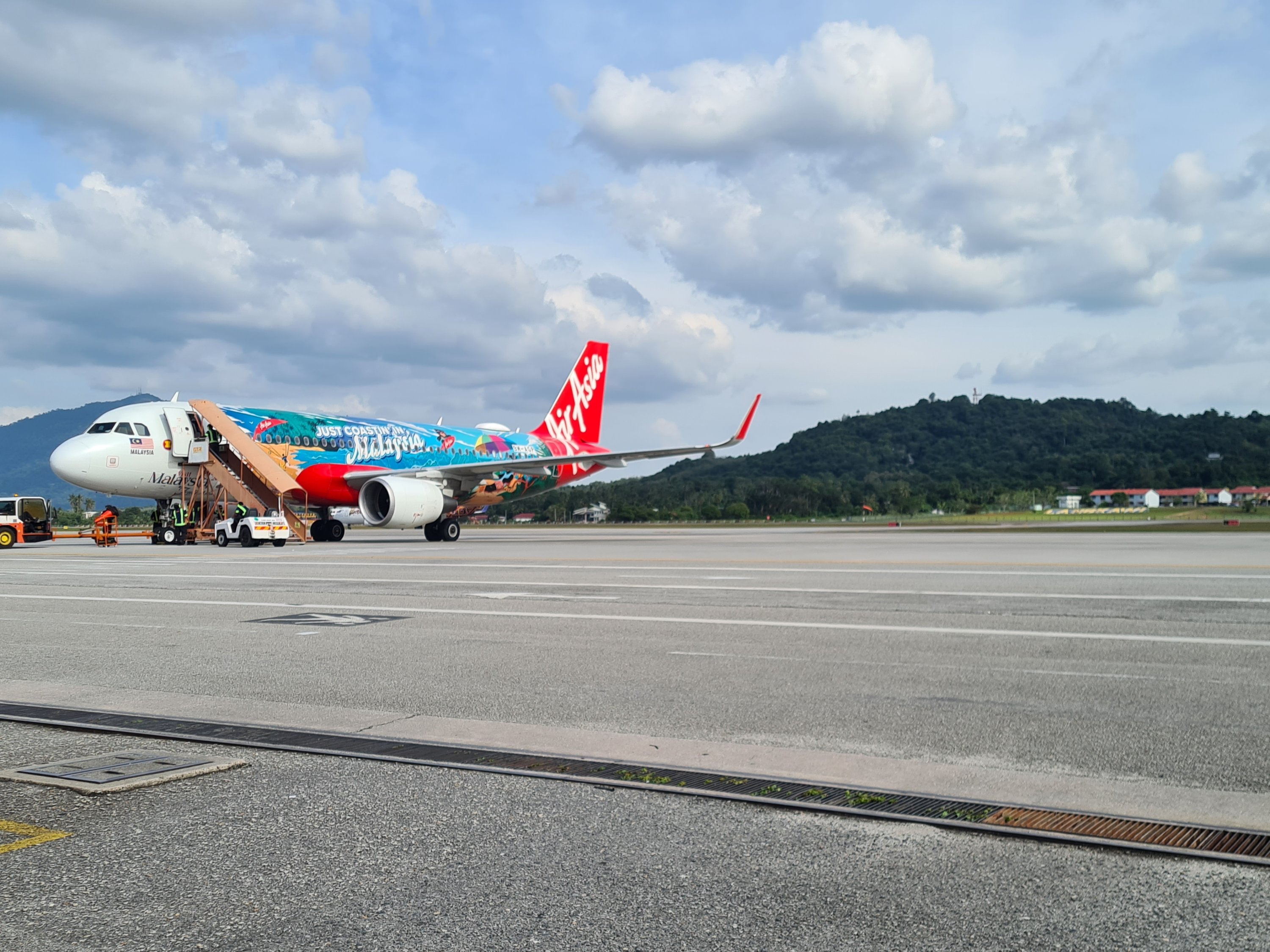
The flight from the capital Kuala Lumpur to Langkawi's tiny but well-maintained airport will take you around an hour. For Turkish travelers, wear light, breathable clothing and be ready for a warm – around 30 degrees Celsius (86 degrees Farenhiet) – welcome on the tarmac, thanks to its tropical monsoon climate.
The island offers one of the best road networks of any island in Southeast Asia, with well-paved, wide and scenic routes, making self-driving the No. 1 recommendation for tourists. The main "ring road" efficiently circles the island of 99,000 people and connects all six residential administrations or mukims: Ayer Hangat, Bohor, Kedawang, Kuah, Padang Matsirat and Ulu Melaka.
Across the six mukims, Langkawi offers a diverse choice for hospitality and dining – ranging from $15 hostels and $2 street food to thousand-dollar villas and Michelin-level restaurants.
In Pantai Cenang and Kuah, two of the busiest areas, you can easily find budget motels and hotels. For those looking for the ultra-luxury treatment – this is where Langkawi competes globally – head for Datai Bay and Tanjung Rhu for resorts offering restricted beaches, royal suites and private ocean-view villas.
However, Pantai Tengah is the "sweet spot" for many, especially families with young children, said Ibrahim Çağrı Sağlık, marketing manager at Tourism Malaysia Istanbul. It offers a choice of boutique resorts as well as 4 and 5-star hotels for moderate and affordable prices. Most offer complimentary breakfast with a selection of Western and Eastern cuisines, top-notch restaurants, beautiful regular and infinity pools overlooking the sea, while some have their own private beaches.
Once checked in, unpack and hit the poolside, lounge with your favorite novel, cocktail on the side and savor the midday sun. Then wind down further with a Dream Forest Langkawi night walk – a 1.2-kilometer (0.75-mile) illuminated trail through an ancient rainforest. With lights, soundscapes and immersive storytelling through animation, it blends the island’s history with legends – perfect for adults and young children alike.
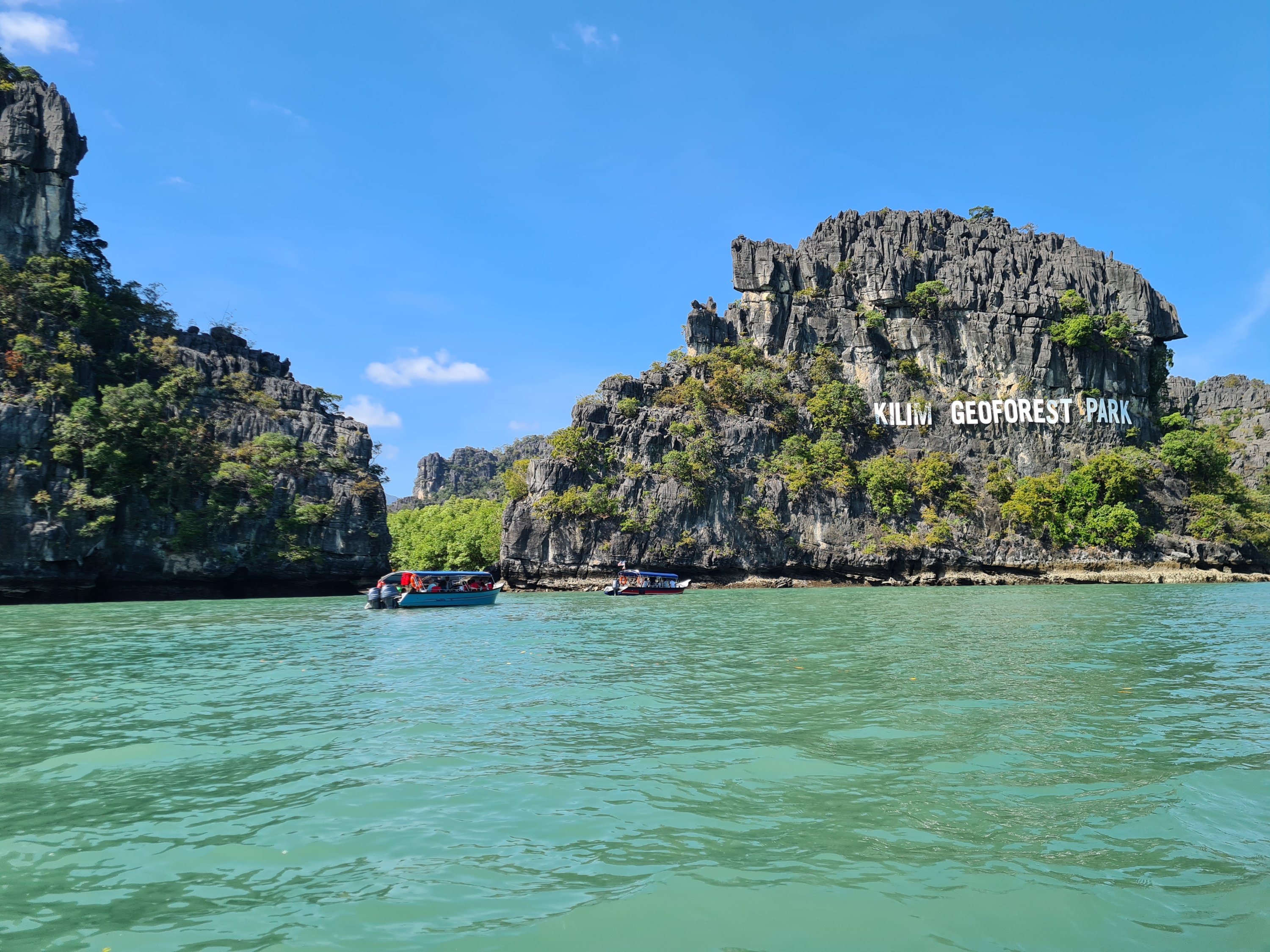
Next stop is the Kilim Geoforest Park, one of Langkawi Geopark’s three main conservation areas besides Machincang Cambrian Geoforest Park and Dayang Bunting Marble Geoforest Park.
Kilim feels like waking inside a real-life documentary of a mangrove forest, consisting of limestone caves and snaking rivers. The lush mangroves greet you first with their arching greenery, breathing roots and long-tailed macaques perched on branches and cliffs. Boats shuffle in and out of the numerous narrow channels, some of which can only be accessed at high tide.
One of the must-sees in Kilim is the Kelawar Cave, or the bat cave, a 60-meter (196.85-foot) limestone tunnel that houses hundreds of roosting bats. Inside, water drips steadily from stalactites to stalagmites, a slow conversation between stone and gravity. Watch your head inside the cave and when you exit, make sure to look up and you’ll spot a cycad – the so-called living fossil – clinging to a cliff face.
Back on the boat, the winding channels then carry you to an open gallery of natural sculptures, the Baby Face Rock, watched over by a larger, sterner Apache Face Rock. You may also explore the rows of busy floating fish farms and restaurants, awkwardly juxtaposed with a half-submerged boat and a visibly rundown dining deck.
Once ashore, top off your mangrove tour with a glass of delicious fresh coconut water or the Malaysian special, coconut shake!
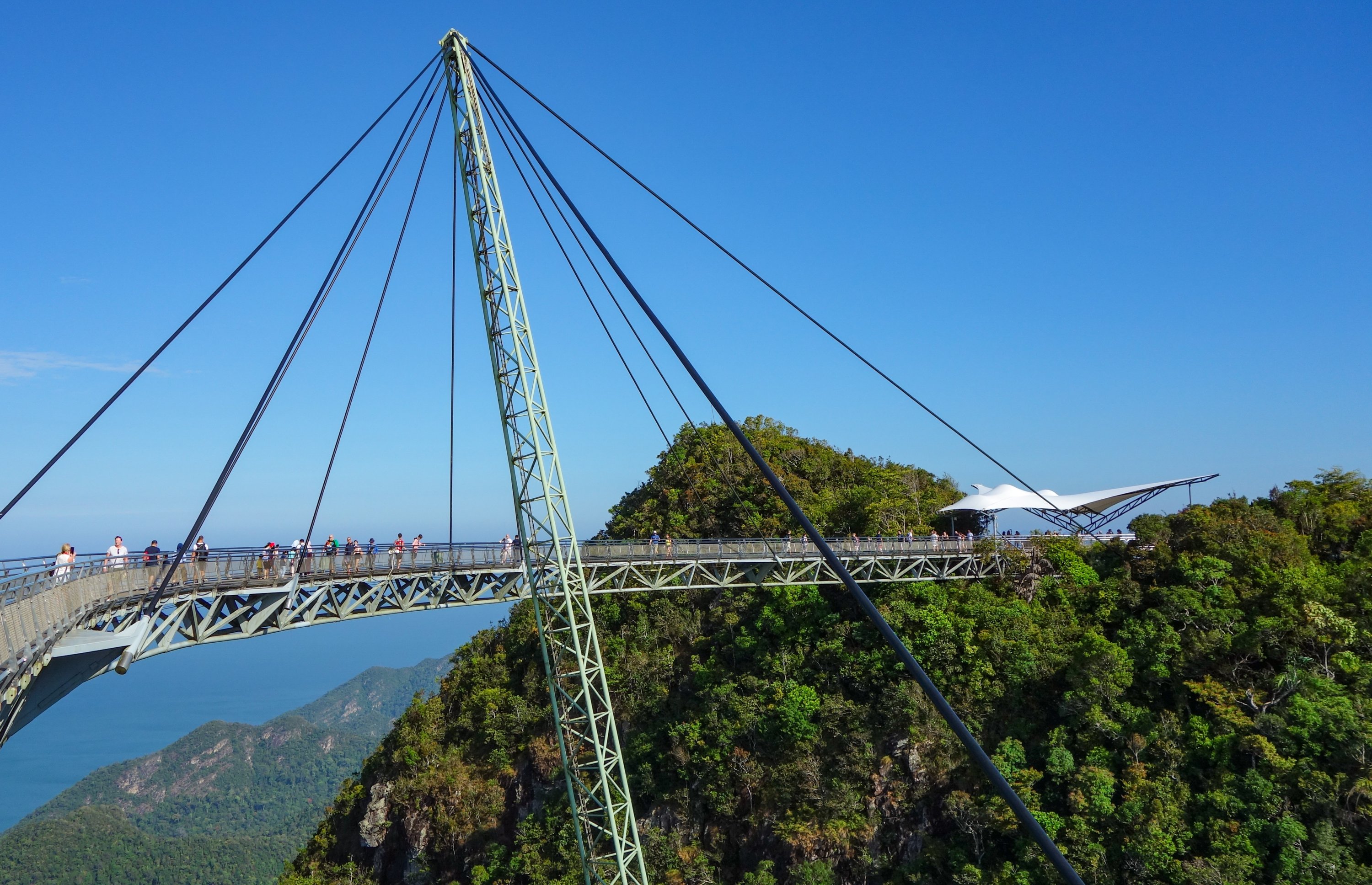
One of Langkawi’s most dramatic proofs of transformation from its agricultural roots to an almost entirely tourism-dependent economy stands at 660 meters above sea level: the Langkawi SkyBridge at the peak of Gunung Mat Chinchang.
A 30-minute drive from Kuah town and 15 minutes from Langkawi International Airport, the 125-meter pedestrian bridge, a marvel of modern engineering, can be reached by the 2.2-kilometer Langkawi SkyCab.
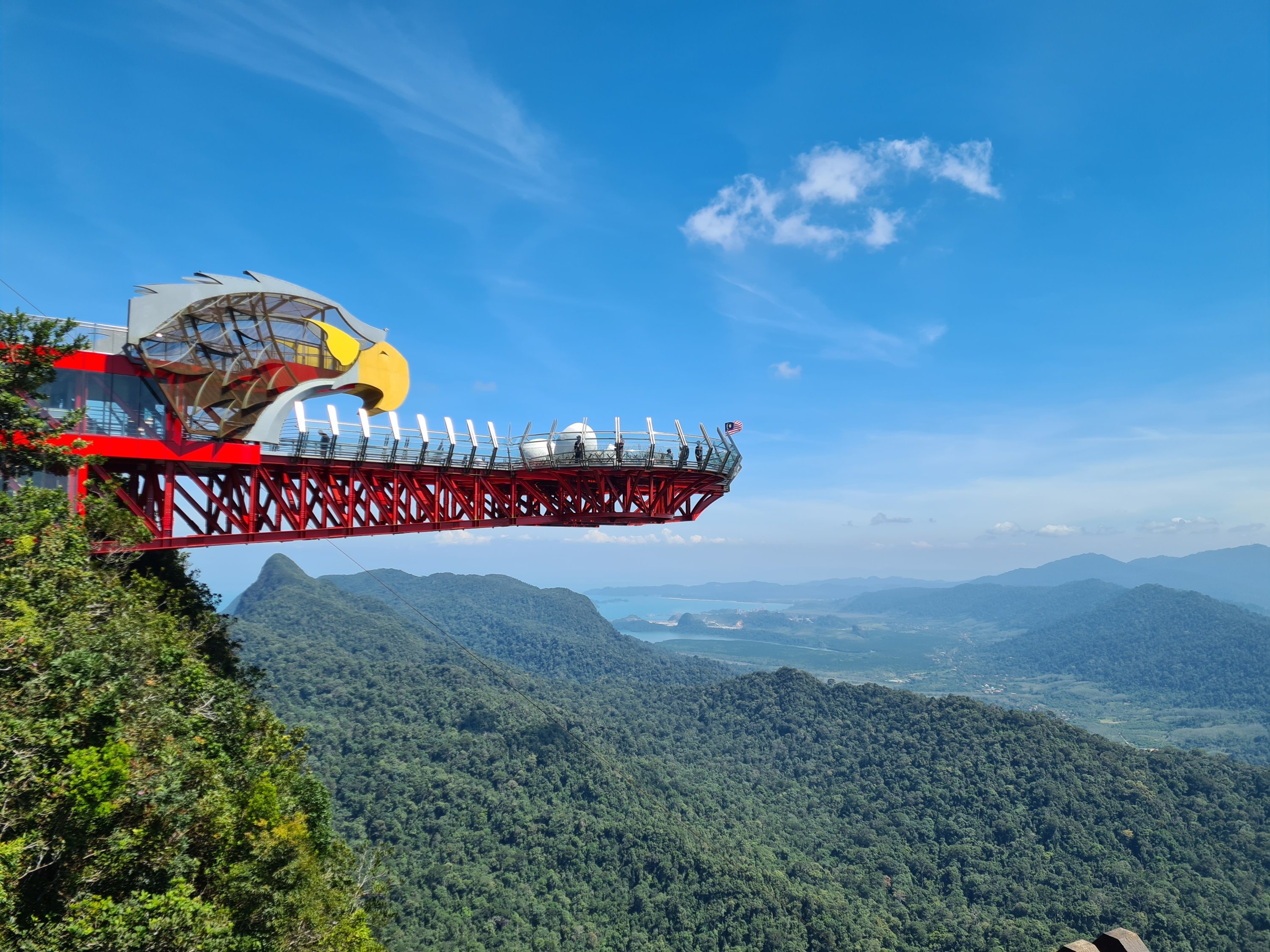
The SkyCab base station is located at the Oriental Village, a themed shopping center. From there, visitors can ride above the ancient Machincang range to first reach the newly opened Eagle’s Nest Skywalk, an observation deck made entirely of glass. It lets you hover over deep valleys, take in the surrounding mountains, while a Malaysian flag flutters proudly in the wind.
From the Eagle’s Nest, the SkyCab gondolas take visitors up to the SkyBridge, which offers panoramic views that stretch toward the Andaman Sea, surrounding islands and on a clear day into southern Thailand.
After a day in the highlands, unwind with a sunset dinner cruise or explore one of Langkawi’s night markets, famous for their selection of fresh fruits – from durians to rambutans – or freshly cooked local food, like Malaysia’s national dish nasi lemak, as well as satay and roti canai.
Finally, no Langkawi tour is complete without a day of island hopping on a Jet Ski and soaking up the sun at some of its unspoiled sea beaches.
Head off to Pantai Cenang for a thrilling hourslong guided tour across the island’s turquoise waters and explore up to eight islands, from the famous Tasik Dayang Bunting or Pregnant Maiden Lake, to the echo wall and other smaller islands, with stops for swimming, sightseeing and watching Langkawi’s symbol, the Brahminy kites in action.
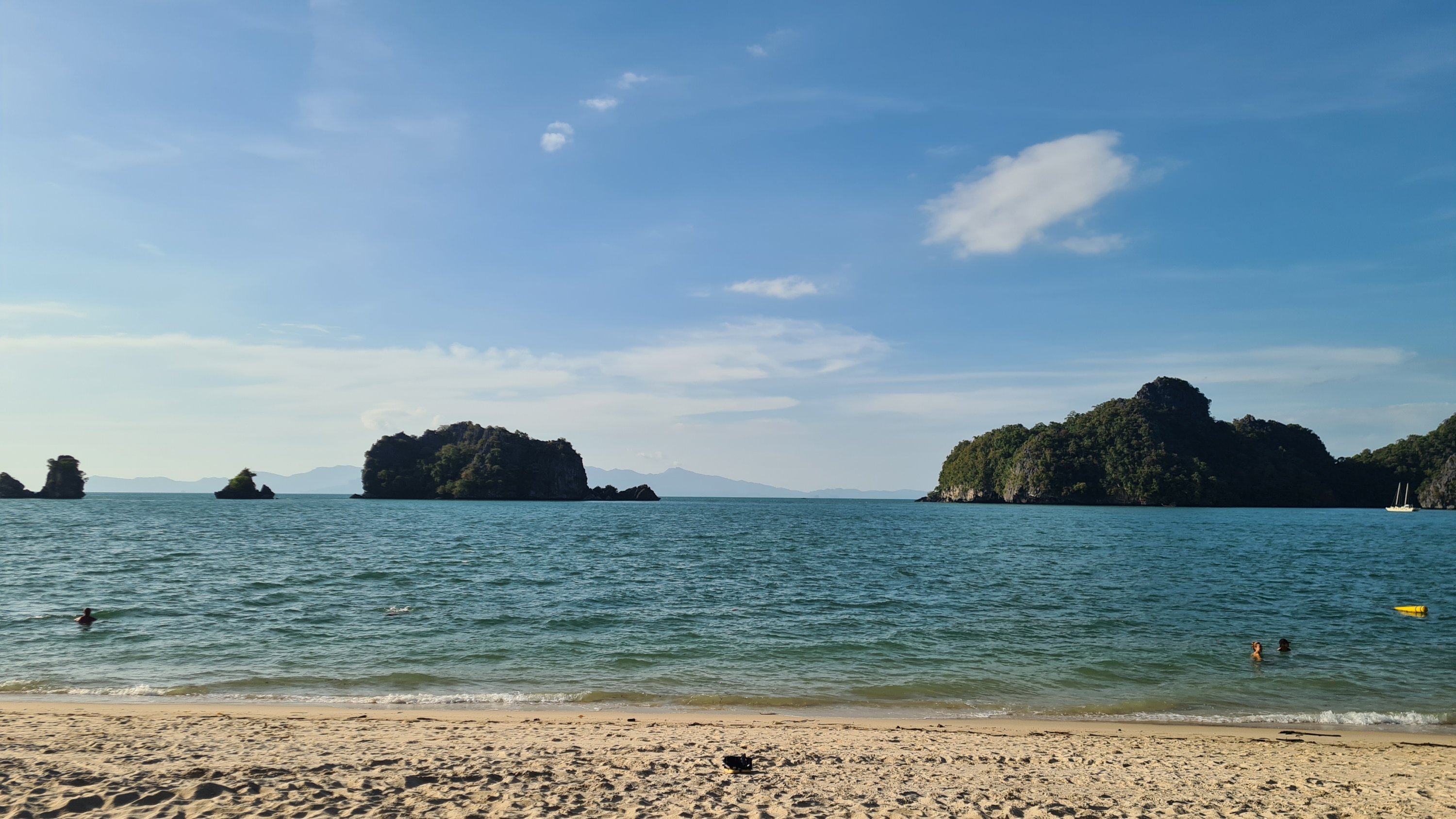
Langkawi is famous for its world-renowned coastline, where the turquoise waters of the Andaman Sea meet some of the world’s oldest rock formations and some of the softest white sand in Southeast Asia.
Pantai Cenang serves as the island's most famous and developed beach, stretching over 2 kilometers with fine, flour-like sand.
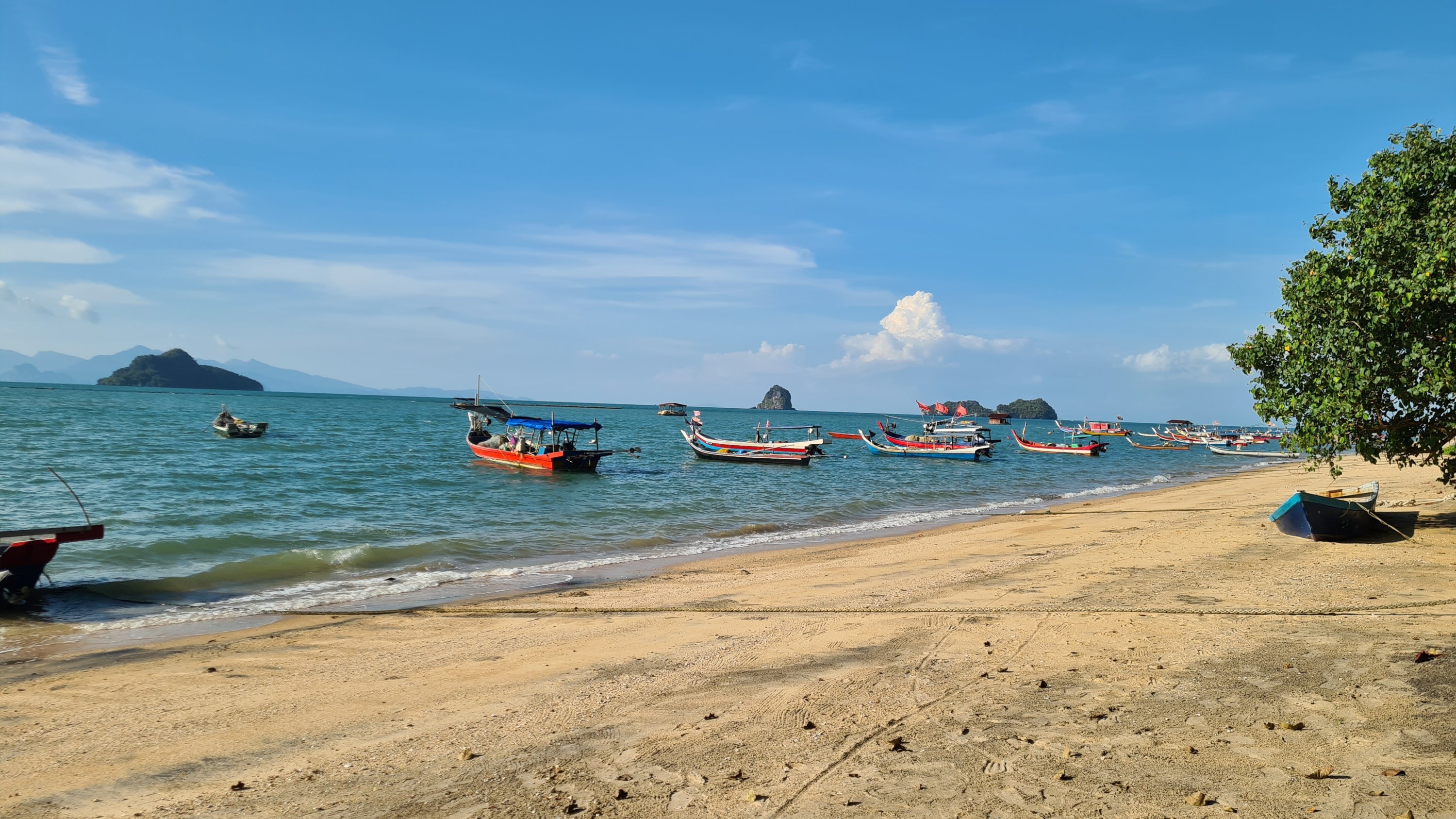
During the day, it is defined by the hum of Jet Skis, the colorful kites of parasailers dotting the horizon and a shoreline lined with duty-free shops and beach bars. In the evening, the beach transforms into a travelers' hot spot as people gather to watch the sunset.
For those seeking a more cinematic and tranquil escape, Pantai Tanjung Rhu sits on the northern coast, coved by ancient limestone crags that rise from the sea. The water here is notably clearer than on the western coast and the surrounding much quieter, making it the top choice for beach-goers who want to enjoy the sun, sand and sound of the waves.
5 must-do's in Langkawi
Visit the Kilim Geoforest Park
Soak up the sun at Pantai Tanjung Rhu
Ride a cable car to the Langkawi SkyBridge
Go island hopping on a Jet Ski from Pantai Cenang
Walk the Dream Forest Langkawi night trail