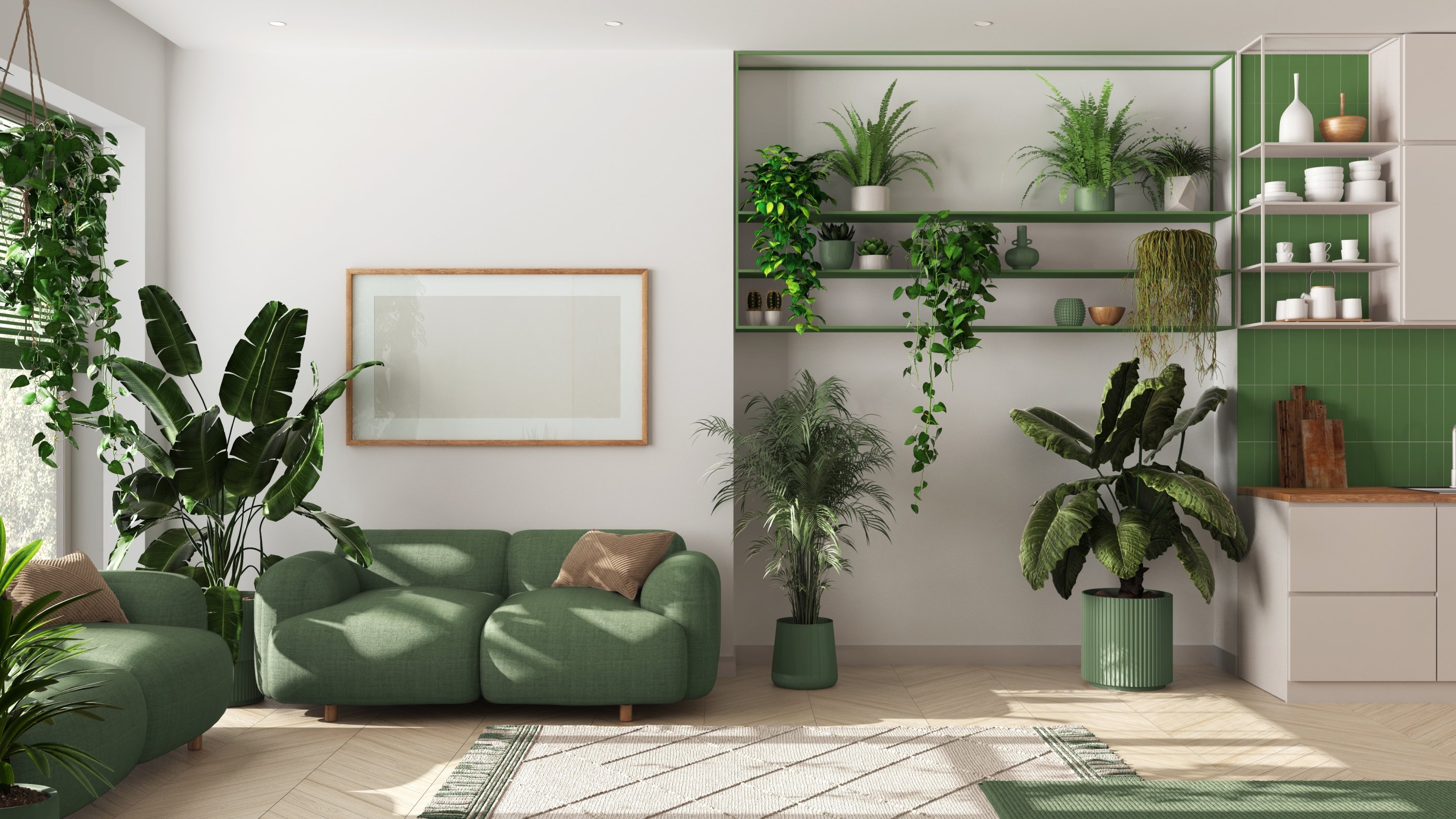
In modern urban life, where skyscrapers make it impossible to watch the sky and streets are drowned in concrete, people have become nostalgic for even the slightest shade of green. The desire for green is, in truth, a willingness to reinhabit time and space on more human terms, slower, softer and steadier. Perhaps that's precisely why we're turning our living rooms into indoor jungles. From monsteras to ficus trees, each leaf we nurture indoors whispers of a deeper yearning to reclaim the bond we once had with the natural world. The Urban Jungle is the reflection of this call in living spaces. This article explores why the growing presence of plants in our homes is a quiet and meaningful response to the psychological and emotional consequences of modern city life.
In a world dominated by technology and where city life becomes increasingly challenging, an environment where noise increases, greenery decreases and breathing space shrinks, the quiet growth of a small sprout becomes a symbol of inner resistance. The way we adorn our homes with large-leafed plants and transform our living rooms into flower gardens can be interpreted as an expression of a resolute desire to reestablish our inner rhythm, lost amid this hustle and bustle. In big cities like Istanbul, we have to look up between buildings to catch a glimpse of the sky. Over time, this physical distance from nature evolves into a spiritual absence. People seek to fill that void by bringing nature home, placing potted plants in living rooms, transforming balconies into miniature botanical gardens, or escaping momentarily into green-filled cafes to reclaim a sense of calm.
When real nature is out of reach, the Urban Jungle becomes a way of reviving its memory through image and atmosphere. Unable to walk barefoot on the earth or lean against a tree, people surround themselves with leafy symbols that echo a natural world they can no longer access directly. It’s as though they are unconsciously declaring, “I’m still alive, I remember the earth, I haven’t forgotten my roots.” In this way, the Urban Jungle becomes a gentle but insistent act of remembering and belonging.
The practice of Shinrin-yoku, "forest bathing," originated in Japan in the 1980s, which encourages people to open themselves to the presence of nature by being quietly immersed in a forest. No rituals or special techniques are required. Simply being aware and present in nature is sufficient. The idea behind this practice is clear: Human beings cannot be considered separate from nature because they are an extension of it. A plant grown at home is perhaps a scaled-down response to the lack of nature experienced in the city. There is a powerful connection between Urban Jungle and Shinrin-yoku: one brings nature in, the other takes the body into the heart of nature.
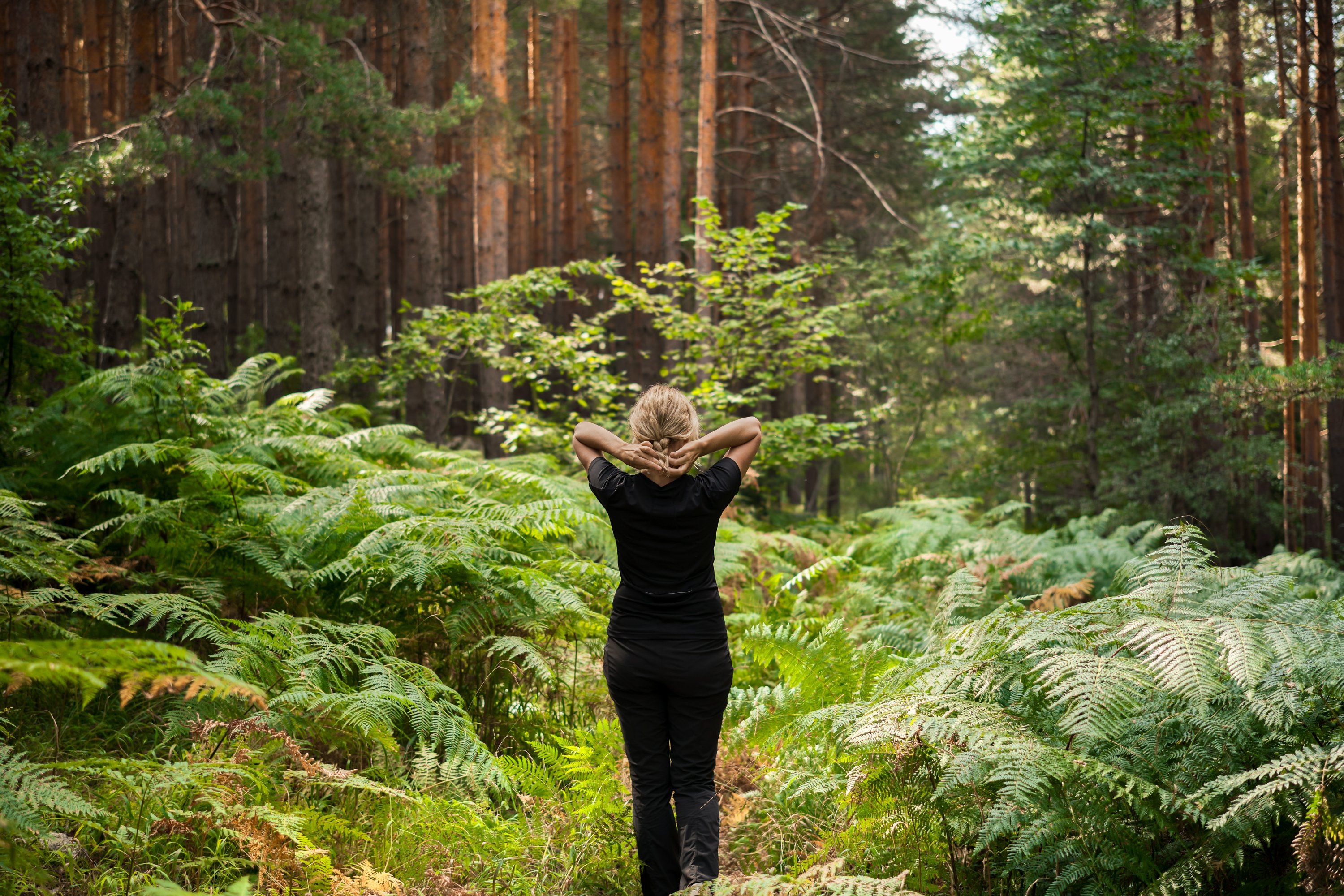
The psychological and physiological implications of this need are also scientifically supported. A 2013 Ecopsychology study shows that simply being in a natural garden reduces levels of the stress hormone cortisol. Another study published in Scientific Reports in 2020 reveals that the rhythmic and conscious nature of plant care, such as watering, planting seeds and pruning, reduces anxiety and calms the mind.
In Istanbul, where daily life often unfolds in confined and chaotic spaces, the Urban Jungle does more than soothe a longing; it becomes a creative strategy of survival. Rather than resisting the city’s weight, plants help soften it. They transform corners into sanctuaries, windowsills into landscapes and daily routines into quiet rituals of care. What begins as aesthetic often evolves into emotional reliance, a green refuge within the greyness.
Some critics argue that Urban Jungle fails to establish a genuine connection with nature, becoming merely an aesthetic representation of it. Viewed through Baudrillard's concept of simulacrum, this might be a "representation" of nature. However, one must ask the following question, if a representation feels good to a person, why question its reality?
Plants are living, breathing beings that can form emotional bonds with humans. Caring for them also means caring for ourselves. As modern life forces us into constant motion, plants remind us of slowness, patience and the possibility of living in harmony with the seasons. By their side, we learn to reestablish roots. And perhaps that quiet sprout in the heart of your home, like a silent spring, gently reminds you: Where do you belong?