Daily Sabah logo

Politics
Diplomacy Legislation War On Terror EU Affairs Elections News Analysis
TÜRKİYE
Istanbul Education Investigations Minorities Expat Corner Diaspora
World
Mid-East Europe Americas Asia Pacific Africa Syrian Crisis Islamophobia
Business
Automotive Economy Energy Finance Tourism Tech Defense Transportation News Analysis
Lifestyle
Health Environment Travel Food Fashion Science Religion History Feature Expat Corner
Arts
Cinema Music Events Portrait Reviews Performing Arts
Sports
Football Basketball Motorsports Tennis
Opinion
Columns Op-Ed Reader's Corner Editorial
PHOTO GALLERY
JOBS ABOUT US RSS PRIVACY CONTACT US
© Turkuvaz Haberleşme ve Yayıncılık 2025

Daily Sabah - Latest & Breaking News from Turkey | Istanbul

  • Politics
    • Diplomacy
    • Legislation
    • War On Terror
    • EU Affairs
    • Elections
    • News Analysis
  • TÜRKİYE
    • Istanbul
    • Education
    • Investigations
    • Minorities
    • Expat Corner
    • Diaspora
  • World
    • Mid-East
    • Europe
    • Americas
    • Asia Pacific
    • Africa
    • Syrian Crisis
    • Islamophobia
  • Business
    • Automotive
    • Economy
    • Energy
    • Finance
    • Tourism
    • Tech
    • Defense
    • Transportation
    • News Analysis
  • Lifestyle
    • Health
    • Environment
    • Travel
    • Food
    • Fashion
    • Science
    • Religion
    • History
    • Feature
    • Expat Corner
  • Arts
    • Cinema
    • Music
    • Events
    • Portrait
    • Reviews
    • Performing Arts
  • Sports
    • Football
    • Basketball
    • Motorsports
    • Tennis
  • Gallery
  • Opinion
    • Columns
    • Op-Ed
    • Reader's Corner
    • Editorial
  • TV
  • Opinion
  • Columns
  • Op-Ed
  • Reader's Corner
  • Editorial

Collective efforts sole way to beat COVID-19

by Kılıç Buğra Kanat

Oct 17, 2020 - 12:05 am GMT+3
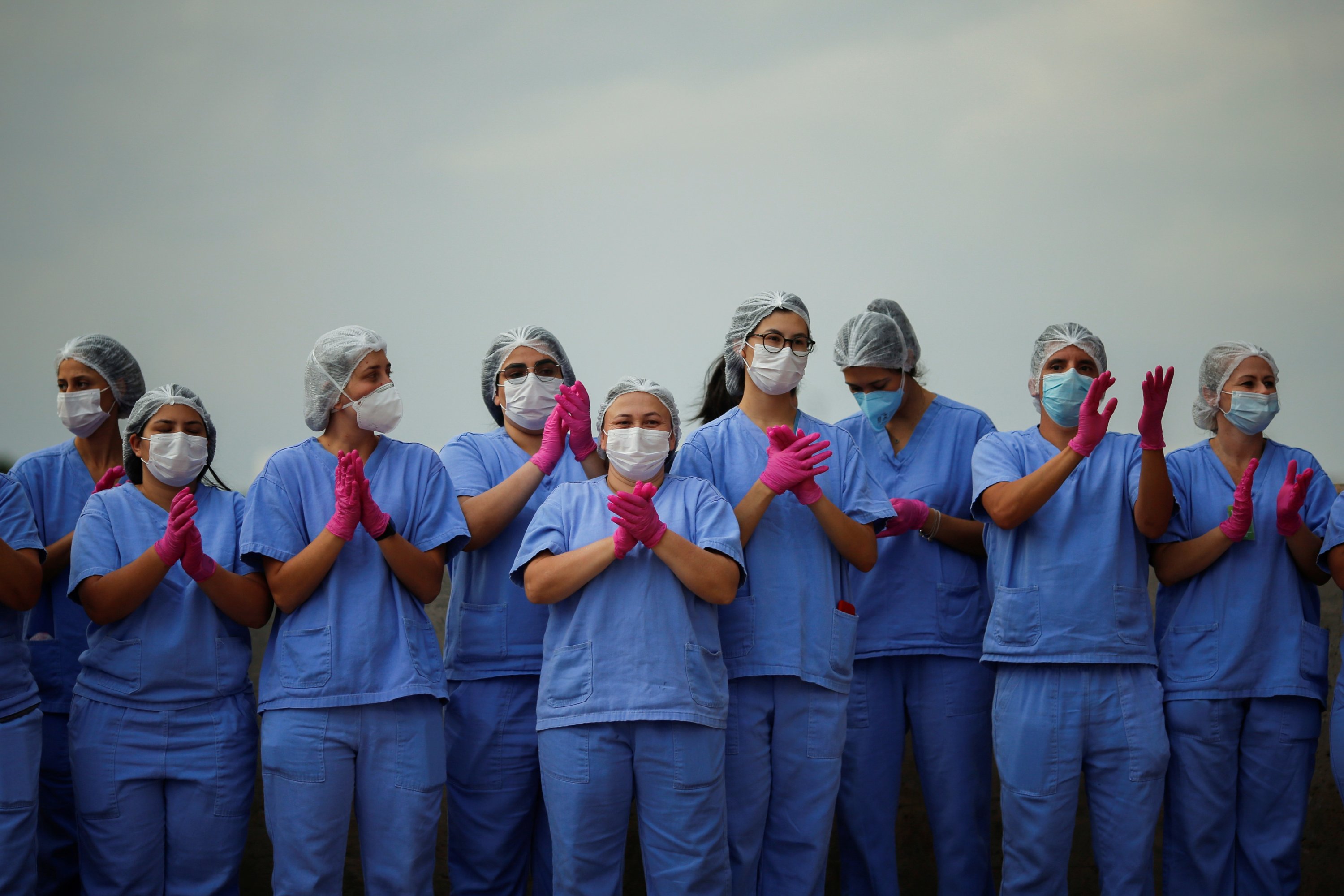
Health care workers celebrate as the last COVID-19 patients leave a temporary field hospital in Brasilia, Brazil, Oct. 15, 2020. (Reuters Photo)
by Kılıç Buğra Kanat Oct 17, 2020 12:05 am

After a spike in the number of COVID-19 cases over the past few weeks, many observers and experts have started to talk about a possible second wave of the outbreak, and this should not come as a surprise.

Since the beginning of the pandemic, many experts warned that a potential second wave may emerge in the fall and winter of 2020 and 2021. The same pattern was observed with the so-called Spanish Flu pandemic in 1917 and 1918. It rose in the spring and retreated in the summer months. However, it made a terrible comeback in the fall, when the majority of the people lost their lives as a result of contracting the virus in the later months of the year.

With the increasing number of infections, some countries around the world have already started to take precautions. France has adopted stay-at-home orders for specific hours, Italy is considering a total shutdown of some cities and Britain began to adopt strict limitations on social gatherings in closed spaces.

German Chancellor Angela Merkel has already warned Germany that Europe will have to face the second wave in the coming months.

The numbers in the U.S. are also bleak. The daily new cases rose to 60,000 this week as more than 20 states saw double-digit growth in COVID-19 cases.

The situation in Asia is not much different. India is grappling with a growing number of cases, while in Iran, the numbers have started to soar again. In fact, in all different regions around the world, we have seen a rapid increase in the number of cases. These increases also put significant pressure on the health sector. In some countries, more than 50% of hospital beds are already occupied by COVID-19 patients. The doctors and experts are concerned about the rapid rise in death rates.

Given the potential for a second wave, experts have requested that people around the world abide by health and safety rules. However, most of their warnings were largely ignored in the later months of summer. In some countries, people were too hasty to go back to normal life, forgetting about the abnormal situations that we had experienced earlier in the year.

In some other countries, like the U.S., the basic precautions against the coronavirus have become a political issue. Wearing a mask or believing in scientists' opinions about COVID-19 turned into one of the faultlines that divide the country.

In some countries, like Brazil, it took months to convince the president to believe in the existence of a pandemic around the world. When he started to show some signs of persuasion, it was already too late.

In the next few months, we will likely see a virus that once again targets people around the world. Regardless of the timetable for the vaccine, it would take some time to be able to vaccinate everyone. Thus for a certain period of time, we have to learn to be able to live with the virus.

The basic issues, including wearing masks and respecting social distancing measures, are right now the only solution to handle the crisis. Individuals should act responsibly and get ready to deal with a probable crisis in the holiday season in these countries.

The last six months showed that the problem is beyond the control of one single state and there should be collective efforts to find a solution. Increasing protectionism, xenophobia and dismissing science or scientists would not bring any positive outcome. The countries around the world should understand that we're all in the same boat. Only the idea of common destiny can unite the world against this terrible pandemic.


About the author
Kılıç Buğra Kanat is Research Director at SETA Foundation at Washington, D.C. He is an associate professor of Political Science at Penn State University, Erie.
  • shortlink copied
  • KEYWORDS
    coronavirus covid-19 pandemic world crisis
    The Daily Sabah Newsletter
    Keep up to date with what’s happening in Turkey, it’s region and the world.
    You can unsubscribe at any time. By signing up you are agreeing to our Terms of Use and Privacy Policy. This site is protected by reCAPTCHA and the Google Privacy Policy and Terms of Service apply.
    No Image
    Then and now: Japan marks 10 years since 2011 triple disaster
    PHOTOGALLERY
    • POLITICS
    • Diplomacy
    • Legislation
    • War On Terror
    • EU Affairs
    • News Analysis
    • TÜRKİYE
    • Istanbul
    • Education
    • Investigations
    • Minorities
    • Diaspora
    • World
    • Mid-East
    • Europe
    • Americas
    • Asia Pacific
    • Africa
    • Syrian Crisis
    • İslamophobia
    • Business
    • Automotive
    • Economy
    • Energy
    • Finance
    • Tourism
    • Tech
    • Defense
    • Transportation
    • News Analysis
    • Lifestyle
    • Health
    • Environment
    • Travel
    • Food
    • Fashion
    • Science
    • Religion
    • History
    • Feature
    • Expat Corner
    • Arts
    • Cinema
    • Music
    • Events
    • Portrait
    • Performing Arts
    • Reviews
    • Sports
    • Football
    • Basketball
    • Motorsports
    • Tennis
    • Opinion
    • Columns
    • Op-Ed
    • Reader's Corner
    • Editorial
    • Photo gallery
    • DS TV
    • Jobs
    • privacy
    • about us
    • contact us
    • RSS
    © Turkuvaz Haberleşme ve Yayıncılık 2021