Daily Sabah logo

Politics
Diplomacy Legislation War On Terror EU Affairs Elections News Analysis
TÜRKİYE
Istanbul Education Investigations Minorities Expat Corner Diaspora
World
Mid-East Europe Americas Asia Pacific Africa Syrian Crisis Islamophobia
Business
Automotive Economy Energy Finance Tourism Tech Defense Transportation News Analysis
Lifestyle
Health Environment Travel Food Fashion Science Religion History Feature Expat Corner
Arts
Cinema Music Events Portrait Reviews Performing Arts
Sports
Football Basketball Motorsports Tennis
Opinion
Columns Op-Ed Reader's Corner Editorial
PHOTO GALLERY
JOBS ABOUT US RSS PRIVACY CONTACT US
© Turkuvaz Haberleşme ve Yayıncılık 2025

Daily Sabah - Latest & Breaking News from Turkey | Istanbul

  • Politics
    • Diplomacy
    • Legislation
    • War On Terror
    • EU Affairs
    • Elections
    • News Analysis
  • TÜRKİYE
    • Istanbul
    • Education
    • Investigations
    • Minorities
    • Expat Corner
    • Diaspora
  • World
    • Mid-East
    • Europe
    • Americas
    • Asia Pacific
    • Africa
    • Syrian Crisis
    • Islamophobia
  • Business
    • Automotive
    • Economy
    • Energy
    • Finance
    • Tourism
    • Tech
    • Defense
    • Transportation
    • News Analysis
  • Lifestyle
    • Health
    • Environment
    • Travel
    • Food
    • Fashion
    • Science
    • Religion
    • History
    • Feature
    • Expat Corner
  • Arts
    • Cinema
    • Music
    • Events
    • Portrait
    • Reviews
    • Performing Arts
  • Sports
    • Football
    • Basketball
    • Motorsports
    • Tennis
  • Gallery
  • Opinion
    • Columns
    • Op-Ed
    • Reader's Corner
    • Editorial
  • TV
  • Opinion
  • Columns
  • Op-Ed
  • Reader's Corner
  • Editorial

Concept of 'strategic autonomy' rising globally

by Kerem Alkin

May 16, 2023 - 12:05 am GMT+3
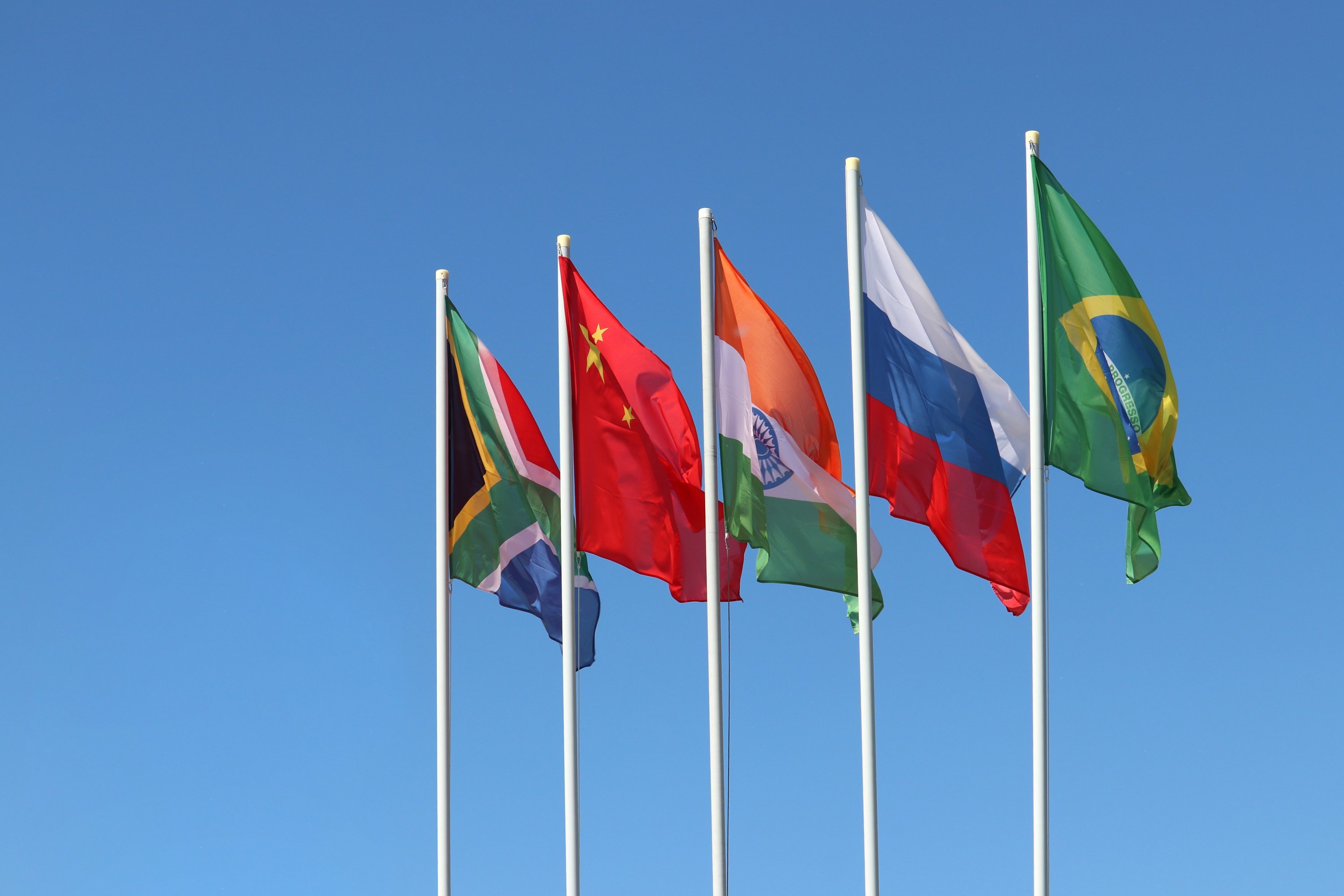
he countries that make up the Global South are discussing how they can develop more intensive cooperation in the global economic-political system on global and regional cooperation platforms such as BRICS (Brazil, Russia, India, China and South Africa) and the Shanghai Cooperation Organization (SCO). (Shutterstock Photo)
by Kerem Alkin May 16, 2023 12:05 am

The essence of 'strategic autonomy' is a nation maintaining strong alliances while thinking independently and acting in line with its own values and interests in a multipolar world

As you may know, the Non-Aligned Movement, which was formed by countries that did not want to take part in either the Atlantic Alliance or the "Iron Curtain" during the Cold War, is called the "Global South."

The countries that make up the Global South are discussing how they can develop more intensive cooperation in the global economic-political system on global and regional cooperation platforms such as BRICS (Brazil, Russia, India, China and South Africa) and the Shanghai Cooperation Organization (SCO). An important concept at the center of the discussions is strategic autonomy.

The essence of this concept is for a nation to maintain strong alliance relations while simultaneously cultivating the capacity to think independently and act based on its own values and interests within a multipolar world. It involves embracing a multilateral "open door policy" and prioritizing its own objectives.

Interestingly, the concept of strategic autonomy is not limited to countries of the "Global South," as it is also being deliberated among member states of the Atlantic Alliance. In a world where the global economic-political balance is shifting from the Atlantic to the Asia-Pacific, leading nations worldwide have experienced significant differences, conflicting ideas, and conflicting interests with their supposed alliance partners over the past 22 years of the 21st century.

Furthermore, they have faced inadequate support from these same allies during the COVID-19 pandemic and the ongoing Russia-Ukraine conflict, finding themselves in situations where self-reliance became paramount in ensuring the security of energy, food and health supplies.

Fragility of the trust

For this reason, regarding the 30-year period after the Cold War, all the leading countries of the world embraced the concept of strategic autonomy, and the indispensability of becoming a self-sufficient country in strategic fields such as defense, energy, agri-food, health, digital technology and logistics. The most critical problem that prioritizes and makes the concept of strategic autonomy so important is the fragility of the trust in the global multilateral system, the fairness and impartiality of the international organizations that represent it, and the transparency and justice of the decisions taken in these multilateral organizations. Accordingly, rebuilding full trust in the multilateral system will be a challenging task until the global economic-political system undergoes the necessary reforms to enhance its transparency, fairness and impartiality.

In fact, when we remember that the objective for the foundation of the U.N. Charter and its principles are to protect multilateralism, it would be appropriate to remember the big responsibility of multilateral organizations to re-strengthen the trust in the global multilateral system.

Currently, international multilateral organizations bear a greater responsibility to invite humanity to a "common destiny," to struggle together for lasting peace and stability on a global scale, to fight against poverty, and hunger, and against the global climate crisis.

For 10 years without interruption, Türkiye has been calling for the "building of a common destiny for humanity" in all international multilateral organizations.

Today, we clearly see that these calls are indispensable to regaining confidence in the global economic-political system. For this reason, we will continue to follow these ongoing discussions on a global scale and the search for solutions.


About the author
Kerem Alkin is an economist, professor at Istanbul Medipol University.
  • shortlink copied
  • KEYWORDS
    global south brics shanghai cooperation organization atlantic asia-pacific
    The Daily Sabah Newsletter
    Keep up to date with what’s happening in Turkey, it’s region and the world.
    You can unsubscribe at any time. By signing up you are agreeing to our Terms of Use and Privacy Policy. This site is protected by reCAPTCHA and the Google Privacy Policy and Terms of Service apply.
    No Image
    In photos: Russians protest jailing of Kremlin critic Navalny
    PHOTOGALLERY
    • POLITICS
    • Diplomacy
    • Legislation
    • War On Terror
    • EU Affairs
    • News Analysis
    • TÜRKİYE
    • Istanbul
    • Education
    • Investigations
    • Minorities
    • Diaspora
    • World
    • Mid-East
    • Europe
    • Americas
    • Asia Pacific
    • Africa
    • Syrian Crisis
    • İslamophobia
    • Business
    • Automotive
    • Economy
    • Energy
    • Finance
    • Tourism
    • Tech
    • Defense
    • Transportation
    • News Analysis
    • Lifestyle
    • Health
    • Environment
    • Travel
    • Food
    • Fashion
    • Science
    • Religion
    • History
    • Feature
    • Expat Corner
    • Arts
    • Cinema
    • Music
    • Events
    • Portrait
    • Performing Arts
    • Reviews
    • Sports
    • Football
    • Basketball
    • Motorsports
    • Tennis
    • Opinion
    • Columns
    • Op-Ed
    • Reader's Corner
    • Editorial
    • Photo gallery
    • DS TV
    • Jobs
    • privacy
    • about us
    • contact us
    • RSS
    © Turkuvaz Haberleşme ve Yayıncılık 2021