

Daily Sabah logo

Politics
Diplomacy Legislation War On Terror EU Affairs Elections News Analysis
TÜRKİYE
Istanbul Education Investigations Minorities Expat Corner Diaspora
World
Mid-East Europe Americas Asia Pacific Africa Syrian Crisis Islamophobia
Business
Automotive Economy Energy Finance Tourism Tech Defense Transportation News Analysis
Lifestyle
Health Environment Travel Food Fashion Science Religion History Feature Expat Corner
Arts
Cinema Music Events Portrait Reviews Performing Arts
Sports
Football Basketball Motorsports Tennis
Opinion
Columns Op-Ed Reader's Corner Editorial
PHOTO GALLERY
JOBS ABOUT US RSS PRIVACY CONTACT US
© Turkuvaz Haberleşme ve Yayıncılık 2025

Daily Sabah - Latest & Breaking News from Turkey | Istanbul

  • Politics
    • Diplomacy
    • Legislation
    • War On Terror
    • EU Affairs
    • Elections
    • News Analysis
  • TÜRKİYE
    • Istanbul
    • Education
    • Investigations
    • Minorities
    • Expat Corner
    • Diaspora
  • World
    • Mid-East
    • Europe
    • Americas
    • Asia Pacific
    • Africa
    • Syrian Crisis
    • Islamophobia
  • Business
    • Automotive
    • Economy
    • Energy
    • Finance
    • Tourism
    • Tech
    • Defense
    • Transportation
    • News Analysis
  • Lifestyle
    • Health
    • Environment
    • Travel
    • Food
    • Fashion
    • Science
    • Religion
    • History
    • Feature
    • Expat Corner
  • Arts
    • Cinema
    • Music
    • Events
    • Portrait
    • Reviews
    • Performing Arts
  • Sports
    • Football
    • Basketball
    • Motorsports
    • Tennis
  • Gallery
  • Opinion
    • Columns
    • Op-Ed
    • Reader's Corner
    • Editorial
  • TV
  • Opinion
  • Columns
  • Op-Ed
  • Reader's Corner
  • Editorial

Europe’s security paradigm: Germany-Russia relations

by İhsan Aktaş

Oct 04, 2025 - 12:05 am GMT+3
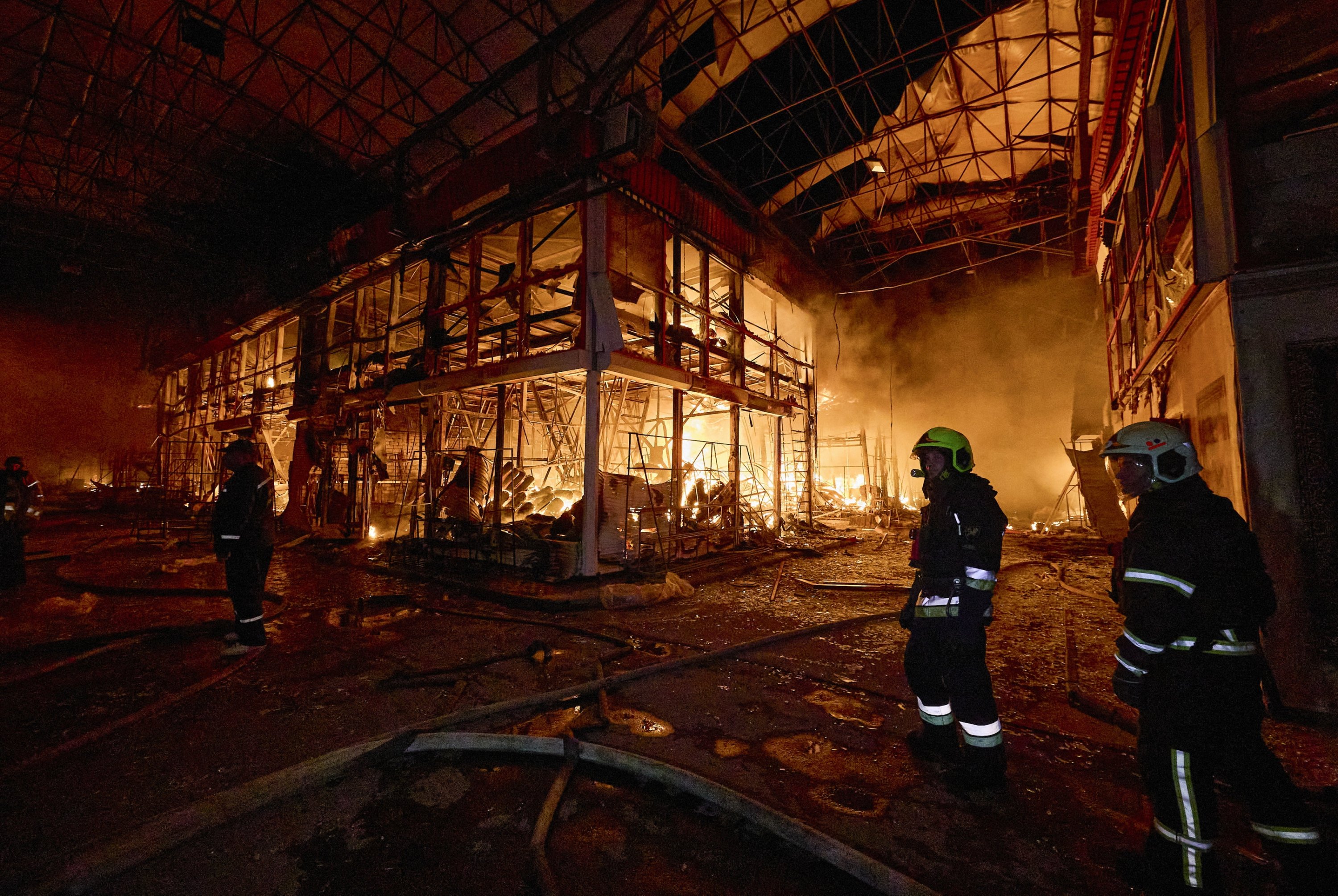
Ukrainian rescuers work to extinguish a fire at the site of a Russian strike on a marketplace, Kharkiv, northeastern Ukraine, Oct. 1, 2025. (EPA Photo)
by İhsan Aktaş Oct 04, 2025 12:05 am

The Ukraine war has exposed the fragility of Europe’s security paradigm, showing a continent once dependent on U.S. security guarantees and Russian energy now struggling to redefine its own strategic independence

In the aftermath of the Cold War, Germany and Russia entered an extraordinary period of rapprochement. Unlike other European countries, Germany became Russia’s closest partner in energy and technology, forging a near-symbiotic relationship from which both sides benefited.

Germany’s industrial might relied heavily on Russian oil and gas to power its factories and heat its homes. On the other hand, Russia, lagging behind technologically in its rivalry with the U.S., looked to German know-how to modernize.

Germany's economic engagement with Russia was extensive, with nearly all of its major corporations operating facilities there. This created a critical technological bridge, allowing Russia to supplement its access to Western technology with advanced German know-how and manufacturing processes.

Former German Chancellor Gerhard Schröder even served as an adviser to Gazprom, strengthening Moscow's position in Europe through public diplomacy and corporate influence.

Trump eras

When Donald Trump entered office in his first term, it became clear that the U.S. would abandon Europe largely to its own destiny. His successor, Joe Biden, reversed course, rallying European states under NATO’s umbrella and reviving the trans-Atlantic alliance.

However, this favorable environment did not last long: During Biden's time in power in the U.S., Europe found itself involved in the war in Ukraine, and questions arose as to whether this conflict was truly targeting Russia or whether it was actually a tool to weaken Europe as a future rival of the U.S.

After the Cold War and German reunification, there was briefly speculation that Germany might act as a more independent power. As Germany grew closer to Russia, some even predicted that Germany could compete with the U.S.

But Washington soon drew Europe into a conflict with Russia that deepened its dependence: Europe, with its vast energy needs met largely by Moscow, was forced to side with Ukraine out of basic security fears. The prolongation of the war has steadily weakened European states, deepening their strategic impasse.

Now, with Trump returning for a second term, Europe again faces the prospect of being left to its fate – this time still burdened by a war that places it under growing strain.

Once post-military

The Ukraine war has revealed an uncomfortable truth for Europe: During the Cold War, European states abandoned much of their military capacity. Environmentalism, green movements, gender equality, LGBTQ rights and other humanist causes came to dominate the social agenda, pushing military preparedness and security concerns to the sidelines. Protected by NATO and U.S. guarantees, Europeans outsourced strategic security matters to Washington.

When war came to their doorstep, however, Europe was forced to confront the reality of an extensive threat. Despite their bold words after Ukrainian President Volodymyr Zelenskyy was badly treated by Trump at White House meeting, European leaders could not do much more than push Ukraine’s president back to the negotiating table with the U.S.

Facing deep security anxieties vis-a-vis Russia, European states are now reconsidering their approach to Türkiye – a country they long resisted admitting into the EU. Given Türkiye’s rapidly developing defense industry and its position as NATO’s second-largest army, Europe may seek closer cooperation with Ankara to address its own security gaps.

Trump, meanwhile, is searching for a new balance in the Ukraine-Russia conflict. But his early missteps, which Russia quickly exploited, have only served to heighten Europe’s security concerns. And, the war has exposed the fragility of Europe’s security paradigm: a continent that once envisioned itself as post-military is now relearning the harsh realities of geopolitics.

About the author
İhsan Aktaş is Chairman of the Board of GENAR Research Company. He is an academic at the Department of Communication at Istanbul Medipol University.
  • shortlink copied
  • KEYWORDS
    germany-russia relations russia-ukraine war security europe
    The Daily Sabah Newsletter
    Keep up to date with what’s happening in Turkey, it’s region and the world.
    You can unsubscribe at any time. By signing up you are agreeing to our Terms of Use and Privacy Policy. This site is protected by reCAPTCHA and the Google Privacy Policy and Terms of Service apply.
    No Image
    In photos: Stampede during pilgrimage kills at least 44 in Israel
    PHOTOGALLERY
    • POLITICS
    • Diplomacy
    • Legislation
    • War On Terror
    • EU Affairs
    • News Analysis
    • TÜRKİYE
    • Istanbul
    • Education
    • Investigations
    • Minorities
    • Diaspora
    • World
    • Mid-East
    • Europe
    • Americas
    • Asia Pacific
    • Africa
    • Syrian Crisis
    • İslamophobia
    • Business
    • Automotive
    • Economy
    • Energy
    • Finance
    • Tourism
    • Tech
    • Defense
    • Transportation
    • News Analysis
    • Lifestyle
    • Health
    • Environment
    • Travel
    • Food
    • Fashion
    • Science
    • Religion
    • History
    • Feature
    • Expat Corner
    • Arts
    • Cinema
    • Music
    • Events
    • Portrait
    • Performing Arts
    • Reviews
    • Sports
    • Football
    • Basketball
    • Motorsports
    • Tennis
    • Opinion
    • Columns
    • Op-Ed
    • Reader's Corner
    • Editorial
    • Photo gallery
    • DS TV
    • Jobs
    • privacy
    • about us
    • contact us
    • RSS
    © Turkuvaz Haberleşme ve Yayıncılık 2021