Daily Sabah logo

Politics
Diplomacy Legislation War On Terror EU Affairs Elections News Analysis
TÜRKİYE
Istanbul Education Investigations Minorities Expat Corner Diaspora
World
Mid-East Europe Americas Asia Pacific Africa Syrian Crisis Islamophobia
Business
Automotive Economy Energy Finance Tourism Tech Defense Transportation News Analysis
Lifestyle
Health Environment Travel Food Fashion Science Religion History Feature Expat Corner
Arts
Cinema Music Events Portrait Reviews Performing Arts
Sports
Football Basketball Motorsports Tennis
Opinion
Columns Op-Ed Reader's Corner Editorial
PHOTO GALLERY
JOBS ABOUT US RSS PRIVACY CONTACT US
© Turkuvaz Haberleşme ve Yayıncılık 2025

Daily Sabah - Latest & Breaking News from Turkey | Istanbul

  • Politics
    • Diplomacy
    • Legislation
    • War On Terror
    • EU Affairs
    • Elections
    • News Analysis
  • TÜRKİYE
    • Istanbul
    • Education
    • Investigations
    • Minorities
    • Expat Corner
    • Diaspora
  • World
    • Mid-East
    • Europe
    • Americas
    • Asia Pacific
    • Africa
    • Syrian Crisis
    • Islamophobia
  • Business
    • Automotive
    • Economy
    • Energy
    • Finance
    • Tourism
    • Tech
    • Defense
    • Transportation
    • News Analysis
  • Lifestyle
    • Health
    • Environment
    • Travel
    • Food
    • Fashion
    • Science
    • Religion
    • History
    • Feature
    • Expat Corner
  • Arts
    • Cinema
    • Music
    • Events
    • Portrait
    • Reviews
    • Performing Arts
  • Sports
    • Football
    • Basketball
    • Motorsports
    • Tennis
  • Gallery
  • Opinion
    • Columns
    • Op-Ed
    • Reader's Corner
    • Editorial
  • TV
  • Opinion
  • Columns
  • Op-Ed
  • Reader's Corner
  • Editorial

'Intercontinental' strategic significance of Türkiye

by Kerem Alkin

Jun 17, 2023 - 12:05 am GMT+3
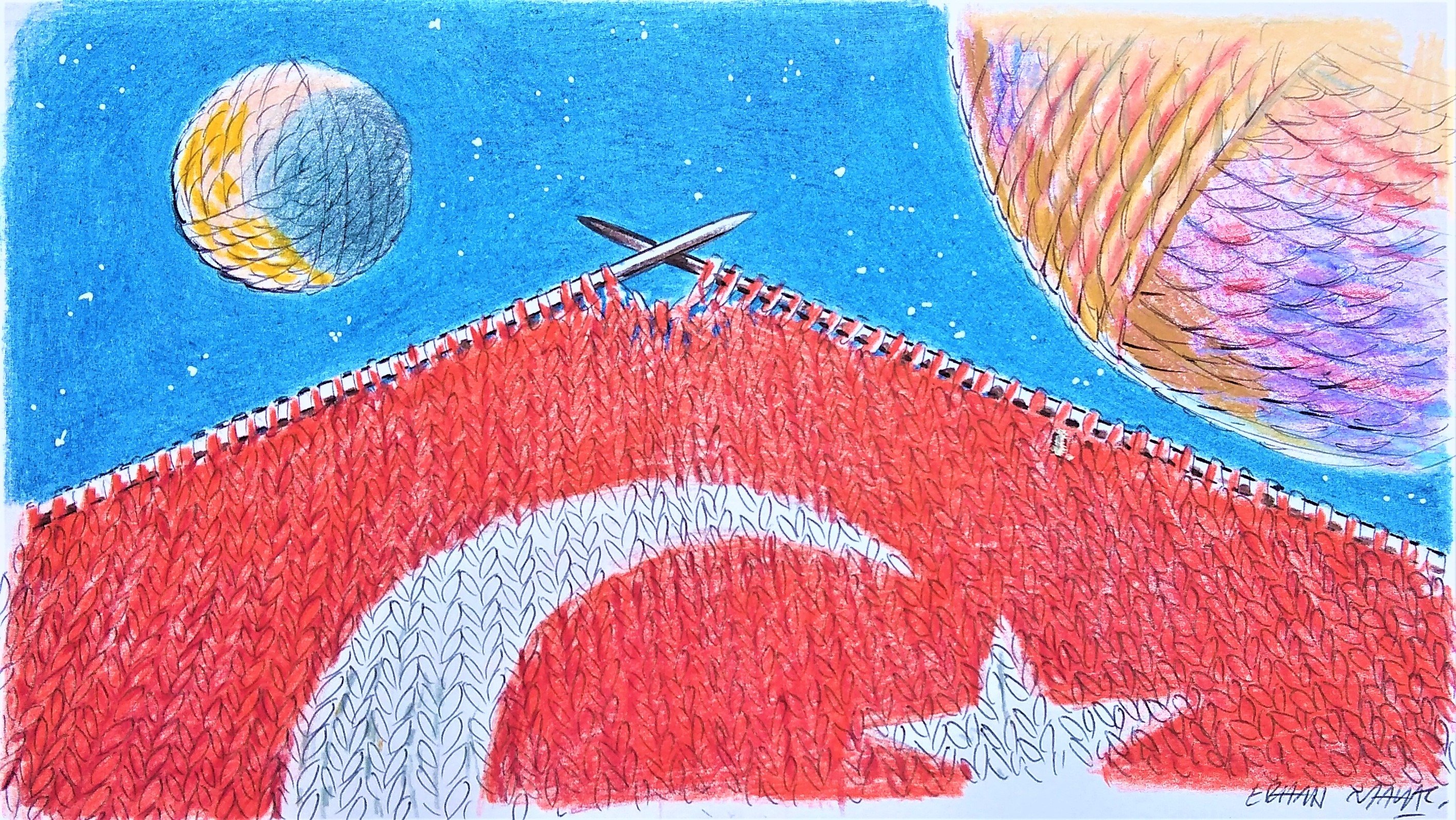
Türkiye never fully embraced the role assigned to it as "appropriate," recognizing that its role in the global economic and political system held potential beyond limited boundaries. (Illustration by Erhan Yalvaç)
by Kerem Alkin Jun 17, 2023 12:05 am

Türkiye, as a 'strategic bridge' between Europe and the Middle East, has acknowledged its broader potential and vital national interests since 1950

The Cold War, which profoundly impacted the global economy and politics between 1945 and 1990, intensified a significant political, commercial and military competition between the Western bloc and the Eastern bloc in the bipolar world.

Politically, there was a struggle to attract countries that chose not to align with either bloc, particularly between the United States and the Soviet Union. Regarding commercial competition, the General Agreement on Tariffs and Trade (GATT) and the Comecon opposed the European Economic Community (EEC). The Warsaw Pact opposed NATO on the military front, and intense competition was observed in the Korean and Vietnam wars. Throughout this period, Türkiye's position was that of a "strategic bridge" between Europe and the Middle East, encompassing political, commercial and military dimensions.

Türkiye never fully embraced the role assigned to it as "appropriate," recognizing that its role in the global economic and political system held potential beyond limited boundaries. Consequently, starting in 1950, Türkiye aimed to establish more balanced and meaningful relationships with the centers of power during that bipolar era, taking into account its vital national interests.

Unfortunately, the nation repeatedly faced interventions that were perceived as moving away from the Western bloc, resulting in accusations of being anti-democratic. The military coup in 1960, the military memorandum on March 12, 1971, one more military coup in 1980, the Feb. 28 postmodern coup and the 2007 memorandum, considered as a coup attempt, were severe shocks to Türkiye's global reputation and consecutive assaults on its civilian democracy. Regrettably, these incidents raised questions in the international arena regarding the rule of law and human rights for Türkiye.

Turkish people said 'never again'

Therefore, President Recep Tayyip Erdoğan's position as the first political leader in Turkish politics to demonstrate an unwavering and profound commitment to democracy highlights the nation's steadfast dedication to preserving its democratic achievements. The Turkish president has exhibited strong and determined leadership, championing the nation's democratic culture and heritage. Fortunately, this steadfastness has also led to the resounding defeat of the coup attempt orchestrated by the Gülenist Terror Group (FETÖ) on July 15, 2016. The historic unity displayed by the Turkish people in defense of democracy thwarted this act of treason. This pivotal moment in Turkish democracy also showcases the renewed confidence the Turkish population and the country's business sector have embraced since 2003. They have rallied behind President Erdoğan, the driving force behind this newfound confidence, and it has become abundantly clear to the international community that restricting Türkiye to a "narrowed" role, as dictated during the Cold War era, is no longer feasible.

Today, Türkiye is among the indispensable countries in the multifaceted cooperation network in production, energy, transportation, trade, and logistics between Asia, Europe and Africa.

In addition, the redeveloped network of relations with North America, particularly Latin America, enriches Türkiye's humanitarian and entrepreneurial diplomatic skills, complemented by trade, transportation and logistics, transforming our country into a "game-changer" that asserts its presence on five continents.

Hence, when considering national and indigenous advancements in energy, defense and digital technology, the understanding and definition of Türkiye's intercontinental strategic significance become even more significant. Consequently, we are committed to further enhancing Türkiye's intercontinental political, economic, commercial, military and intelligence diplomacy through initiatives such as the New Asia, Rising Africa and Latin America.


About the author
Kerem Alkin is an economist, professor at Istanbul Medipol University.
  • shortlink copied
  • KEYWORDS
    turkiye strategic bridge coup attempt global economy global politics
    The Daily Sabah Newsletter
    Keep up to date with what’s happening in Turkey, it’s region and the world.
    You can unsubscribe at any time. By signing up you are agreeing to our Terms of Use and Privacy Policy. This site is protected by reCAPTCHA and the Google Privacy Policy and Terms of Service apply.
    Maiden's Tower, Turkey
    23 of the world's most photographed landmarks
    PHOTOGALLERY
    • POLITICS
    • Diplomacy
    • Legislation
    • War On Terror
    • EU Affairs
    • News Analysis
    • TÜRKİYE
    • Istanbul
    • Education
    • Investigations
    • Minorities
    • Diaspora
    • World
    • Mid-East
    • Europe
    • Americas
    • Asia Pacific
    • Africa
    • Syrian Crisis
    • İslamophobia
    • Business
    • Automotive
    • Economy
    • Energy
    • Finance
    • Tourism
    • Tech
    • Defense
    • Transportation
    • News Analysis
    • Lifestyle
    • Health
    • Environment
    • Travel
    • Food
    • Fashion
    • Science
    • Religion
    • History
    • Feature
    • Expat Corner
    • Arts
    • Cinema
    • Music
    • Events
    • Portrait
    • Performing Arts
    • Reviews
    • Sports
    • Football
    • Basketball
    • Motorsports
    • Tennis
    • Opinion
    • Columns
    • Op-Ed
    • Reader's Corner
    • Editorial
    • Photo gallery
    • DS TV
    • Jobs
    • privacy
    • about us
    • contact us
    • RSS
    © Turkuvaz Haberleşme ve Yayıncılık 2021