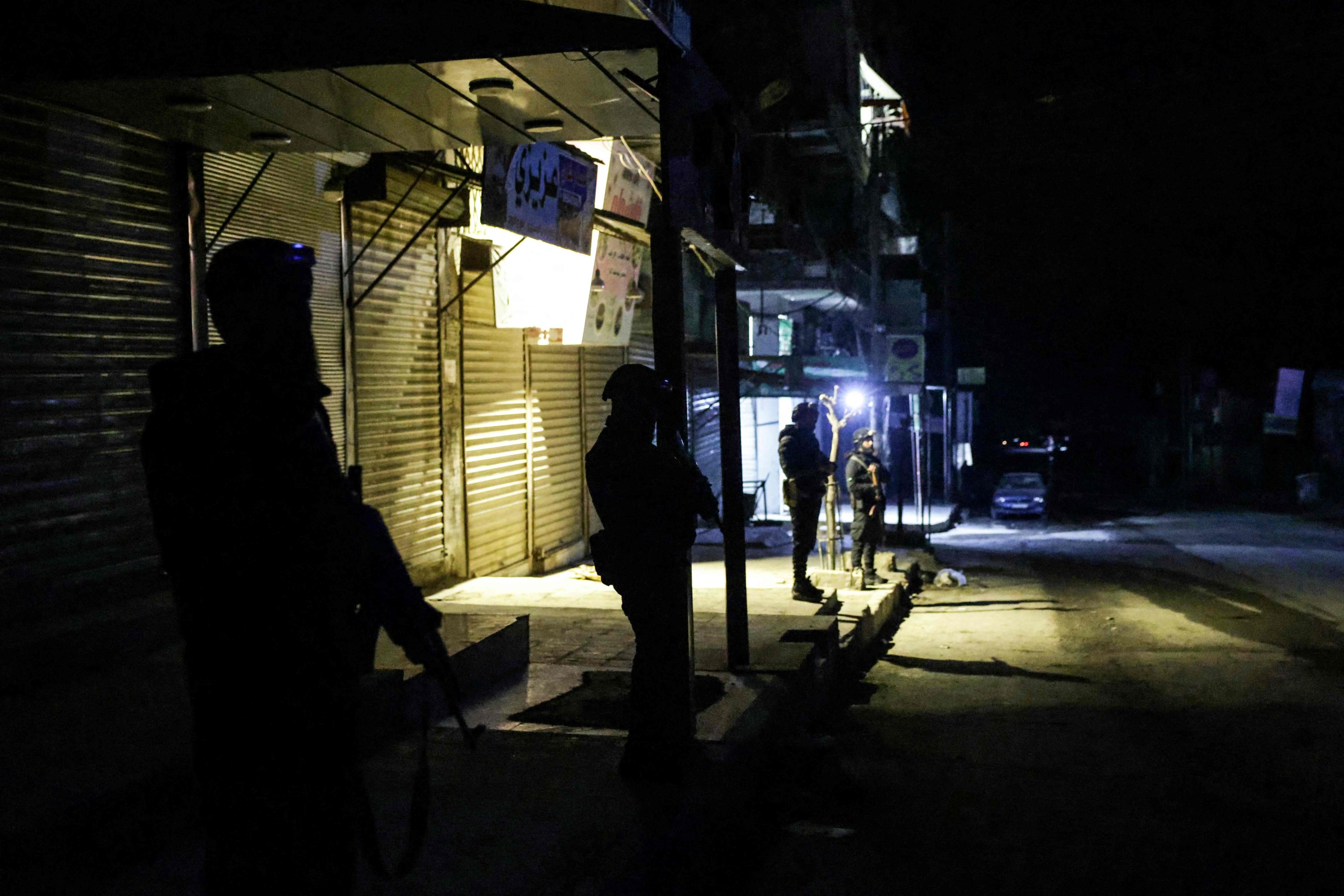
The Middle East region is undergoing a significant transformation. The region is on the brink of another major divide. On the one hand, Israel, the United Arab Emirates and India have formed a coalition that supports further fragmentation of the region and has caused numerous regional crises. On the other hand, Türkiye, Pakistan, Saudi Arabia and Egypt have come together to prevent further escalation of regional instability. While the first coalition has been largely exploiting the minorities living in the region and instrumentalizing them against their respective governments, the second coalition has been trying to accommodate all regional peoples and minorities, including the Kurdish people, for the benefit and stabilization of the region.
The Kurds are among the most sensitive actors living in areas of potential political instability. Today, there is a favorable political atmosphere in the region where Kurds can easily reach agreements with central governments, namely Türkiye, Iraq and Syria. From the Kurdish perspective, there are advantageous political understandings in all three countries. However, destabilizing actors such as Israel have been insistently trying to exploit the minority against the governments.
The Turkish government, under the leadership of President Recep Tayyip Erdoğan, has taken vital steps regarding the country's Kurdish community. Unlike the previous period, when the very existence of the Kurds was denied, the Erdoğan government has provided much-awaited rights to the Kurds. A state television channel that broadcasts in Kurdish 24 hours a day was established, for example. Likewise, numerous universities have opened departments for the study of Kurdish language, literature and culture. The government has also provided support to Kurdish-majority regions and contributed to their development, thus truly integrating them with the rest of the country.
Ankara recently launched a new process, the terror-free initiative, not only to solve its own terrorism problem, but also to secure its region from terror and political instability. The process was designed as a two-phase project, respectively a national and a regional phase. Concrete steps were taken to achieve this goal. On the one hand, following a series of meetings with jailed PKK leader Abdullah Öcalan, the terrorist group has decided to dissolve itself along with all its affiliated structures, lay down its weapons and withdraw completely from Türkiye. On the other hand, the PKK’s associates in the political sphere, such as the Peoples' Equality and Democracy Party (DEM Party), have decided to negotiate the process with the government and other political parties to end the long-standing violence and bring out a lasting solution to terrorism that has haunted the country for decades.
Erdoğan, who has repeatedly underlined the necessity of the reestablishment of a Kurdish, Turkish and Arab brotherhood, has clearly declared that those who turn toward Türkiye will win, and those who turn toward Israel are destined to lose. Thus, Erdoğan invited the Kurds of the region to cooperate with their respective central governments and contribute to the regional stability.
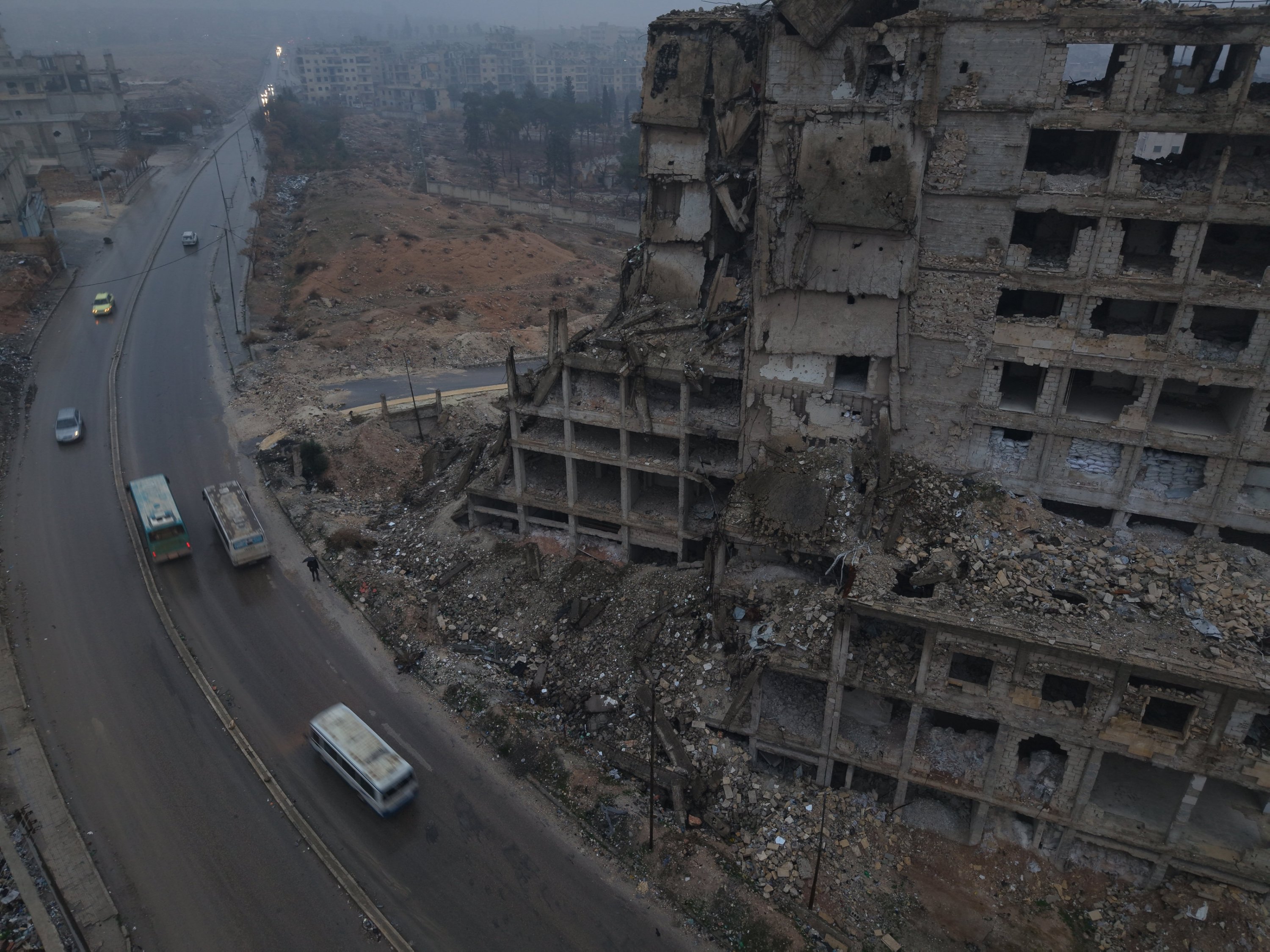
In Iraq, after the collapse of the Baath regime following the American invasion in 2003, the status of the Kurds was constitutionally defined. While they enjoy a high degree of regional autonomy, they have also been integrated with the central government. Kurds hold important positions, including in the presidency and the Foreign Ministry. In other words, the country introduced political stability regarding Kurds, and thus, Kurdish concerns were resolved in Iraq.
In Syria, the Baath regime, which denied citizenship rights to Kurds, entered a period of change in late 2024, marking the beginning of a new era. The new government in Damascus has asked the YPG, the Syrian offshoot of the PKK, to integrate with the central government. The YPG, which controls a large territory in the northeastern part of the country, signed an agreement with the Ahmad al-Shaara government on March 10, 2025, promising integration with the central government. However, the terrorist group has so far declined to keep its promise.
The YPG, which claims to represent the Syrian Kurds and clashes with the Syrian central government, only benefits Israel. They have, and will have, no function beyond being a pawn in interstate negotiations. The last century has been full of examples of how the external powers sold out the Kurds in interstate negotiations. The Kurds have been used by different regional and global powers against the central governments. They were provoked against the countries they live in. However, when the global powers or artificial regional regimes achieve their regional expectations, they leave the Kurds alone.
It is no secret that the YPG is pursuing an unrealistic and doomed policy that contradicts the regional realities. It managed to control the region with the military support and financial aid provided by the U.S. Therefore, the success achieved by the YPG is largely artificial. In other words, controlling a large territory without the support of an external power is almost impossible.
Similarly, cooperation with Israel will not legitimize the YPG. On the contrary, cooperation with destabilizing and illegitimate actors will create huge costs for the YPG and for the Kurdish people. Therefore, the only choice for the Kurdish people and the only viable strategy for the Kurdish political actors is to cooperate with the legitimate regional actors, who are their ancient brothers and close neighbors.