Daily Sabah logo

Politics
Diplomacy Legislation War On Terror EU Affairs Elections News Analysis
TÜRKİYE
Istanbul Education Investigations Minorities Expat Corner Diaspora
World
Mid-East Europe Americas Asia Pacific Africa Syrian Crisis Islamophobia
Business
Automotive Economy Energy Finance Tourism Tech Defense Transportation News Analysis
Lifestyle
Health Environment Travel Food Fashion Science Religion History Feature Expat Corner
Arts
Cinema Music Events Portrait Reviews Performing Arts
Sports
Football Basketball Motorsports Tennis
Opinion
Columns Op-Ed Reader's Corner Editorial
PHOTO GALLERY
JOBS ABOUT US RSS PRIVACY CONTACT US
© Turkuvaz Haberleşme ve Yayıncılık 2026

Daily Sabah - Latest & Breaking News from Turkey | Istanbul

  • Politics
    • Diplomacy
    • Legislation
    • War On Terror
    • EU Affairs
    • Elections
    • News Analysis
  • TÜRKİYE
    • Istanbul
    • Education
    • Investigations
    • Minorities
    • Expat Corner
    • Diaspora
  • World
    • Mid-East
    • Europe
    • Americas
    • Asia Pacific
    • Africa
    • Syrian Crisis
    • Islamophobia
  • Business
    • Automotive
    • Economy
    • Energy
    • Finance
    • Tourism
    • Tech
    • Defense
    • Transportation
    • News Analysis
  • Lifestyle
    • Health
    • Environment
    • Travel
    • Food
    • Fashion
    • Science
    • Religion
    • History
    • Feature
    • Expat Corner
  • Arts
    • Cinema
    • Music
    • Events
    • Portrait
    • Reviews
    • Performing Arts
  • Sports
    • Football
    • Basketball
    • Motorsports
    • Tennis
  • Gallery
  • Opinion
    • Columns
    • Op-Ed
    • Reader's Corner
    • Editorial
  • TV
  • Opinion
  • Columns
  • Op-Ed
  • Reader's Corner
  • Editorial

Postwar Türkiye-Saudi Arabia-Pakistan equation

by İhsan Aktaş

Apr 04, 2026 - 12:05 am GMT+3
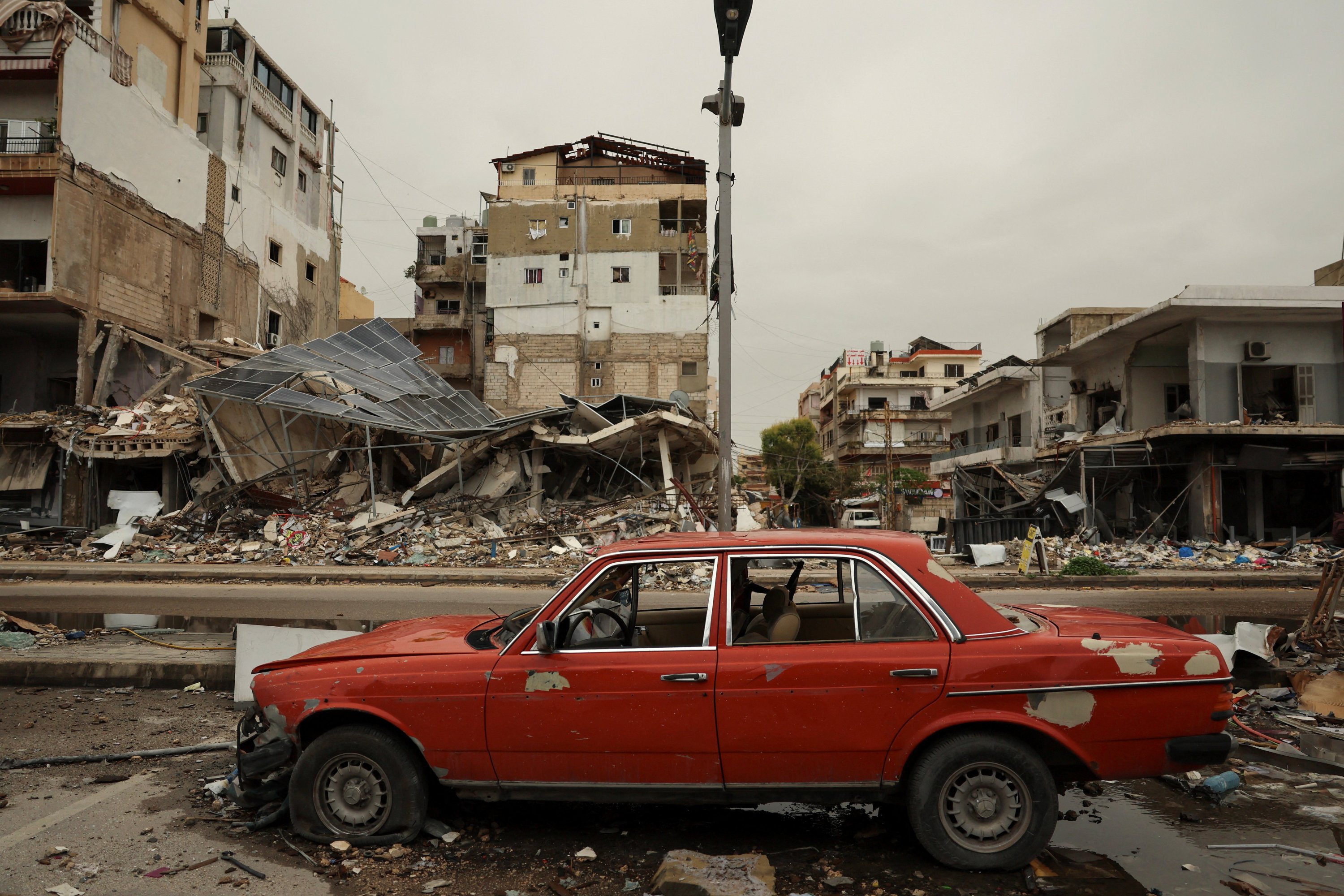
A car damaged in front of the rubble of a building destroyed by an Israeli strike as the U.S.-Israeli attacks on Iran continue, Tyre, Lebanon, April 2, 2026. (Reuters Photo)
by İhsan Aktaş Apr 04, 2026 12:05 am

The regional war reveals that U.S. power weakens its allies more than its enemies, accelerating a shift toward new regional alliances

Political scientist and former U.S. Secretary of State Henry Kissinger has an interesting phrase: “Being an enemy of the United States is dangerous, but being a friend is fatal.”

Throughout history, regional wars – major and minor, great conflicts of all scales – have marked the rise and fall of great powers.

When the Israel-U.S. war on Iran began, the U.S. side was very optimistic. They thought they would finish this war in three days, bring about regime change, and happily continue on their way.

In fact, I believe it was U.S. President Donald Trump's megalomania, coupled with the invasion of Venezuela, that largely brought the U.S. to this point. A leader as megalomaniacal as Trump was persuaded by Israel through meticulous planning. He was also fueled by the euphoria of an easy victory in Venezuela, a country far weaker than Iran. That victory was made possible thanks to those on his team who turned a blind eye to the arrest and rendition of the Venezuelan president. Thus encouraged, Trump plunged into war with Iran.

However, the Iran war has not unfolded as hoped. Judging by the current situation, the U.S. now wants to halt the fighting. Iran, on the other hand, is pursuing a lasting peace and shows no inclination toward a mere cease-fire.

For some reason, people are reminded of the British losing their global dominance during the Suez Canal intervention. However, it was World War II that played the major role in Britain losing its grip on world governance. In other words, the Suez affair should not be considered separately from the consequences of the World War II.

At this point, the U.S.’ friends have suffered far more damage than its enemies.

Looking at the Gulf countries, they have taken a massive blow – one that will take nearly a decade to recover from, as their conditions have deteriorated so badly. In fact, a country’s position is not only wounded by the places attacked. At the same time, in the Gulf countries – where a vast economy operates – the security of the economy and the search for safe havens for capital have been disrupted. The regional countries will not easily shake off this psychological impact.

The countries that have truly pursued peace – that is, the cease-fire process and peace itself – have been Türkiye and Pakistan. Türkiye, Pakistan and Saudi Arabia, resisting all the pressures from the U.S. to join the war, are making efforts to bring an end to the war.

Although Saudi-U.S. relations have developed behind the scenes, it appears that Trump has blamed Saudi Arabia and insulted the king. So, clearly, things behind the curtain are not going very well either.

After this war ends, everyone will be seeking new allies and innovative solutions. Of course, this new alliance will not mean the complete abandonment of old ones. Saudi Arabia will continue to engage in dialogue with the U.S., and Türkiye will maintain its close consultations with the West. Yet, I believe that every party will eventually set out on a path to diversify its own security architecture.

The Gulf countries, in particular, will play a leading role in this process. The rapprochement between Saudi Arabia, Türkiye and Pakistan could, in fact, serve as an umbrella and a guide for other nations.

And when one considers that Egypt, too, is likely to join this equation in the long run, then the quartet of Egypt, Türkiye, Pakistan and Saudi Arabia could fill a most critical void in the regional security architecture.

About the author
İhsan Aktaş is chairperson of the board of GENAR Research Company. He is also an academic at the Department of Communication at Istanbul Medipol University.
  • shortlink copied
  • KEYWORDS
    iran war türkiye-saudi arabia relations türkiye-pakistan relations us foreign policy
    The Daily Sabah Newsletter
    Keep up to date with what’s happening in Turkey, it’s region and the world.
    You can unsubscribe at any time. By signing up you are agreeing to our Terms of Use and Privacy Policy. This site is protected by reCAPTCHA and the Google Privacy Policy and Terms of Service apply.
    No Image
    In photos: Sydney faces worst floods in 60 years
    PHOTOGALLERY
    • POLITICS
    • Diplomacy
    • Legislation
    • War On Terror
    • EU Affairs
    • News Analysis
    • TÜRKİYE
    • Istanbul
    • Education
    • Investigations
    • Minorities
    • Diaspora
    • World
    • Mid-East
    • Europe
    • Americas
    • Asia Pacific
    • Africa
    • Syrian Crisis
    • İslamophobia
    • Business
    • Automotive
    • Economy
    • Energy
    • Finance
    • Tourism
    • Tech
    • Defense
    • Transportation
    • News Analysis
    • Lifestyle
    • Health
    • Environment
    • Travel
    • Food
    • Fashion
    • Science
    • Religion
    • History
    • Feature
    • Expat Corner
    • Arts
    • Cinema
    • Music
    • Events
    • Portrait
    • Performing Arts
    • Reviews
    • Sports
    • Football
    • Basketball
    • Motorsports
    • Tennis
    • Opinion
    • Columns
    • Op-Ed
    • Reader's Corner
    • Editorial
    • Photo gallery
    • DS TV
    • Jobs
    • privacy
    • about us
    • contact us
    • RSS
    © Turkuvaz Haberleşme ve Yayıncılık 2021