Through a rational approach to governance, the ruling Justice and Development Party (AK Party) governments have sought to address the country’s requirements gradually, in their proper context and at the appropriate time. One of the most visible achievements of the AK Party era was the establishment of a broad transportation and logistics ecosystem – from highways and logistics corridors to ports and airports.
This was later expanded into sectors such as health care and education, as the government continued building Türkiye’s broader infrastructure ecosystem.
Another major achievement of the AK Party governments, despite ongoing political debate, has been the substantial investment directed toward Turkish cities. From infrastructure and water supply to modern housing and natural gas distribution, Türkiye’s urban centers were equipped with many of the essential services required by a growing society.
Focusing specifically on the energy ecosystem, Türkiye has long occupied a strategic position in transporting oil and natural gas from east to west through pipeline networks carrying resources from Iraq, Azerbaijan and Russia via routes such as Yumurtalık. At the same time, the essence of an energy ecosystem lies in ensuring the secure supply, distribution, and sustainability of the energy the country requires.
Indeed, one of the main reasons Türkiye has not been excessively alarmed during the recent Israel-U.S.-Iran crisis is the resilience of the energy ecosystem it has built over the years.
Globally, hydrocarbons – fossil fuels – still remain the primary source for meeting energy demand. Within this framework, Türkiye has taken significant steps to make the best possible use of hydrocarbon reserves located within its own territory.
During Berat Albayrak’s tenure as energy minister, notable progress was achieved in the exploration and production of mining resources, natural gas, and oil.
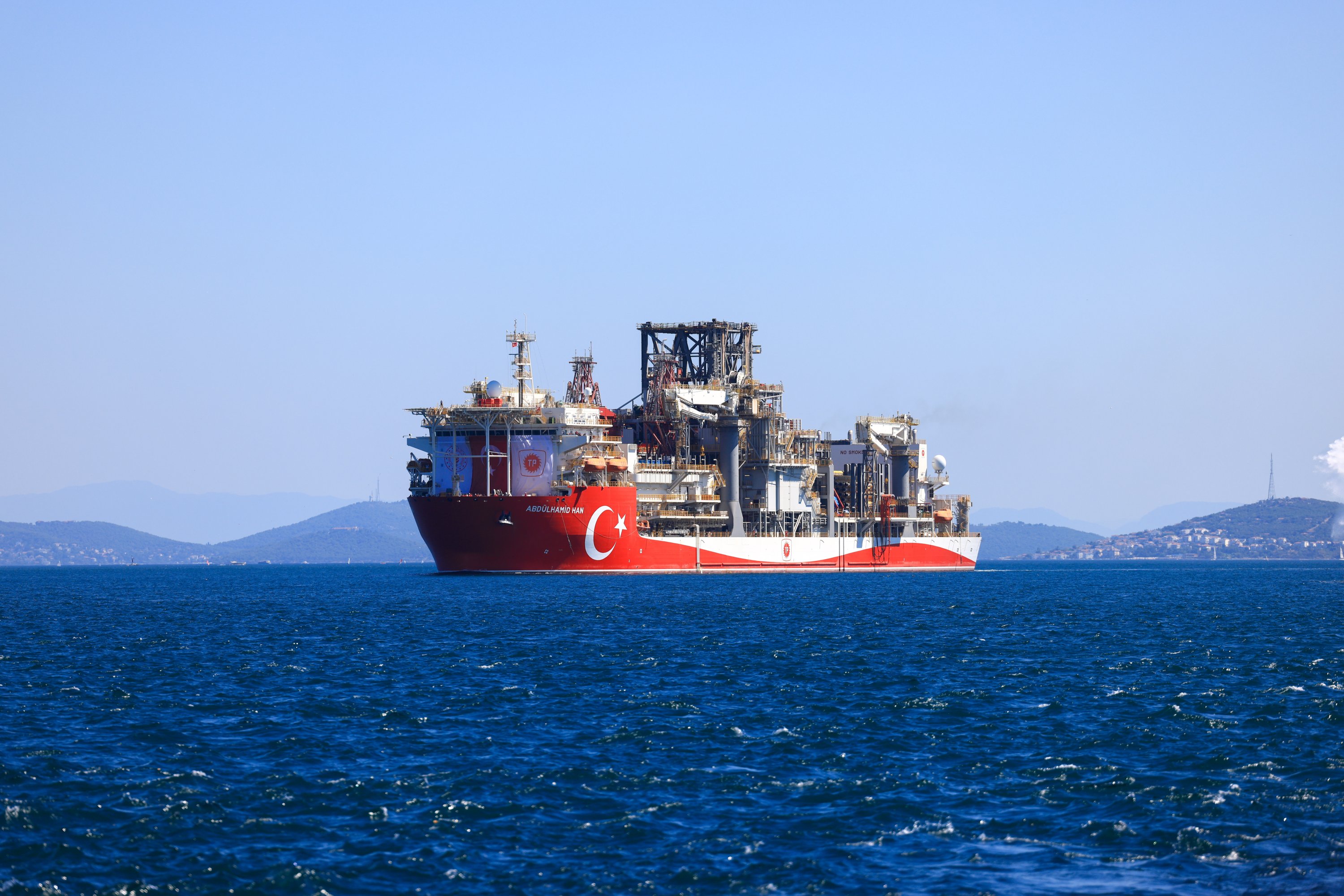
Today, Turkish Petroleum (TPAO), which is intensively extracting natural gas in the Black Sea, is simultaneously conducting oil and gas exploration and production activities in Gabar, Diyarbakır, Batman, Edirne and Tekirdağ onshore, while also operating offshore in the Mediterranean and Black Seas through the drilling and exploration vessels Fatih, Yavuz, Kanuni and Abdülhamid Han.
Before the internal turmoil in Iraq and the Arab Spring, the Republic of Türkiye had also signed major agreements regarding the exploration and transportation of northern Iraqi oil to international markets. At the time, some of the world’s largest energy tenders were being conducted in the region. Although activity has since slowed, projects initiated in earlier years could resume whenever favourable conditions emerge again.
While Türkiye continues to search for oil and natural gas in certain basins of the Eastern Mediterranean and Black Sea, it has also launched drilling operations in Somalia following extensive seismic exploration. Likewise, as a result of the agreements it has signed with Libya, Türkiye is also conducting oil and natural gas exploration activities there.
At the same time, Türkiye signed strategic agreements in early 2026 with five major global energy companies – ExxonMobil, Chevron, BP, Shell, and TotalEnergies – with plans to establish joint exploration and production partnerships both domestically and in offshore international fields.
Of course, Türkiye is not an oil state on the scale of Saudi Arabia, Iran or Iraq. Yet it remains geographically close to major energy regions, and the quality, purity, and production potential of the oil discovered in Gabar are considered highly significant.
In this context, the Turkish state is fully aware that it will not be able to meet all of its energy needs solely from domestic production. For this reason, while conducting joint operations in Syria, Libya and Somalia, Türkiye also continues exploring new routes and production opportunities alongside friendly and allied countries such as Pakistan and Azerbaijan.
If one were to ask what has defined the AK Party governments and their transformative agenda, it could be said that by addressing the country’s pressing needs in a timely, rational, and effective manner, they have simultaneously built entire ecosystems around those solutions.
Türkiye’s emergence as a country capable of establishing an energy ecosystem – one serving transit flows, domestic consumption, and international demand alike – is not something achieved overnight. It has been built through immense effort and long-term strategic planning. It appears likely that, in the coming years, both domestic oil and gas production and joint projects with allied states will allow Türkiye to meet a growing share of its energy needs.