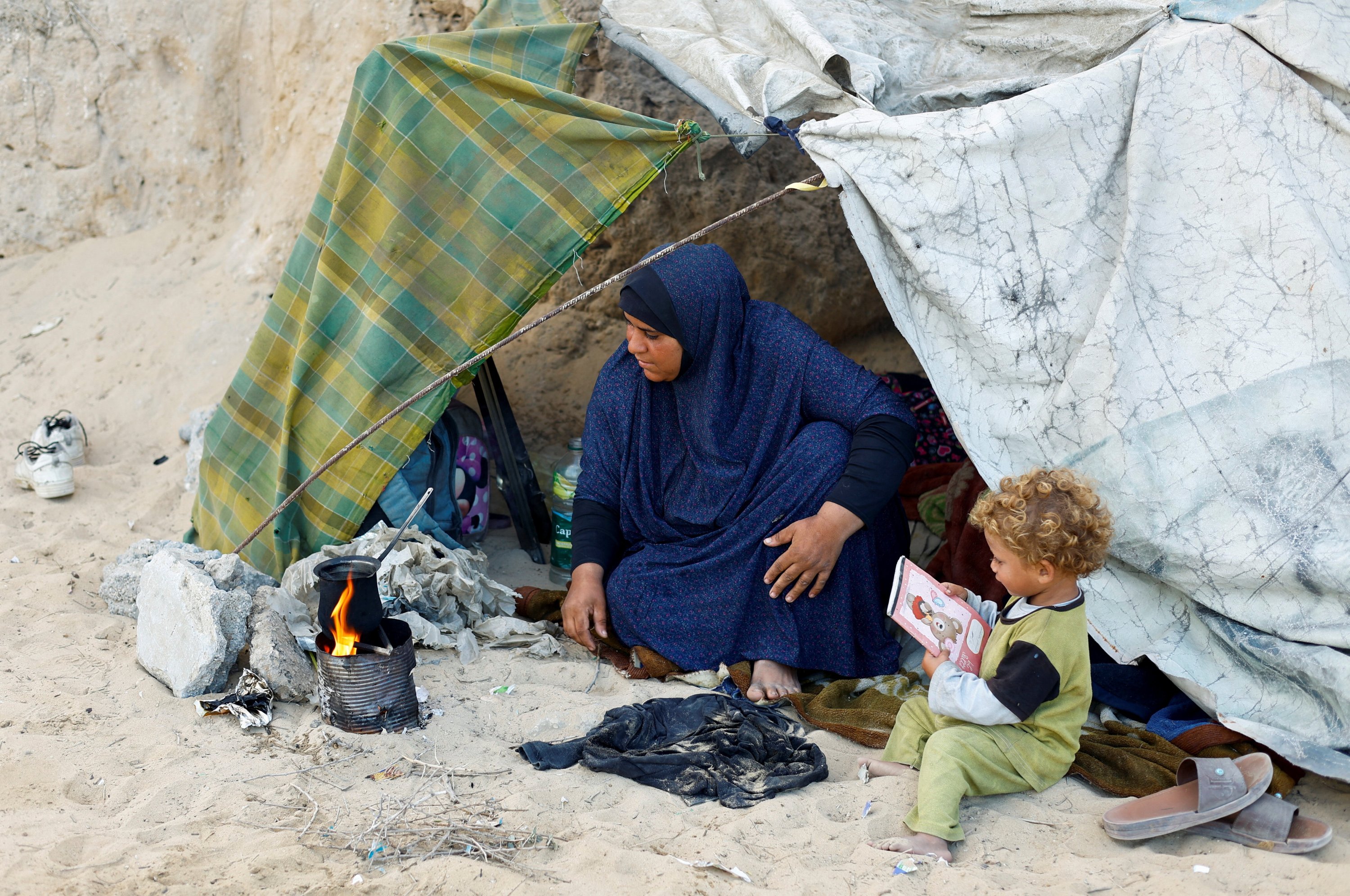
On Oct. 7, 2023, Hamas launched an operation against Israel and immediately afterward, Israel’s intense and disproportionate military attacks turned Gaza into a catastrophic war zone. From the very first moments of the conflict, the displacement of thousands of people, the killing of civilians and the bombing of refugee camps, mosques and hospitals have become intertwined with a chronic process of dehumanization. Israel’s attacks, which disregard international law and human rights and the violence it inflicts on the people of Gaza, go far beyond what can be described as “genocide.”
The war in Gaza, humanity’s greatest test of this century, cannot be measured only in casualties or destruction; its structural, economic, political, social and security impacts will endure for years. Brown University’s Costs of War Project provides an important methodological framework for addressing this multidimensional cost.
The Cost of War Project is an initiative that investigates the costs of the global military operations launched by the United States after Sept. 11, not only in financial terms but also in terms of their human, economic, socio-political and environmental impacts and aims to analyze the results in a multidimensional manner and inform the public.
The most important feature distinguishing the Cost of War project from other projects is its initiative to shed light on the human consequences of wars, beyond mere budget items that can be quantified. Afghanistan and Iraq stand out as examples in the Cost of War Project’s analyses, where the heavy human, economic and social costs of war are observed.
Since Oct. 7, Israeli Defense Forces (IDF) attacks have killed thousands in Gaza, destroyed infrastructure and health services and, under Israel’s blockade, left people facing starvation. In this context, Gaza can be considered one of the most visible and studyable examples of the four cost dimensions addressed by the Cost of War Project: human, environmental, economic and political costs.
Among the human costs of the war, according to a report compiled by the United Nations, 65,419 people, including women and children, have lost their lives and 167,160 have been injured as a result of Israel’s attacks. Some scientific analyses show that the actual death toll, including indirect deaths from disease and starvation caused by Israel’s blockade, may be as high as 75,200. Thousands of Gazans are still considered missing under the rubble. In addition to all this genocidal camping, more than 90% of Gaza’s population of approximately 2 million has been displaced at least once, leaving nearly 1 million people homeless and unable to access basic humanitarian needs.
In addition to all these human costs, the environmental costs in Gaza are also significant. According to a study by Queen Mary University in London, in the first 120 days of the war, approximately 420,000 to 652,000 tons of carbon dioxide equivalent emissions were released as a result of bombing, flights, ammunition use and ground operations targeting Gaza alone; this figure exceeds the annual carbon emissions of 26 countries. During the war, between 156,000 and 200,000 structures were damaged or destroyed. It is estimated that the reconstruction process will result in an additional 46.8 million to 60 million tons of carbon emissions, which is more than the annual emissions of 135 countries.
The cost of the war in Gaza extends beyond the environmental consequences. The economic cost has reached extraordinary proportions, including issues such as loss of infrastructure, housing and economic production. According to a 2025 U.N. report, at least $53 billion in resources are needed for the post-war reconstruction of Gaza. In addition, the war has caused over 50 million tons of massive infrastructure damage in Gaza. At the regional level, the closure of Gaza has brought trade flows through the region to a standstill, negatively impacting energy security and regional stability in the Eastern Mediterranean. This situation has disrupted the economic and cooperation projects of countries in the region.
Israel’s aggressive policies have resulted in political consequences in addition to the existing humanitarian, economic and environmental costs in the Middle East. It's systematic and planned attacks on Lebanon, Syria, Iran, Yemen and most recently Qatar have led to the weakening of international norms. Israel’s attack on Hamas’s negotiating delegation in Qatar in September has deeply shaken universal faith in diplomacy and negotiation processes. In addition, already deep-rooted problems in the region have become even more complex.
The most critical issue is Israel’s opposition to a two-state solution. Israel’s rejection of a two-state solution removes the Palestinian issue from being a “frozen” issue and turns it into an expansionist crisis that fuels other conflicts in the Middle East. This situation leads to the opening of new fronts across the region and the reemergence of old actors.
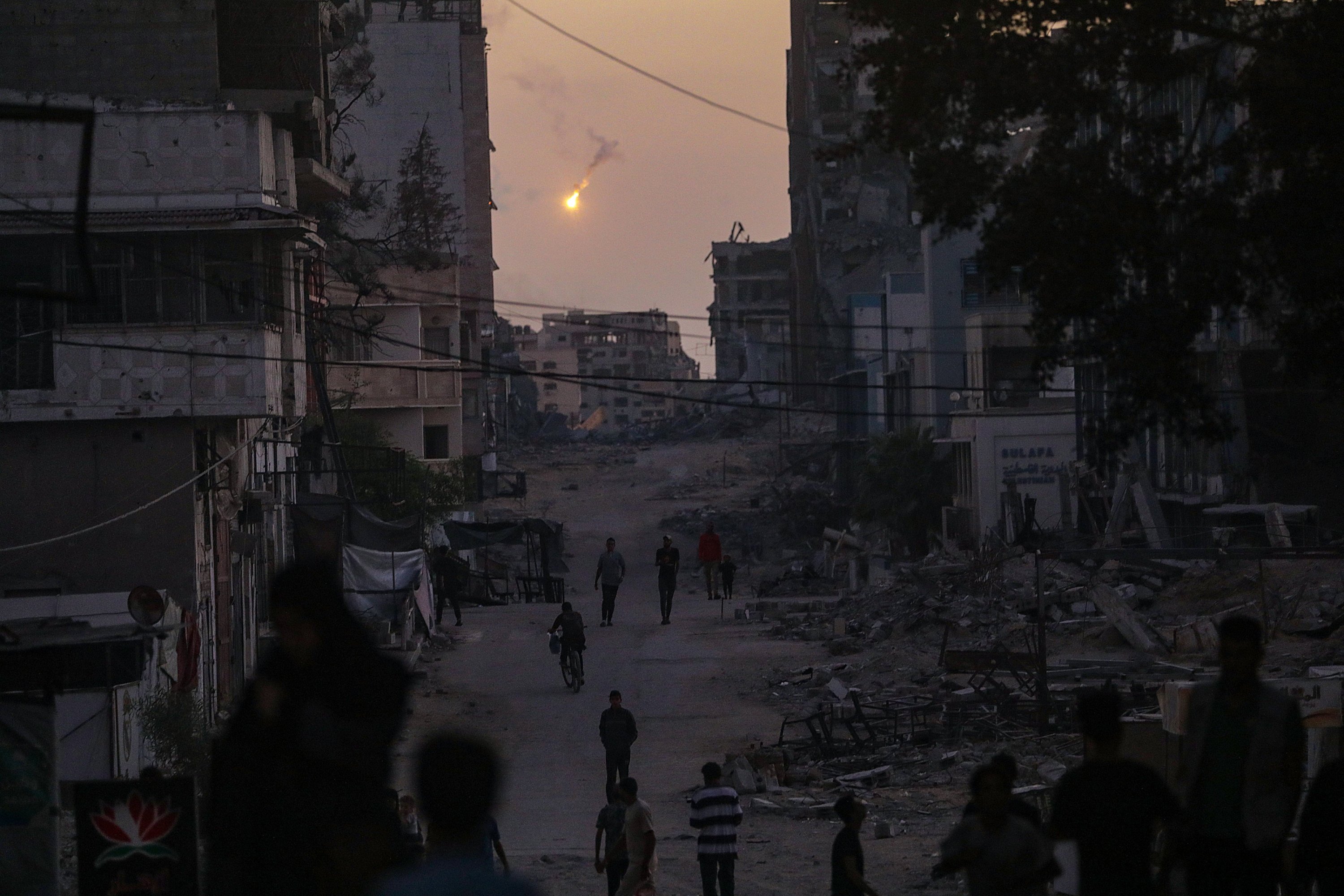
Today, the genocide in Gaza is no longer limited to the scale of the massacre; what is happening has created deep and multidimensional costs that extend far beyond what is visible and it is precisely at this point that the Cost of War Project reveals the cost of war not only in terms of military losses, but also in terms of its long-term economic, political, social and environmental impacts. The destruction in Gaza is not just physical damage; it has also led to the breakdown of social order, the creation of a state of constant instability and the emergence of structural violence as a deep-rooted problem.
On Oct. 9, a cease-fire agreement reached between Israel and Hamas through diplomatic efforts by the U.S., Türkiye, Qatar and Egypt provided for the entry of humanitarian aid into the region, Israel’s complete withdrawal from the Gaza Strip and the initiation of a prisoner exchange process. However, the attacks that continued even after the cease-fire came into effect reveal that Israel is not a reliable actor in this process.
Although the cease-fire initiative is important from a diplomatic perspective, it does not resolve the root causes of the conflict. A cease-fire can only yield meaningful and lasting results if it is built on solid foundations and supported by a long-term political solution; otherwise, this fragile balance further deepens the ontological insecurity in the international system.
This ontological insecurity affects not only the Middle East but also the world order. Today’s crises in Gaza show that the old order has collapsed, the new one has not yet been built and violence and instability are increasing in this vacuum. As the world navigates an age of uncertainty, Gaza has emerged as a striking mirror of this era.