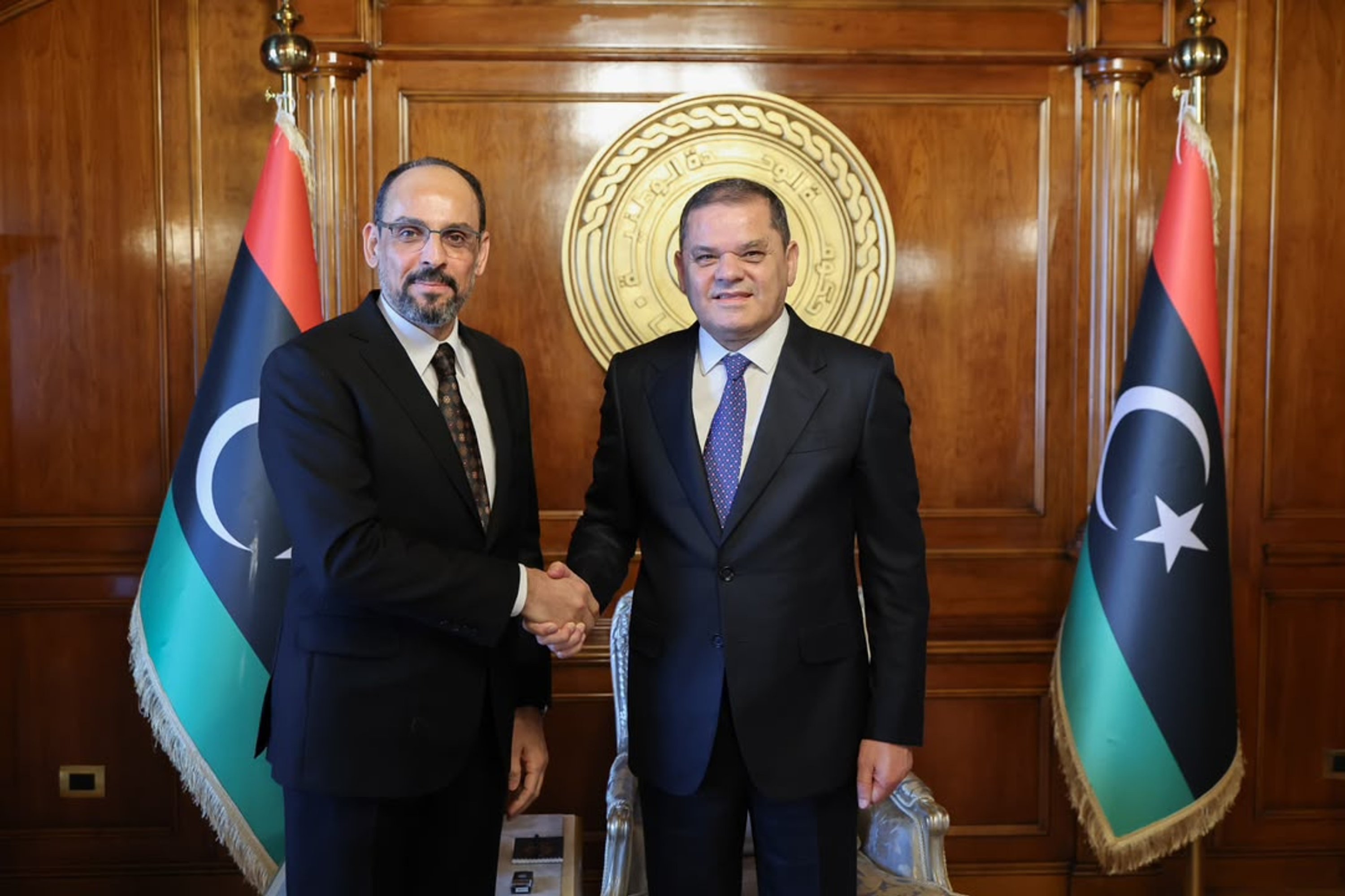
Despite periodic setbacks such as the tent crisis of 1996, Türkiye-Libya relations have progressed through significant stages in recent years. In particular, landmark agreements signed in 2019 and thereafter have reinforced bilateral ties following internal crises and governance transitions within Libya. Furthermore, the agreements announced following the recent meeting between Ibrahim Kalın, head of the National Intelligence Organization (MIT), and Libyan Prime Minister Abdul Hamid Mohammed Dbeibah have once again demonstrated the vital importance of both Kalın’s engagements and the broader functions of intelligence diplomacy.
In today’s international system, which is shaped by multipolarity, ambiguity and hybrid threats, states’ methodologies for protecting national interests and managing crises are undergoing a fundamental transformation. Classical diplomacy – constrained by formal protocols, public declarations and conventional international legal frameworks – often lacks the agility required in moments of acute crisis or within gray zones. At this juncture, "intelligence diplomacy" emerges as a critical leverage among foreign policy instruments for executing national security priorities and strategic objectives.
Intelligence diplomacy can be defined as the ensemble of covert, direct and outcome-oriented engagements established by state intelligence agencies and security bureaucracies with their foreign counterparts or non-state actors. This conceptualization elevates intelligence from a passive activity of "information collection and analysis" into an active, executive instrument that directly directs and shapes foreign policy.
In crisis zones where conventional diplomatic channels are stalled or carry high political risks, intelligence diplomacy serves as the most effective mechanism for creating operational maneuverability and translating strategic goals into tangible realities. Kalın’s engagements in Libya – which redefined the balance in the Eastern Mediterranean – extend beyond a visit focused solely on security and military coordination; they symbolize Ankara’s resolve to consolidate its "Blue Homeland" doctrine upon a multidimensional equilibrium encompassing actors across both Eastern and Western Libya.
The maritime jurisdiction agreement, which was recently finalized, established a continuous maritime corridor between the Anatolian and Libyan coasts, thereby grounding Türkiye's geographical advantage as the nation with the longest mainland coastline in the Eastern Mediterranean in a firm legal framework. Consequently, the strategy pursued by Greece and the Greek Cypriot administration to merge their maritime zones and lock Türkiye within the Gulf of Antalya was thwarted both legally and operationally. Enhanced by strategic interventions in the energy domain, this framework has evolved into far more than a mere delimitation text; it stands as the most concrete and legally binding stronghold of the "Blue Homeland" doctrine in the Eastern Mediterranean and a strategic maneuver demonstrating that no regional energy or security architecture can be constructed without Türkiye. Ultimately, Türkiye’s operational presence in Libya reaffirms that its deployment of "shadow diplomacy" has become one of its most successful applications.
Post-2011 Libya transitioned from a unified central authority into a fragmented structure governed by tribal dynamics, local militia forces, and two competing political assemblies (Tripoli and Tobruk). While the formal protocol boundaries of traditional foreign ministries lack the flexibility to navigate such hybrid structures, MIT leadership and the intelligence bureaucracy stepped forward as direct executive actors on the ground. The core determinant of success here lies in MIT’s granular field intelligence and trust-based engagement capacity. In Libya, intelligence diplomacy offers direct operational access not only at the leadership level, but also with militia groups in Tripoli, local power bases in Zintan and Misrata, and tribal leaders in the East.
Moreover, MIT's intelligence diplomacy in Libya is not confined to domestic Libyan actors. Libya remains a theater of influence competition involving global and regional actors such as Egypt, the United Arab Emirates (UAE), France and Russia. The back-channel diplomacy conducted within this multi-actor matrix plays a pivotal role in mitigating conflict risks and preserving regional balances.
A critical dimension that must not be overlooked when analyzing Türkiye-Libya relations is the sophisticated dialogue established between intelligence services. Engagements conducted under the directives of state leaders, along with the decisions negotiated at the table, yield substantial progress for both nations.
In contemporary statecraft, intelligence diplomacy functions not as a substitute for summit diplomacy at the heads-of-state level, but as a strategic backbone that prepares its infrastructure, expands the boundaries of legitimacy, and creates the most critical leverage for negotiation. In sensitive crisis areas where heads of state find it difficult to make binding commitments through explicit and public rhetoric, engagements conducted by intelligence services delineate the parameters of summit-level talks. This mechanism enables covert, risk-mitigating, and back-channel negotiations with actors with whom leaders cannot directly engage, particularly in gray zones characterized by stalled official diplomatic channels, embargoes or legitimacy crises. By bridging the leaders' vision with operational realities on the ground, this constructive division of labor ensures that final decisions and public strategic agreements at the heads-of-state level are executed in a risk-averse manner with thoroughly prepared groundwork.