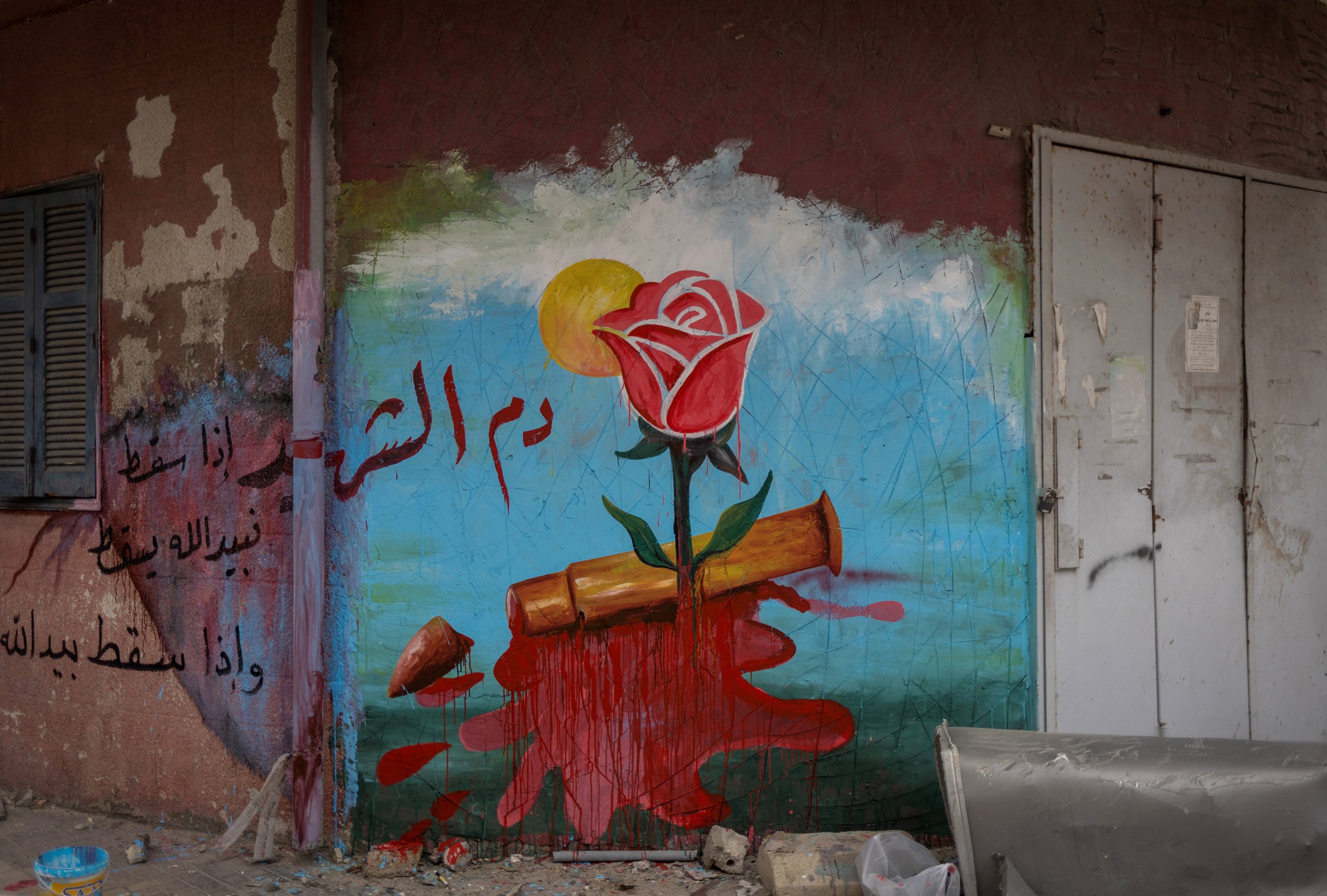
The Middle East is once again facing a serious crisis. The war between Iran, Israel and the United States has now passed its first month, and there are growing concerns that it could drag on for months. This raises a critical question: Is the Middle East once again being sacrificed to Israeli Prime Minister Benjamin Netanyahu's ambitions?
Due to its geopolitical position, energy resources, religious and ethnic composition, and historical interventions such as the Sykes-Picot Agreement, the Middle East has for centuries been the center of "endless wars," including Arab-Israeli conflicts, Gulf crises, the Syrian civil war, the violence in Gaza and now the 2026 U.S.-Israel-Iran conflict.
Since its establishment in 1948, Israel has, in the name of its own security, left deep scars in the minds and consciences of people. Each Israeli leader has, under the concept of "promised lands," effectively turned the region into an inferno. Millions have died and continue to die, while millions more have been displaced and forced to live as refugees in other countries. Today, Israel and Netanyahu are increasingly accused worldwide of committing genocide. This raises the question: why does Israel act this way? Is its obsession with "promised lands" the driving force behind such destruction and chaos?
In reality, Israel does not need a specific reason to wage war. As a security-oriented state, it continuously generates its own justifications for military action. Occupying neighboring territories and interfering in the internal affairs of other countries demonstrate how freely Israel operates in the region. Since 2023 alone, more than 70,000 people have been killed in Gaza, which has been reduced to rubble before the eyes of the world and broadcast live by global media.
Now, the world is witnessing events in Iran and Lebanon. On the first day of the war in Iran, nearly 170 students were killed when bombs struck a school. According to the United Nations and international law, such attacks are considered crimes against humanity. However, when the perpetrators are the U.S. and Israel, international law appears to lose its force.
As the war continues, further problems seem inevitable. The global system is already experiencing its most fragile period since the 2008 financial crisis. While the region is being dragged into chaos, the world is also heading toward an energy crisis. Another key question is whether Gulf countries will be drawn into the war; if so, the conflict could last for months or even years.
Despite everything, countries in the region, especially Türkiye, are intensifying diplomatic efforts to secure peace.
Recently, Türkiye's Foreign Minister Hakan Fidan visited Gulf countries during Eid al-Fitr. Speaking afterward on A News, he emphasized that the war, unfolding "before the eyes of the world," carries serious consequences for both regional and global politics. He stated that Türkiye's priority has always been to prevent conflict, stop its spread and keep the country away from war. Fidan reiterated that Israel is the biggest obstacle to peace in the region. He also warned that the ongoing war risks deepening instability and creating long-term divisions among societies. According to Fidan, Israel's expansionism is sowing dangerous seeds of division that could make unity among Muslims in the region nearly impossible.
Türkiye is playing a key role in efforts to end the war. Ankara is engaging directly with all parties, striving to preserve diplomatic channels and prevent the region from turning into a broader war zone.
Perhaps, the Middle East's core problem is not military capability, but the lack of capacity to build a stable order. Without a shared strategic vision, the region's future will continue to be shaped by the U.S. and its allies. Ultimately, the future of the Middle East will depend on whether strategic patience and diplomacy can prevail. Real change will only come when regional countries take ownership of their own destiny and only time will tell.