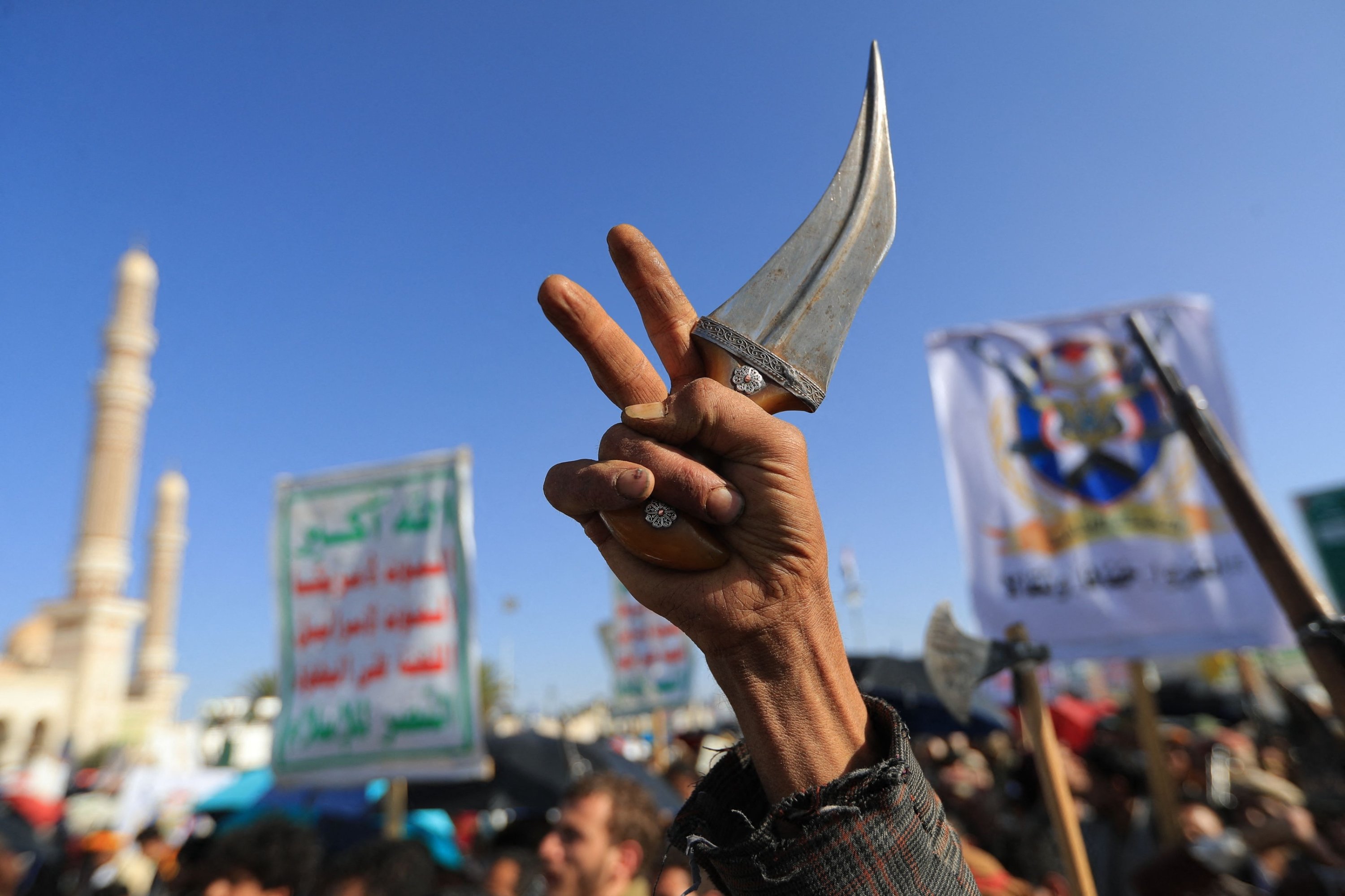
During the last few weeks, the Houthis’ cross-border attacks targeting Saudi Arabian territory have taken on a qualitatively new phase. Strikes have increasingly encompassed heavily populated civilian infrastructure and vital transit hubs, in addition to traditional border skirmishes and remote oil facilities. A critical inflection point occurred on Oct. 10, when a ballistic missile strike impacted King Khalid International Airport in Riyadh, resulting in 12 fatalities and injuring over 300 individuals. The attack was the most lethal military attack the kingdom has suffered in over a decade. Houthi authorities issued a public warning to civilians advising them to avoid Saudi airports, demonstrating that they intend to carry out a long-term coercive offensive assault rather than a short-term tactical maneuver.
This dramatic escalation raises fundamental strategic questions regarding regional conflict dynamics. Throughout the ongoing military conflict in Gaza, Houthi forces frequently launched long-range missiles and unmanned aerial vehicles (UAVs) toward Israeli targets, yet achieved negligible strategic damage to Israel’s integrated defense architecture. The central question that arises is why the Houthis have dramatically escalated their offensive posture against Saudi Arabia at this specific juncture. Furthermore, it remains necessary to analyze whether this military escalation, following closely upon the signing of the Mecca Pact on Aug. 7 between Türkiye, Saudi Arabia and Pakistan, constitutes a mere temporal coincidence or a calculated response to shifting regional alliances.
To understand this operational shift, it is essential to recognize that Houthi military actions against Israel and Saudi Arabia serve fundamentally distinct political and strategic functions. The strikes targeted at Israel, executed across a distance exceeding 2,000 kilometers against multi-layered, U.S.-backed air defense systems, yielded minimal military impact. However, the primary value of these actions was political rather than operational. By framing these long-range strikes around the Palestinian cause, the Houthi movement successfully cultivated domestic and regional legitimacy, positioning itself as the most assertive actor within the regional "Axis of Resistance." In this analytical context, Israel serves a symbolic purpose for the Houthis primarily, functioning as an instrument for ideological posture and soft-power projection across the broader Arab public.
In stark contrast, Saudi Arabia represents a concrete counterparty with whom tangible, high-stakes negotiations are actively conducted. The geographic reality of a shared, porous and highly extended border allows even short and medium-range ballistic missiles and unmanned aerial vehicles (UAVs) to penetrate deep into Saudi territory. While Saudi air defense architecture was historically configured primarily to mitigate potential long-range threats from Iran, interceptor stockpiles have experienced significant depletion during the early phases of regional hostilities. This structural vulnerability enhances the asymmetric leverage possessed by Houthi forces.
Furthermore, economic geography plays a crucial role in amplifying this vulnerability. Following a security disruption in the Strait of Hormuz, over 80% of Saudi crude oil exports were rerouted toward Red Sea ports and the Bab el-Mandeb Strait. Consequently, Houthi forces are in direct military proximity to the Kingdom’s most vital logistical and economic chokepoints. Thus, the shift in targets toward Saudi infrastructure can be evaluated as an effort to exploit Riyadh’s principal strategic and economic vulnerabilities.
A critical divergence between the Houthis’ posture toward Israel and Saudi Arabia lies in the availability of tangible political gains. Strikes against Israel yield negligible political concessions from Tel Aviv. In contrast, Riyadh possesses significant strategic and financial resources that directly affect the Houthis’ domestic sustainability and governance.
At the negotiating table, Houthi objectives include the formal cessation of Saudi backing for the internationally recognized Yemeni government, de facto recognition of Houthi authority as the primary governing entity in Yemen, the resumption of public sector salary payments funded by state oil revenues, and substantial financial commitments for national reconstruction. While attacks on Israel function as ideological propaganda, military pressure against Saudi Arabia serves as an active bargaining tool designed to extract concrete economic and political concessions.
The intentional targeting of civilian and critical economic infrastructure can be interpreted as part of a systematic cost-imposition strategy. The primary objective of this approach is not necessarily to achieve a conventional military victory over Saudi forces, but rather to impose severe political, economic and psychological costs that render prolonged conflict unacceptable to Saudi leadership, thereby forcing Riyadh to negotiate from a position of compromise.
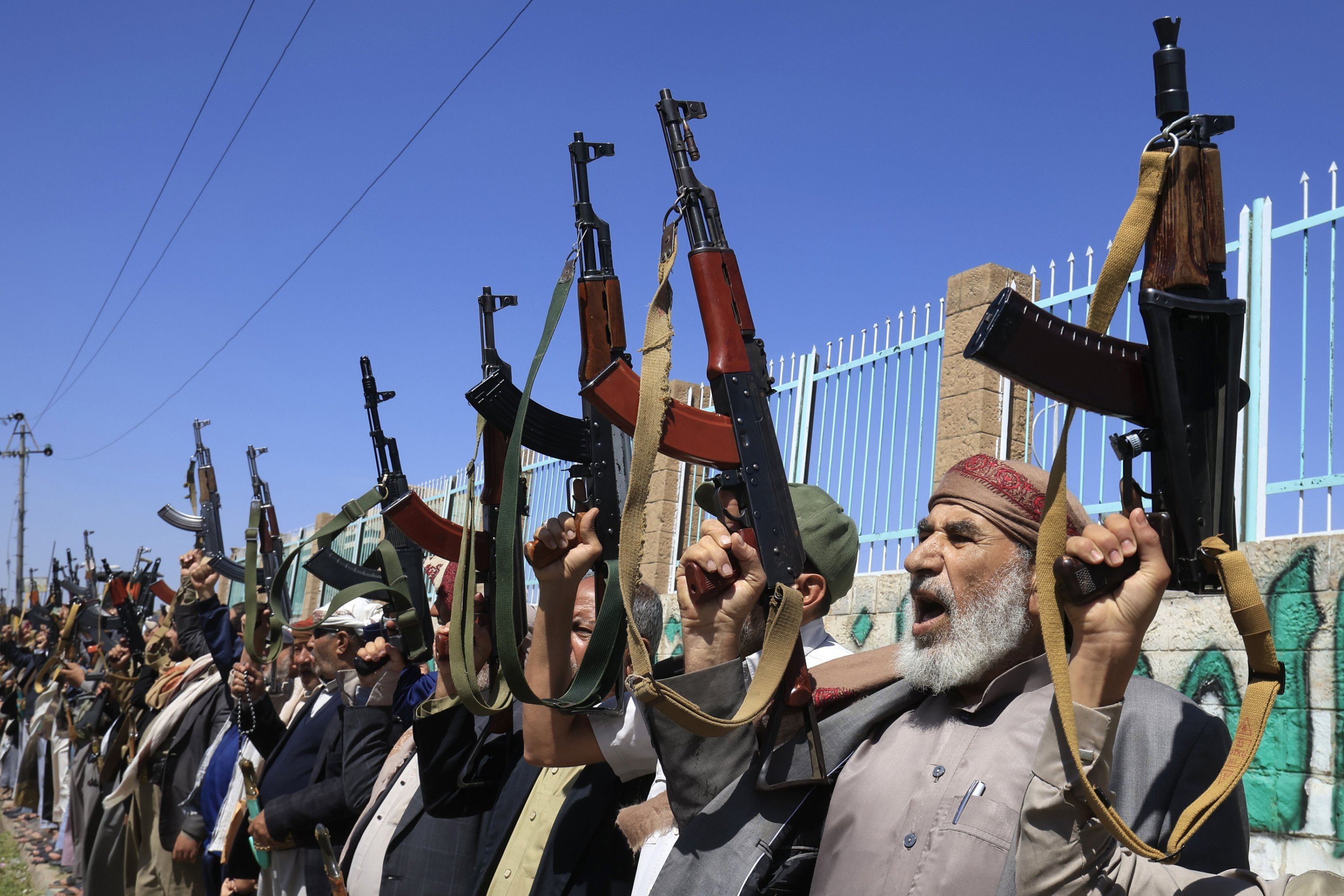
The timing of this escalation cannot be separated from broader geopolitical shifts in the Middle East and South Asia. The conclusion of the Mecca Pact on Aug. 7 between Türkiye, Saudi Arabia and Pakistan marked a significant step toward establishing a robust trilateral defense, economic and diplomatic framework. From the perspective of Iran and its nonstate regional allies, this pact represents a strategic realignment capable of altering the balance of power across the broader region.
In response to this emerging trilateral axis, intelligence and logistical channels between Tehran and regional proxies, symbolized by unscheduled transport flights such as those operated by Mahan Air, have intensified operational coordination. The escalation against Saudi Arabia can thus be understood not merely as a localized Yemeni dispute, but as a multi-layered response aimed at disrupting the consolidation of the Mecca Pact. By demonstrating that Saudi Arabia’s core security remains exposed to asymmetric threats, Houthi forces and their regional backers seek to signal the limits of external security arrangements and project power against emerging regional coalitions.
To sum up, the intensification of Houthi strikes against Saudi Arabian civilian and economic infrastructure represents a calculated transition from symbolic power projection to direct coercive diplomacy. While strikes against Israel served to bolster regional ideological standing, the military campaign against Saudi Arabia is structured to generate operational leverage, compel financial and political concessions, and challenge new strategic alignments such as the Mecca Pact.
As the security environment surrounding the Red Sea and Arabian Peninsula continues to evolve, the Houthi movement’s reliance on asymmetric warfare highlights the enduring tension between state security frameworks and nonstate coercive capabilities. Resolving this crisis will require addressing both the local governance dynamics within Yemen and the broader geopolitical competition shaping the Middle Eastern security architecture.