The acts of sabotage that struck the French train network, hours before the start of the Olympics, raised many questions about the motives behind these events. This comes in light of the complex internal French political scene, amid economic and social tensions witnessed by the country, which cannot be separated from external developments related to the ongoing war in Ukraine, the conflict with Russia, and France's eroding role in Africa and historical areas of influence.
Regardless of who is behind them, these events will further complicate the already tense security situation in France, which may prompt the authorities to take strict security measures. They are also a blow to France’s international image and will negatively impact the tourism sector, one of the most important pillars of the French economy, especially with the start of the Olympics.
With no party claiming responsibility for these sabotage operations, and no evidence so far, suspicions are being raised toward internal extremist groups and external suspicions toward countries or extremist groups across borders. The perpetrator of the sabotage may be a local party serving a foreign agenda, as there are accusations among French parties that they are a fifth column serving other countries.
It is clear that these actions were carried out by professionals, with good planning, at specific points, to create this great impact. This unprecedented paralysis affected the movement of high-speed trains at a time when the French government focused its measures in anticipation of attacks that might occur in the traditional way. However, the mastermind targeted unprotected points, confusing all of France and making it hold its breath on the eve of a major sporting event.
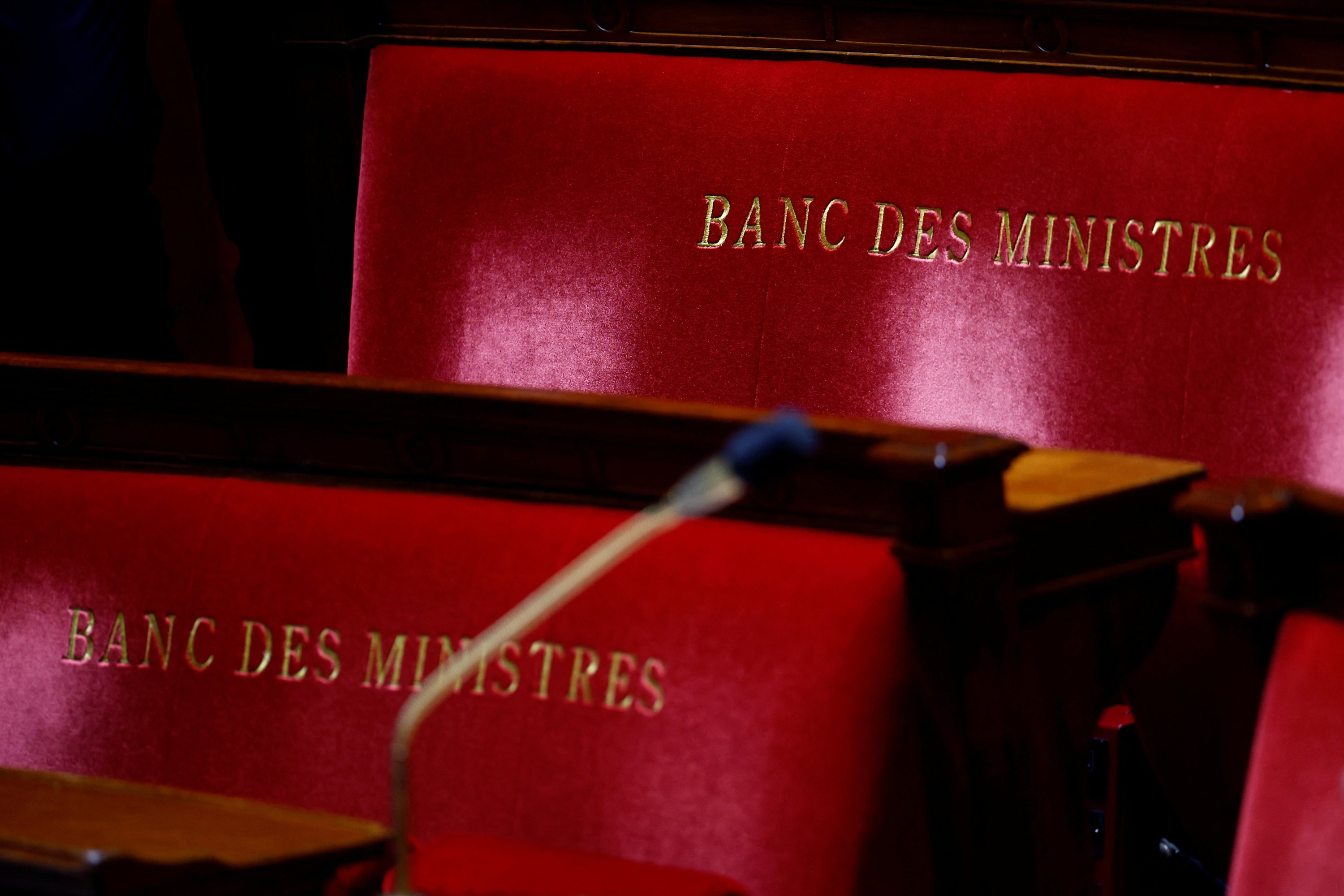
After the historic victory of the French far-right in the European elections held on June 9, with more than 31% of the votes, President Emmanuel Macron decided to call for early legislative elections. After two rounds held on June 30 and July 7, the vote resulted in an unprecedented political scene in France. Despite topping the first round, the far-right National Rally was satisfied with third place with 143 seats, behind the left-wing alliance New Popular Front, which topped the results with 182 seats, and the presidential alliance, which came in second with 168 seats. The elections did not result in any majority in the National Assembly. Between expectations of forming a coalition government, case-by-case agreements, or resorting to Article 49.3, a state of ambiguity still prevails around who will assume the position of prime minister.
After the results achieved by the far right during the European Parliament elections, which prompted some to describe it as a political earthquake that will change the face of Europe, the saying "the far right is on the rise" is being repeated not only in France but throughout Europe. This situation is said to be similar to what the continent was like in the 1930s. However, the results of the second round of the French parliamentary elections showed a surprising and unexpected victory for the left, represented by the New Popular Front alliance led by the far-leftist Jean-Luc Melenchon, and the defeat of the far right, which seemed close to winning in the first round.
In recent years, the European political arena has witnessed a remarkable rise of both far-left and far-right movements. This rise in Europe is the result of several intertwined factors, including economic, social and political. It is not a French or European phenomenon but rather a global one, amid important geopolitical events and growing nationalism, in a climate burdened by the bleak economic situation, the war in Ukraine and strategic challenges in relations with China and America.
Macron's bet, when he decided to dissolve the National Assembly and head toward early parliamentary elections, is that the other parties are scattered and will not be able to unite in a short period, and the vote will be in favor of the presidential alliance. The vote will be out of fear of the far right and against its rise, and he was certain that the parties opposed to the far right can confront it. Macron wants to involve these parties in the trap of participating in government in light of the difficult social, economic and political tensions that the country is going through, especially with the estimation of the difficulty of their ability to obtain an absolute parliamentary majority that qualifies them to form a government on their own. This government would be headed by its leader Giordano Bardella to implement his program with a comfortable majority.
However, what happened showed that the biggest loser is the presidential camp itself. After the success of the left-wing alliance, the New Popular Front, in two key areas – presenting a unified list in record time and presenting an urgent program – his was reflected in the ballot boxes in the second round of the legislative elections, hindering the continued rise of the far-right.
At the beginning of Macron’s presidency, one of his slogans was to weaken the far-right and reduce the votes it received, but what happened was the opposite. Today, regardless of the next government scenario, Macron faces difficult days in the years remaining for him in the Elysee Palace.