The projects Türkiye has been developing for many years in the fields of defense and security continue to yield tangible results in the aviation sector, just as they have in the maritime sector. Thanks to the national vision established for the aviation and space industry, high-tech platforms that will be central to future battlefields are preparing to enter the inventory of the Turkish Air Force.
Significant progress is being made, particularly in the long-awaited Airborne Electronic Warfare Aircraft (HAVASOJ) project, which possesses the capability to neutralize enemy radars. However, HAVASOJ is not the sole factor shaping the future of the Turkish Air Force.
A major transformation is underway that positions Türkiye as a global player in both manned and unmanned aviation as well as air defense systems. The Ministry of National Defense’s video marking the 115th anniversary of the Turkish Air Force (1911-2026) also conveys messages about the future.
The reliance on procuring military aviation platforms from abroad has been a deep-rooted dependency spanning many years in Türkiye. The necessity of purchasing aircraft from abroad created a psychological barrier within society and the defense bureaucracy. However, this barrier is being gradually overcome through helicopter, fighter jet and unmanned system projects, each brought to life one by one under the coordination of the Defense Industries Presidency.
In the near future, this psychological barrier will be eliminated as our domestically produced platforms begin operational service in fleets. In particular, the successful performance of the Hürjet, Türkiye’s first domestically produced manned jet-powered aircraft, is the clearest indication of this progress. The Hürjet, produced by Turkish Aerospace Industries (TAI) and scheduled to enter service in the near future, will enable us to say, “We have produced and put our own fighter jet into service.”
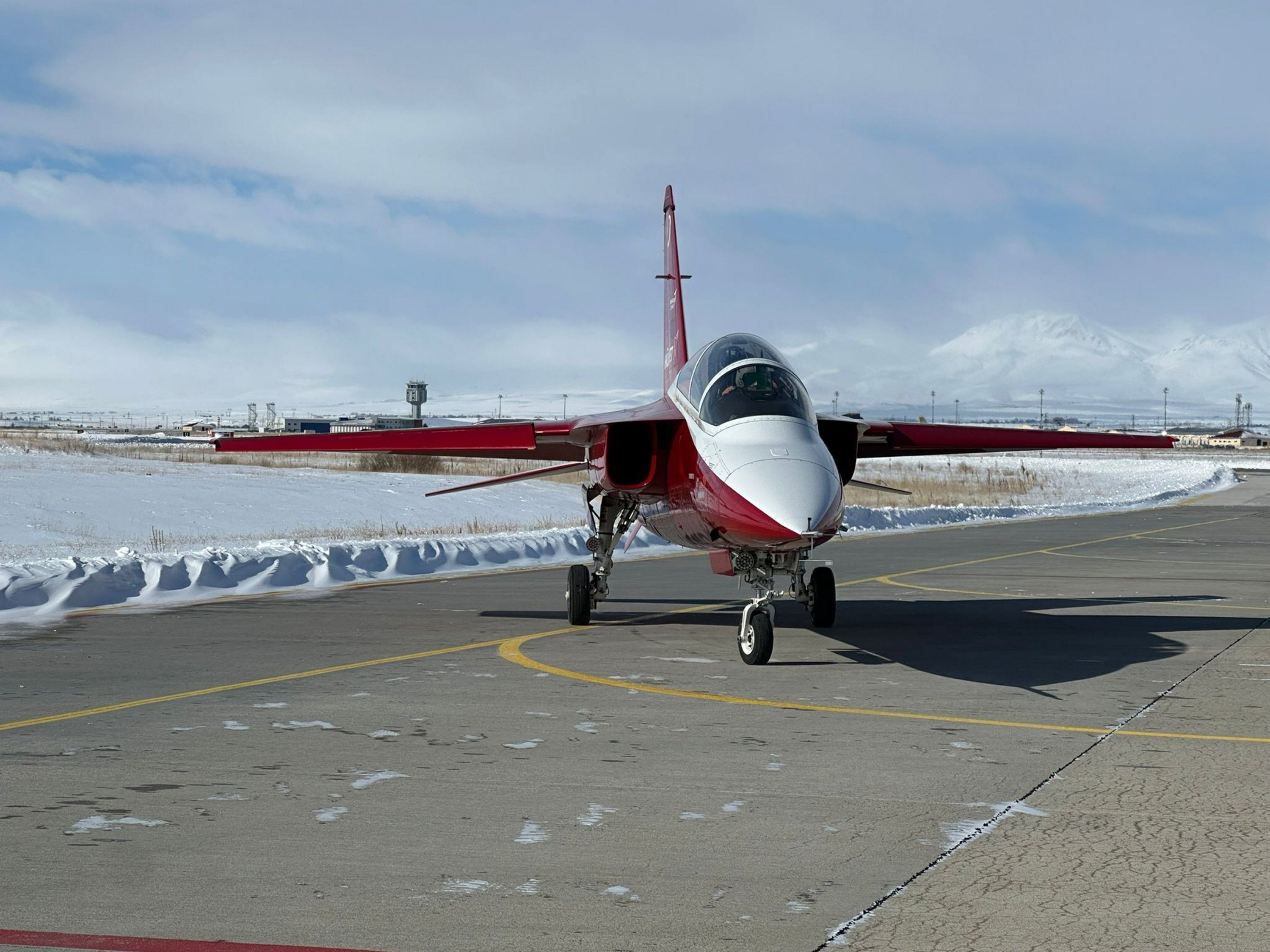
The Hürkuş II training aircraft, scheduled to enter service this year, will completely end our reliance on foreign sources for pilot training. The National Combat Aircraft Kaan, meanwhile, represents the pinnacle of Türkiye’s capability, proving that we are among the few countries capable of producing fifth-generation fighter jets. When Kaan enters service with a domestically produced turbofan engine, it will mark a turning point, signifying that all psychological barriers in military aviation have been overcome.
It is widely acknowledged that Türkiye is not only a producer but also a rule-setting power in unmanned aerial vehicle (UAV) technologies, which are reshaping global war strategies. In regions such as Syria, Libya, Karabakh, Ukraine, Ethiopia, Somalia and Sudan, it has altered the course of wars in favor of Türkiye’s allies. The Bayraktar TB3 UAV, which possesses the unique capability to take off and land from short-runway ships like the TCG Anadolu (L400), serves as a significant force multiplier. Its ability to carry and fire Roketsan-produced UAV-122/230 smart munitions capable of reaching supersonic speeds, striking targets with high precision, demonstrates the firepower of unmanned systems.
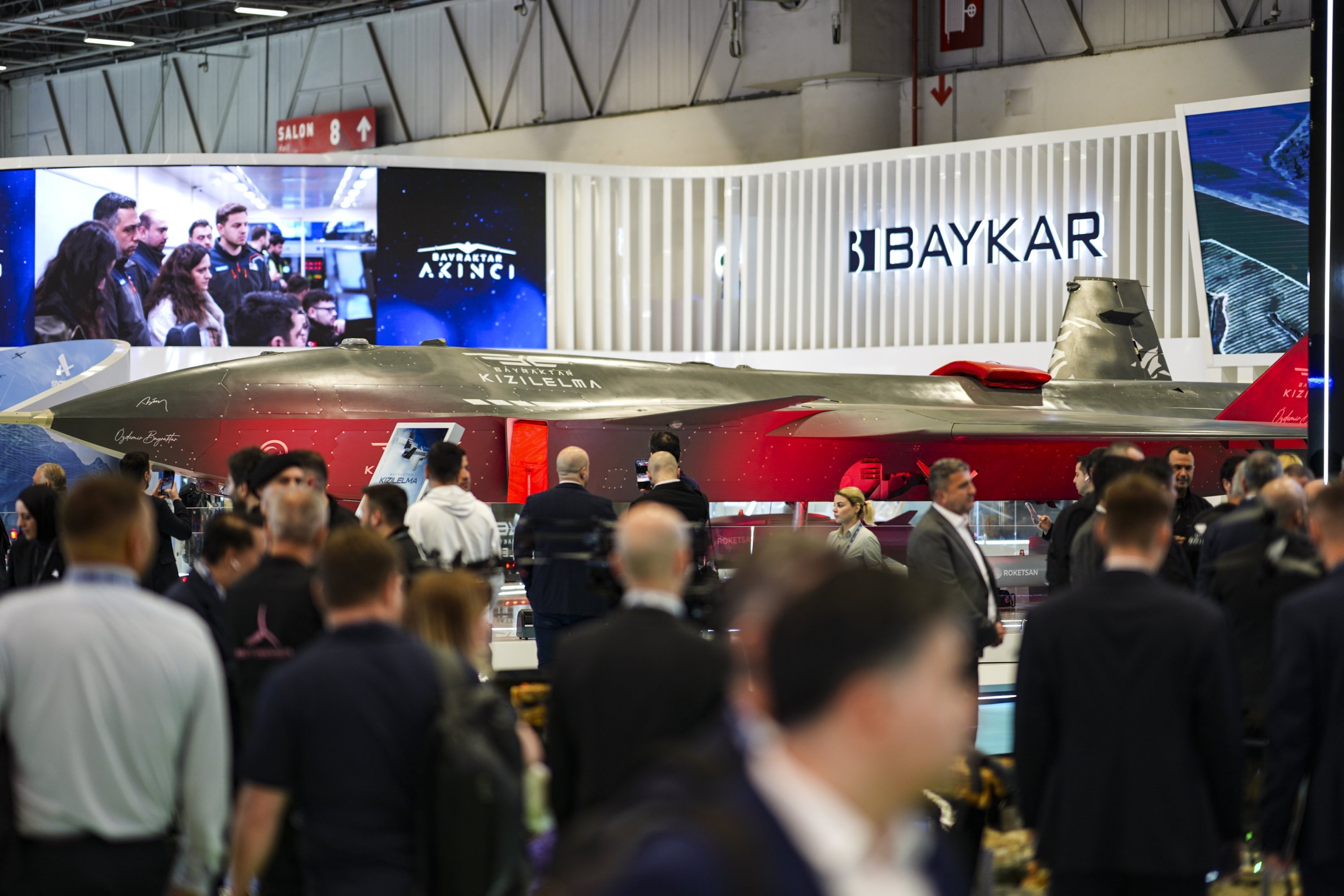
Furthermore, unmanned jet fighter aircraft, in which Türkiye is again taking the lead, will play a leading role in future air battles. In this context, the performance demonstrated by unmanned combat aircraft such as the Bayraktar Kızılelma, produced by Baykar and the Anka-III, produced by TAI, marks a turning point in the history of military aviation. The first deliveries are scheduled to take place soon, and these high-tech jet-powered unmanned aircraft are planned to be deployed in fleets. These systems will be able to enter enemy airspace without putting pilots’ lives at risk and successfully carry out the most challenging missions. The Bayraktar Kızılelma is equipped with advanced radar and visual detection systems, giving it the capability to engage in air-to-air combat. It is fully equipped as a combat aircraft.
The effective use of systems produced by the defense industry on the battlefield is just as important as producing them. New UAV systems are continuously being delivered to various units of the Turkish Armed Forces (TSK) and Turkish Air Force. The Turkish Air Force, meanwhile, operates dozens of UAVs. This fact demonstrates the establishment of a very large operational system. The Turkish Air Force is currently successfully operating UAV systems with different features and capabilities, such as the Bayraktar Akıncı, Anka Aksungur, and Anka-S in its fleet.
This extensive field experience should also guide future military organizations. Given that this unmanned aerial force has accumulated hundreds of thousands of hours of flight and operational experience, it must be consolidated within the Turkish Armed Forces under the name “Command of Unmanned Systems.” For UAV systems of different classes, it has become an absolute necessity to manage training, logistics, operational planning, and strategy development processes jointly from a single center. This step that Türkiye will take will also serve as an important example for modern world armies.
The video released by the Ministry of National Defense featured not only the Turkish Air Force’s aerial platforms but also ground-based systems. Both domestically produced air defense systems and electronic warfare solutions drew particular attention. The evolving battlefield environment demonstrates that air forces must be structured not only to attack effectively but also to defend airspace effectively. To achieve this, they must possess the capability to neutralize the enemy’s electronic systems.
It was observed that older-generation missiles like the MIM-23 Hawk, which previously formed the backbone of the Turkish Air Force’s ground-based air defense, are being replaced by the domestically developed and national Siper air and missile defense systems. The Siper family is produced in layered configurations: Block 1, Block 2, Block 3 and Block 4. It is being developed to destroy a wide range of targets, from air-breathing targets to ballistic missiles.
In addition to the long-range air and missile defense system Siper, the Turkish Air Force is also incorporating the medium/low-altitude air defense system Hisar (A/O) into its inventory. These defense systems are supported by products from Aselsan, Türkiye’s most experienced company in electronic warfare. The implemented airborne electronic warfare-capable HAVASOJ and IHASOJ (UAV-based SOJ) projects are supported by ground-based electronic warfare systems such as Koral (I-II generations).
Thanks to this integration, the Turkish Air Force is transforming into a far more deterrent and effective force against all types of threats in the project to protect Türkiye’s airspace, known as the Iron Dome. The interest shown by friendly and allied nations in Turkish defense industry products is a clear indication of this. Exports also contribute to enhancing the security and deterrence capabilities of the recipient countries. Türkiye is now a nation that meets its own military needs while fully protecting its airspace with domestically produced systems.