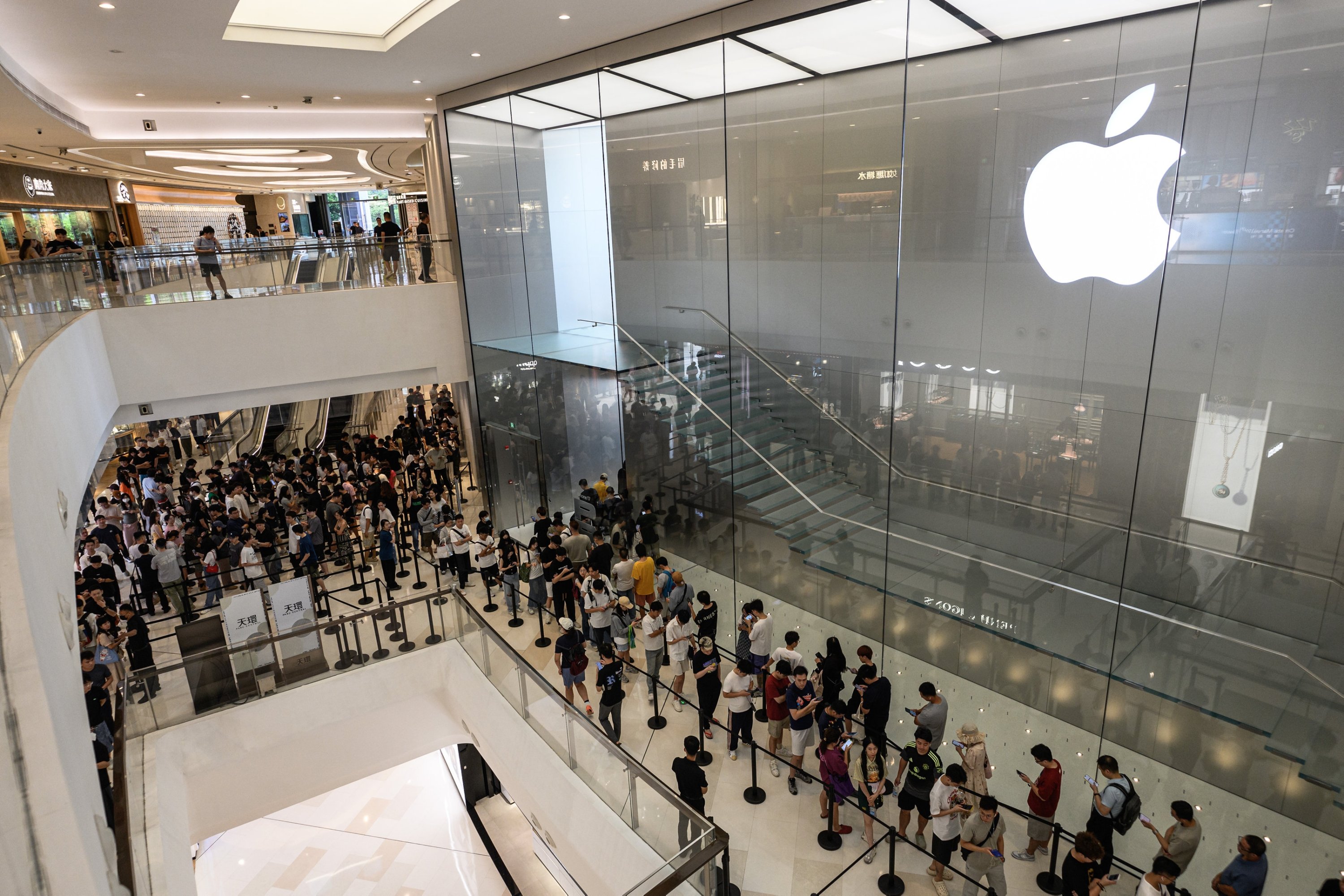
It was a cool autumn evening. Thousands of people gathered in front of a store, waiting until dawn, eagerly anticipating the arrival of the latest technological marvel. With the first light of dawn, the excitement grew even more. When the workday began, the company's CEO opened the doors and welcomed the person at the front of the line with a round of applause. That year's “lucky winner” received the new iPhone model amid the cheers of the crowd.
Apple repeats this ritual every September with its annual launch events. For tech enthusiasts, journalists, influencers and opinion leaders, attending these events is a privilege. Publishers who are not invited try to convey the atmosphere to their viewers through live broadcasts. With a highly well-designed stage, light shows and a dramatic presentation, the new iPhone is proclaimed the world's most powerful “object of desire.”
In his historic 2007 presentation, Steve Jobs introduced the iPhone with these words:
"A widescreen iPod with touch controls; a revolutionary mobile phone; and a breakthrough Internet communications device. An iPod, a phone and an internet communicator. An iPod, a phone ... Are you getting it? These are not three separate devices; this is one device and we are calling it iPhone. Today, Apple is going to reinvent the phone and here it is."
Jobs's sincere, bold and exciting presentation launched not just a new product, but a whole new era. Since that day, Apple has taken the stage every year with similar claims. Although criticism that innovation is now limited is growing, the company continues to manage public perception skillfully. Even a minor technical or design difference makes headlines worldwide with the belief that “Apple has reinvented it.”
When Apple entered the market, the technology sector was indeed undergoing a period of revolution. The impact of the first iPhone was therefore huge. However, over the years, technological breakthroughs have given way to design, aesthetics and perception management. Today, what stands out at launches is often not a technical innovation, but rather symbolic details, such as color options.
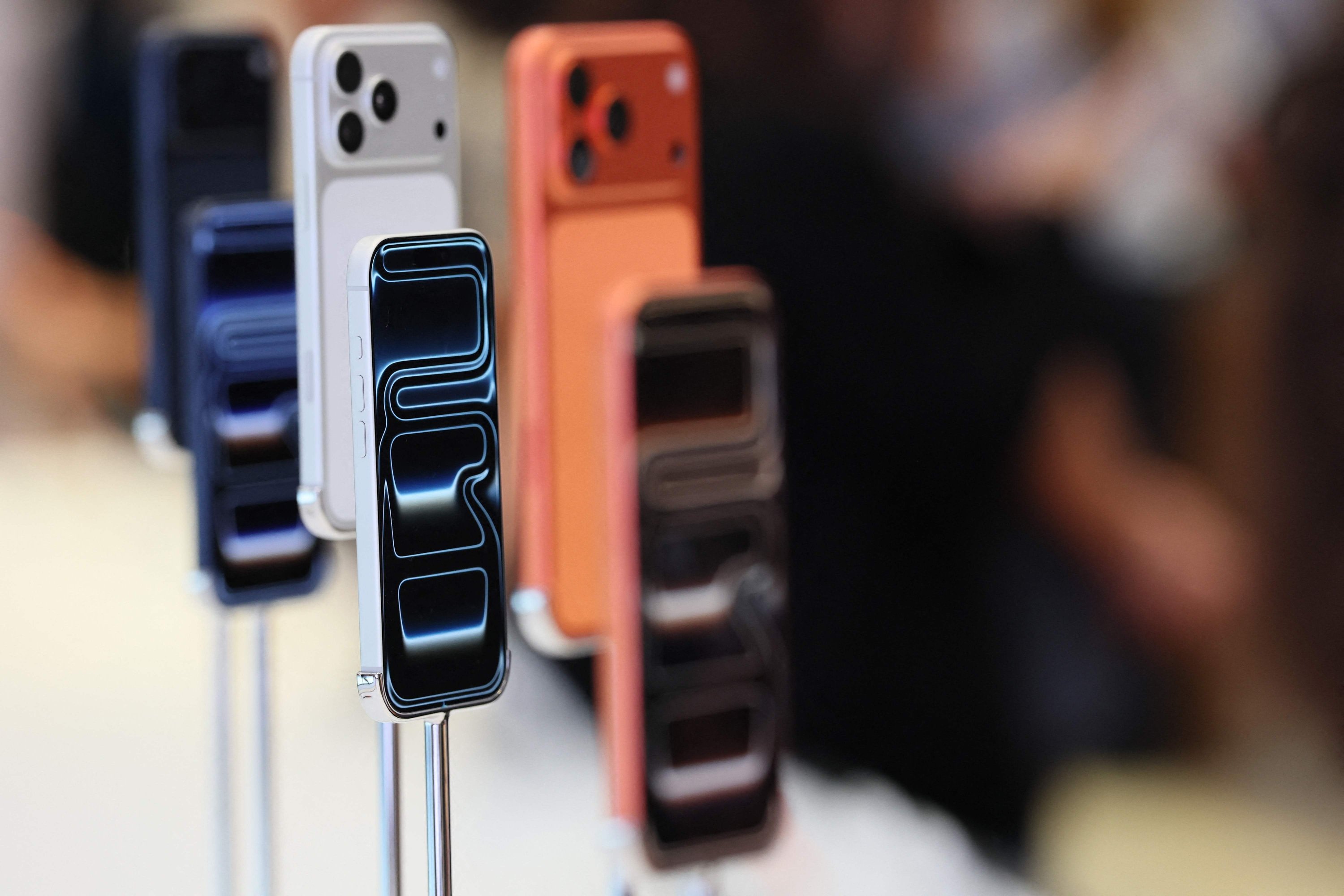
We saw the most recent example of this with Apple's orange color. The photo shared by world-famous singer Dua Lipa, featuring her orange iPhone, was not just an aesthetic choice; it was a powerful perception management move.
In a video produced in collaboration with Apple, Lipa's Radical Optimism tour was filmed with the iPhone 17. This post on her Instagram account, which has 88 million followers, gave Lipa the privilege of being the first celebrity to use the device while also providing Apple with massive global visibility. This collaboration clearly reveals the essence of Apple's strategy: to transform its products into objects of desire through global influencer figures rather than focusing solely on their technical specifications.
The fundamental purpose of a product is to meet a need. However, today, a new piece of clothing, the latest model phone, or any product promoted by influencers has also become a symbol of social status.
Individuals turn to consumption out of fear of missing out (FOMO) on the experiences of others. In our age, where everything is more visible due to the influence of social media, this feeling is even stronger. Every new experience, every new launch, every new product feeds the chain of consumption.
Although the “less is more” philosophy has gained popularity around the world from time to time, it has not yet become widespread. On the contrary, fast fashion and fast consumption culture are still dominant. Brands are aware of this. That's why they invest more in marketing social status and image than in selling products. Because selling a product for “visibility” rather than “need” is the most profitable method in our era.
Human emotions have always been susceptible to manipulation; today is no exception. The biggest goal of marketing is not the product, but the sustainability of sales. Apple creates a new perception by adding minor changes to phones that look almost the same every year. With this strategy, it convinces consumers to buy again and again.
The interesting part is that this method consistently generates the same excitement every year. This is because the consumption culture's imposed notion of “not enough, but what best fits the image” constantly directs people toward the new. Apple feeds precisely this spirit: by re-presenting the same product with a different perception.
Ultimately, the iPhone is not just a phone. It is a story that is reimagined every year, an image intertwined with popular culture, and the strongest link in the chain of consumption. Apple does this so masterfully that even though technological revolutions may have slowed down, revolutions of desire continue unabated.