The conflict between the United States, Israel and Iran has revived a strategic concern that Europe thought it had begun to overcome. After years of discussions about energy transition and independence, the continent faces a clear reality: its economic stability still relies on distant energy routes far beyond its borders.
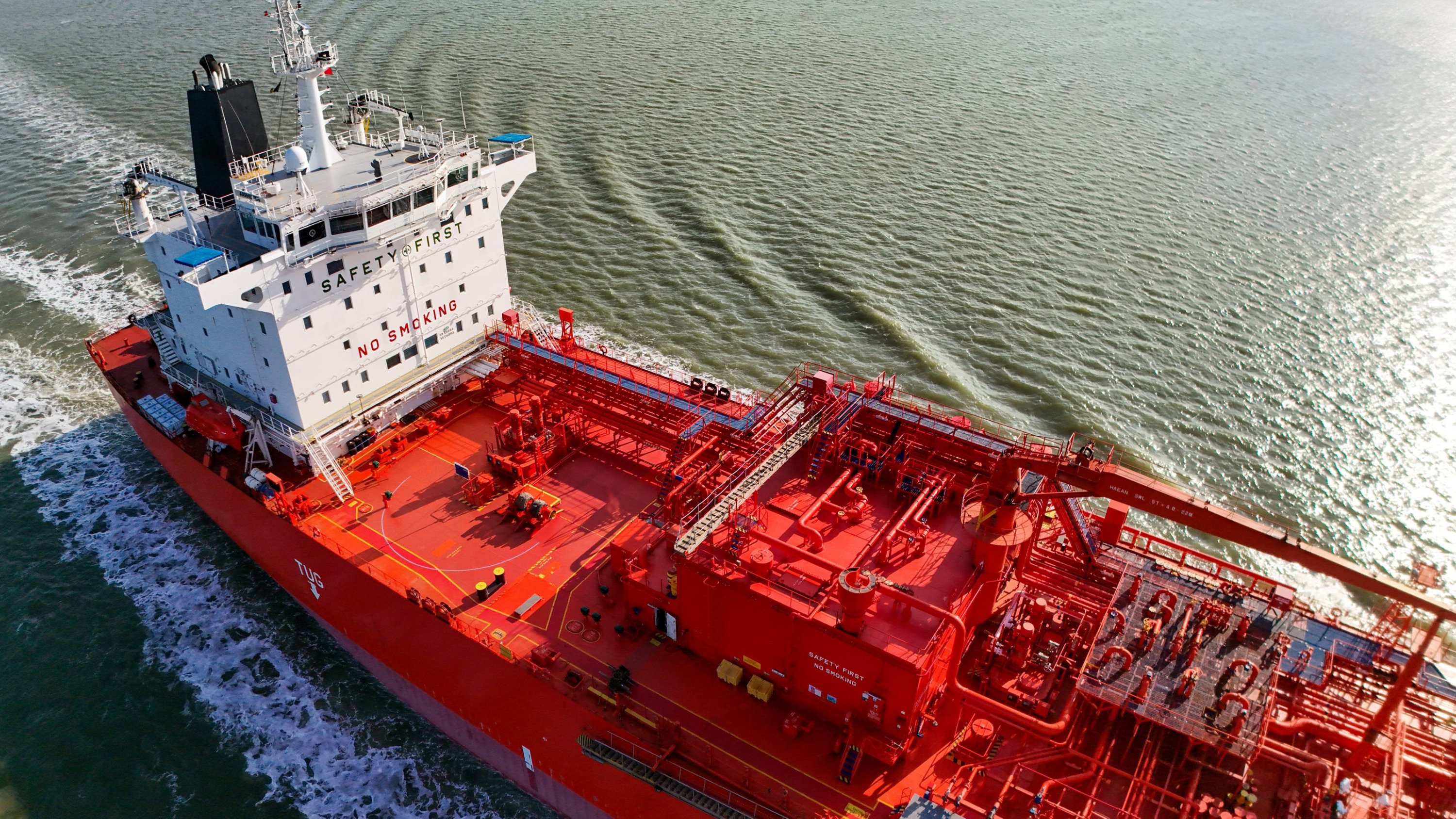
At the center of this reality is the Strait of Hormuz. This narrow passage between Iran and Oman carries about one-fifth of the world's oil and liquefied natural gas shipments every day. This makes it one of the most important routes in global energy trade. Any disruption there immediately impacts international markets.
The current situation has already caused significant fluctuations in oil prices, sparking fresh worries about potential supply disruptions. Just the thought of limited shipping routes has been sufficient to rattle financial markets, highlighting for decision-makers the precarious nature of global energy distribution in times of international tension.
Europe is particularly sensitive to these kinds of shocks. Despite its ambitious climate policies and a strong push for renewable energy, the continent is still closely linked to global energy markets. The conflict in Iran has shown again how vulnerable European economies are to instability far from their own borders.
A large portion of Europe’s liquefied natural gas (LNG) imports comes from Qatar, and those shipments must pass through the Strait of Hormuz before reaching European terminals. In practical terms, this means that Europe’s energy security starts not in Brussels or Berlin but thousands of kilometers away in the Persian Gulf.
The effects of this vulnerability are already clear. As energy prices rose sharply after the conflict escalated, European governments hurried to protect their economies. Some countries looked into cutting fuel taxes, others considered imposing windfall taxes on energy companies, while several governments thought about tapping into strategic reserves to stabilize markets.
Germany, Europe’s largest economy, even joined international efforts to release emergency oil reserves to calm global markets.
These actions may relieve immediate pressure, but they cannot solve the deeper strategic problem Europe now faces.
Over the past decade, European policymakers have focused on reducing reliance on Russian energy. The push for diversification quickened after the Ukraine war, with the EU increasing LNG imports, investing in renewable energy, and promoting energy efficiency across the region.
However, the current crisis shows that diversification alone cannot eliminate geopolitical risks. Energy markets remain global and interconnected. A disruption in one area can tighten supply worldwide, driving prices up regardless of where the energy ultimately comes from.
The Strait of Hormuz clearly demonstrates this situation. Even if Europe cuts its dependence on certain suppliers, it still relies on the safe operation of global maritime routes that support international trade.
In this way, the Iran conflict reveals a broader strategic truth: Europe’s green transition may lower long-term dependence on fossil fuels, but it cannot immediately shield the continent from geopolitical energy shocks.
The implications extend beyond energy markets. The crisis shows how Europe’s security landscape reaches far beyond the continent.
For decades, the U.S. has been the main protector of maritime security in the Gulf, helping ensure the safe passage of energy shipments through Hormuz and other crucial routes. But as global power dynamics shift, Europeans face growing questions about their own strategic responsibilities.
Ensuring the safety of critical trade routes may no longer be a distant issue handled only by Washington. For Europe, it is becoming a matter of economic stability and strategic resilience.
Recent discussions among European leaders about naval deployments and security cooperation around the Gulf reflect this increasing awareness.
The Iran conflict may thus be more than just a regional dispute. It may signal a moment when Europe starts to recognize that its prosperity depends on the stability of distant areas and the security of global trade routes.
Europe’s green transition will certainly change the continent’s energy landscape in the coming years. Renewable energy will grow, demand for fossil fuels will slowly decline, and new technologies will transform energy systems. Yet the path to that future remains long.
Until then, Europe’s economic stability will continue to be connected to global energy corridors, including those that run through one of the world’s most volatile regions. The Strait of Hormuz is therefore not just a distant sea passage. For Europe, it is a vital lifeline.