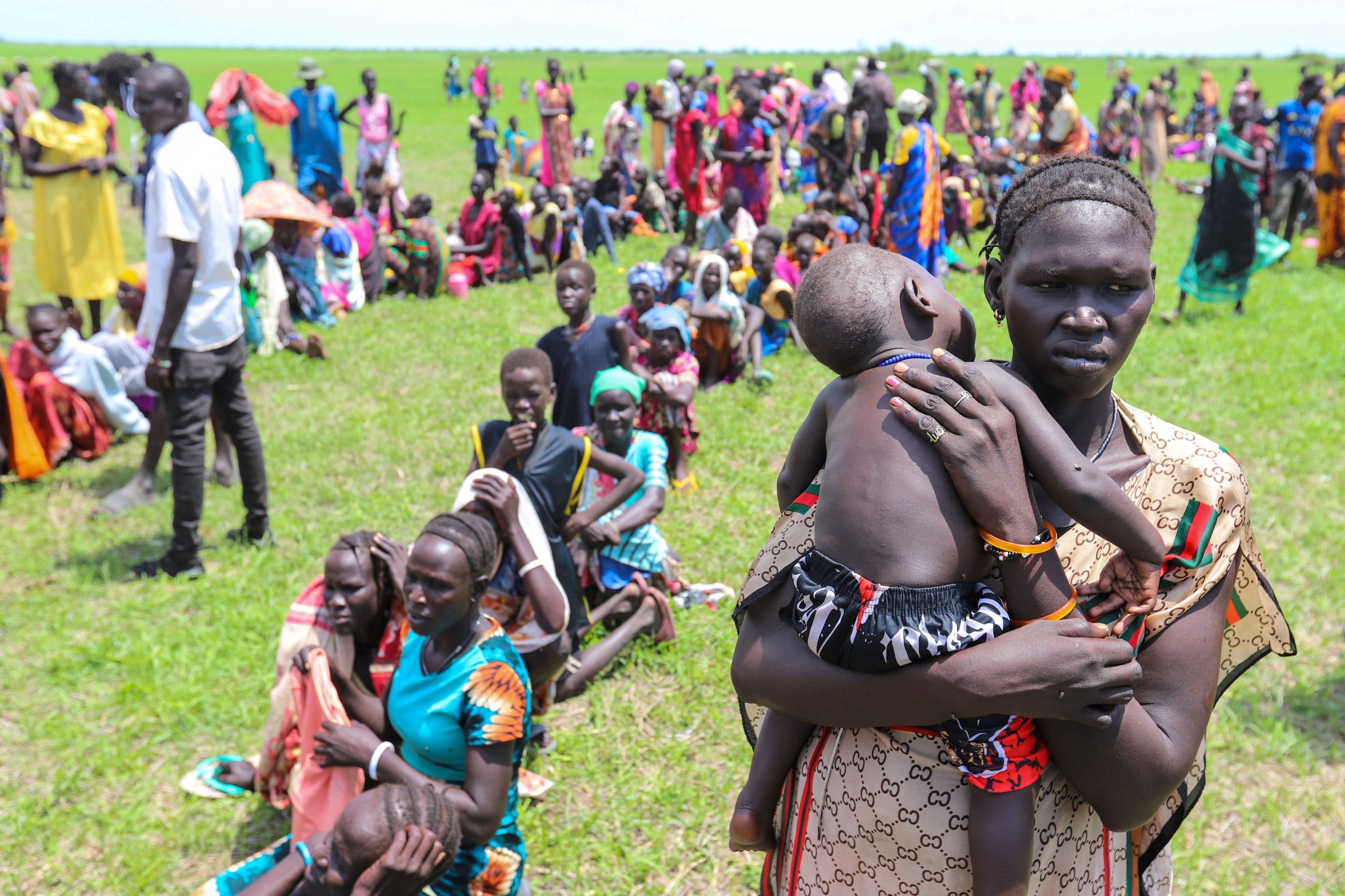
More than two years have passed since one of the most catastrophic wars of the 21st century broke out in Sudan. The nation has been in a humanitarian, political and economic quagmire since April 2023 as a result of the war between the Sudanese Armed Forces (SAF) and the paramilitary Rapid Support Forces (RSF). Sudan's crisis is currently the worst displacement catastrophe in the world, with over 150,000 people killed, over 12 million displaced and starvation looming in numerous regions of the country. Despite this calamity, the dire situation is mainly ignored on the international scene. The war in Sudan is fuelled by a failed democratic transition, extractive politics, regional interests and international apathy; it is more than just a civil war. If the world continues to ignore it, the entire region will be plagued by its effects for many years.
The violence has its origins in Sudan's tumultuous transition after long-time ruler President Omar al-Bashir was overthrown after the 2019 democratic revolution. He was overthrown by a revolution that had sparked optimism for a return to democracy and civilian governance. However, military rule swiftly replaced a shaky transitional government in place of democratization. In April 2023, tensions escalated between the RSF, led by Mohamed Hamdan Dagalo (also known as Hemedti), and the SAF, under the command of Gen. Abdel Fattah al-Burhan.
In the post-Bashir power structure, these groups, formerly partners, soon became violently competitive for control of the state, its resources and Sudan's lucrative gold trade. It was a zero-sum game tussle. As a result, there are no front lines in this bloody conflict, and civilians are caught in the crossfire while hospitals are destroyed and cities are under siege as the war continues.
The humanitarian cost is enormous. Once a thriving city, Khartoum is now a battlefield. Darfur, which has already been traumatized by decades of ethnic genocide in the last three decades, has seen new horrors. Ethnic targeting, sexual brutality and systematic killings are reported by Geneina and El Fasher, echoing the early 2000s genocides.
The United Nations fears that hunger is imminent in Sudan. Civilians in central Darfur and parts of Khartoum subsist on leaves and tainted water. Tens of thousands of youngsters are at risk from a measles outbreak as a result of vaccination programs failing. Numerous hospitals have been demolished or abandoned, leaving the health system in shambles. Over 70 individuals were killed in the bombardment of the Saudi Maternal Teaching Hospital in El Fasher in May 2025, which highlighted the egregious violation of international humanitarian law in this conflict.
Human misery has been accompanied by cultural degradation. Priceless artifacts have been taken or destroyed, and the national museum and archives of Sudan have been robbed. One relic and one tale at a time, a country's legacy is being lost.
The conflict in Sudan is not limited to its physical location or boundaries. It is maintained by outside forces vying for control of the Horn of Africa, access to Sudanese gold and influence over Red Sea ports. According to reports, the SAF has profited from Iranian drones and Egyptian assistance, while the RSF is supported by the United Arab Emirates (UAE) and Libyan commander Khalifa Haftar.
Once involved in Sudan's gold mines, Russia's Wagner Group established the groundwork for a war economy that currently feeds the conflict as a backer of the RSF. These local customers are facilitators rather than passive observers. Food and medical help find it difficult to pass through permeable borders, but weapons pour through them on a daily basis. Foreign intervention strengthens the conflict rather than promoting peace.
The impasse has not been resolved by international diplomacy. Peace negotiations have been intermittent and mostly symbolic. The U.S., Türkiye and Saudi Arabia supported the Jeddah talks, but they failed to produce any tangible results. Egypt took the U.K.'s place in the "Sudan Quartet," a regional alliance that aims to promote negotiations at the beginning of 2025, but with no breakthrough.
However, the Quartet group is hampered by conflicting interests among member governments. Multilateral institutions continue to be overburdened and underfunded in the Sudan conflict. Without prompt financing, millions of people may perish from hunger and avoidable sickness, according to the World Food Programme and UNICEF. Moreover, depleted coffers are the result of donor fatigue and geopolitical diversion. Only a small portion of the $4 billion desperately needed was raised at a donor conference in London in April 2025.
Over the last two days, reports have emerged that Sudan’s army has retaken the strategic area of North Kordofan State following an intense battle with the RSF. Since the army took Khartoum, the RSF has been retreating and resorted to strategic drone attacks. While SAF is militarily more capable than RSF, it has still struggled to bring the military conflict to a decisive end by delivering a fatal blow. The warring sides are both adamant about a military victory, hence prolonging the bloodshed in Sudan. While the Sudan army is advancing and gaining ground, this conflict and its horrendous impact on people’s lives will continue to haunt and destabilize Sudan.
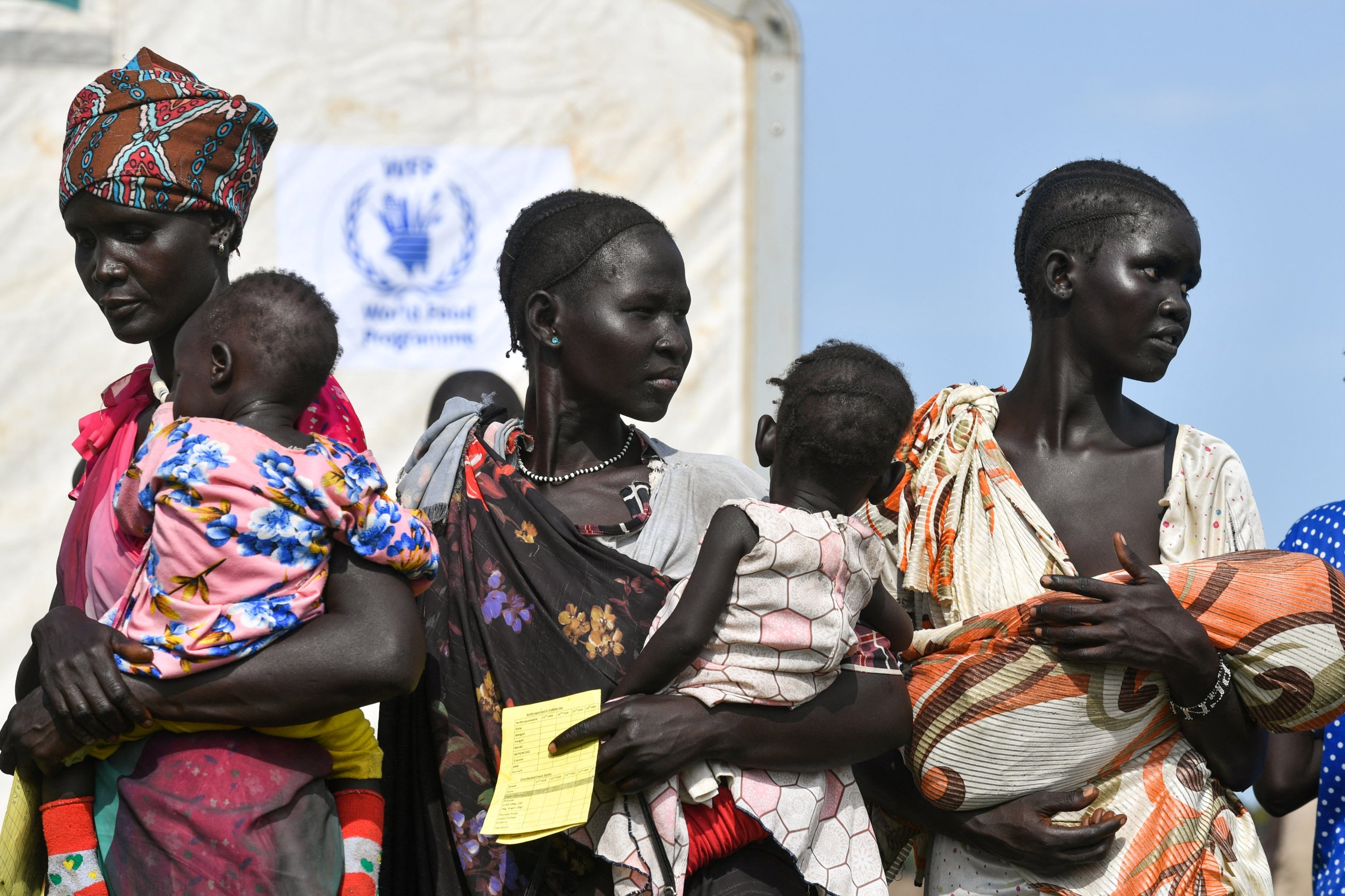
The increasing perception that Sudan's war crimes are becoming accepted, or worse, forgotten, is arguably its most unsettling feature. Communities have been destroyed along ethnic lines in Darfur, and mass graves have been found in the region. Survivors describe whole communities being destroyed and rape being used as a weapon of war.
New investigations have been launched by the International Criminal Court; however, accountability remains elusive. Both the SAF and the RSF blame the other for war crimes and deny any involvement. Since the nation no longer has a reliable legal system, impunity is the norm and the result of collapsed state institutions.
The conflict in Sudan is no longer solely a Sudanese issue. It has the potential to worsen global refugee flows, destabilize the Horn of Africa and increase radicalization throughout the region. The entire region is feeling the effects of a conflict that the world won't acknowledge, as millions of people escape to South Sudan, Egypt and Chad.
A world that did nothing but watch Sudan burn would not fare well in history – memory documents the collective silence and indifference. The horror that is taking place in Sudan will be a stain on our collective conscience, just as we look back with sorrow at the passivity during the slaughter in Rwanda – unless the world takes action right away.
The Sudanese conflict has not ended. However, there is an opportunity for a response. We must speak out, take action and demand justice for the people of Sudan, for those who are still there, who are living abroad, and those whose voices have been suppressed during this brutal war. It is essential for their existence as a people and for Sudan to become a peaceful and prosperous nation in the future.