“The old world is dying, and the new world struggles to be born: now is the time of monsters,” said philosopher and politician Antonio Gramsci.
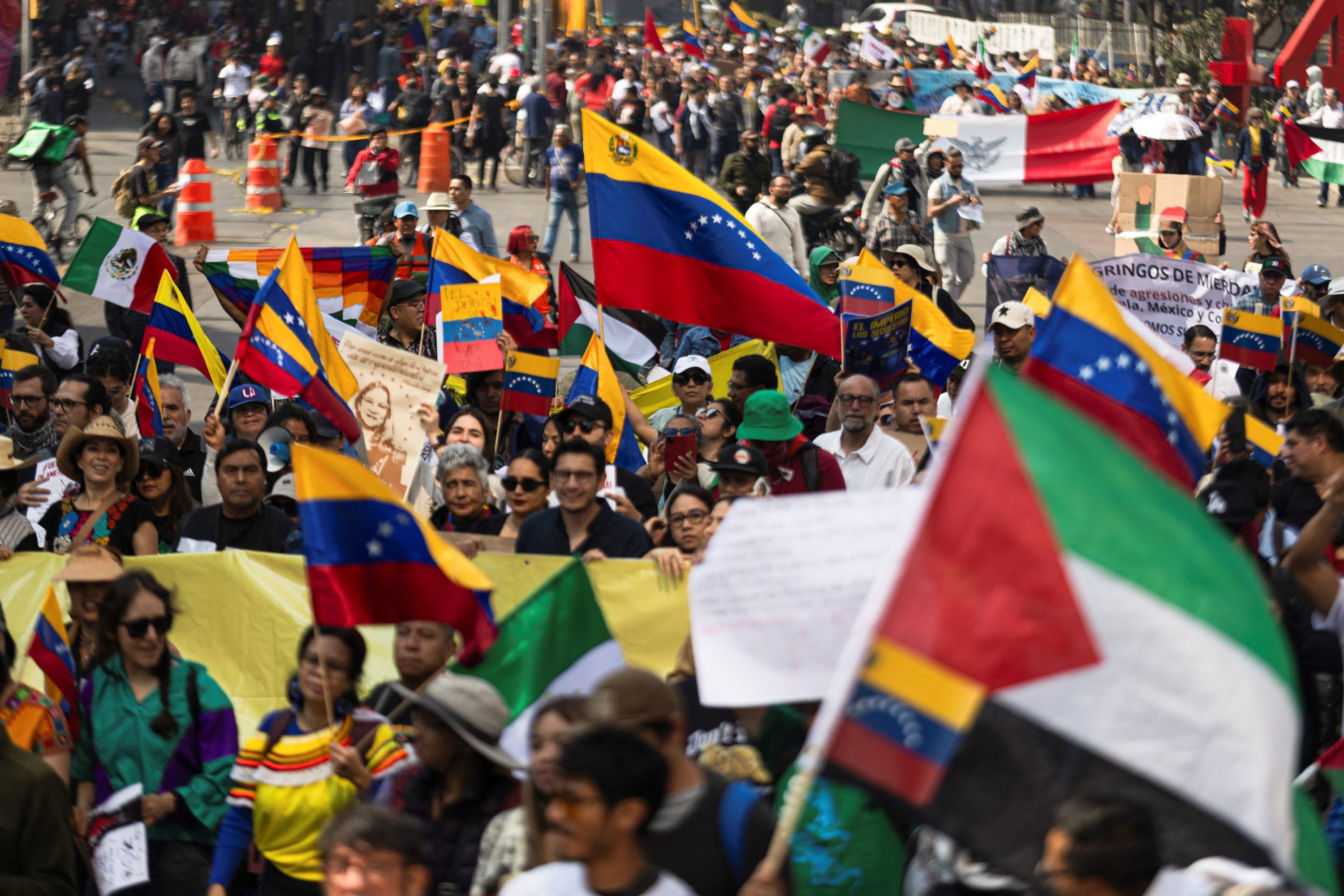
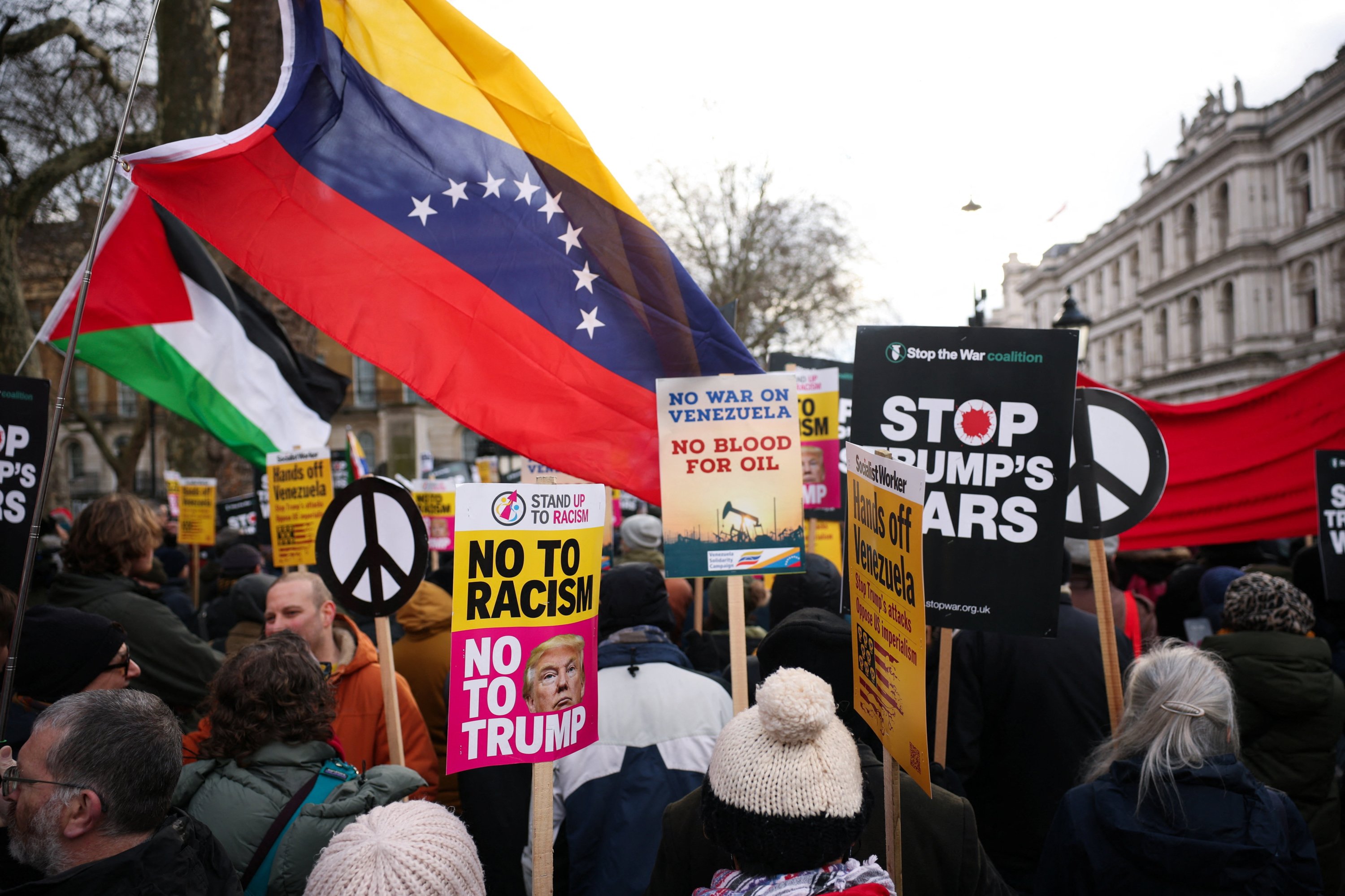
We are living through a historical rupture. The unraveling of the liberal global order now appears complete. What we are witnessing is not a temporary crisis but a systemic collapse, one in which the norms, laws and moral claims that once underwrote global governance have been hollowed out. The reported assault, abduction and humiliation of the president of Venezuela, Nicolas Maduro, along with his wife, by the U.S. is a harbinger of what lies ahead in this emerging world disorder.
The allegations levelled against Maduro and his family are opaque, revolving around claims of terrorism and drug trafficking. Yet history urges scepticism. The late President Hugo Chavez once warned that conflict between Venezuela and the U.S. would have little to do with democracy or human rights and everything to do with Venezuela’s vast oil reserves, which are the largest in the world and belong to its people rather than foreign interests. When Washington can openly speculate about annexing Canada or acquiring Greenland, it should surprise no one if Venezuela is quietly added to the list of imperial ambitions.
Whatever the stated justification, there is something fundamentally grotesque about the seizure of a sitting head of state and his family from their home – an act allegedly facilitated by co-opted elements within Venezuela’s own political and military elite. Empires have always depended on such collaborators. Colonial domination was never sustained by force alone but by a comprador class willing to act as intermediaries between imperial power and the subjugated population. Yet even by the degraded standards of contemporary geopolitics, such actions constitute a flagrant violation of the United Nations Charter, international human rights law, and the most basic principles of sovereignty. The U.S. now positions itself as judge, jury and executioner.
This accelerating lawlessness is often euphemistically described as “democratic backsliding.” The term is grossly inadequate. It sanitizes what is, in fact, a profound ethical collapse. After World War II, Western societies were raised on the moral promise of democracy: freedom, equality, the common good, minority rights and respect for the rule of law. We were taught to revere international law, human rights conventions and the Geneva Conventions as civilizational achievements. Today, we are witnessing a shameless about-face. Rules no longer apply, neither at home nor abroad. Power now operates with brazen indecency.
Gramsci described such moments as interregnums: periods between power configurations when the old order has lost legitimacy and the new order has yet to consolidate authority. In an interregnum, no actor is willing or able to function as a global mediator. Authority is suspended, leadership fragmented and norms eroded. What emerges instead is a volatile multipolarity marked by anxiety, uncertainty and escalating brutality. In such moments, commitment to the rule of law is at its weakest.
The signs are unmistakable. As the world watches a genocide livestreamed in Gaza, international institutions stand paralyzed. The abduction of a head of state goes unpunished. Human dignity is violated in full view, yet accountability remains absent. In times like these, it is not states alone that must act; people must assert themselves. Silence is complicity.
We are now living through four concurrent tragedies. First, a post-truth, post-literate condition in which facts no longer matter. Second, the de-democratization of political life, as democracy itself becomes an obstacle to the rapacious greed of imperial powers. Third, the unravelling of multilateralism, replaced by unilateral coercion. And finally, the systematic erasure of international humanitarian law. The Geneva Conventions, human rights statutes and prohibitions against war crimes and genocide have been reduced to empty rhetoric. If these violations are allowed to stand, no state, no people and no leader is safe. Precedent is everything in international politics.
Perhaps most chilling was President Donald Trump’s audacious declaration during a press conference that the U.S. would seize Venezuelan oil and “run” the country. Initial reports suggested acquiescence from elements within Venezuela’s leadership. Yet recent statements from the Vice President demanding the immediate release of President Maduro and his family suggest fractures within the regime. What follows now is a familiar imperial script: factions backed, rivals undermined, militaries courted. The game of thrones has begun.
Gramsci warned us that in the interregnum, monsters emerge. The question before us is whether we will confront them or become them.