Throughout October, we have witnessed a series of significant developments for Türkiye. Its advancing defense relations with Europe, developments in Libya, the Mecca agreement, the Badr accord and national navigation initiatives are all helping to solidify a new power architecture centered on Türkiye.
In my view, all these steps must be considered within the same framework. As Türkiye builds a new security structure with its partners, it is also developing the technological expertise, production capacity, and cooperation opportunities needed to support it. Türkiye’s goal of becoming a global leader in the defense industry takes on greater significance within this broader context.
To properly assess where we stand today, we must not forget the embargoes imposed on Türkiye by Europe and the United States. The restrictions, which have persisted to this day, have compelled this country to develop its own capabilities and pursue diverse partnerships. Thus, the obstacles Türkiye faced became the primary motivation for advancements in the defense industry.
The picture before us today, however, is changing. The defense cooperation road map signed with France on Oct. 3, Canada’s messages regarding cooperation, and the United Kingdom’s cooperative approach toward early delivery of Eurofighter aircraft clearly demonstrate this shift.
The fact that Paris views aligning with Türkiye as necessary for its own interests indicates that our country’s growing strength is influencing European preferences. Türkiye, too, is expanding its alternatives to counter embargoes while meeting its needs.
The Libyan House of Representatives’ approval on Oct. 20 of the 2019 agreement with Türkiye on the delimitation of maritime zones must also be evaluated within this framework.
I would like to highlight two points in particular. Libya’s House of Representatives includes members representing both Haftar and the Government of National Accord. Moreover, the approval was passed unanimously. This situation demonstrates that the agreement has been embraced by Libya as a whole.
Thus, while relations between the two countries are gaining a more solid foundation, Türkiye’s sphere of influence and interest at the intersection of the Eastern Mediterranean and the Aegean is also expanding. The agreement in question constitutes a strategic barrier against Greece’s unjust and unlawful expansion southward.
Following the Mecca agreement signed on Aug. 7, notable developments have unfolded in the region. After Türkiye and Pakistan provided support to bolster Saudi Arabia’s military capabilities, the Houthis appear to have begun retreating somewhat in the face of Yemen’s central government.
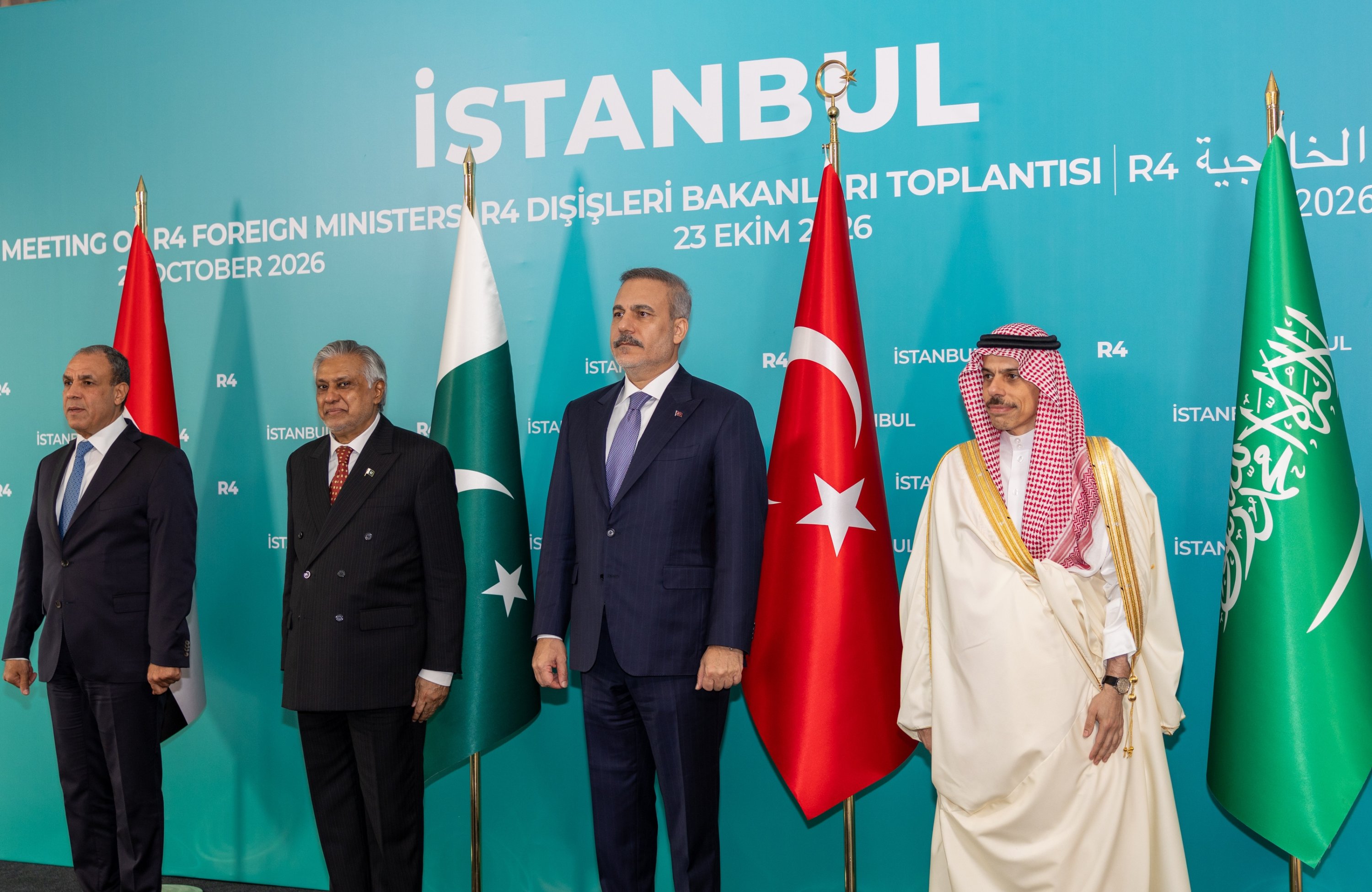
Egypt’s announcement, through its foreign minister, of its request to join the alliance, along with Iranian President Masoud Pezeshkian’s expressed desire to join the agreement, reveals how the emerging balance of power is being received by countries across the region.
The Badr agreement, signed on Oct. 21, 2026, in Doha by Türkiye, Qatar, Pakistan and Indonesia, further strengthens the defense industry component of this process. Indonesia’s inclusion among the partners underscores the strategic approach’s intent to expand toward Asia.
The ceremony was also attended by Haluk Görgün, head of the Presidency of Defense Industries (SSB). The historic agreement, signed on behalf of Türkiye by Defense Minister Yaşar Güler, brings together numerous areas of cooperation. In addition to joint production and procurement, the agreement covers technology transfer, research and development, training and joint activities.
This agreement carries significance beyond a conventional partnership. Transforming Türkiye’s accumulated expertise in technology and production into a global defense power depends on the integration of financing, qualified human resources, production capacity and market opportunities toward a common goal. The convergence of Qatar’s capital with the geopolitical advantages of Pakistan and Indonesia, combined with the technologies developed by Türkiye, has the potential to create a much broader capacity. The inclusion of provisions regarding joint defense industry efforts in the text of the Mecca agreement submitted to Parliament further supports this vision.
This partnership could pave the way for new projects in many areas over the coming years, ranging from aircraft and engines to ballistic missiles, and from unmanned aerial vehicles (UAVs) and armed UAVs to space technologies. Just as in the examples of Europe’s Eurofighter and Tornado programs, countries can combine their capabilities to develop a joint aircraft, a family of missiles, or space modules. To achieve this, the capabilities needed in the future must be identified today, and research and development efforts must be shaped according to these goals. By working together, from design to production and procurement, countries can share costs and responsibilities while collectively growing their technological expertise.
The launch of the sixth satellite by Fergani Space Technologies, founded by Selçuk Bayraktar, marks a significant milestone in this process. The approximately 160-kilogram (350-pound) satellite, developed using domestic and national engineering capabilities, was launched from the U.S. on Oct. 20. While this satellite, equipped with navigation and communication capabilities, brings us one step closer to the goal of a national navigation system, the completion of the Uluğ Bey Satellite System, which will consist of more than 200 satellites within five years, is also targeted.
The “Turkish model,” which is based on the harmonious collaboration between the Turkish Armed Forces and our defense industry, is also strengthening our partners’ confidence in our country. We will be following the developments in this initiative, which extends from the Mediterranean to Asia and into space, with great interest.