In the 21st century, Latin America has become a region where global powers have increasingly concentrated, due to its energy resources, natural wealth and strategic location. Within this equation, Venezuela, possessing the world’s largest oil reserves and experimenting with socialist governance, has stood at the center of the United States' regional policies. Washington’s pressures affect not only Latin America but also global power balances directly.
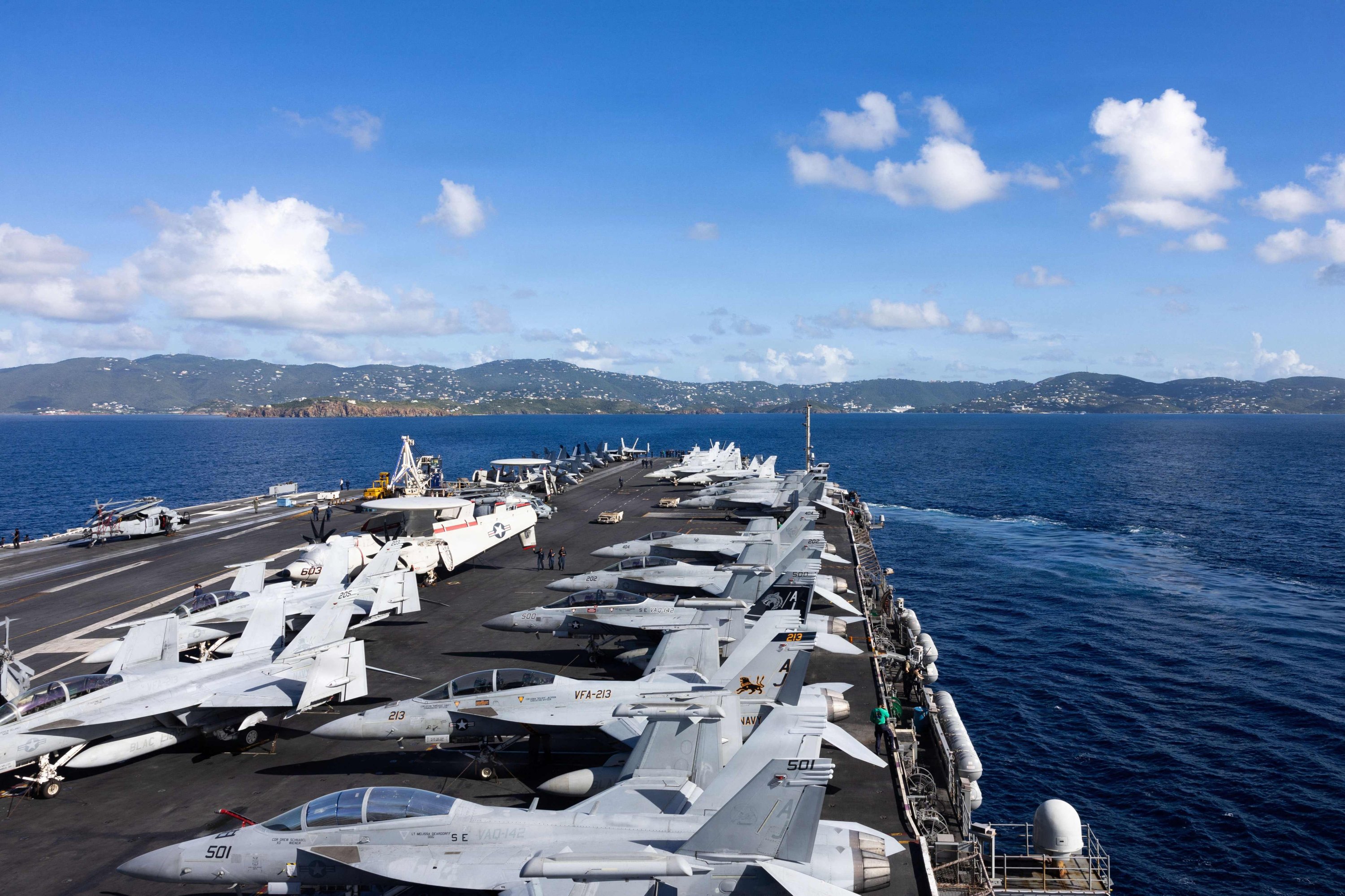
Since the summer of 2025, relations between the U.S. and Venezuela have rapidly hardened. In August, the U.S. escalated pressure by placing a bounty on Venezuelan President Nicolas Maduro’s capture and deploying military equipment to the Caribbean. The Caracas government labeled this move “propaganda,” responding with its own navy and drones. The U.S. forces’ targeting of a “drug-carrying” boat, which killed 11 people, marked the beginning of a three-month chain of operations. Allegations that President Donald Trump authorized the CIA to conduct covert operations in Venezuela were not confirmed, while Washington’s announcement that it could meet with Maduro revealed that the crisis’s diplomatic dimension was intertwined with military threats. Maduro described the process as “psychological warfare” and called his army to remain on alert, claiming Washington’s true aim was to seize Venezuela’s oil reserves.
Over the past 25 years, Washington’s policies toward Venezuela have been shaped by economic sanctions, political interventions, and military threats. Experts argue that there is a significant gap between the U.S.’s official rhetoric and realities on the ground.
The U.S.’s primary goal is not only to topple the Maduro government but also to consolidate its hegemony in Latin America and reinforce its global strategic superiority. Venezuela’s possession of the world’s largest oil reserves lies at the heart of this strategy. The Trump administration linked Venezuela to drug trafficking to justify the threat of military intervention. However, Drug Enforcement Administration (DEA) and United Nations Office on Drugs and Crime (UNODC) data show that Colombia and Central America are at the center of cocaine flows, while Venezuela remains a secondary transit country. This weakens the U.S.’s official justification and highlights energy and geopolitical control as the true motivations behind its pressure. The aircraft carrier and accompanying military units deployed by the U.S. in the Caribbean have become symbols of Washington’s pressure strategy. While official statements emphasize the “war on drugs,” the Caracas government interprets these moves as direct attempts at regime change.
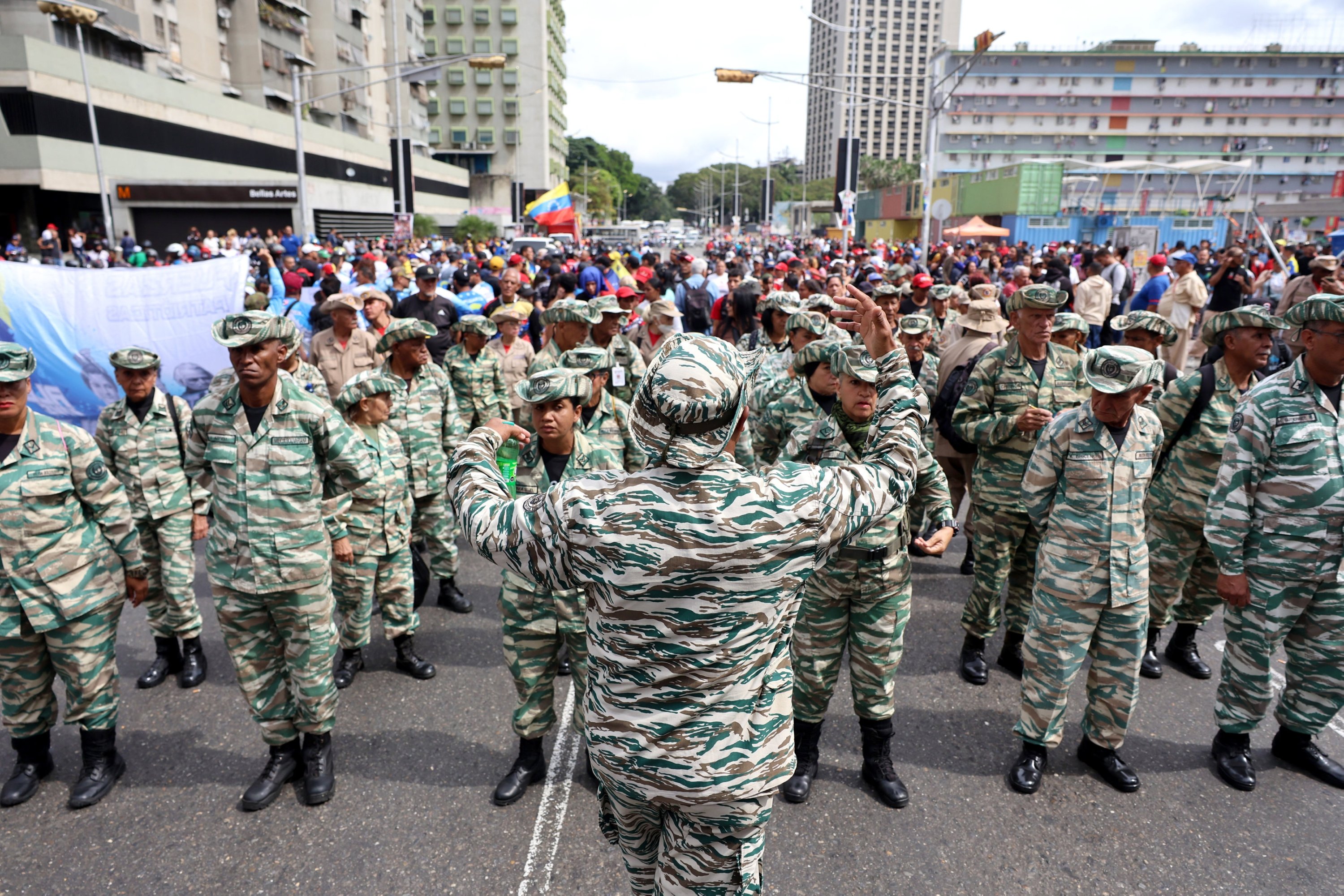
U.S. forces carried out raids on ships allegedly linked to drug trafficking, killing dozens of people. However, they did not directly attack Venezuelan institutions. According to military strategy, a ground invasion is unlikely, as the current American deployment is insufficient for such an operation. Venezuela’s army, deployed nationwide, has declared its readiness to resist these attacks. The U.S. military buildup is more of a political pressure campaign than a strategic operation. The Trump administration frequently corners its rivals with threats and ultimatums. The aim is to achieve regime change in Venezuela with the support of an international community that refuses to recognize Maduro’s reelection. During his first term, Trump recognized Juan Guaido as interim president and imposed heavy sanctions that collapsed half of Venezuela’s economy. Today, the show of force in the Caribbean is seen as a new phase of this “maximum pressure” strategy.
Europe's approach to the Venezuelan crisis is more cautious and diplomatic compared to the U.S.’s harsh and coercive policies. Distancing itself from Washington’s sanctions and military threats, Europe prefers to frame the crisis around democracy, human rights and negotiation. This approach also exposes internal differences within Europe. While some member states align closely with the U.S., others share criticisms of “interference in sovereignty,” making it difficult to develop a unified European policy.
France’s stance is the clearest example of these contradictions. Paris openly declared that U.S. military operations violated international law. Yet, French energy companies’ interests in Venezuela and the security of France’s overseas territories are key factors shaping its policies. Thus, while France officially advocates legal and diplomatic solutions, it also seeks to protect its economic interests behind the scenes.
Germany pursues a more complex balance. Berlin blames Venezuela for human rights violations and offers partial support to the opposition, while also stressing the need to maintain dialogue with the regime. This dual approach shows that Germany partly supports U.S. policy on Venezuela but avoids taking a firm stance. German politicians themselves are divided: some argue Maduro has lost legitimacy and that Guaido should be supported, while others point to the opposition’s fragmentation and call for a broader coalition.
The United Kingdom has taken a more limited role. London halted intelligence sharing on U.S. operations in the Caribbean, declaring the attacks “illegal.” This shows Britain has partially restricted cooperation with the U.S. while emphasizing legal grounds.
Spain, meanwhile, stressed the need to uphold international law at the Community of Latin American and Caribbean States (CELAC)-EU summit, which was interpreted as an indirect criticism of U.S. interventions.
The Venezuelan crisis is no longer confined to one country’s internal political and economic problems. The U.S.’s harsh pressures on Maduro have triggered countermoves by global powers, turning the crisis into a concrete reflection of the multipolar world order. While Washington seeks regime change based on Venezuela’s strategic location and oil reserves, China openly supports Caracas through energy and infrastructure investments, and Russia strengthens Maduro’s power through military cooperation and arms sales. Countries of the Global South also criticize U.S. unilateralism and defend Venezuela’s sovereignty, creating a new balance that limits Washington’s intervention capacity.
The Venezuelan issue has become a multilayered crisis shaped by the U.S.’s hegemonic ambitions, the EU’s diplomatic divergences, Latin America’s internal divisions, and the rising influence of China and Russia. This picture stands out as one of the clearest examples of power struggles in a multipolar world order, turning Venezuela into a strategic testing ground at the center of global competition.