The agreement between the Syrian government and the terrorist organization YPG represents more than a domestic reshuffling in Syria. It signals a transformation with direct repercussions for Iraq. As Damascus consolidates authority in the northeast, Baghdad faces evolving security, political and legal challenges along its western border. Iraq, sharing nearly 600 kilometers (375 miles) with Syria, cannot treat the settlement as distant or peripheral. It is a strategic reality that demands attention and action.
Control over the border is gradually shifting from the YPG to Damascus, while transfers of Daesh detainees are underway and expected to rise significantly. The unresolved fate of foreign militants, particularly PKK-linked elements, raises the prospect of their relocation to Iraq. These developments compel Baghdad to strengthen internal security and reconsider its strategic posture toward Damascus. The settlement in Syria is quietly reshaping Iraq’s calculus, forcing the government to act proactively to avoid both security and political surprises.
After the conflict between the Damascus government and the YPG, the January compromise represents a decisive step in reasserting central authority. Under the integration framework, the YPG’s military and administrative structures will be gradually absorbed into the Syrian state, including institutions managed by the so-called autonomous administration. This process reveals Damascus' intention to establish control throughout the country, aiming to consolidate state authority while gradually weakening local governance structures.
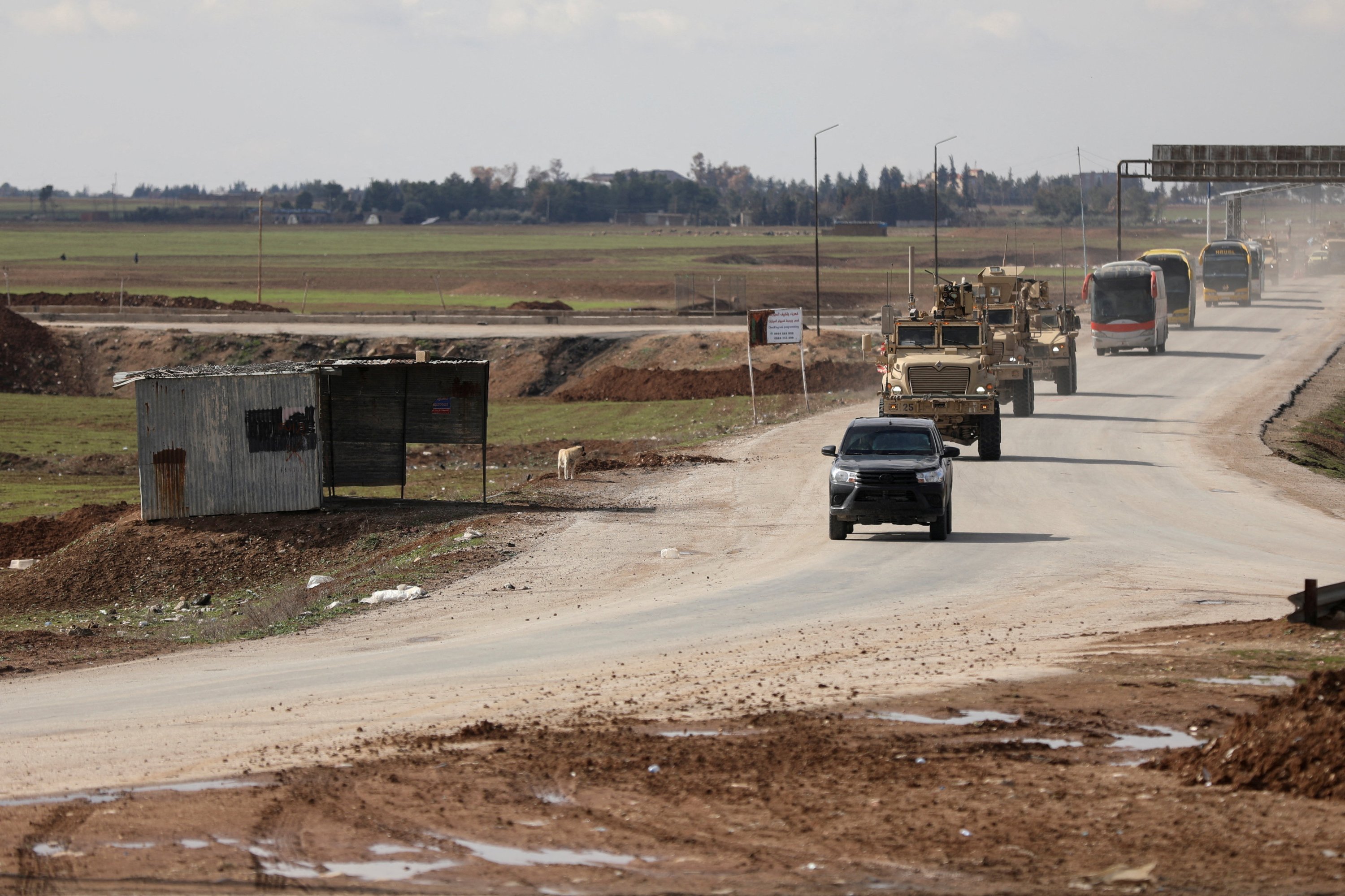
Implementation is already underway. Security control in Qamishli has begun shifting to Damascus, a governor has been appointed to Hassakeh, and a military delegation from Damascus visited on Feb. 6. While the YPG is disappointed, these developments reflect both U.S. acquiescence and the Syrian government’s capacity to enforce its agreements. Yet translating these agreements into durable stability will require continued oversight, negotiation and adaptation to local conditions.
The Syrian government is also addressing the movement of detainees. Hundreds of Syrian detainees will return from Lebanon, and over 5,704 Daesh detainees have been transferred from Syria to Iraq, with expectations that the number could exceed 7,000. Meanwhile, Damascus has expressed concern about foreign fighters within the YPG. The status of those excluded from integration remains unresolved. Collectively, these developments consolidate Damascus’ authority while creating ripple effects that extend well beyond Syria’s borders, particularly for Iraq’s security environment.
These developments coincide with a period of domestic fragility in Iraq. U.S.-Iran tensions remain high, and the government formation process is still stalled. Iran-backed militias heighten the risk of uncontrolled escalation, while political deadlock limits Baghdad’s ability to respond decisively. Furthermore, under the agreement reached in 2025, U.S. forces are scheduled to withdraw from Iraq in September 2026. In fact, the handover of the Ain al-Asad Air Base in Anbar to the Iraqis took place on Jan. 17. However, while this strengthens the authority of Iraqi security forces, it may also create vulnerabilities in terms of new potential crises. In this context, new threats emerging from Syria arrive at the worst possible moment, leaving the government little room for error.
In the conflicts in Syria, Baghdad has shown that it favors political compromise. Even populist cleric Muqtada al-Sadr, who is outside the political establishment, has stated that forces in the north of the country should not intervene in any way so that Iraq is not affected. Domestically, political actors like Kurdistan Democratic Party (KDP) leader Masoud Barzani have attempted to leverage the reconciliation to strengthen Kurdish influence via the YPG, but the compromise in Syria showed that this effect would be limited.
Border security has become a top priority. As Damascus reasserts authority along the frontier, cooperation with Syria is no longer optional but a strategic necessity, particularly in counterterrorism. Iraq must anticipate not only direct threats from Daesh but also the movement of foreign YPG militants seeking refuge across its borders. The combination of these dynamics with Iran-backed militia activity complicates internal security planning, forcing Baghdad to adopt a more proactive posture and explore institutionalized coordination mechanisms with both Damascus and international partners.
Syria’s trajectory directly shapes Iraq’s political and military considerations. Iraqi leaders, including Ammar al-Hakim of the National Wisdom Movement, have warned that instability in Syria could reverberate inside Iraq. These challenges manifest across multiple domains: border security, counterterrorism, domestic politics, diplomacy and law.
Following the YPG-Damascus agreement, Iraq has intensified border security measures and coordination mechanisms. While the Daesh threat in Syria is significant, Iraq perceives an even graver risk due to the potential influx of fighters and militants. Iraqi intelligence chief Hamid al-Shatri states that the number of Daesh terrorists in Syria has risen from 2,000 to 10,000 in the last year, although these figures are difficult to verify. Regardless, the trend underscores that Iraq’s security apparatus must remain vigilant, particularly in border provinces and urban centers that could serve as transit points for militants.
The situation of non-Syrian YPG members excluded from the integration planning also presents a multifaceted challenge. Iraq, due to geographical proximity, existing networks and prior experience, is likely to absorb some of these individuals. This raises the risk of strengthening PKK elements already active in northern Iraq. Combined with Iranian-backed militias and local political tensions, Iraq’s internal security landscape is becoming increasingly complex, highlighting the urgency of preemptive planning.
The transfer of Daesh detainees introduces additional legal and procedural challenges. Iraq has temporarily accepted 5,704 detainees from Syria as a preventive measure while calling for their repatriation to their countries of origin and respect for Iraqi courts in the prosecution of Iraqi convicts. Prime Minister Mohammed Shia Al Sudani has urged the international community to take responsibility because these detainees hold citizenship of 61 different countries. Yet, Iraq has historically received limited support for rehabilitation and repatriation, leaving it to manage both the detainee transfers and the unresolved status of individuals in al-Hol and Roj camps largely on its own. This dynamic emphasizes that Iraq must combine internal preparedness with broad international cooperation to maintain security and legal oversight.
The consolidation of authority by Damascus and the implementation of the YPG settlement create security challenges that Iraq cannot manage unilaterally. Border control, detainee transfers and the uncertain fate of foreign militants, particularly PKK-linked groups, pose risks that require proactive, coordinated measures. Iraq’s approach must integrate diplomacy, security planning and legal frameworks to navigate this evolving landscape effectively.
As Damascus extends its control, Iraq faces a choice: treat Syria as a peripheral concern or as a central partner in stabilizing the border region and countering terrorism. At a time of domestic fragility, regional tension and evolving threats, closer, institutionalized cooperation with Syria is not just pragmatic, but also essential for safeguarding Iraq’s stability. Iraq’s ability to anticipate developments in Syria and respond decisively will determine whether it can maintain internal security and political resilience in the mid-term.