Western media often prides itself on upholding the values of truth, fairness and objectivity – codes of ethics emphasizing impartiality and human dignity. Journalism schools across the United States and Europe preach these ideals, and Western news outlets frequently position themselves as global models of credible journalism, quick to criticize “non-Westerners” for bias or propaganda. But when refugee crises began to shake the world over the past decade, that polished mirror cracked.
When war reached Ukraine in February 2022, the Western media machine moved swiftly, delivering coverage filled with empathy, urgency and calls for solidarity. Ukrainians were portrayed as brave civilians, mostly women and children, caught in the wrong place at the wrong time. The stories were deeply human: names, faces and feelings filled the pages. Coverage invoked a sense of moral responsibility and shared pain.
But when Syrians fled their war-torn cities in 2011, the tone was starkly different. Media coverage was often cautious at best and dehumanizing at worst – reducing people to numbers, anonymous masses or political burdens. Instead of sympathy, suspicion reigned. Instead of support, coverage emphasized economic strain, cultural difference and security concerns.
This contrast cannot be explained away by political context alone. It reveals how race, religion and proximity to “Europeanness” silently shape media narratives, and how the West’s professed commitment to ethical journalism falters when the victims are not white or Christian.
In 2022, NBC reporter Kelly Cobiella remarked that Ukrainian refugees were “not refugees from Syria ... they’re Christians, they’re white, they look like us.” CBS correspondent Charlie D’Agata similarly described Ukraine as a “relatively civilized” place. These were not isolated slips of the tongue. They exposed assumptions deeply embedded within Western media culture about who is worthy of empathy.
As part of my undergraduate research, I examined this pattern through a content analysis of The Daily Telegraph, a major British newspaper. I compared its coverage of the Syrian refugee crisis during its early stages in 2011 with its reporting on the Ukrainian refugee crisis in 2022. Using framing theory, I analysed how five common media frames were applied: human interest, morality, economic consequences, responsibility and conflict. The differences were unmistakable.
Syrian refugees were predominantly portrayed through economic and conflict frames. Articles focused on the burden refugees placed on the United Kingdom and European Union economies, or on tensions and security risks at borders. Personal stories were rare. Syrians were framed as part of a faceless “migrant wave,” often linked to broader anxieties about immigration, crime or terrorism.
In contrast, coverage of Ukrainian refugees relied heavily on human-interest and moral framing. Personal narratives were central. Mothers fleeing with children, families separated by war, fathers staying behind to fight. Political leaders were quoted calling for compassion. Headlines conveyed urgency and outrage. Ukrainians were presented as innocent victims of aggression and therefore deserving of protection.
This disparity reflects what Western media "chooses" to see and share, and who it believes deserves dignity.
When refugees are Arab, Muslim or non-European, their suffering is often framed as distant, political and tragically “expected.” Such framing strips individuals of their humanity and reduces crises to abstract problems. It also reinforces long-standing orientalist narratives that portray the Middle East as inherently unstable, violent and perpetually at war, a region whose pain has become normalized.
This contradiction violates the very values Western journalism claims to uphold. Objectivity is not merely a matter of neutral tone or balance. It is shaped by editorial choices: which stories are prioritized, whose voices are amplified, and which emotions are evoked. When coverage consistently portrays one group of refugees as more human and more deserving of care than others, journalism ceases to be ethical. It becomes moral favoritism disguised as professionalism.
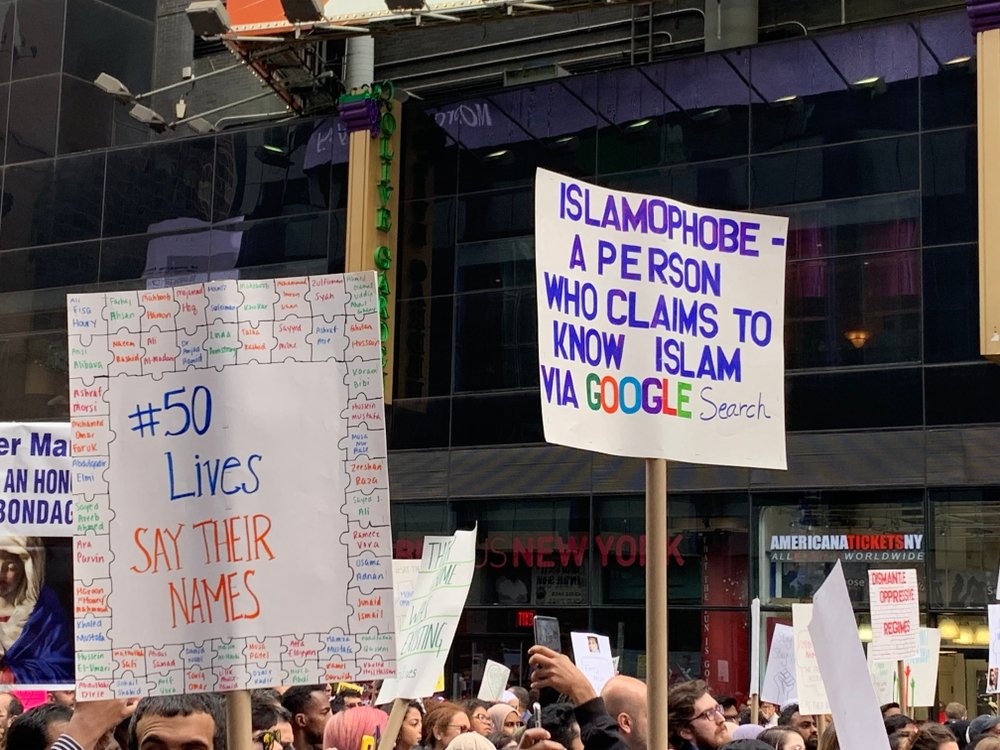
The consequences are not abstract. Media framing shapes public perception, which in turn influences government policy, social attitudes and treatment of refugees. Biased coverage can fuel xenophobia and Islamophobia, justify restrictive immigration policies, and normalize indifference toward civilian suffering. In this way, the media plays an active role in determining whose lives matter.
This pattern of selective framing extends beyond refugee coverage. It is also evident in Western media reporting on Gaza. Despite extensive documentation by humanitarian organizations of mass civilian casualties, forced displacement and famine-like conditions, coverage has often relied on passive language and moral ambiguity. Palestinians are frequently described as “dying” rather than being killed, while responsibility is softened through phrases such as “clashes” or “crossfire.” Starvation is framed as a humanitarian concern rather than the result of a deliberate policy. In contrast, Israeli suffering is individualized, named and emotionally foregrounded. The result is a narrative that obscures power, dilutes accountability and normalizes prolonged civilian suffering.
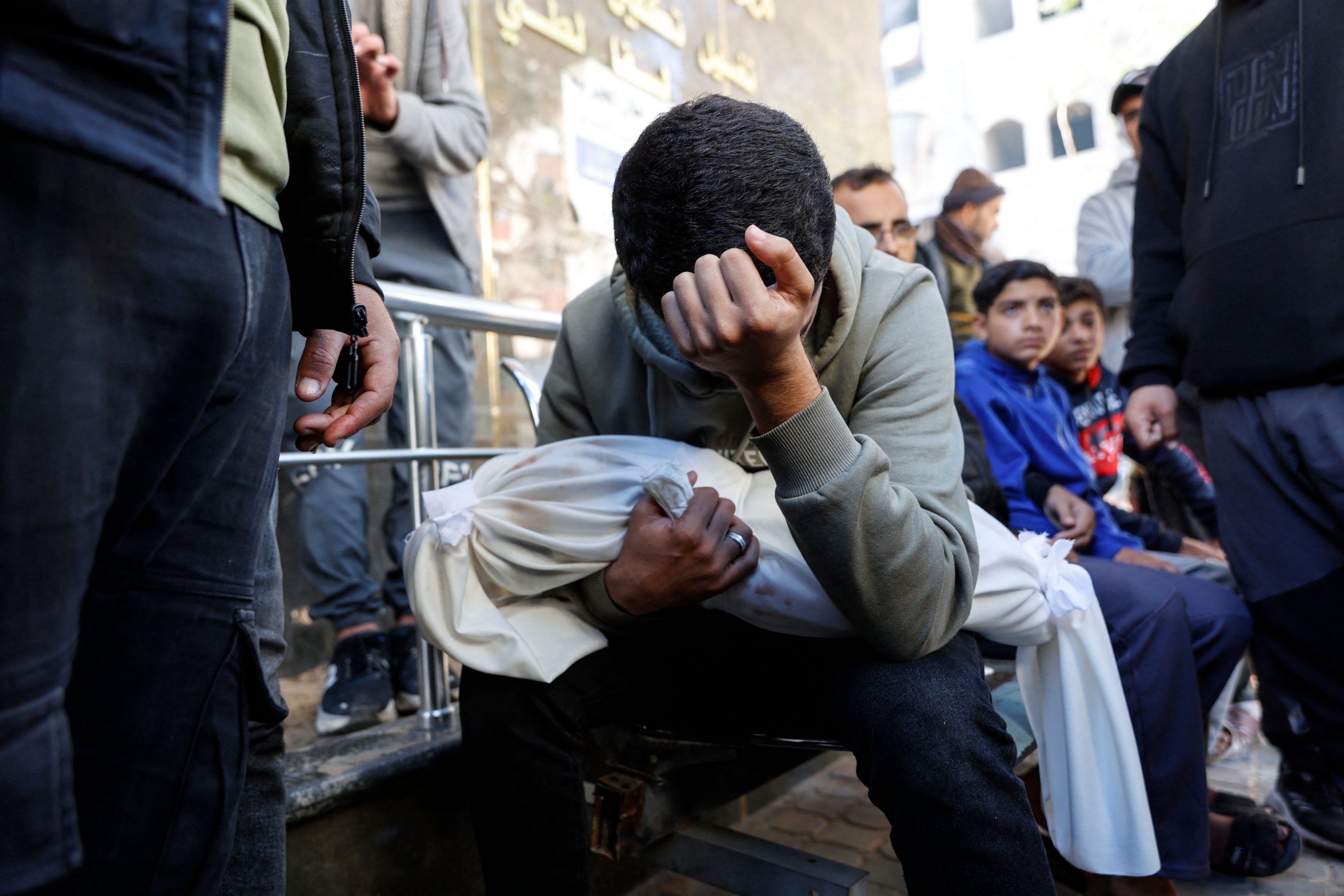
A similar double standard is visible in Western media coverage of mass violence within Western societies themselves. After the Christchurch Mosque shootings in New Zealand in March 2019, in which a white Australian man murdered 51 Muslim worshippers during Friday prayers in a meticulously planned far-right terrorist attack, outlets such as the BBC largely framed the perpetrator as an "individual extremist." Headlines focused on his personal radicalization and actions, carefully isolating the violence from broader cultures of Islamophobia or white supremacist ideology.
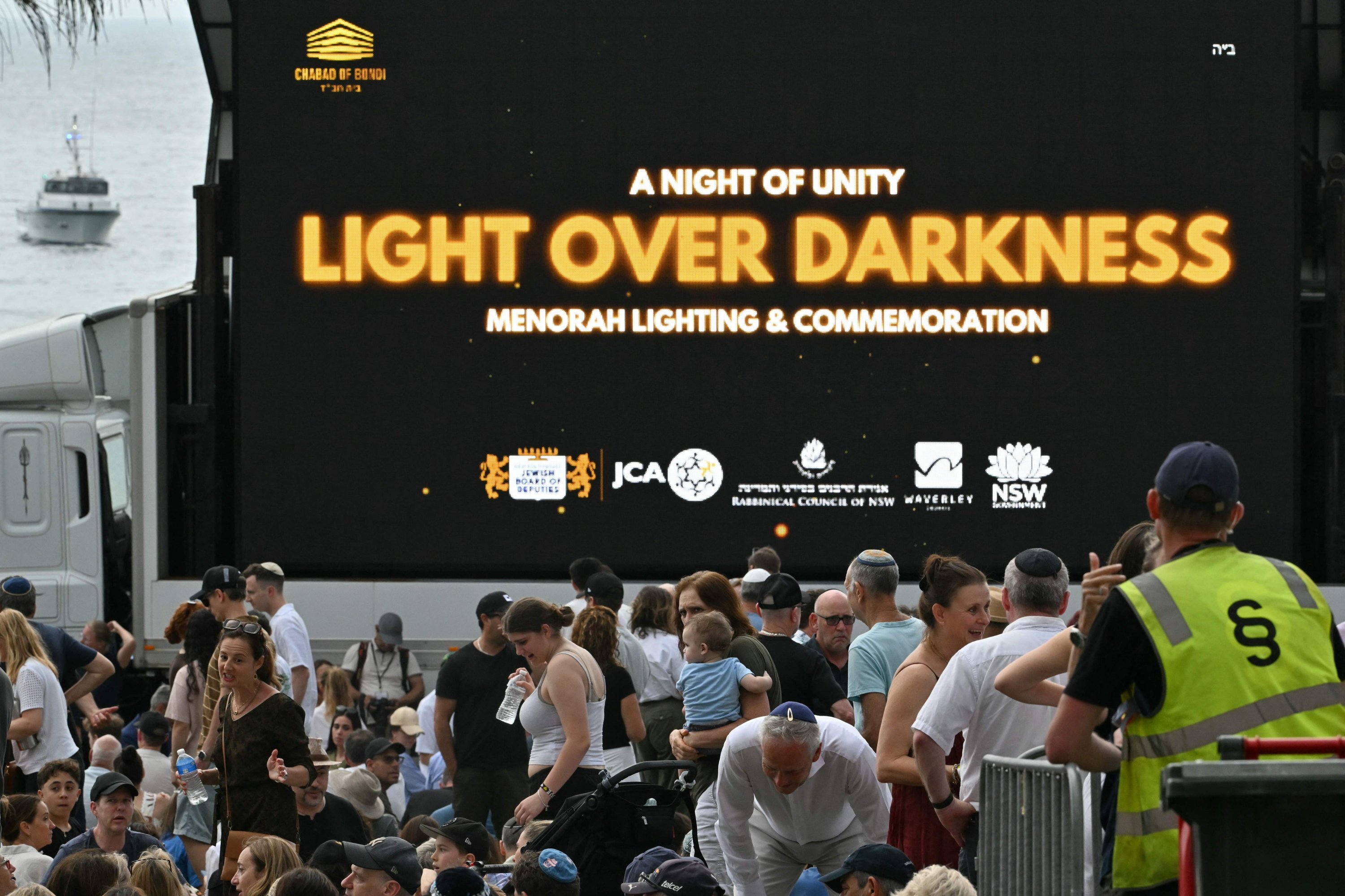
In contrast, following the Bondi Beach mass shooting in Sydney in December 2025, the latest such attack, in which 16 people were killed, speculation surrounding Muslim identity surfaced rapidly in public discourse before facts were established. Because the shooting occurred during a Hanukkah gathering, the tragedy was quickly instrumentalized by far-right commentators and pro-Israel political actors to reinforce narratives linking Muslims to violence. Together, these cases reveal a persistent media reflex: white violence is individualized, while violence associated, even speculatively, with Muslims is collectivized, racialized and used to justify suspicion toward entire communities.
One BBC headline after the Bondi Beach mass shooting said more than it probably intended to. It read: “Bondi Beach gunman originally from India, police say.” For many readers, that line immediately shifts the focus away from the violence itself and onto the attacker’s background. It quietly invites the question: Is this about where he came from? At the time, nationality had no proven link to motive, ideology or responsibility. Yet it was placed front and center. When attackers are white, headlines rarely ask where they are “originally from.” Instead, the story turns to mental health, personal history or isolation.
This difference matters. Headlines shape instinctive reactions before facts have time to settle. By foregrounding origin, the BBC framed the crime through identity rather than action, feeding suspicion toward migrants and racialized communities. Bias in media does not always announce itself; sometimes it appears in a single line, quietly steering how blame is imagined and where fear is directed.
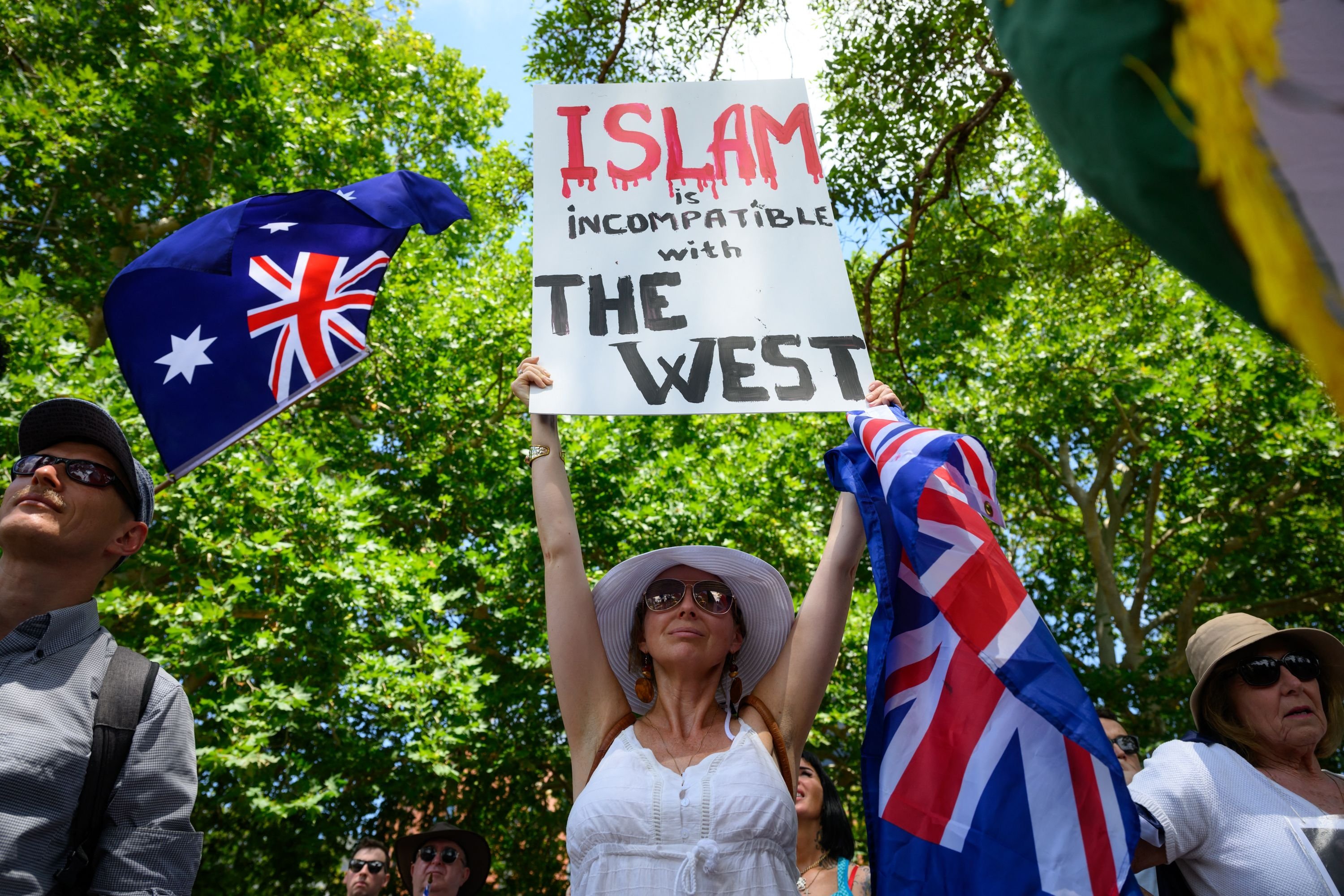
A similar silence surrounds Sudan, where one of the world’s worst humanitarian catastrophes continues to unfold with little sustained Western media attention. Tens of thousands have been killed, millions displaced and millions more pushed toward famine, yet the crisis rarely commands headlines or prolonged outrage. When Sudan does appear in Western coverage, it is often framed through vague language such as “fighting,” “instability” or “complex tribal conflict,” obscuring responsibility and draining the crisis of moral urgency.
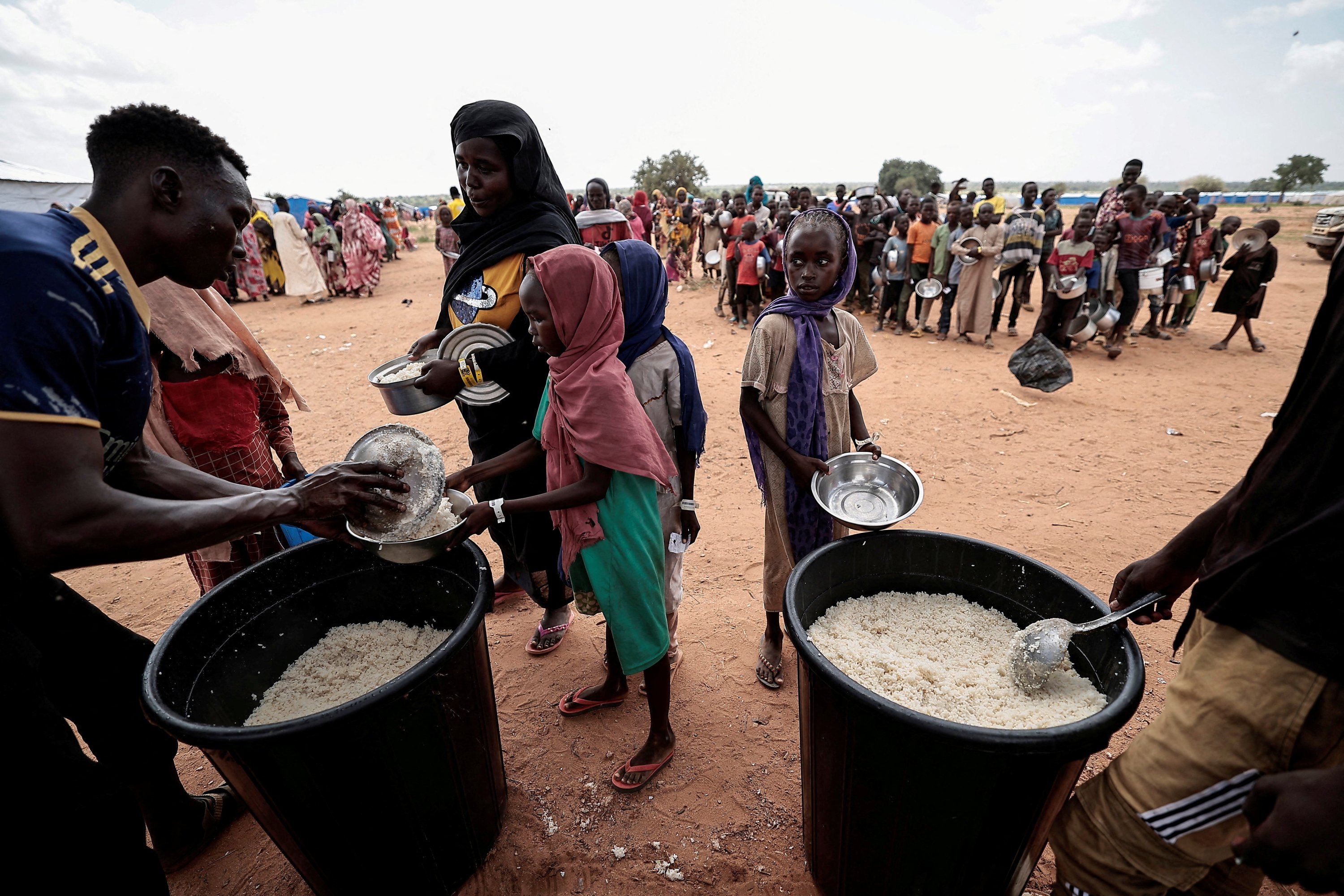
Unlike Ukraine, Sudanese victims are seldom individualized or portrayed in ways that demand empathy and action but remain in numbers. This absence is itself a form of framing: what is underreported becomes politically invisible. In Sudan, as in Syria and Gaza, silence reflects a hierarchy of human worth, where some lives provoke mobilization while others are met with indifference. Sudan lays bare the uncomfortable reality that global empathy remains conditional, especially when the victims are Black and far from Western borders.
The question is not whether Ukrainians deserve support; they absolutely do. The question is why that same urgency and compassion are not extended to Syrians, Palestinians, Sudanese, Afghans, Yemenis or Rohingya. Why does empathy in Western media appear to have borders?
Western media does not merely reflect public sentiment; it actively shapes it. By deciding which stories to tell and how to frame them, journalism educates or miseducates audiences about whose lives are worthy of concern.
If the West continues to champion media freedom and press integrity without serious introspection, it risks becoming what it so often criticizes elsewhere: politically selective, ethically hollow and morally inconsistent.
It is time to confront this hypocrisy. A truly ethical press does not adjust its values based on skin color, passport or faith. Ethics are not policies written in handbooks; they are practiced daily through editorial choices. And ethical journalism, if it is to mean anything at all, must be rooted in justice for all victims of violence and displacement, not just the ones who look familiar.