Mehmet Uçum, chief presidential adviser and deputy chair of the Turkish Presidency’s Legal Policies Board, told journalists on Thursday that Oct. 1 was the “starting date of the process for drafting the new constitution.”
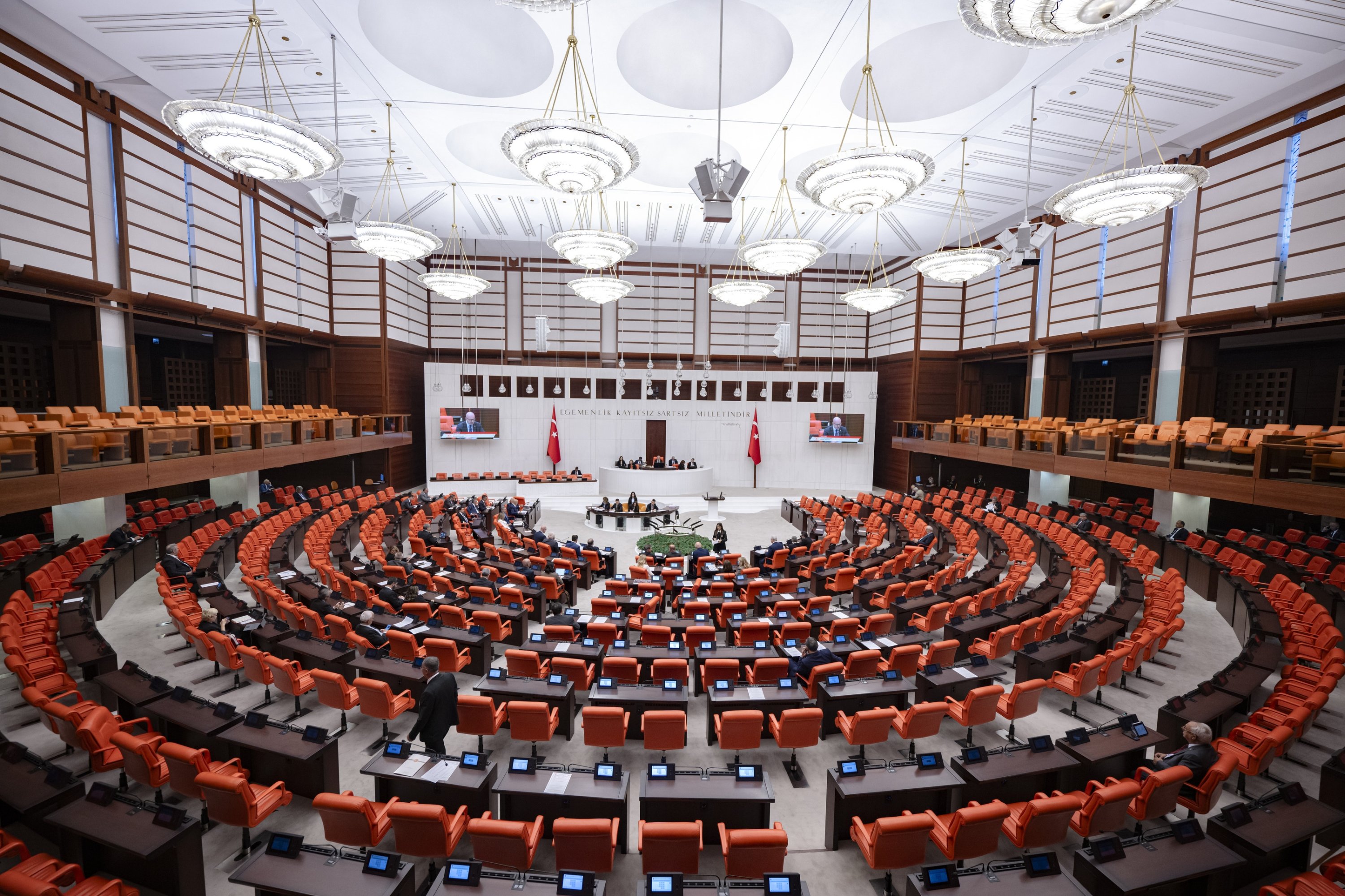
He was referring to the day when President Recep Tayyip Erdoğan made a speech for the inauguration of the new legislative year at the Turkish Parliament.
Erdoğan has called political parties to set aside differences for what he called a “grand Türkiye consensus” and devoted a large part of his speech to the need for a new constitution.
Uçum joined a meeting of the Legal Policies Board with Justice Minister Akın Gürlek on Wednesday in Ankara and told journalists that the meeting’s agenda was the new constitution. He noted that the work was underway on the perspective, basis and principles.
He noted that the need for a new constitution cannot be assessed solely in terms of politicians’ expectations, stressing that the demands and needs of the public must be taken as the basis.
Recalling that calls for a change have been on Türkiye’s agenda for many years, Uçum said the need for a new and civilian constitution had been debated since 1987. Political parties had also pledged to introduce a new constitution in previous elections, he said, adding that the country was now entering a period in which specific issues would be discussed.
Uçum said the remaining period could be used to develop the intellectual groundwork, adding that drafting one after the 2028 elections, during the 29th parliamentary term, could become a realistic goal. Emphasizing that drafting a new one and amending the existing one are two different processes, Uçum said the procedures currently in place for constitutional amendments could not be directly applied to the drafting of an entirely new constitution.
Under the current system, constitutional amendments require the approval of at least 360 lawmakers, while a referendum is optional when an amendment receives 400 or more votes, Uçum recalled. However, he said, a new constitution would require public approval.
“Regardless of numerical legitimacy, even if 550 to 600 lawmakers approve it, a new constitution cannot enter into force without a referendum. It must receive final approval from the public,” Uçum said.
Since the founding of the Republic of Türkiye, constitutional design has served as the backbone of the country’s legal system. The current Constitution, adopted in 1982, has been repeatedly amended over the decades, most notably in 2017, when a national referendum paved the way for the country’s transition from a parliamentary model to an executive presidential system.
Despite numerous amendments over the decades, replacing the 1982 Constitution with a new, civilian-drafted charter remains a prominent issue in Türkiye’s political debate.
Erdoğan and Parliament Speaker Numan Kurtulmuş have repeatedly advocated for a new civilian constitution, arguing that the existing charter retains the legacy of the military rule under which it was drafted despite extensive subsequent amendments.
Kurtulmuş said in August 2026 that Türkiye’s political climate and level of dialogue had matured sufficiently for work toward a new civilian constitution, describing such a charter as a longstanding objective.
Stressing that the process of a draft should begin with the will of the people and conclude with that same will, Uçum said a constitution adopted through broad social consensus could also secure strong support in a public referendum.
Responding to journalists’ questions about whether the drafting process had begun on an article-by-article basis, Uçum said numerous constitutional drafts had been prepared in Türkiye over the years.
Uçum said the Legal Policies Board had no direct mandate to draft a constitutional text, but could contribute ideas to the constitutional discussions. Rather than presenting a draft proposal at the outset, he said a more appropriate approach would be to first discuss the fundamental principles of the new constitution and establish common intellectual ground. Pointing to differing political views on the system of government, Uçum highlighted disagreements between parties advocating the continuation and further development of the executive presidency system in which the president is elected by the public and has authority to issue decrees unilaterally in a number of fields, and those calling for a return to the parliamentary system.
Noting that a semi-presidential model had also been raised as an option, Uçum said, “If you want to draft the new constitution through a grand Türkiye consensus, you first need to reach an agreement on the model of government.” Uçum also said consensus was needed on the vision for the country’s future that the new constitution would embody.