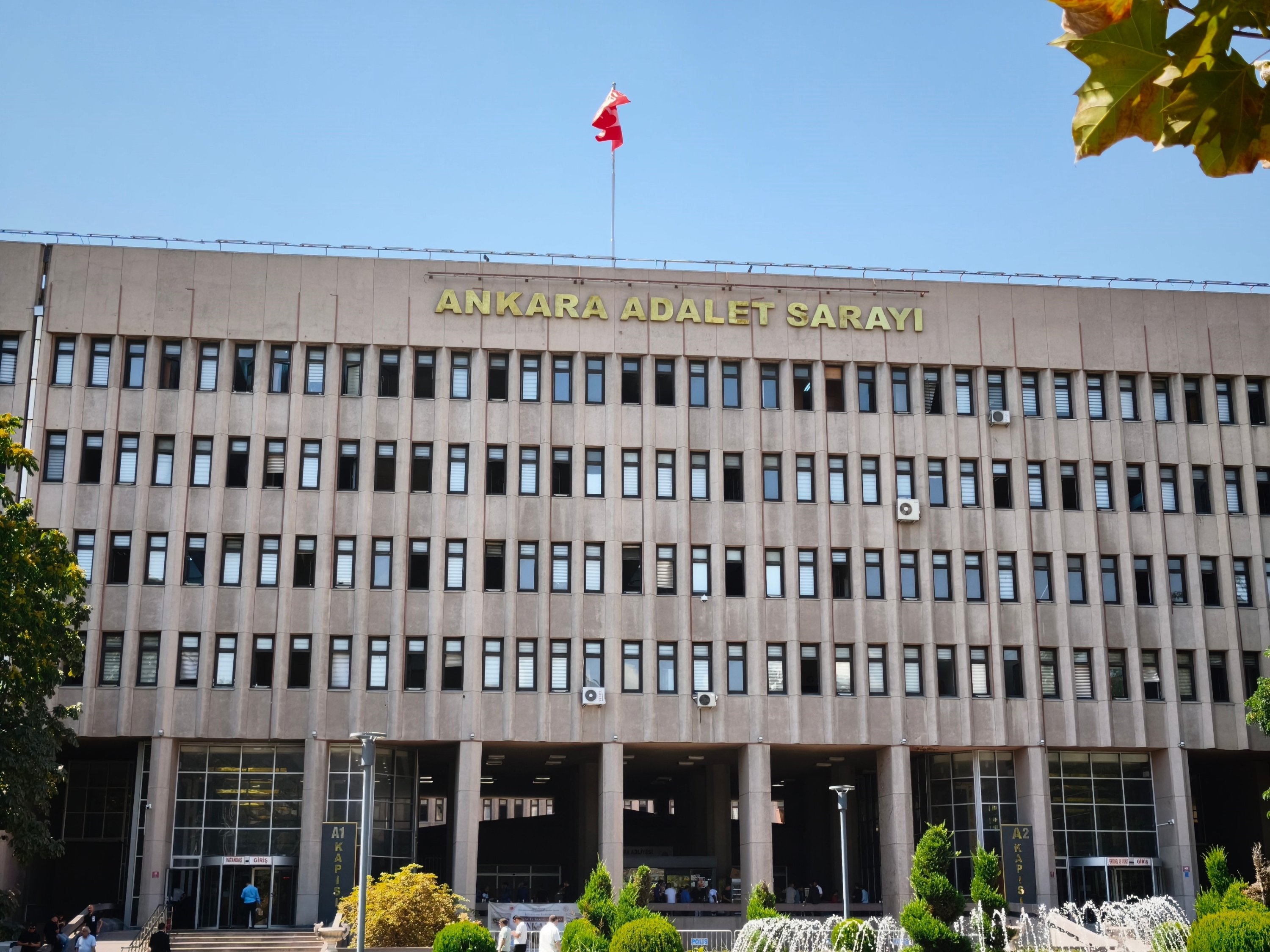
Prosecutors in Ankara issued detention warrants on Sunday for 29 suspects and sought the appointment of trustees to 23 companies in an investigation into a criminal gang led by Alihan Kuriş, the leader of the Süleymancılar movement. Since August, 80 suspects, including Kuriş, have been arrested in a far-reaching investigation into the influential movement, which faces a series of charges, including money laundering and fraud.
Investigators are also looking into allegations that Kuriş and his associates sought to influence elections by ostracizing those who did not vote for the political parties they were instructed to support. Statements by three eyewitnesses in the case show that Kuriş and senior figures in the movement instructed followers to vote for the opposition Republican People’s Party (CHP) in past elections and barred those who opposed them from entering mosques and other facilities controlled by Süleymancılar.
Prosecutors say that Kuriş and his associates facilitated off-the-books financial transactions and engaged in activities aimed at laundering proceeds believed to have been obtained through criminal activity. Evidence was uncovered indicating that unregistered transfers of money and securities were carried out, consultancy services were provided for the organization’s official and bureaucratic procedures, and intermediaries facilitated the acquisition of movable and immovable assets needed by the organization at below-market prices. Evidence was also found that proceeds believed to have been obtained through criminal activity were concealed as cash within aid shipments sent abroad and transported through logistics companies.
The investigation found that some of the organization’s financial aid transfers abroad were made through online payment systems, while a significant portion was delivered off the books through trusted couriers via logistics companies. It was also determined that certain companies and individuals provided consultancy services to make these transactions, which were carried out in violation of established procedures, appear legally compliant. The investigation also uncovered findings, based on digital materials, witness statements, financial records and other evidence, indicating that the suspects had engaged in organizational and financial activities aimed at influencing electoral processes held in the country.
The Süleymancılar originated as a religious movement named after the 20th-century Islamic scholar Süleyman Hilmi Tunahan, Kuriş’s great-grandfather. Authorities say the investigation is not directed against the religious movement and instead focuses on alleged financial wrongdoing by Kuriş and other figures in the group, which prosecutors have named the “Alihan Kuriş criminal syndicate.”