Sixty-six years after the May 27, 1960 military coup, Türkiye is reflecting on one of the most consequential interventions in its modern political history, which led to the dissolution of parliament, the suspension of the constitution and the execution of elected leaders.
The coup, carried out in the early hours of May 27 by a group of Turkish Armed Forces officers, removed the government of Prime Minister Adnan Menderes and President Celal Bayar. The military justified its takeover by saying the country was sliding into political instability and conflict.
A statement broadcast on state radio at the time said the armed forces had intervened “to rescue the parties from the irreconcilable situation they have fallen into” and to restore democratic order through new elections under a nonpartisan administration.
Instead, the National Unity Committee that seized power dissolved the parliament, suspended political activity and arrested senior government officials, including Menderes and members of his cabinet. Thousands of military officers, judges and academics were also removed from their posts in the aftermath.
The 1960 coup marked the first military takeover against an elected government in Türkiye’s multi-party era, which began in 1950 when the Democrat Party ended decades of single-party rule.
The political tensions that preceded the coup included mass protests by students, rising unrest in major cities and accusations of government pressure on the opposition. Martial law was declared in Istanbul and Ankara shortly before the takeover.
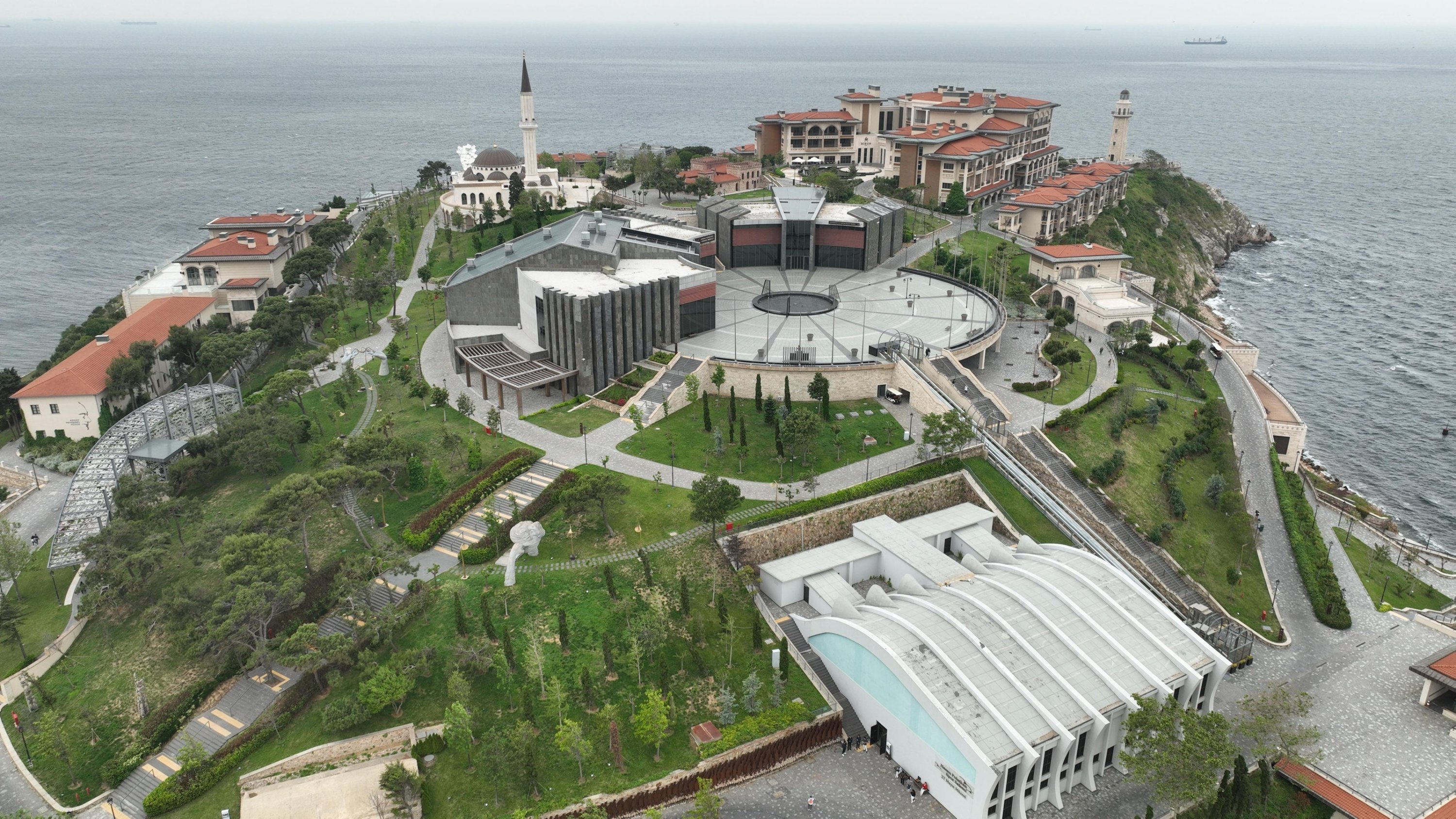
Following the coup, detainees were held on Yassıada Island, where special courts tried hundreds of officials in cases that lasted more than a year. Charges included constitutional violations and alleged abuse of power.
Out of 592 defendants, prosecutors sought the death penalty for 288. The trials resulted in 15 death sentences and dozens of life sentences and long prison terms. Menderes, Foreign Minister Fatin Rüştü Zorlu and Finance Minister Hasan Polatkan were executed between Sept. 16 and 17, 1961. Bayar’s death sentence was later commuted to life imprisonment due to his age.
The executions deeply divided Turkish society and remain one of the most debated episodes in the country’s political history. In later decades, official steps were taken to restore the reputations of the executed leaders. In 1990, legislation formally rehabilitated Menderes and his colleagues, and their remains were reburied in Istanbul with a state ceremony.
Yassıada, where the trials were held, was later renamed Democracy and Freedoms Island in an effort to transform its symbolic legacy.
The May 27 coup has since been widely described by Turkish officials and historians as a turning point that set a precedent for future military interventions in politics, leaving a lasting imprint on Türkiye’s democratic development.