Abdullah Öcalan, the jailed ringleader of the PKK terrorist group, announced he was ready to take part in efforts to end tensions in Syria, where the group’s Syrian wing, the YPG, engaged in clashes with the Syrian army.
The pro-PKK Peoples’ Equality and Democracy Party (DEM Party) dispatched a delegation to meet Öcalan at Imralı Island prison, where he is incarcerated, on Saturday. In a statement on Sunday, the DEM Party said Öcalan expressed his concerns regarding clashes between the YPG and the Syrian army. Öcalan described it as a sabotage attempt to the terror-free Türkiye initiative.
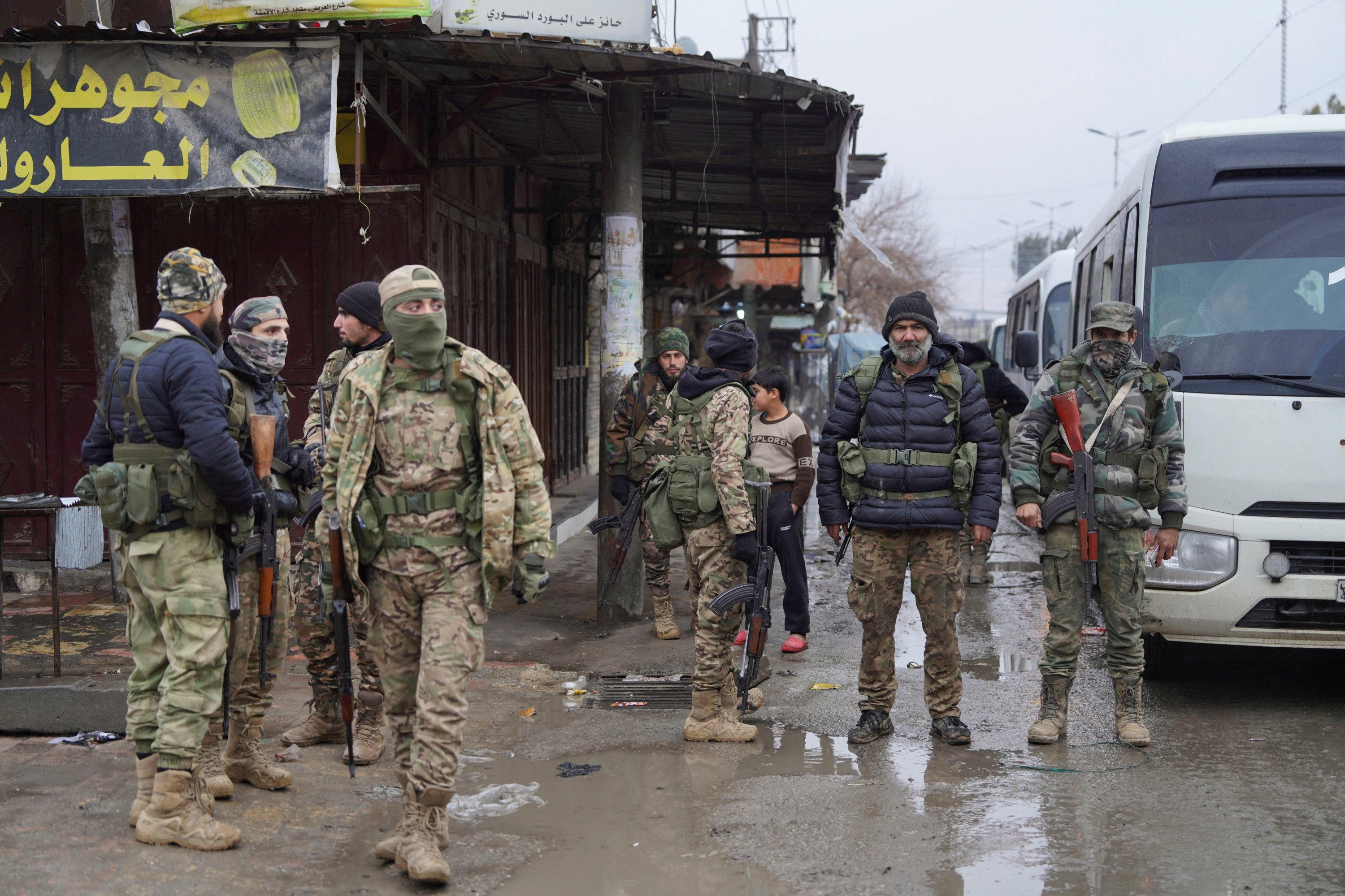
The YPG’s rejection of a deal with the Syrian army and insistence on control of several areas in Aleppo forced Damascus to launch military operations to clear the YPG out, further cornering them into Syria’s northeast, where the YPG maintains a self-styled autonomy. The terror-free Türkiye initiative launched by government ally Nationalist Movement Party (MHP) in 2024 aims to disarm the PKK. Öcalan agreed with the call of MHP leader Devlet Bahçeli to dissolve the PKK, and the terrorist group so far complied with Öcalan’s order and started laying down arms in the 2025 summer. The YPG, however, did not join the disarmament drive, despite Öcalan’s early calls. Öcalan stated through the DEM Party that problems in Syria can be resolved only through dialogue and common sense, and expressed readiness to assume responsibility to end the clashes.
Speaking to Daily Sabah earlier this month, Sibel Düz, a senior researcher at Turkish think-tank Foundation for Political, Economic and Social Research (SETA), stressed the need for a combination of international and domestic pressure mechanisms capable of compelling the YPG to act, noting that, absent sustained pressure, it appears unlikely the group would, on its own initiative, transfer authority on the ground to Damascus, dissolve its armed presence, and fully integrate into a unified chain of command. “The YPG’s insistence on maintaining a maximalist position is reinforcing the perception that the integration issue has stalled at the level of rhetoric,” Düz underlined.