Türkiye’s National Intelligence Organization (MIT) has captured Ömer el-Hatip, a Syrian suspect accused of helping plan and coordinate the 2013 terrorist attack in the southern Turkish town of Reyhanlı that killed 53 people, security sources said Thursday.
El-Hatip, who was wanted under an Interpol Red Notice, was captured as he was preparing to flee to Europe by sea and was brought to Türkiye, according to the sources.
El-Hatip took part in the planning and organization of the May 11, 2013, bombings and acted as a liaison between those involved in the attack and intelligence officials loyal to former Syrian regime leader Bashar Assad.
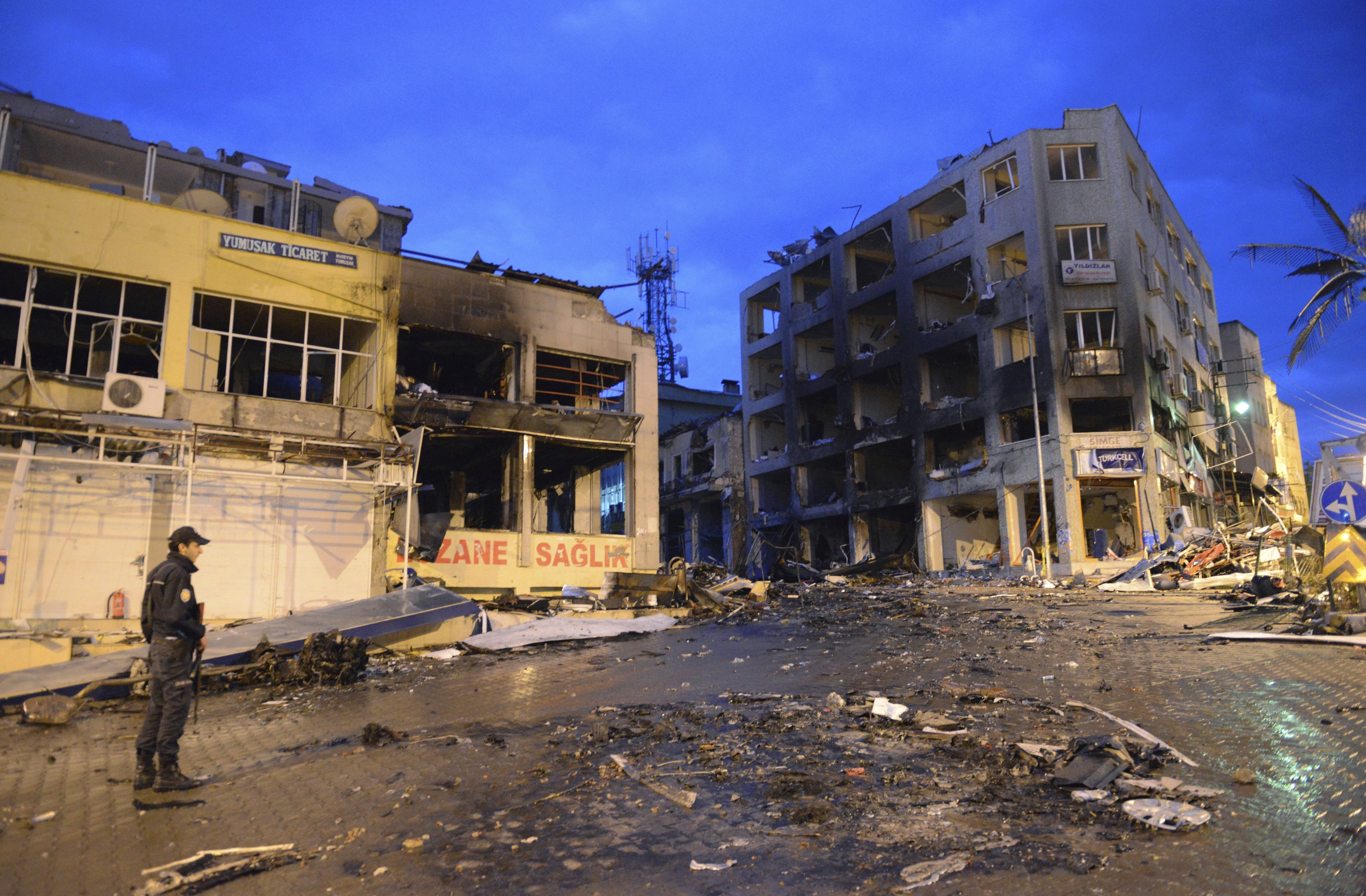
Two car bombs exploded in Reyhanlı, near Türkiye’s border with Syria, killing 53 people, including five children, and wounding scores of others. Court records showed that 912 homes, 891 businesses and 148 vehicles were damaged in the blasts.
El-Hatip was born in Syria’s northwestern province of Idlib in 1976 and served in the Syrian military before working in construction in Idlib, according to information obtained by Turkish security sources.
After the outbreak of the Syrian civil war in 2011, he moved to Latakia, where Turkish authorities say he joined the Shabiha, a pro-Assad militia accused of carrying out armed operations against Syrian opposition groups.
During that period, el-Hatip established contact with Kifah Melhem, then the head of the Latakia branch of Syrian military intelligence, known as Emn el-Askeri, sources said.
Authorities say el-Hatip also developed ties with several other suspects in the Reyhanlı attack, including Cengiz Sertel, Ercan Bayat and Yusuf Nazik. The group stayed together at a villa in Latakia and was involved in smuggling activities in the Latakia and Kesab areas, according to sources.
Turkish security sources said el-Hatip introduced Nazik, who was allegedly planning attacks targeting Türkiye, to Melhem in 2013. Details of the Reyhanlı operation were discussed during subsequent meetings, according to sources.
El-Hatip and Nazik entered Türkiye through the southern province of Hatay in February 2013 to identify potential targets before returning to Syria and obtaining Melhem’s approval for the operation.
Shortly before the attack in May 2013, el-Hatip and Temir Dükancı went to the Latakia branch of Syrian military intelligence to collect materials to be used in the explosive devices. The explosives-laden vehicle was later taken to Reyhanlı by Dükancı and Nazik and detonated remotely, sources said.
Turkish authorities allege that el-Hatip later took Dükancı and Nazik, who had fled to Syria after the bombings, to the Syrian military intelligence office in Latakia. They said el-Hatip and others involved in the attack were subsequently given large sums of money by the Assad government.
MIT began tracking suspects linked to the Reyhanlı bombings shortly after the attack and continued monitoring el-Hatip’s activities in Syria, according to security sources.
The intelligence agency launched an operation after learning that el-Hatip was planning to flee to Europe. He was captured before he could leave by sea and was subsequently brought to Türkiye, sources said.
Several other suspects accused of involvement in the Reyhanlı attack have been captured in recent years.
MIT captured Yusuf Nazik in Syria in 2018 and brought him to Türkiye. Cengiz Sertel was captured in 2024, while Muhammed Dib Koralı and Temir Dükancı were captured in 2025.
The court sentenced Gezer, Dükancı and Sertel to 53 aggravated life sentences each on charges of attempting to undermine the unity and integrity of the Turkish state and 52 separate sentences for murder. The defendants were also handed additional prison terms totaling 3,921 years for other offenses.
Assad appointed Melhem to head Syria’s National Security Bureau in February 2024. Melhem is believed to have fled the country following the collapse of the Assad government.