
Daily Sabah logo

Politics
Diplomacy Legislation War On Terror EU Affairs Elections News Analysis
TÜRKİYE
Istanbul Education Investigations Minorities Expat Corner Diaspora
World
Mid-East Europe Americas Asia Pacific Africa Syrian Crisis Islamophobia
Business
Automotive Economy Energy Finance Tourism Tech Defense Transportation News Analysis
Lifestyle
Health Environment Travel Food Fashion Science Religion History Feature Expat Corner
Arts
Cinema Music Events Portrait Reviews Performing Arts
Sports
Football Basketball Motorsports Tennis
Opinion
Columns Op-Ed Reader's Corner Editorial
PHOTO GALLERY
JOBS ABOUT US RSS PRIVACY CONTACT US
© Turkuvaz Haberleşme ve Yayıncılık 2025

Daily Sabah - Latest & Breaking News from Turkey | Istanbul

  • Politics
    • Diplomacy
    • Legislation
    • War On Terror
    • EU Affairs
    • Elections
    • News Analysis
  • TÜRKİYE
    • Istanbul
    • Education
    • Investigations
    • Minorities
    • Expat Corner
    • Diaspora
  • World
    • Mid-East
    • Europe
    • Americas
    • Asia Pacific
    • Africa
    • Syrian Crisis
    • Islamophobia
  • Business
    • Automotive
    • Economy
    • Energy
    • Finance
    • Tourism
    • Tech
    • Defense
    • Transportation
    • News Analysis
  • Lifestyle
    • Health
    • Environment
    • Travel
    • Food
    • Fashion
    • Science
    • Religion
    • History
    • Feature
    • Expat Corner
  • Arts
    • Cinema
    • Music
    • Events
    • Portrait
    • Reviews
    • Performing Arts
  • Sports
    • Football
    • Basketball
    • Motorsports
    • Tennis
  • Gallery
  • Opinion
    • Columns
    • Op-Ed
    • Reader's Corner
    • Editorial
  • TV

Big and brilliant: Complex whale behavior tied to brain size

by

WASHINGTON Oct 24, 2017 - 12:00 am GMT+3
No Image
by Oct 24, 2017 12:00 am

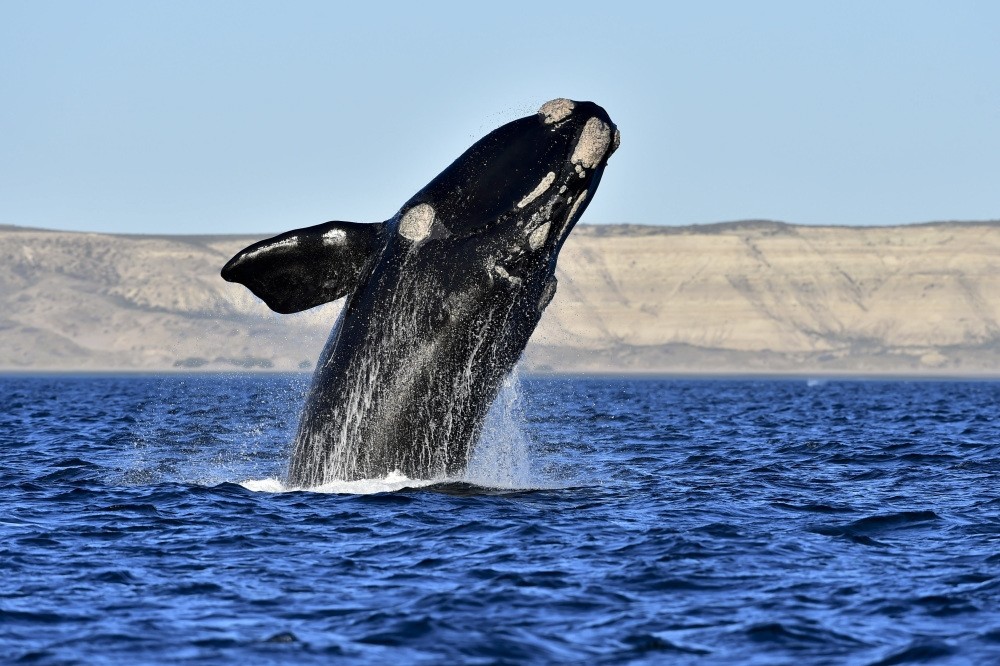
Cetaceans - whales and dolphins - are among the brainiest of beings. In terms of sheer brain size, the sperm whale is tops on Earth, with a brain six times larger than that of a person.

And now, scientists have identified key differences among cetaceans linked to brain size. A study of 90 cetacean species published on Monday found that those with larger brains exhibit greater complexity in social structures and behaviors, with species like the killer whale and sperm whale leading the way.

"Dolphin and whale societies are at least as complex as what we have observed in primates," said evolutionary biologist Susanne Shultz of the University of Manchester in Britain.

"They are extremely playful; they learn from each other, have complex communication. One problem for understanding just how smart they are is how difficult it is to observe them and to understand their marine world. Therefore, we have only a glimpse of what they are capable of."

The researchers created a comprehensive database of brain size, social structures and cultural behaviors across cetacean species. The group of species with the largest brain size relative to body size was the large whale-like dolphins such as the killer whale, the similar-looking false killer whale and the pilot whale, Shultz said.

"Killer whales have cultural food preferences, have matriarchs that lead and teach other group members, and cooperatively hunt," Shultz said.

In terms of intra-species food preferences, certain killer whale populations, also known as orcas, prefer salmon whereas others prefer seals or other whales or sharks depending on their group's culture.

Other big-brained cetaceans also demonstrate sophisticated behaviors.

Mother sperm whales organize babysitting duties using other members of their pod to protect their young while they hunt for food down deep. The distinctive vocalizations sperm whales use to communicate sometimes differ depending upon where they live, much like regional dialects in human language.

Bottlenose dolphins use sea sponges as tools to protect their beaks while foraging for food, and live in structured communities.

Some of the largest cetaceans - filter-feeding baleen whales like the blue whale, fin whale and humpback whale that eat tiny crustaceans called krill rather than fish or squid - were on the low end of relative brain size. They live fairly solitary lives, coming together only for breeding seasons and near rich food sources.

The research was published in the journal Nature Ecology & Evolution.

About the author
Research Associate at Center for Islam and Global Affairs (CIGA) at Istanbul Sabahattin Zaim University
  • shortlink copied
  • KEYWORDS
    life
    The Daily Sabah Newsletter
    Keep up to date with what’s happening in Turkey, it’s region and the world.
    You can unsubscribe at any time. By signing up you are agreeing to our Terms of Use and Privacy Policy. This site is protected by reCAPTCHA and the Google Privacy Policy and Terms of Service apply.
    No Image
    Beautiful fall destinations in eastern Turkey
    PHOTOGALLERY
    • POLITICS
    • Diplomacy
    • Legislation
    • War On Terror
    • EU Affairs
    • News Analysis
    • TÜRKİYE
    • Istanbul
    • Education
    • Investigations
    • Minorities
    • Diaspora
    • World
    • Mid-East
    • Europe
    • Americas
    • Asia Pacific
    • Africa
    • Syrian Crisis
    • İslamophobia
    • Business
    • Automotive
    • Economy
    • Energy
    • Finance
    • Tourism
    • Tech
    • Defense
    • Transportation
    • News Analysis
    • Lifestyle
    • Health
    • Environment
    • Travel
    • Food
    • Fashion
    • Science
    • Religion
    • History
    • Feature
    • Expat Corner
    • Arts
    • Cinema
    • Music
    • Events
    • Portrait
    • Performing Arts
    • Reviews
    • Sports
    • Football
    • Basketball
    • Motorsports
    • Tennis
    • Opinion
    • Columns
    • Op-Ed
    • Reader's Corner
    • Editorial
    • Photo gallery
    • DS TV
    • Jobs
    • privacy
    • about us
    • contact us
    • RSS
    © Turkuvaz Haberleşme ve Yayıncılık 2021
