Daily Sabah logo

Politics
Diplomacy Legislation War On Terror EU Affairs Elections News Analysis
TÜRKİYE
Istanbul Education Investigations Minorities Expat Corner Diaspora
World
Mid-East Europe Americas Asia Pacific Africa Syrian Crisis Islamophobia
Business
Automotive Economy Energy Finance Tourism Tech Defense Transportation News Analysis
Lifestyle
Health Environment Travel Food Fashion Science Religion History Feature Expat Corner
Arts
Cinema Music Events Portrait Reviews Performing Arts
Sports
Football Basketball Motorsports Tennis
Opinion
Columns Op-Ed Reader's Corner Editorial
PHOTO GALLERY
JOBS ABOUT US RSS PRIVACY CONTACT US
© Turkuvaz Haberleşme ve Yayıncılık 2026

Daily Sabah - Latest & Breaking News from Turkey | Istanbul

  • Politics
    • Diplomacy
    • Legislation
    • War On Terror
    • EU Affairs
    • Elections
    • News Analysis
  • TÜRKİYE
    • Istanbul
    • Education
    • Investigations
    • Minorities
    • Expat Corner
    • Diaspora
  • World
    • Mid-East
    • Europe
    • Americas
    • Asia Pacific
    • Africa
    • Syrian Crisis
    • Islamophobia
  • Business
    • Automotive
    • Economy
    • Energy
    • Finance
    • Tourism
    • Tech
    • Defense
    • Transportation
    • News Analysis
  • Lifestyle
    • Health
    • Environment
    • Travel
    • Food
    • Fashion
    • Science
    • Religion
    • History
    • Feature
    • Expat Corner
  • Arts
    • Cinema
    • Music
    • Events
    • Portrait
    • Reviews
    • Performing Arts
  • Sports
    • Football
    • Basketball
    • Motorsports
    • Tennis
  • Gallery
  • Opinion
    • Columns
    • Op-Ed
    • Reader's Corner
    • Editorial
  • TV

7 billion-year-old stardust inside meteorite oldest solid material ever found on Earth

by

WASHINGTON Jan 14, 2020 - 11:37 am GMT+3
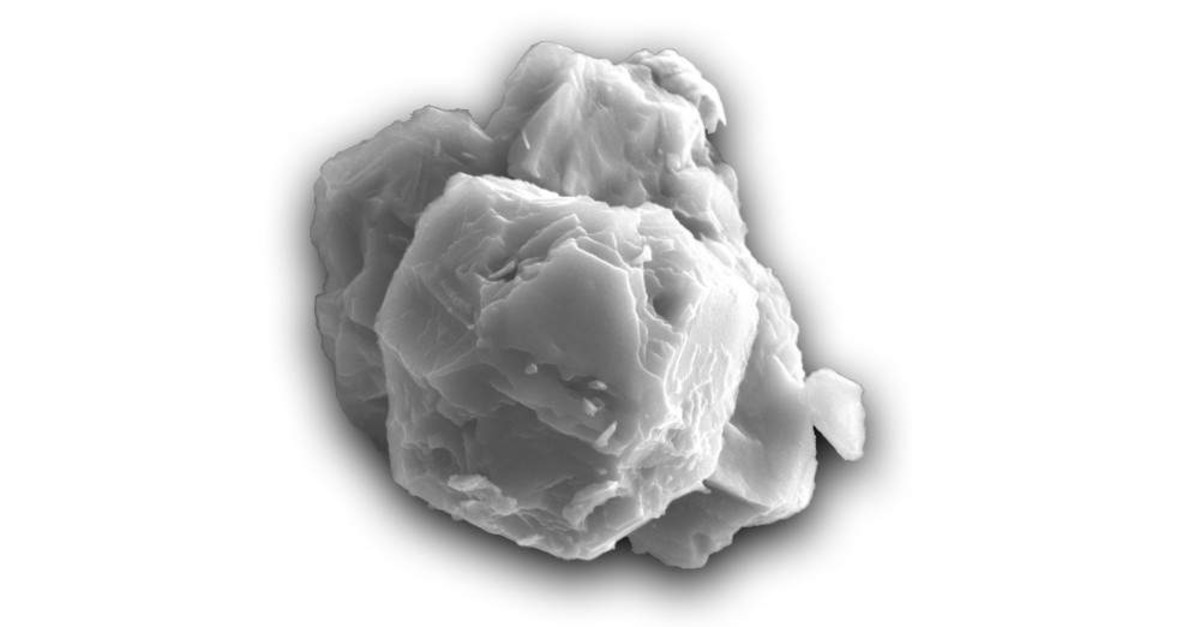
An undated handout picture taken by Janaina N. Avila shows a scanning electron micrograph of a dated presolar silicon carbide grain. (AFP Photo)
by Jan 14, 2020 11:37 am

Researchers said Monday that new techniques have allowed them to identify the oldest solid material ever found on earth.

The stardust, formed 5 to 7 billion years ago, came from a meteorite that fell to Earth 50 years ago in Australia, they said in a paper published in the journal PNAS.

It came down in 1969 in Murchison, Victoria state, and scientists from Chicago's Field Museum have possessed a piece of it for five decades.

Philipp Heck, curator of meteorites at the museum, examined pre-solar grains, which are bits of stardust that become trapped in meteorites, making them time capsules of the period before the sun was born.

"They're solid samples of stars, real stardust," Heck said in a statement.

When the first stars died after 2 billion years of life, they left behind the stardust, which formed into the block which fell to earth as the meteorite in Australia.

Although researchers first identified the grains in 1987, their age could not be determined.

But Heck and other colleagues recently used a new method to date these grains, which are microscopic in size. They are from silicon carbide, the first mineral formed when a star cools.

To separate the ancient grains from the relatively younger ones, scientists crushed fragments of the meteorite into a powder. Then they dissolved it in acid, which left only the pre-solar particles.

"It's like burning down the haystack to find the needle," Heck said.

When dust is in space, it is exposed to cosmic rays which slowly change its composition. This allows researchers to date it.

A decade ago, only 20 grains from the meteorite were dated by a different method. Now, researchers have been able to determine the age of 40 grains, most of which are between 4.6 billion and 4.9 billion years old.

These ages correspond to the moment when the first stars began to break up, and since that type of star lived for 2 to 2.5 billion years, the stardust can be as old as 7 billion years.

"These are the oldest solid materials ever found, and they tell us about how stars formed in our galaxy," Heck said.

The new dating by this team confirms an astronomical theory which predicted a baby boom of stars before the formation of our sun, instead of a constant rhythm of star formation.

"We basically came to the conclusion that there must have been a time in our galaxy when more stars formed than normal, and at the end of their lives they become dust producing," Heck told AFP.

The task now is to apply the same method on other meteorites.

But according to Heck, there are fewer than five known to be in collections and big enough to give up such secrets.


  • shortlink copied
  • KEYWORDS
    life
    The Daily Sabah Newsletter
    Keep up to date with what’s happening in Turkey, it’s region and the world.
    You can unsubscribe at any time. By signing up you are agreeing to our Terms of Use and Privacy Policy. This site is protected by reCAPTCHA and the Google Privacy Policy and Terms of Service apply.
    No Image
    Turkmenistan gets ready to seal off 'Gateway to Hell'
    PHOTOGALLERY
    • POLITICS
    • Diplomacy
    • Legislation
    • War On Terror
    • EU Affairs
    • News Analysis
    • TÜRKİYE
    • Istanbul
    • Education
    • Investigations
    • Minorities
    • Diaspora
    • World
    • Mid-East
    • Europe
    • Americas
    • Asia Pacific
    • Africa
    • Syrian Crisis
    • İslamophobia
    • Business
    • Automotive
    • Economy
    • Energy
    • Finance
    • Tourism
    • Tech
    • Defense
    • Transportation
    • News Analysis
    • Lifestyle
    • Health
    • Environment
    • Travel
    • Food
    • Fashion
    • Science
    • Religion
    • History
    • Feature
    • Expat Corner
    • Arts
    • Cinema
    • Music
    • Events
    • Portrait
    • Performing Arts
    • Reviews
    • Sports
    • Football
    • Basketball
    • Motorsports
    • Tennis
    • Opinion
    • Columns
    • Op-Ed
    • Reader's Corner
    • Editorial
    • Photo gallery
    • DS TV
    • Jobs
    • privacy
    • about us
    • contact us
    • RSS
    © Turkuvaz Haberleşme ve Yayıncılık 2021