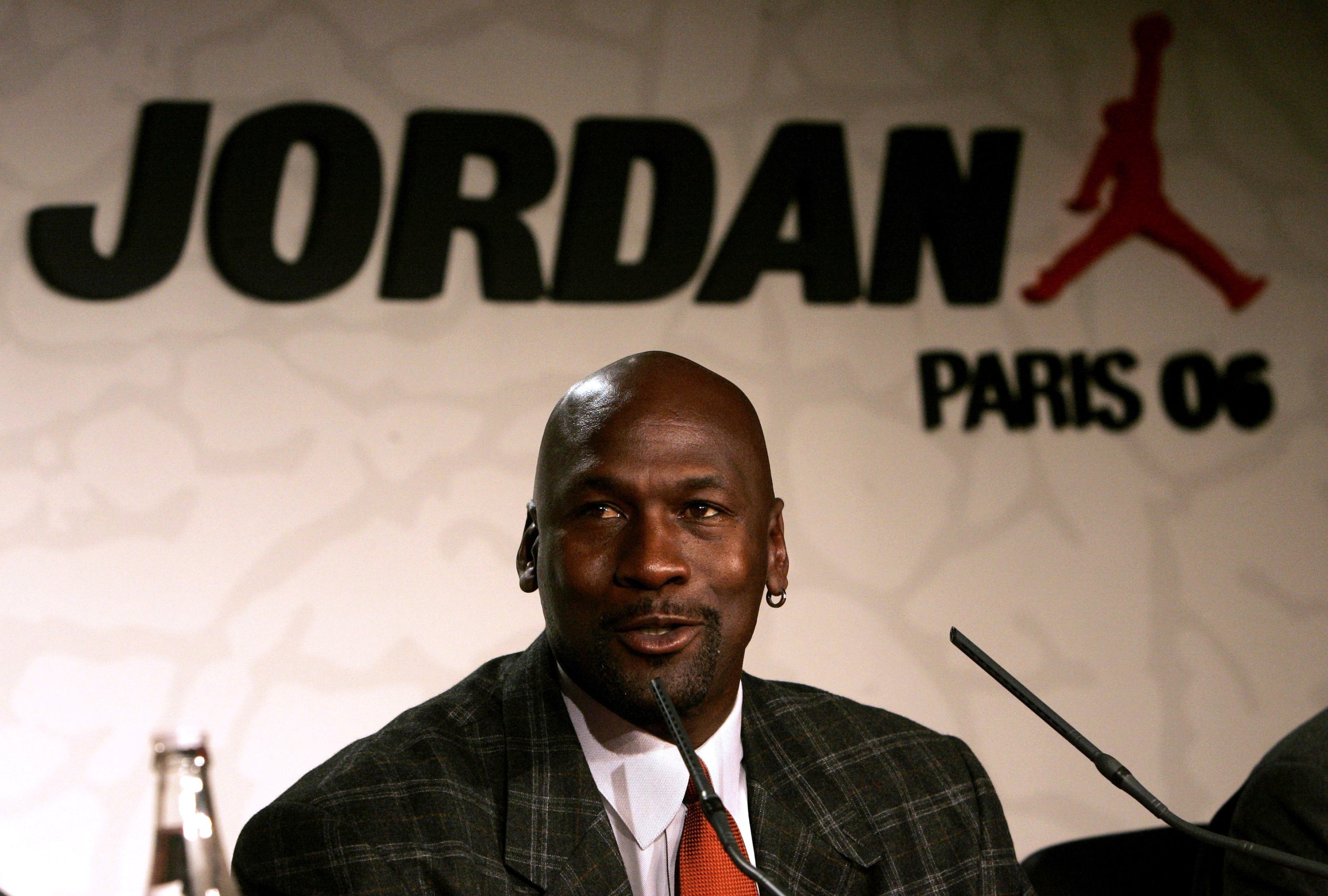
Michael Jordan's playing career ended more than two decades ago, but the basketball icon continues to earn at a level few active athletes can match.
That is the clearest illustration of what separates the highest-paid athletes in history from those who simply collected the biggest salaries during their playing careers. The all-time money leaders have turned sporting success into global brands, endorsement empires and business ventures that continue generating revenue long after they leave the field.
Sportico's career-earnings estimates, adjusted for inflation through the end of 2025, put Jordan at the top of the list at roughly $4.5 billion. Tiger Woods, Cristiano Ronaldo, LeBron James and Lionel Messi form the next group, each having accumulated at least about $2 billion in inflation-adjusted earnings.
The figures include salaries, bonuses, prize money and purses, along with endorsement income, licensing, royalties, appearances, memorabilia, media deals and other sports-related business earnings. They are generally calculated before taxes and agent fees, while traditional investment income is excluded.
Jordan's estimated inflation-adjusted career earnings are about $4.5 billion, compared with roughly $3.28 billion in nominal terms.
His six NBA championships and five MVP awards made him one of the most recognizable athletes in the world, but it was his commercial success that transformed his career earnings.
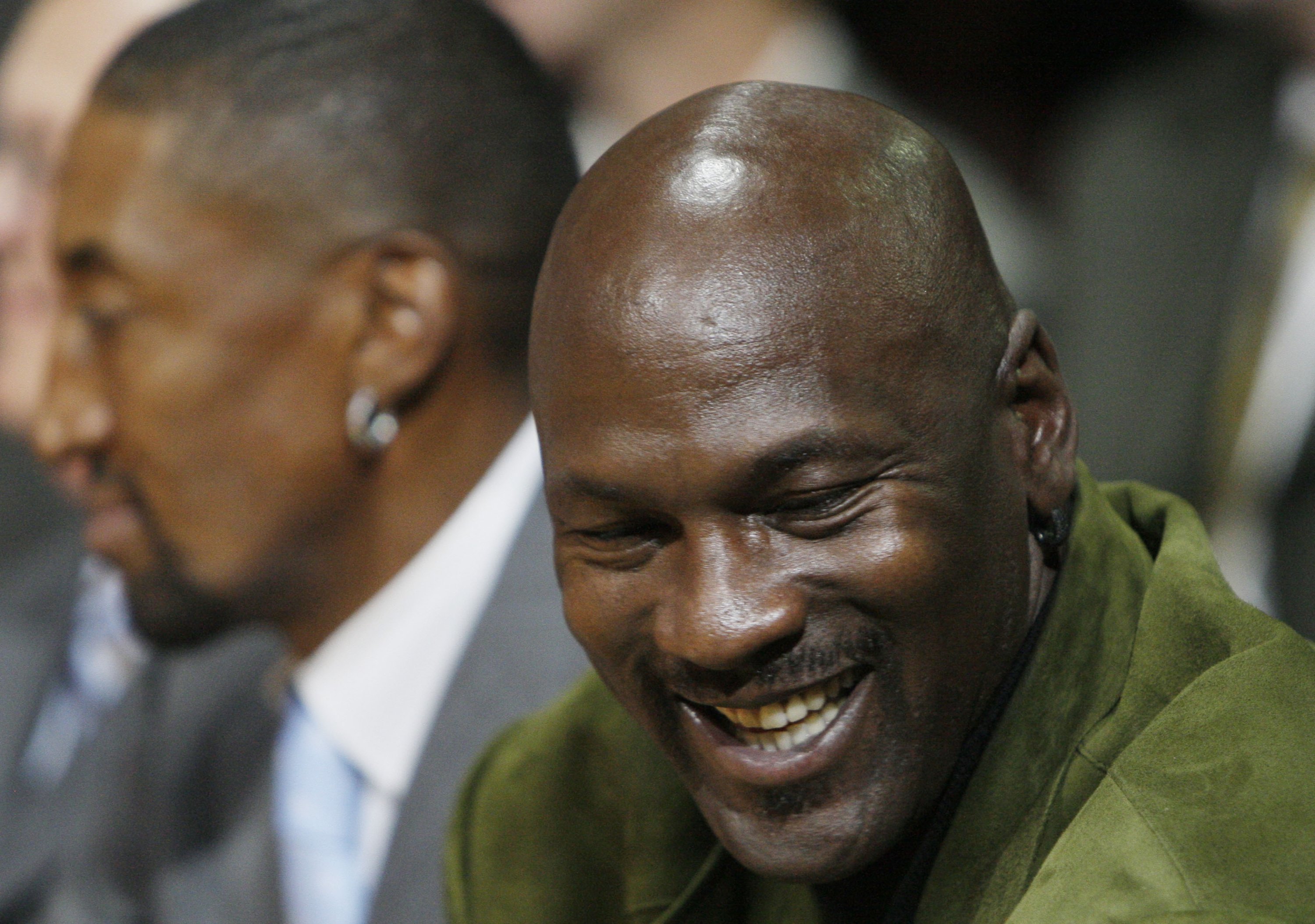
The foundation was laid with his partnership with Nike, which began in 1984 and eventually produced the Air Jordan brand. Decades after his final NBA season, Jordan continues to receive substantial royalty income from the business.
He also has been involved in a range of other commercial ventures and investments, including his former ownership stake in the Charlotte Hornets, a stake in DraftKings and involvement with a NASCAR team.
Sportico estimates that Jordan earned about $275 million in 2025 alone, a remarkable figure for an athlete who retired from the NBA in 2003.
Tiger Woods ranks second on the inflation-adjusted list at approximately $2.88 billion, with nominal career earnings estimated at about $1.97 billion.
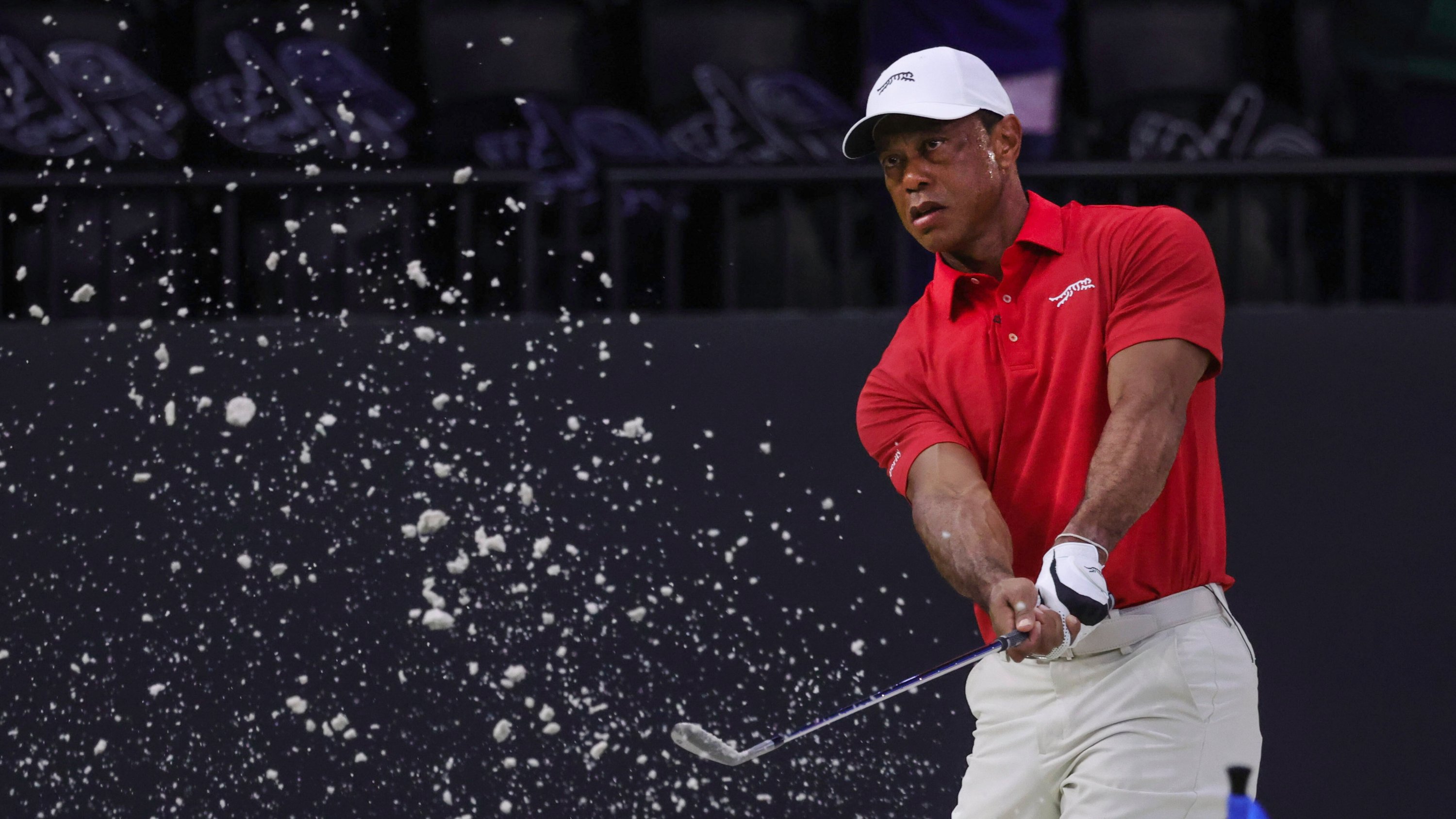
Woods' 15 major championships and 82 PGA Tour victories established him as one of golf's defining figures. His success coincided with a period of enormous growth in sports sponsorships, allowing him to turn his dominance on the course into a global commercial operation.
His long-running relationship with Nike became one of the most lucrative athlete endorsement partnerships in sports. He has also had major deals with companies including Rolex and Hero MotoCorp, while golf-course design and other business ventures have added to his post-playing income.
Like Jordan, Woods has continued generating significant commercial revenue even as his competitive schedule has declined.
Cristiano Ronaldo is the highest-paid active athlete on the all-time list, with inflation-adjusted career earnings of approximately $2.52 billion.
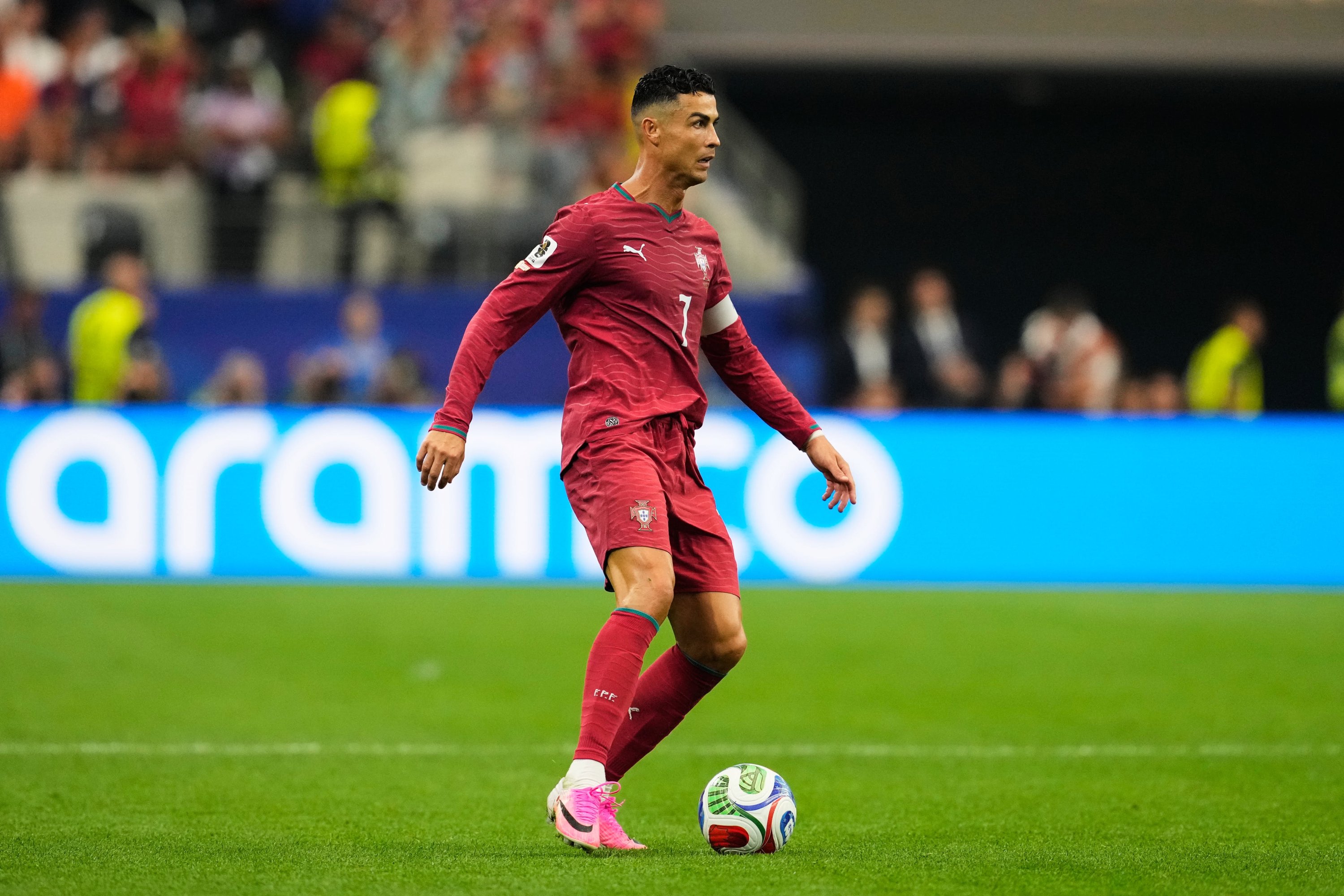
The Portugal captain's career has combined enormous club salaries with one of the most powerful personal brands in global sport. His move to Saudi Arabia with Al-Nassr dramatically increased his on-field income, while endorsement agreements and his CR7 brand have kept his off-field earnings at elite levels.
Forbes estimated Ronaldo's earnings at $300 million over the 12 months covered by its 2026 ranking, including about $235 million from on-field income. Forbes also describes him as the world's highest-paid athlete in that period.
Ronaldo's earning power illustrates how modern global sports stars can combine club contracts, sponsorships and personal businesses on an unprecedented scale.
LeBron James has accumulated approximately $2.03 billion in inflation-adjusted career earnings.
The Los Angeles Lakers star has earned hundreds of millions of dollars in NBA salary while building an even larger commercial portfolio. Forbes says James has earned more than $1 billion pretax off the court through endorsements and business ventures, including his long-running Nike relationship. He also has taken equity positions in companies he has worked with, including Beats by Dre.
James became the first active NBA player to reach billionaire status according to Forbes, although net worth and career earnings are different measurements.
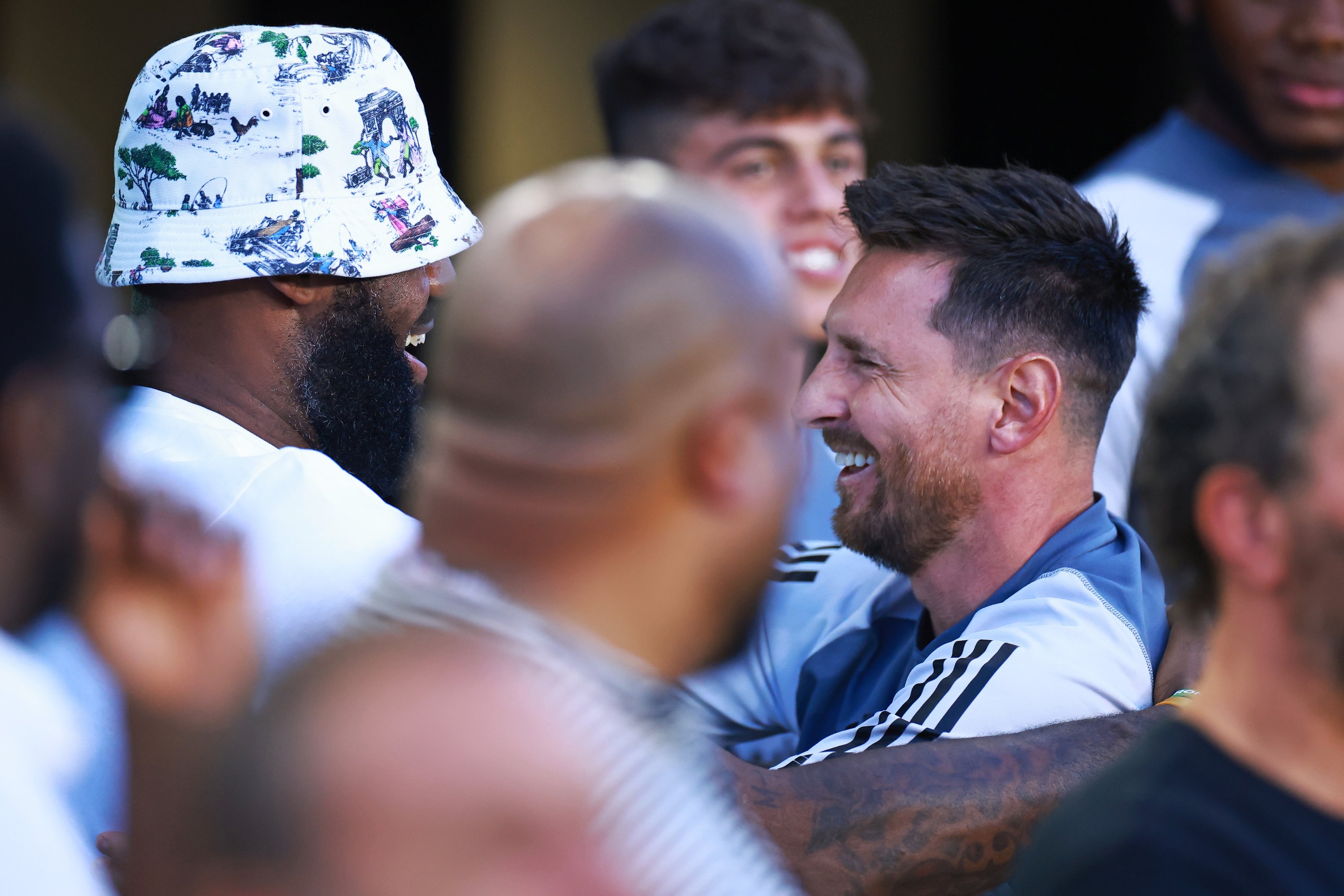
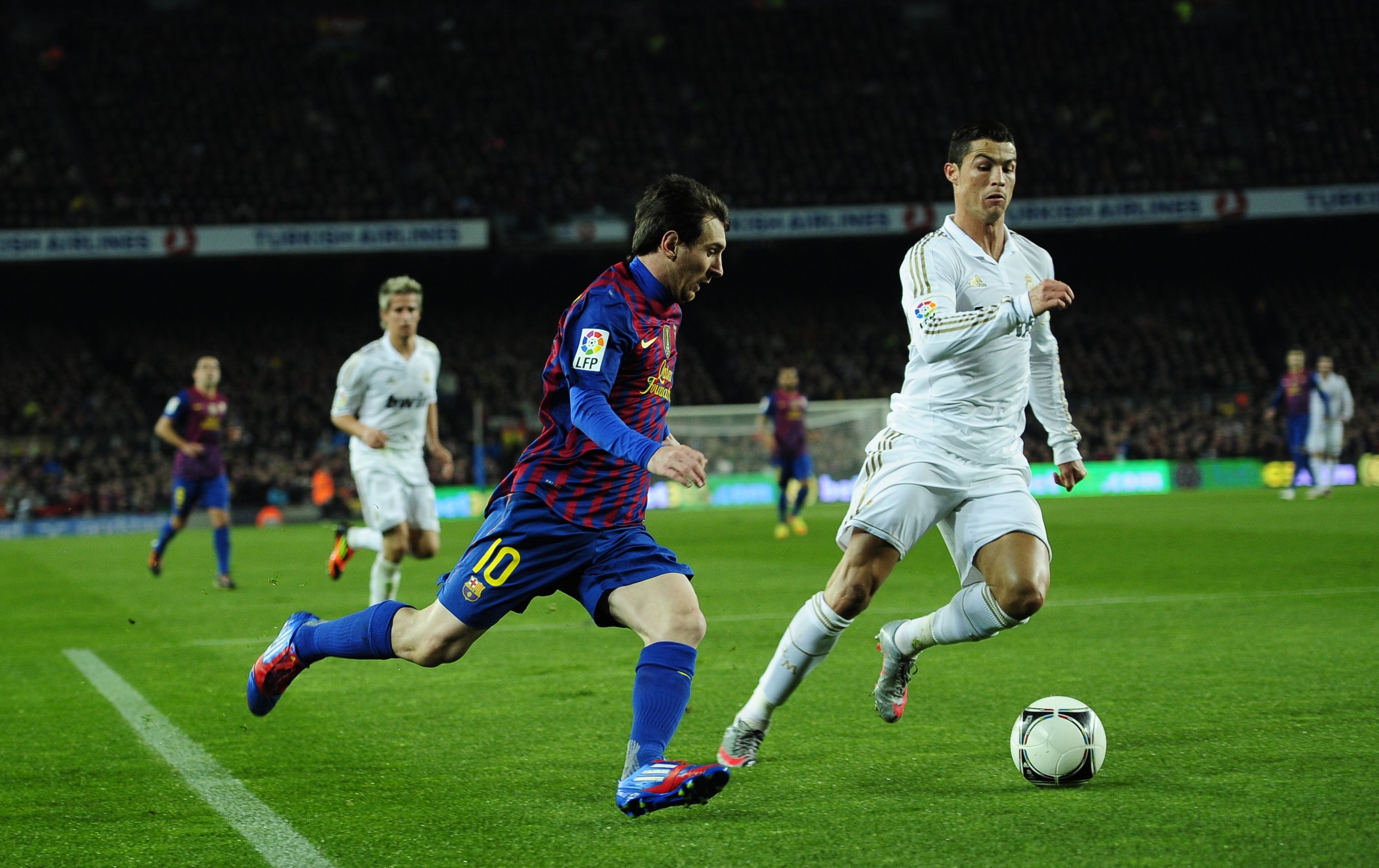
Lionel Messi follows at roughly $1.99 billion in inflation-adjusted career earnings.
The Argentine star's income has been driven by enormous contracts during his Barcelona years, his move to Inter Miami and a portfolio of global endorsement agreements, including Adidas. His arrival in Major League Soccer also expanded his commercial reach in the United States.
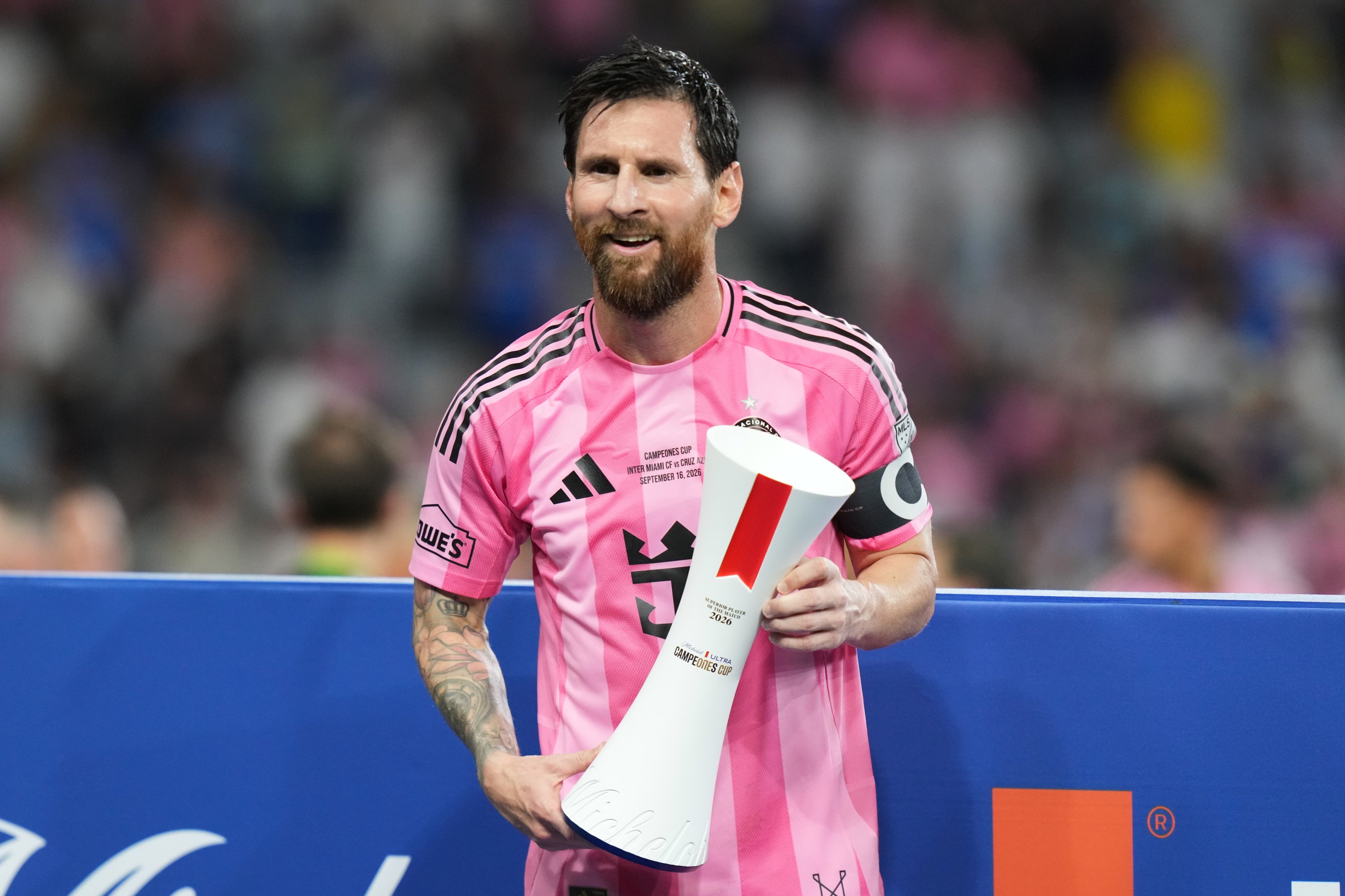
Forbes estimated Messi's earnings at about $140 million in its 2026 annual ranking, split roughly evenly between on-field and off-field income.
The inflation-adjusted top 10 also includes several athletes whose commercial influence extended well beyond their competitive careers.
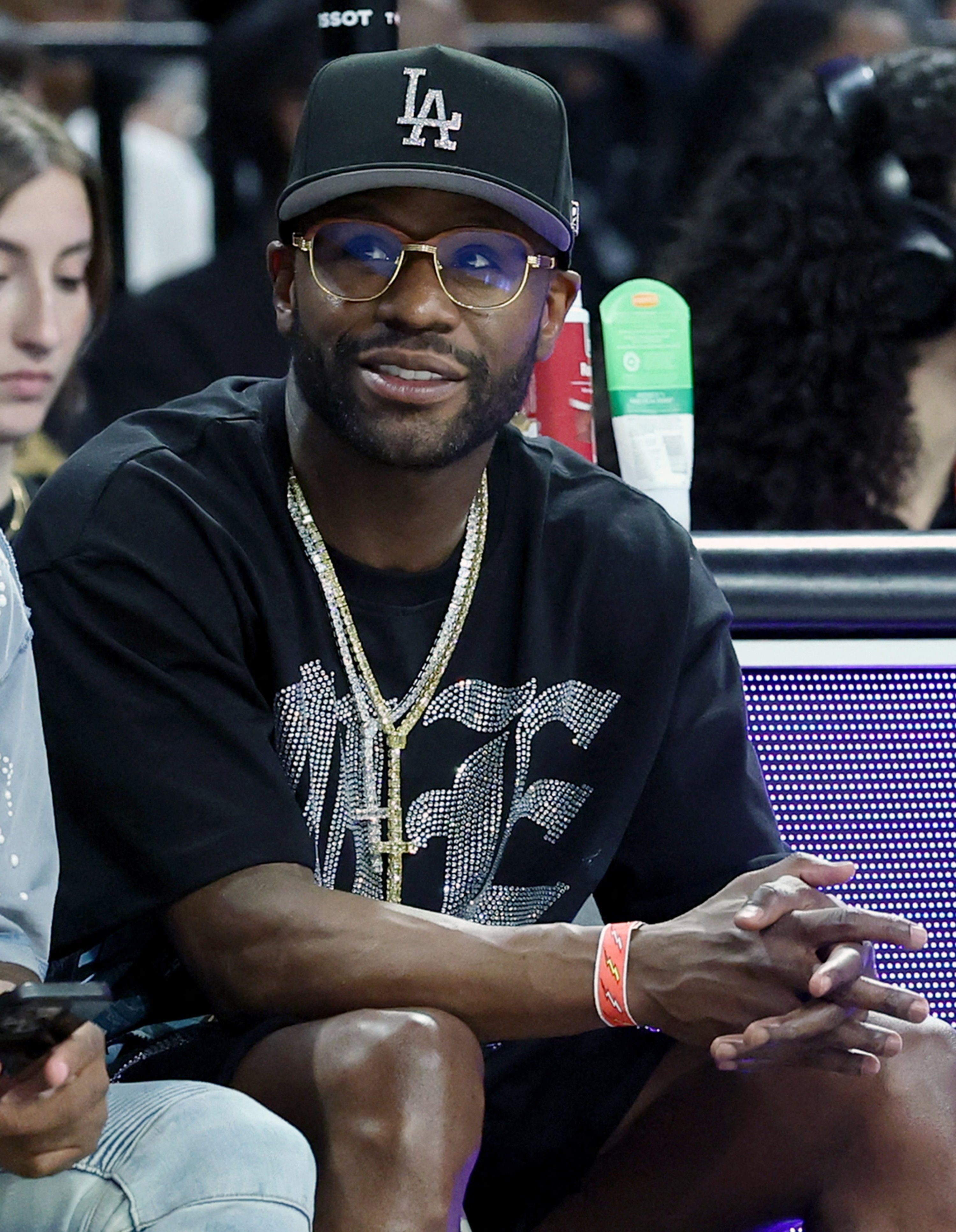
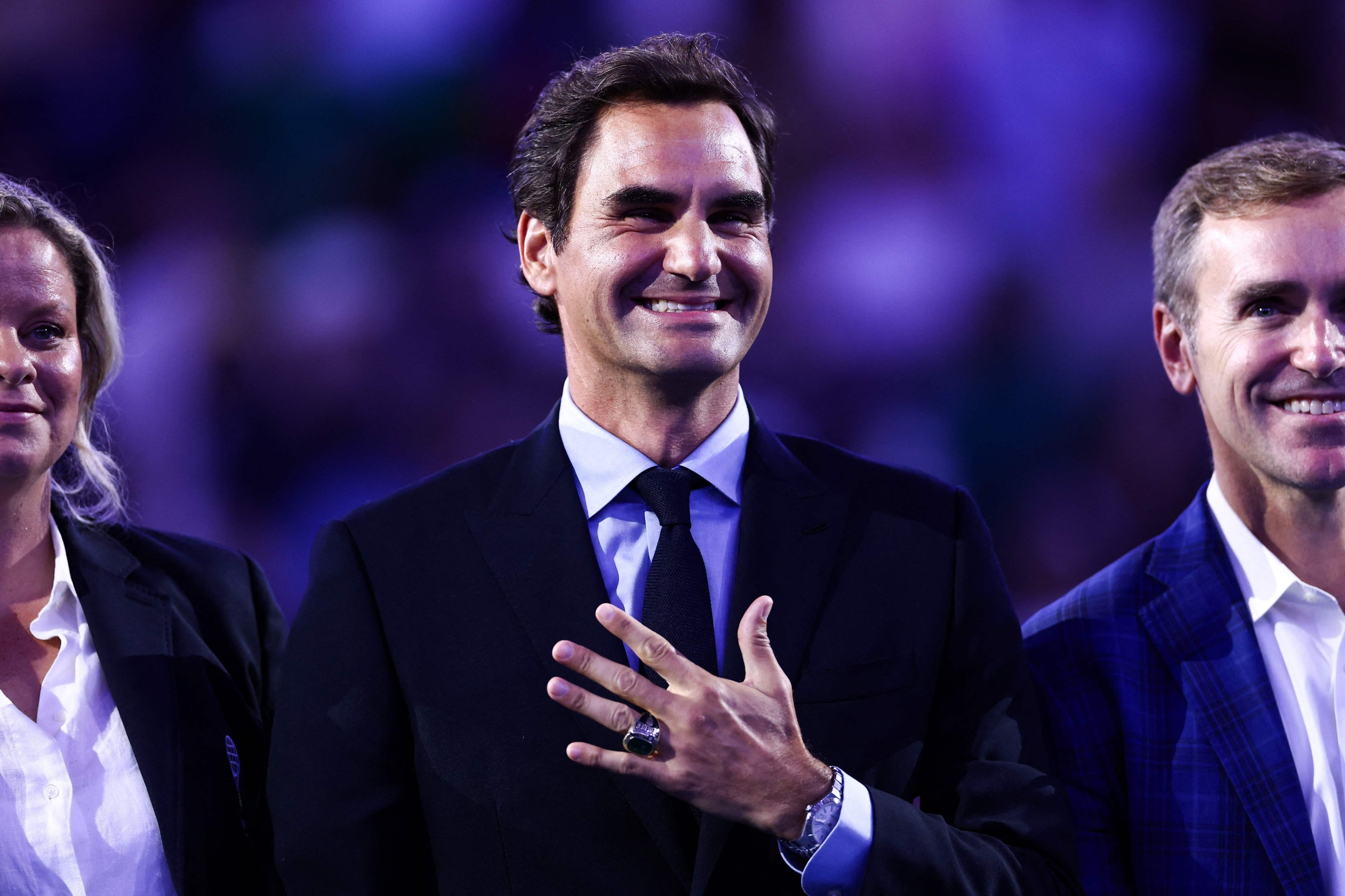
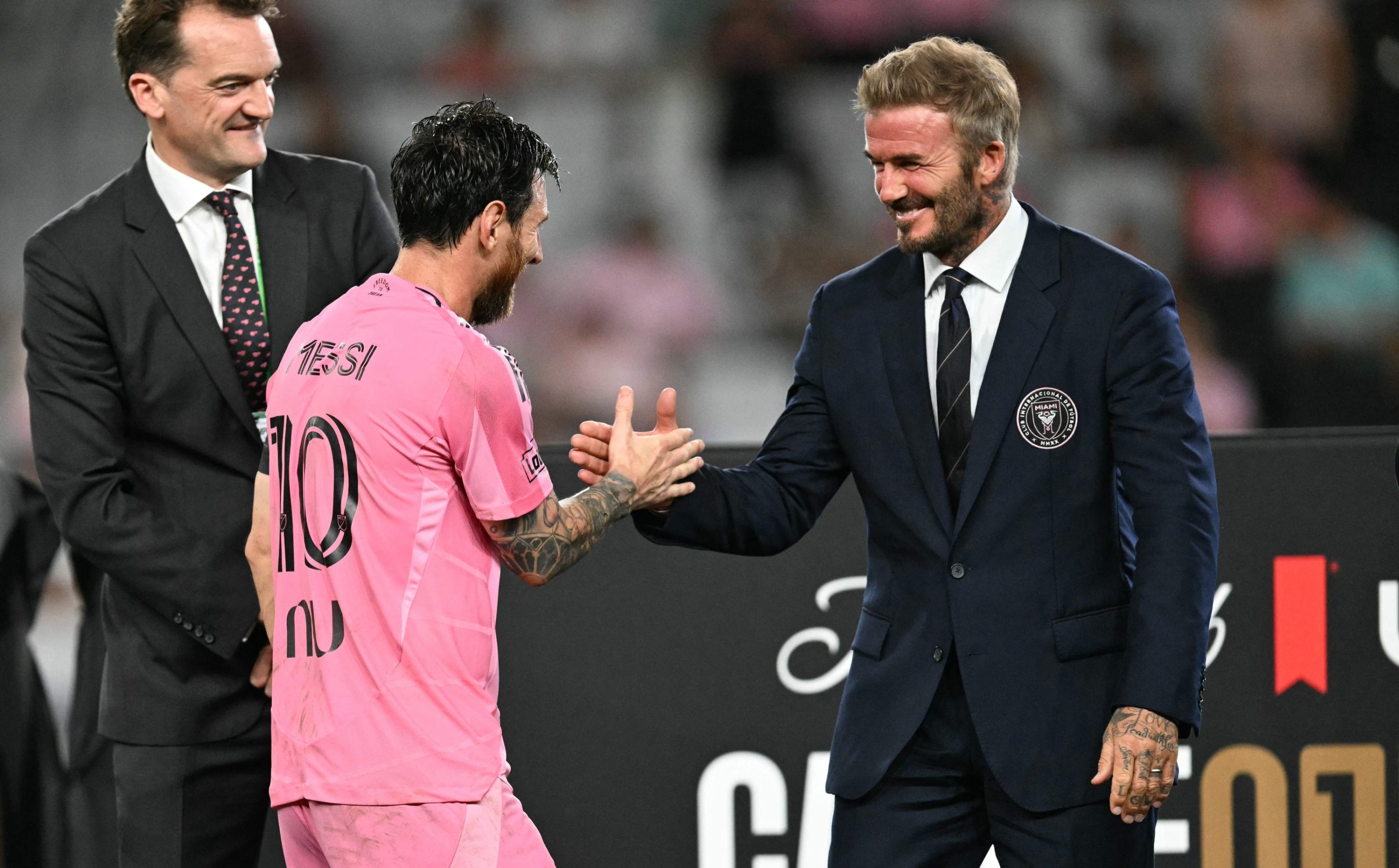
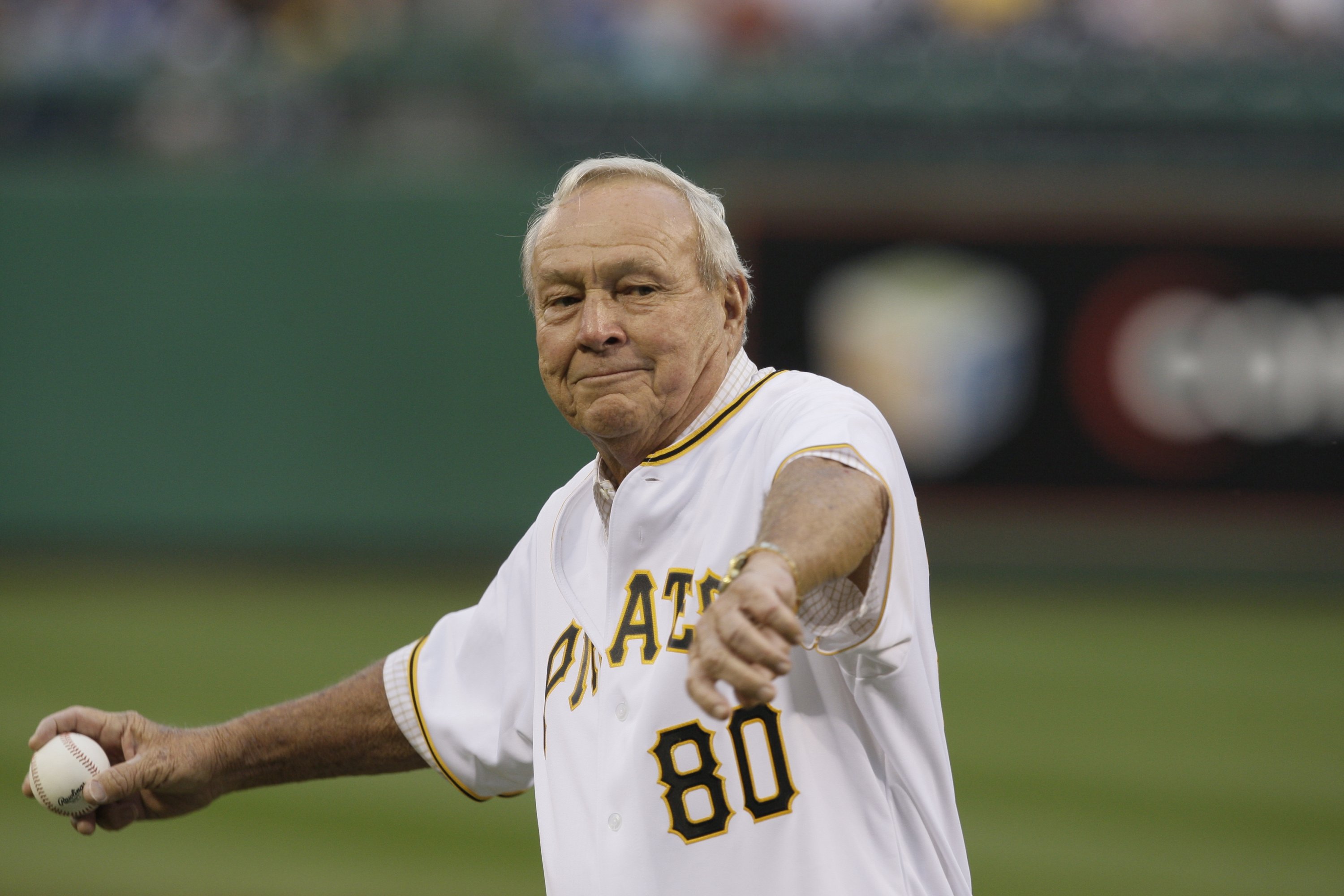
Arnold Palmer ranks sixth at approximately $1.85 billion, followed by Jack Nicklaus at $1.83 billion. David Beckham is next at about $1.68 billion, with Roger Federer at $1.67 billion and Floyd Mayweather Jr. at approximately $1.57 billion.
The list reflects the unusual economics of sports. Some athletes accumulated enormous fortunes through salaries and prize money, while others generated most of their career earnings away from competition.
Golf is particularly prominent because stars such as Palmer, Nicklaus and Woods were able to monetize their names through endorsements, course design, licensing and appearances for decades.
Beckham followed a similar path in soccer, turning his playing career into a global commercial brand. Federer did the same in tennis, where endorsement income became a major part of his earnings.
Mayweather's position is different. Boxing's individual-pay structure allows elite fighters to capture a much larger share of event revenue, with major pay-per-view bouts producing enormous purses.
The distinction between annual earnings and career earnings is important.
Forbes' annual rankings measure what athletes earn during a particular 12-month period. Sportico's career rankings accumulate earnings over an athlete's professional life and then adjust historical figures for inflation.
That difference explains why several retired athletes remain near the top of an all-time list.
Palmer and Nicklaus competed in an earlier financial era, when salaries and endorsement contracts were much smaller in nominal terms. Adjusting their earnings for inflation provides a clearer comparison with athletes competing in today's vastly larger sports economy.
Forbes' historical annual rankings also show how quickly the business of sports has expanded. In 2013, for example, Tiger Woods led the Forbes list with $78.1 million, while Federer earned $71.5 million and LeBron James $59.8 million.
More recent figures are several times larger. Ronaldo's estimated $300 million in the latest Forbes period demonstrates the scale now available to the world's biggest sports stars.
For many of the athletes near the top of the all-time list, the most important paycheck did not come from a team.
Jordan's Nike relationship is the clearest example. Woods' sponsorship portfolio and course-design business have also continued producing income well after his peak competitive years.
James has built a similar model, combining NBA salary with endorsements, equity investments, media ventures and other businesses. Forbes says he has earned more than $500 million in pretax NBA salary and more than $1 billion off the court.
Federer, Beckham and Palmer likewise demonstrate the value of maintaining a marketable identity after retirement.
The result is a career that does not necessarily end when the athlete stops competing.
The composition of the list also reflects the economics of individual sports and major team leagues.
Golfers can combine prize money with sponsorships, appearance fees, course design and licensing. Boxers can receive enormous shares of event revenue through purses and pay-per-view agreements. Tennis players benefit from global sponsorship markets and long careers.
Basketball stars have benefited from rapidly increasing NBA salaries, global merchandise sales and lucrative footwear partnerships.
Soccer provides another route because its biggest stars can reach enormous audiences across continents.
Ronaldo and Messi have turned that global visibility into substantial endorsement and business income, while the growth of high-paying leagues has pushed player compensation higher.
The modern sports economy has also created opportunities that previous generations did not have, including social media, direct-to-consumer brands, media companies and equity partnerships.
The all-time rankings are not static.
Ronaldo, James and Messi remain active commercial forces, meaning their career totals can continue to rise. Other current stars, including Stephen Curry, Kevin Durant, Shohei Ohtani and Canelo Alvarez, are also building earnings at levels that could significantly alter the historical rankings over time.
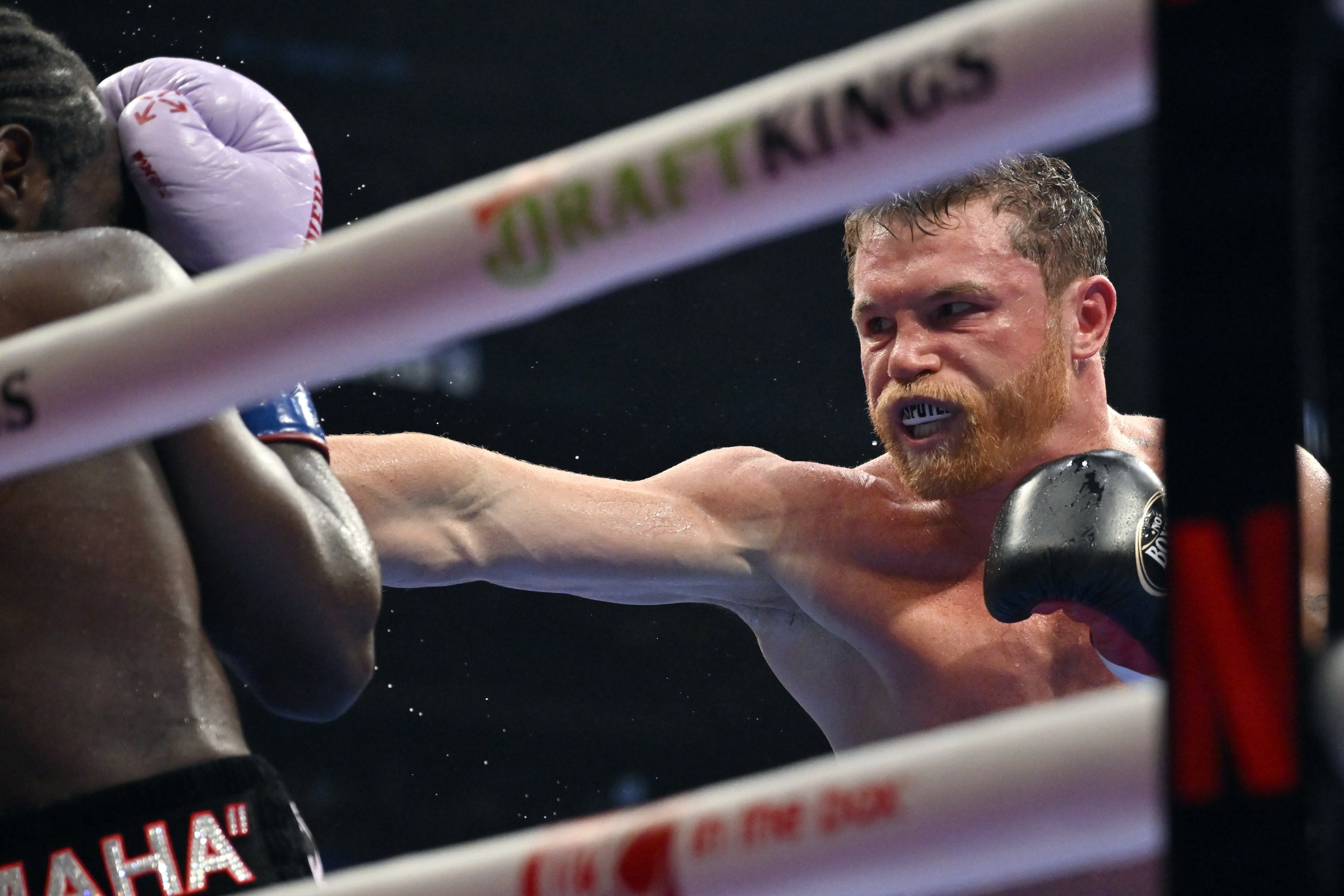
Ohtani represents a particularly notable modern model, with an enormous playing contract combined with substantial endorsement income. Curry has built a major commercial business around basketball and Under Armour, while Alvarez has benefited from the enormous purses available to boxing's biggest attractions.
The growth of athlete-owned businesses could make future career rankings even more difficult to separate from traditional sports earnings.
The historical list also highlights the enormous earnings gap between the biggest-paid male and female athletes.
Serena Williams is the only woman among Sportico's top 50 all-time earners cited in the data, with inflation-adjusted career earnings estimated at roughly $680 million.
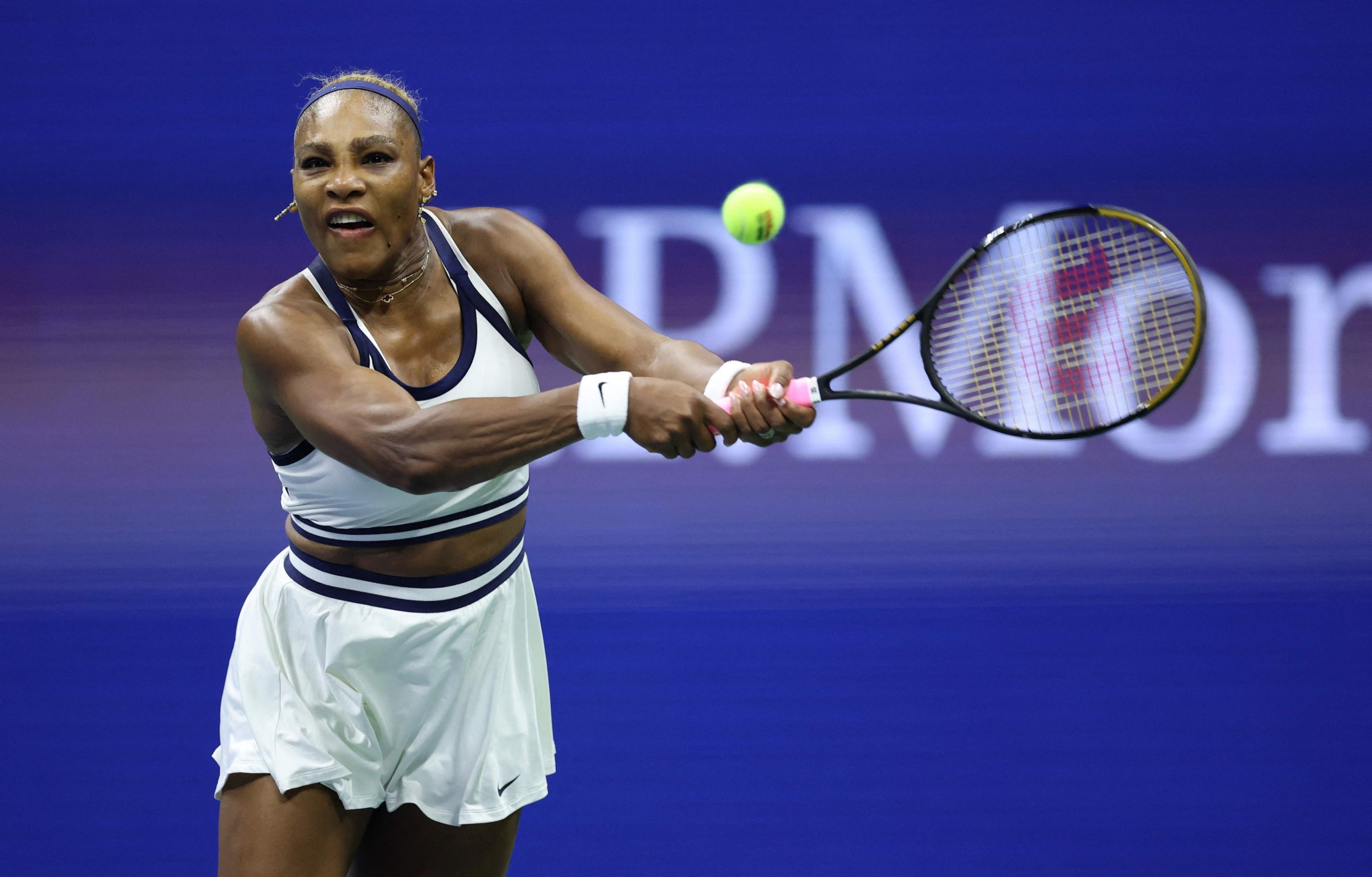
That gap reflects differences in salaries, prize money, sponsorship markets and commercial opportunities across sports and eras. It also shows why comparing athletes solely by their accumulated earnings does not provide a complete picture of sporting achievement or commercial influence.
A simple comparison of nominal career earnings can distort historical rankings.
A dollar earned several decades ago had considerably greater purchasing power than a dollar earned today. Inflation adjustment attempts to place those earnings on a common basis, allowing athletes from different generations to be compared more meaningfully.
That is particularly important for Palmer and Nicklaus, whose careers were built when professional sports generated far less revenue than they do today.
Even after adjusting for inflation, however, Jordan remains the clear leader in Sportico's career-earnings estimates.