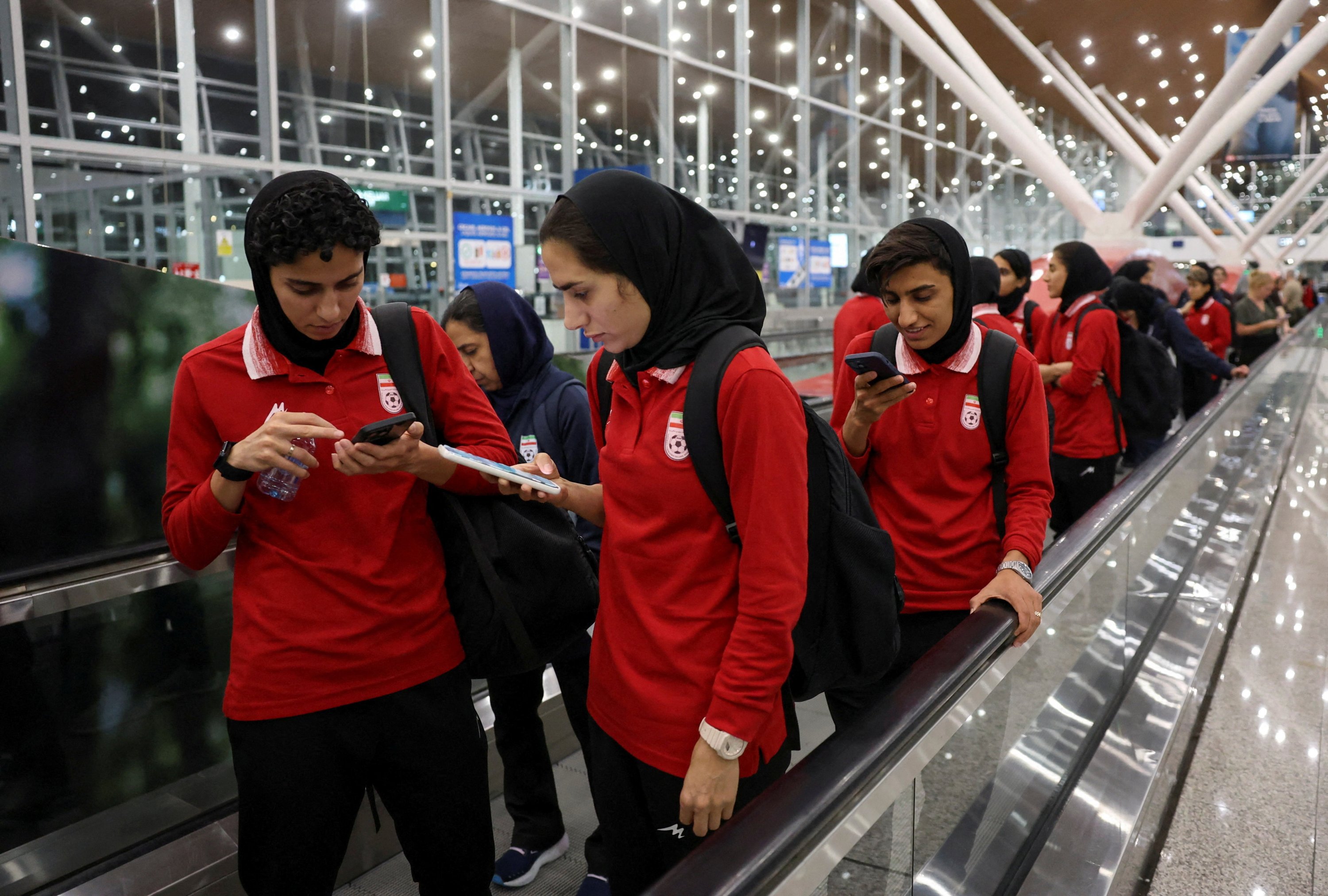
Iranian women football players offered asylum in Australia are grappling with emotional upheaval and the pain of being separated from family, a cricketer who fled Afghanistan’s Taliban regime told Reuters on Wednesday.
Australia granted humanitarian visas Tuesday to five players who sought refuge after facing potential persecution for refusing to sing the national anthem at a Women’s Asian Cup match.
Another player and a support staffer accepted Australia’s offer, while one player later reversed her decision and chose to return home, the government said, amid ongoing U.S.-Israeli airstrikes in Iran.
The saga reminded cricketer Tooba Khan Sawari of the dislocation she felt as a sporting refugee after fleeing Afghanistan when the Taliban swept to power in 2021.
Sawari was one of a number of women athletes offered asylum in Australia after fearing for their safety in Afghanistan.
For Sawari, the hardest part of resettling was not the practical challenge of learning a new language or navigating an unfamiliar reality, but the persistent ache of separation from home.
“Being a refugee, it has lots of pain,” Sawari, now 25, told Reuters from Canberra, where she lives, studies, and coaches cricket.
“Every day you will miss your parents, your family. You miss the time you spent with your compatriots. Even the food you ate in your country—you miss each single thing.
“It’s not easy to manage everything by yourself without any family support,” she added.
“It can bring a lot of depression. I found it very difficult.”
For refugee athletes, staying connected to their sports can help them cope with the feelings of confusion and anxiety brought on by dislocation, said Catherine Ordway, a sports lawyer and academic who helped Afghan cricketers settle in Australia.
“For the cricketers, that has been hugely important,” said Ordway, a visiting scholar at the University of New South Wales Business School in Canberra.
“That will be important for the Iranian players as well. They'll be guided, I'm sure, by their legal advisers and community contacts they've already made. Then they can start exploring what football team options there are.”
Sawari said she had undertaken counseling for years after arriving in Australia to help cope with the psychological strain of exile.
While praising the Australian government for supporting her and her former Afghanistan teammates in resettling, she warned the Iranian footballers that adjustment would take time.
“It’s not easy in a country when you don’t know their language or culture,” she said.
“It is very hard to accept that you’re living somewhere else.”