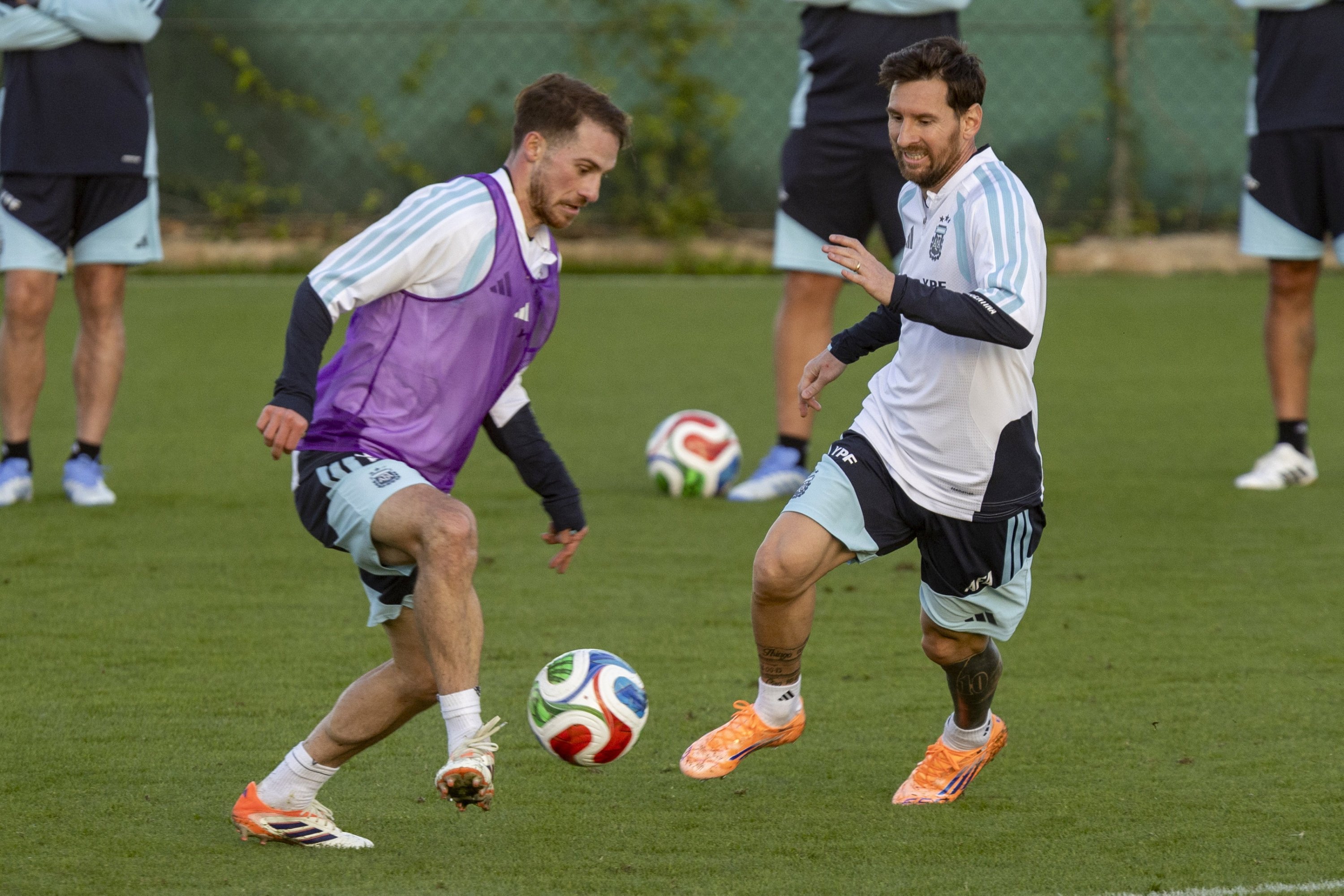
Lionel Messi and Argentina’s World Cup-winning team are set to headline Angola’s 50th independence celebrations this week, with a high-profile exhibition match in Luanda that has transformed a national milestone into a global spectacle.
Angola, which declared independence from Portugal on Nov. 11, 1975, is marking the golden jubilee of its sovereignty with multi-day festivities across the country.
The highlight will be Friday’s friendly match between Argentina and Angola at the 50,000-seat Estadio 11 de Novembro – a fixture reportedly secured for an estimated $13 million, making it one of the most expensive international friendlies in history.
The Argentine Football Association (AFA) confirmed that the world champions will arrive in Luanda on Thursday, following a short training camp in Alicante, Spain.
Messi, 38, is expected to lead a star-studded squad that includes Emiliano Martinez, Nicolas Otamendi and rising talents Alejandro Garnacho and Thiago Almada. Ticket sales for the match, priced between 5,000 and 50,000 kwanzas ($6-$60), sold out within hours.
Angola’s celebrations began Wednesday with a grand ceremony at Republic Square in the capital, where soldiers raised a massive red, black and yellow flag before President Joao Lourenço.
The event featured military parades, traditional performances and a fireworks display over the Ilha de Luanda waterfront.
In his address, Lourenço – who has governed since 2018 under the ruling MPLA – paid tribute to those who fought for independence and called for continued unity and reconciliation in a country still recovering from decades of conflict.
“This anniversary is a reminder of what our people have overcome,” he said. “Fifty years later, Angola is standing tall.”
Angola’s path to freedom was marred by a 27-year civil war that erupted immediately after independence, killing up to one million people before ending in 2002.
Despite being Africa’s second-largest oil producer, nearly half of its 37 million citizens live below the poverty line.
The MPLA has ruled since independence, transitioning from a Marxist regime to a multi-party democracy, but economic inequality and youth unemployment remain persistent challenges.
For many Angolans, the Argentina match is the crown jewel of the jubilee.
The exhibition, held at the stadium named for the country’s independence day, will mark the first time Angola faces the reigning world champions – and Argentina’s first appearance in Africa since 2019.
“This is not just a football match; it’s a meeting of histories,” said Pedro Mutarro, president of the Angolan Football Federation. “Argentina represents the pinnacle of world football and we want to show the world that Angola, too, has a place on that stage.”
The event is expected to draw thousands of fans and foreign visitors, with local authorities implementing heightened security and logistical measures around the stadium.
Organizers project that the match could generate up to $10 million in tourism revenue through hotel bookings, merchandise and broadcast rights.
Despite excitement over Messi’s arrival, the lavish cost of hosting the Albiceleste has drawn criticism.
Civil society groups and opposition figures have condemned the $13 million expenditure as wasteful amid widespread poverty and unemployment.
Hashtags like #MessiNoAngola and #WrongPriorities have trended online, with activists urging officials to redirect funds toward flood recovery and education.
Angolan officials have defended the decision, calling the event a strategic investment in national pride and international visibility.
“The 50th anniversary is a once-in-a-lifetime moment,” said a government spokesperson. “This celebration honors our journey from war to peace – and football, as always, brings people together.”